Restore a Tired Complexion with a Simple Baking Soda and Honey Face Mask
As time passes, many people notice their skin looking duller, feeling rougher, and generally less radiant. Daily exposure to sunlight, pollution, and ongoing stress can wear down your natural glow and leave you searching for gentle, budget-friendly skincare you can do at home.
While no single ingredient can reverse aging, everyday pantry items like baking soda and honey have become popular in natural skincare routines for their potential exfoliating and moisturizing effects.
What often gets overlooked is that, when used thoughtfully, these simple ingredients can become part of a calming nighttime ritual that supports smoother-feeling, more comfortable skin. This guide walks you through a baking soda and honey face mask, how to prepare and apply it safely, and what science and skincare experts currently say about it.
Why Baking Soda and Honey Are Popular in Natural Skincare
Baking Soda: A Mild Household Exfoliant
Baking soda (sodium bicarbonate) is an alkaline compound found in most kitchens. Some skincare enthusiasts like its fine, gritty texture, which can act as a gentle manual exfoliant. When massaged lightly onto the skin, it may help:
- Loosen and remove dead surface skin cells
- Provide a temporary “deep clean” feeling
- Help clear surface oil and debris from pores for a short time
However, its benefits on facial skin are mainly anecdotal, and there are important caveats.
Honey: A Natural Humectant and Soothing Agent
Raw honey—especially types like Manuka honey—is prized in natural beauty routines because it is a humectant. That means it helps attract and hold moisture in the skin. Research, including reviews in sources such as the Journal of Wound Care, has documented honey’s:
- Antibacterial properties
- Soothing and anti-inflammatory effects
- Ability to support wound healing in certain medical settings
These properties can translate into a calmer, more hydrated feel on the skin’s surface.
The Appeal of Combining the Two
When mixed together, baking soda and honey create a soft paste that can feel both lightly polishing and nourishing. Many people enjoy:
- The simple, DIY aspect of the mask
- The smoother, softer sensation immediately after rinsing
- The relaxing ritual of applying a mask before bed
Results, however, vary widely depending on skin type, sensitivity, and how often the mixture is used.
A Critical Warning About pH and Skin Barrier
Dermatologists frequently warn that baking soda’s high pH (around 9) is very different from your skin’s natural acidic mantle (ideal pH around 4.5–5.5). Using alkaline ingredients too often on the face can:
- Disrupt the skin barrier
- Lead to dryness, tightness, or flaking
- Trigger irritation or sensitivity over time
Because of this, any baking-soda-based skincare should be used sparingly and with caution, especially on the face.
Potential Benefits of a Baking Soda and Honey Face Mask
This DIY mask is not a miracle cure, but occasional use may provide some short-term benefits, according to anecdotal reports and limited research—primarily focused on honey.
Possible advantages include:
-
Mild exfoliation
The fine texture of baking soda can help buff away dull surface cells, making skin feel smoother to the touch. -
Hydration and comfort from honey
Honey’s humectant and soothing properties can help counterbalance some of the dryness that exfoliation might cause. -
Antibacterial support
Raw honey’s antibacterial effects may be helpful for occasional, mild breakouts in some people.
Studies show that honey can promote wound healing and help reduce inflammation in specific contexts. However:
- Evidence for baking soda on facial skin is limited and mostly anecdotal.
- There is no strong scientific proof that this mask can dramatically reduce wrinkles, firm the skin, or reverse visible signs of aging.
Baking Soda vs. Honey: A Quick Comparison
Baking Soda
- Fine, mildly abrasive texture
- May help with temporary pore cleansing and removal of surface buildup
- Risk: Can disrupt pH and cause dryness or irritation, especially with frequent use or on sensitive skin
Raw Honey
- Natural moisturizer and humectant
- Backed by research for antibacterial and soothing properties
- Generally gentle and calming for many skin types when used alone
This DIY combination tries to pair exfoliation (baking soda) with hydration and comfort (honey). It is not suitable for everyone and should be used carefully.
How to Make and Use a Baking Soda and Honey Face Mask Safely
If you decide to try a baking soda and honey face mask, following a cautious, gentle approach is essential—starting with a patch test.
Ingredients (Single Use)
- 1 teaspoon baking soda (food-grade, pure)
- 1–2 teaspoons raw honey (organic or Manuka preferred for enhanced properties)
- A few drops of warm water (optional, to adjust thickness)
Step-by-Step Instructions
-
Prepare the mixture
- Place the baking soda into a clean, small bowl.
- Add the raw honey.
- Stir thoroughly until you get a smooth, spreadable paste.
- If the mixture is too thick, mix in a few drops of warm water until it reaches a creamy consistency.
-
Cleanse your face
- Wash your face with a gentle cleanser suitable for your skin type.
- Rinse with lukewarm water and pat dry with a soft towel.
-
Apply the mask
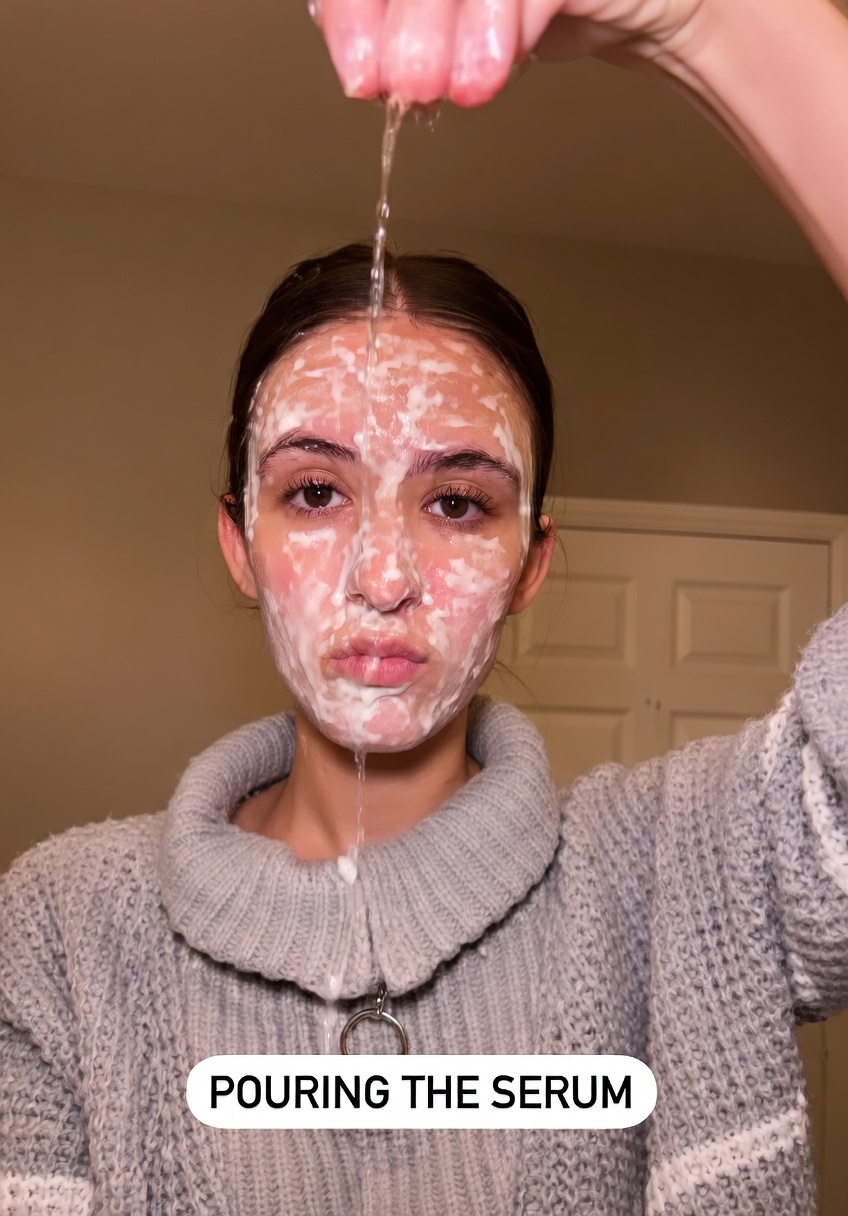
- Using clean fingers or a soft brush, spread the paste over your face.
- Avoid the eye area and lips, where the skin is more delicate.
- With very light pressure, massage in small circular motions for about 10–20 seconds to gently exfoliate.
-
Let it sit
- Leave the mask on for 5–10 minutes.
- If you are new to this mask or have reactive skin, start with the lower end of that range.
-
Rinse thoroughly
- Rinse off with lukewarm water, massaging gently as you remove the mask.
- Continue until all residue is gone.
-
Moisturize
- Pat your face dry.
- Follow with a hydrating, barrier-supporting moisturizer to lock in moisture and comfort the skin.
Usage guideline:
Use this mask no more than 1–2 times per week. Over-exfoliating, especially with an alkaline ingredient like baking soda, can compromise your skin barrier and lead to irritation.
Safety Tips and Best Practices
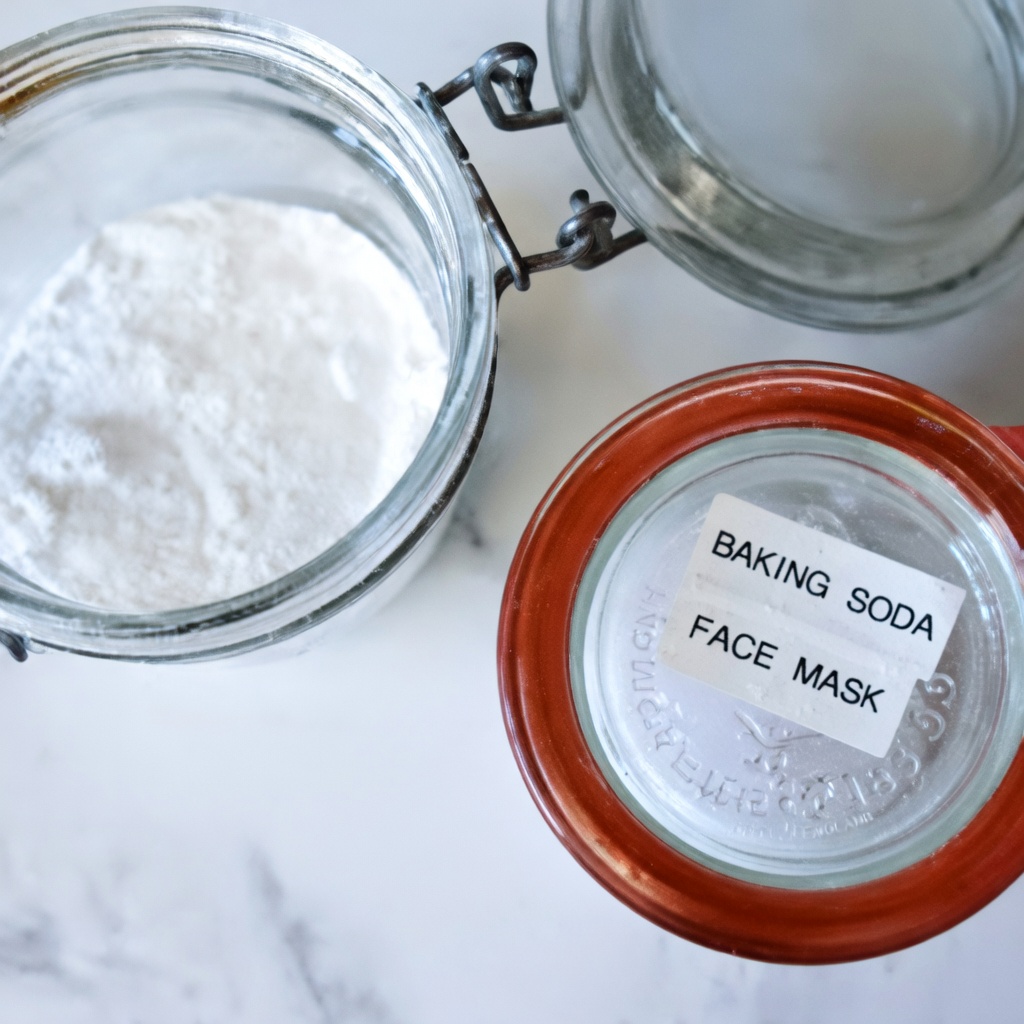
To minimize the risk of irritation and get the most from this DIY skincare treatment:
-
Always patch test first
Apply a small amount of the mixture to the inside of your forearm. Leave it on for up to 10–15 minutes, then rinse. Monitor the area for 24 hours for redness, itching, or burning. -
Choose high-quality honey
Opt for raw, unprocessed honey (or Manuka honey) to maximize natural enzymes, antibacterial benefits, and soothing properties. -
Moisturize afterward
A nourishing moisturizer helps counterbalance potential dryness from exfoliation and supports the skin barrier. -
Avoid if your skin is compromised
Skip this mask entirely if you have:- Very sensitive or reactive skin
- Extremely dry or flaky skin
- Active eczema, rosacea, or broken/peeling skin
In such cases, plain raw honey on its own is usually a much gentler option.
-
Pay attention to your skin’s signals
If you notice burning, stinging, increasing redness, or persistent dryness, stop using the mask immediately and revert to a gentler routine.
Many people find that turning this into a short nighttime ritual—perhaps with dim lighting and soft music—helps them unwind while caring for their skin.
Frequently Asked Questions About Baking Soda and Honey Face Masks
1. Is a baking soda and honey mask safe for all skin types?
No. This mask is generally more suitable for:
- Normal skin
- Some oily or combination skin types that tolerate exfoliation well
It is not recommended for:
- Dry or very dry skin
- Sensitive or easily irritated skin
- Eczema-prone or rosacea-prone skin
The alkalinity of baking soda increases the risk of irritation in these groups.
2. How often can I use a baking soda and honey face mask?
Limit usage to 1–2 times per week at most. Using it more frequently increases the likelihood of:
- Disrupting your skin’s natural pH
- Weakening the skin barrier
- Causing dryness, tightness, or redness
If you notice irritation even at this frequency, reduce use or discontinue.
3. Can this DIY mask reduce fine lines or other signs of aging?
This mask may offer short-term benefits such as:
- Softer, smoother-feeling skin from gentle exfoliation
- A more hydrated look thanks to honey
However, there is no solid scientific evidence that a baking soda and honey mask:
- Significantly reduces wrinkles
- Tightens sagging skin
- Reverses sun damage
For more reliable long-term support against signs of aging, dermatologists typically recommend:
- Daily broad-spectrum sunscreen
- Regular use of well-formulated moisturizers
- Consistent routines with proven ingredients like retinoids, vitamin C, and niacinamide (under professional guidance)
Final Thoughts
A baking soda and honey face mask can be an inexpensive, DIY addition to your evening skincare routine—if your skin tolerates it well and you use it sparingly. Think of it as an occasional treatment for a smoother, refreshed feel rather than a cure-all for skin issues or aging.
Above all, prioritize your skin’s comfort and health. Pay close attention to how your complexion responds, and don’t hesitate to skip baking soda entirely in favor of gentler, research-backed skincare if irritation or discomfort appears. Your skin’s unique needs should always guide your routine.