Broadleaf Plantain: The “Weed” with a Long Wellness Story
You’ve probably seen this low-growing, broad-leaved plant pushing up through lawns, along pavements, or between garden stones. Many people dismiss it as just another weed, but for centuries, communities around the world have turned to this resilient herb as a gentle ally in everyday self-care.
In a busy modern life—where minor skin irritations, occasional digestive discomfort, or day-to-day inflammation can affect your comfort—more people are looking for time-tested, plant-based options. Broadleaf plantain (Plantago major) is one such plant, quietly woven into traditional practices across cultures and now drawing renewed interest.
Why has this common plant attracted so much attention over the years? Below, you’ll discover its traditional background, what modern research is beginning to show about its key compounds, and practical ways to explore it safely at home. There’s a perspective near the end that may change how you look at the “weeds” in your own yard.
What Is Broadleaf Plantain?
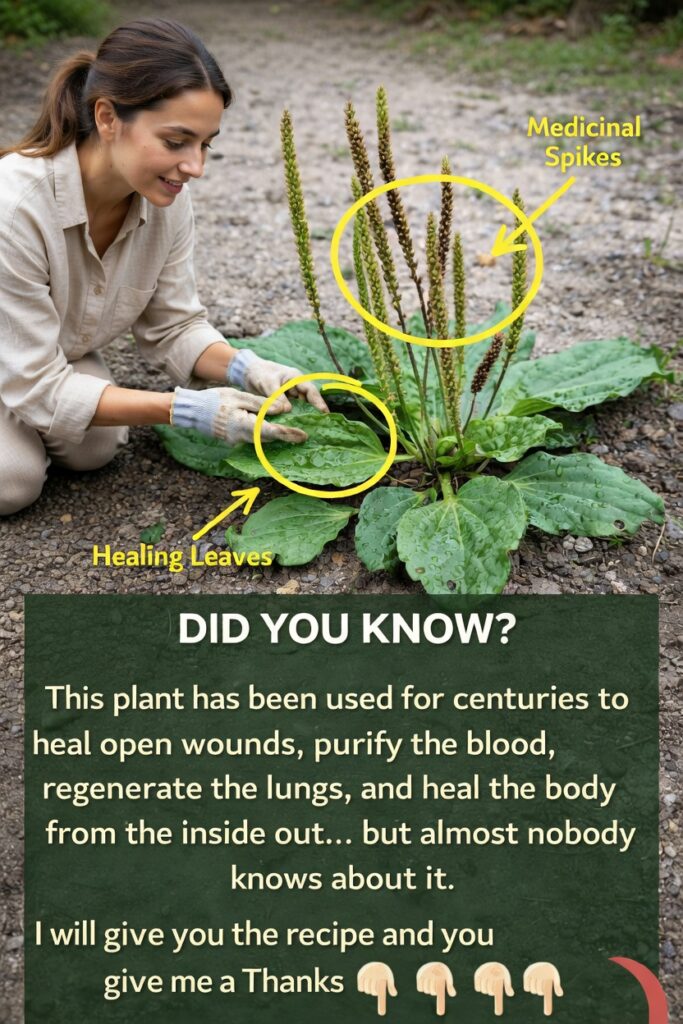
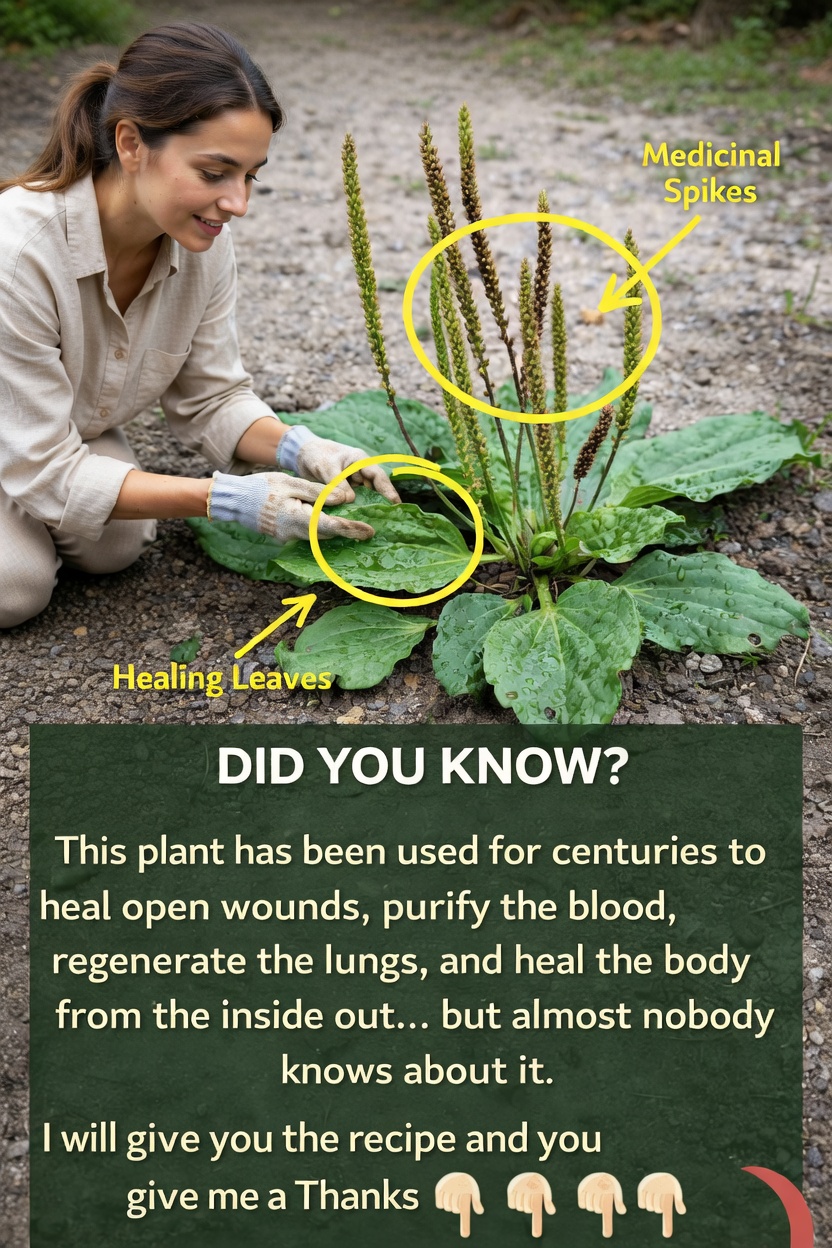
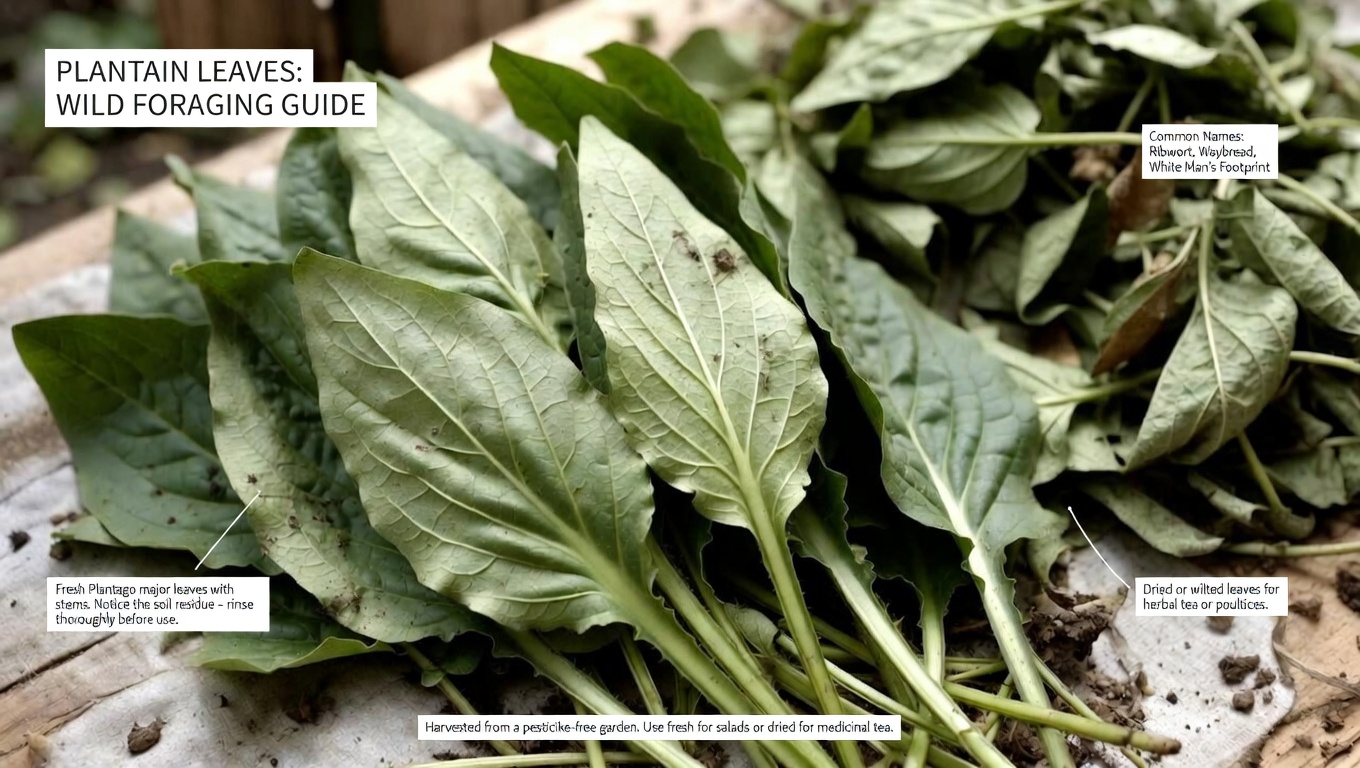
Broadleaf plantain, or Plantago major, is a hardy perennial herb originally native to Europe and parts of Asia, but now naturalized almost worldwide. It forms a low rosette of oval to egg-shaped leaves with distinct parallel veins and sends up slender, upright flower spikes packed with tiny flowers and seeds.
Also known as:
- Greater plantain
- Waybread
- “White man’s footprint” (a name reflecting its tendency to follow human activity and disturbed soils)
It thrives in compacted ground, paths, lawns, and other tough environments where many other plants struggle.
For generations, this plant has held a quiet place in folk-based wellness traditions. Its leaves have been used in simple home preparations because they are easy to find, mild in character, and accessible to ordinary people. Traditional uses span Europe, parts of Asia including Persian practice, and other regions, where it has been valued for supporting skin comfort and overall well-being in everyday life.
Traditional Uses Around the World
Across numerous cultures, broadleaf plantain has featured in local herbal practices for a wide variety of minor, day-to-day concerns.
Common traditional approaches include:
- Fresh leaf poultices:
Crushed or chewed leaves applied directly to the skin for small scrapes, stings, or irritations. - Infusions and teas:
Simple hot-water preparations used to support respiratory comfort during mild coughs or to aid occasional digestive discomfort. - Topical washes or compresses:
Applied to the skin as part of traditional approaches to everyday skin support.
Reviews of historical medical texts and ethnobotanical records note that broadleaf plantain has been used in efforts to:
- Support natural skin recovery
- Ease minor, occasional inflammation
- Promote general vitality and comfort
Compounds such as polysaccharides, flavonoids, and iridoid glycosides (like aucubin) are often mentioned in relation to these traditional uses. While it’s not a miracle cure, its presence in so many folk systems suggests a longstanding confidence in its gentle nature.
What Modern Research Suggests
Recent scientific interest has focused on broadleaf plantain’s rich phytochemistry and how it might help explain its historical popularity. Most data come from laboratory and animal studies, with a smaller number of early human trials.
1. Support for Skin Comfort and Repair
A number of preclinical studies and some small human investigations suggest that extracts of Plantago major may:
- Encourage wound closure in experimental models
- Support tissue regeneration processes
- Contribute to a more comfortable healing experience
These effects are often linked to:
- Anti-inflammatory activity
- Antioxidant properties
Compounds such as allantoin, phenolic acids, and other plant constituents are thought to play a role in these observed effects.
2. Anti-Inflammatory Potential
Laboratory and animal research indicates that plantain leaves contain:
- Tannins
- Flavonoids
- Iridoid glycosides
These may help modulate occasional inflammation in experimental settings. While this is promising, robust, large-scale human trials are still limited, so findings remain preliminary.
3. Other Areas Under Investigation
Researchers are also exploring whether broadleaf plantain may offer:
- Antioxidant support – helping neutralize free radicals in lab tests
- Mild antimicrobial activity – against certain microbes in controlled studies
- Digestive and respiratory comfort – in line with traditional uses, though evidence is still developing
Much of this information comes from reviews in ethnopharmacology and phytotherapy journals, which emphasize the plant’s chemical richness but also caution against overclaiming benefits.
Key Compounds of Interest
Some of the main constituents discussed in the scientific literature include:
- Allantoin – Often associated with soothing effects and support for skin cell turnover.
- Flavonoids and phenolic compounds – Linked to antioxidant and general protective activity.
- Polysaccharides – Thought to support moisture retention and gentle tissue comfort.
- Iridoid glycosides (e.g., aucubin) – Studied for potential anti-inflammatory and protective roles.
These findings are intriguing, but they should be viewed as early-stage insights, not definitive proof. Plantain is best considered as one small piece within a broader, holistic approach to well-being.
How to Explore Broadleaf Plantain Safely at Home
If you’d like to learn more about this plant through hands-on experience, it’s important to prioritize safety and moderation. Always talk to a qualified healthcare professional before using herbs—especially if you have health conditions, are pregnant or breastfeeding, or take any medications.
1. Correct Identification
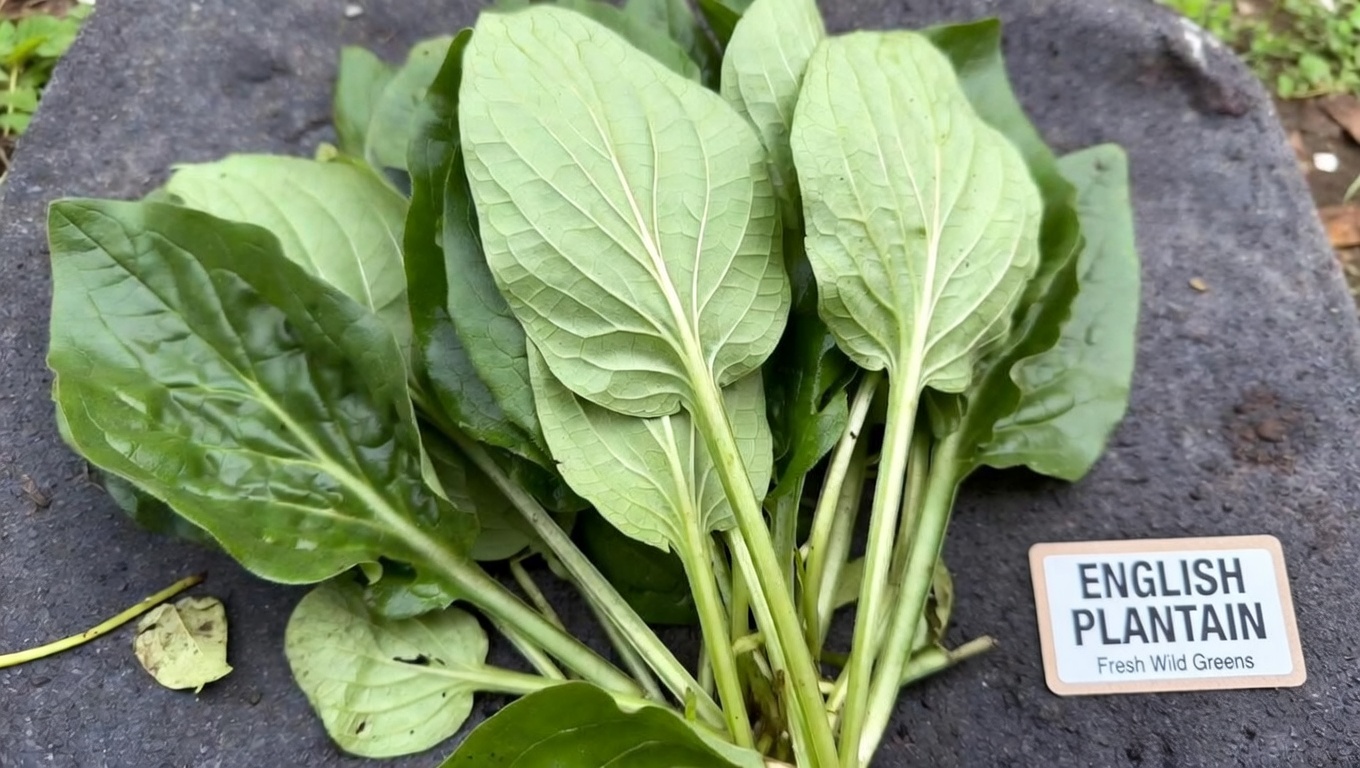
Before using any wild plant, correct identification is essential. For broadleaf plantain, look for:
- A basal rosette of broad, oval leaves
- Prominent parallel veins running from base to tip
- Leaves that lie close to the ground, with smooth or slightly toothed edges
- Slender, upright spikes holding numerous tiny flowers and seeds
Avoid plants growing in polluted or sprayed areas (roadsides, industrial sites, chemically treated lawns), and never use a plant if you are unsure of its identity.
2. Fresh Leaf Poultice
A classic traditional use is a simple poultice:
- Rinse fresh leaves thoroughly.
- Gently crush, bruise, or lightly mash them to release juices.
- Apply to clean, intact skin over minor, everyday irritations for a short period.
- Remove and wash the area afterward.
This approach is part of folk practice and should only be used for minor, non-serious concerns. Discontinue if any irritation occurs.
3. Simple Infusion (Tea)
A basic infusion offers another way to explore plantain:
- Use about 1–2 teaspoons of dried leaves per cup of hot water.
- Steep for around 10 minutes, then strain.
- Let cool slightly before sipping, or use externally as a wash or compress once fully cooled.
Again, use sparingly and stop if you notice any unwanted effects. Consult a professional for guidance on frequency and suitability for your situation.
4. Drying and Storing the Leaves
To have plantain on hand:
- Harvest clean, healthy leaves from safe locations.
- Spread them in a single layer in a shaded, airy place to dry.
- Once fully dry and crisp, store in a glass jar or paper bag away from heat, light, and moisture.
Dried leaves can later be used for teas, rinses, or compresses as part of your herbal explorations.
Tips for Beginners
- Start small: Try minimal amounts first to see how your body responds.
- Combine with good hygiene: Plant-based skin support works best alongside basic cleanliness and appropriate care.
- Forage ethically: Avoid overharvesting, and respect local regulations and ecosystems.
Safety, Precautions, and Who Should Be Careful
Broadleaf plantain is generally considered to have a low risk profile when used in modest, traditional amounts. However, it is not entirely risk-free.
Keep in mind:
- Allergic reactions:
Some individuals may experience mild skin or other reactions, particularly if sensitive to related plants. Discontinue use if redness, itching, or discomfort occurs. - Vitamin K content:
Plantain contains vitamin K, which may interfere with blood-thinning medications such as warfarin. People on anticoagulants should be especially cautious and consult their healthcare provider before use. - Quality and cleanliness:
Always collect from unpolluted, unsprayed areas and wash thoroughly. - Not a replacement for medical care:
Plantain should not be used as a substitute for professional diagnosis or treatment of injuries or illnesses. Seek medical help for serious or persistent symptoms.
Broadleaf Plantain: More Than Just a Weed
Broadleaf plantain is a reminder that everyday landscapes can hold surprising stories. A plant many people mow down or pull up has, in fact, traveled the world alongside humans, quietly serving in traditional wellness practices for generations.
Modern research is beginning to explore its rich mix of compounds, offering clues about why it has endured in herbal lore. While the science is still developing, its combination of history, accessibility, and gentle character makes it an interesting plant to learn about—especially when approached with respect, caution, and informed guidance.
The next time you spot broadleaf plantain in your lawn or along a path, you may see more than a stubborn weed. You might recognize a small but enduring part of global herbal tradition.
FAQ
What is the difference between broadleaf plantain and ribwort plantain?
Broadleaf plantain (Plantago major) has wide, oval leaves that form a low rosette. Ribwort plantain (Plantago lanceolata) has narrower, lance-shaped leaves with more upright growth. Both belong to the same genus and share many traditional uses, but broadleaf plantain is more commonly mentioned for topical, skin-focused applications.
Can I grow broadleaf plantain at home?
Yes. Broadleaf plantain is very easy to cultivate:
- It grows well in pots, raised beds, or directly in the ground.
- It tolerates poor, compacted soil.
- It prefers full sun to partial shade.
Because it is so hardy, you may even find it appearing on its own in your garden.
Is broadleaf plantain edible?
Young, tender leaves are sometimes eaten:
- Raw in salads when very young and soft
- Lightly cooked (steamed or sautéed) as greens
They can provide vitamins, minerals, and other beneficial compounds. However:
- Always harvest from clean, uncontaminated areas.
- Start with small amounts to ensure it suits you.
- If you have health conditions or take medication, consult a healthcare professional before using it regularly as food or tea.