Smoother Skin with a Simple Petroleum Jelly and Salt Scrub
Rough, flaky patches on areas like the elbows, knees, and heels are extremely common. Everyday exposure to weather, frequent washing, and the natural aging process can leave skin feeling coarse, tight, and lackluster. That discomfort often leads people to look for a straightforward way to get softer, more comfortable skin without a complicated routine.
A simple option many people try at home is a DIY body scrub using common ingredients. In this guide, we’ll look at how petroleum jelly and salt are often combined for gentle exfoliation and moisture support, based on typical skincare practices and what experts say about these components.
There is, however, an important safety detail that’s easy to overlook when using any at-home mix—keep reading to learn how to use it more safely and why patch testing is so important.
Why Petroleum Jelly Is a Go-To Moisturizing Ingredient
Petroleum jelly, widely recognized under brand names like Vaseline, has been used for generations in basic skincare. Its main role is as an occlusive moisturizer: it forms a thin, protective film on the skin’s surface that helps reduce water loss.
Dermatologists frequently recommend petroleum jelly to support skin hydration and barrier function. Reviews and studies, including those published in sources such as the Journal of Cosmetic Science, note that properly refined petroleum jelly is generally non-comedogenic for most people and can help maintain the skin’s natural protective barrier.
Because of this, it’s often applied:
- After baths or showers to lock in moisture
- On chapped lips or cracked cuticles
- Over dry patches on hands, feet, and elbows
- As a base layer in minimalist skincare routines
Its simplicity and affordability make it a common starting point for DIY body care.
How Salt Works as a Physical Exfoliant
Salt—especially coarse sea salt or regular table salt—is frequently used in natural body scrubs because of its grainy texture. The small crystals can help manually remove dead skin cells from the surface when massaged gently over the skin.
Some official brand recommendations, including from Vaseline, suggest combining petroleum jelly with salt (or sugar) to create a basic exfoliating scrub. The concept is straightforward:
- Salt provides the scrubbing action to lift away dry, flaky cells
- Petroleum jelly helps the mixture glide over the skin while offering a moisturizing barrier
This type of scrub is typically suggested for thicker, tougher skin on the body rather than delicate areas like the face.
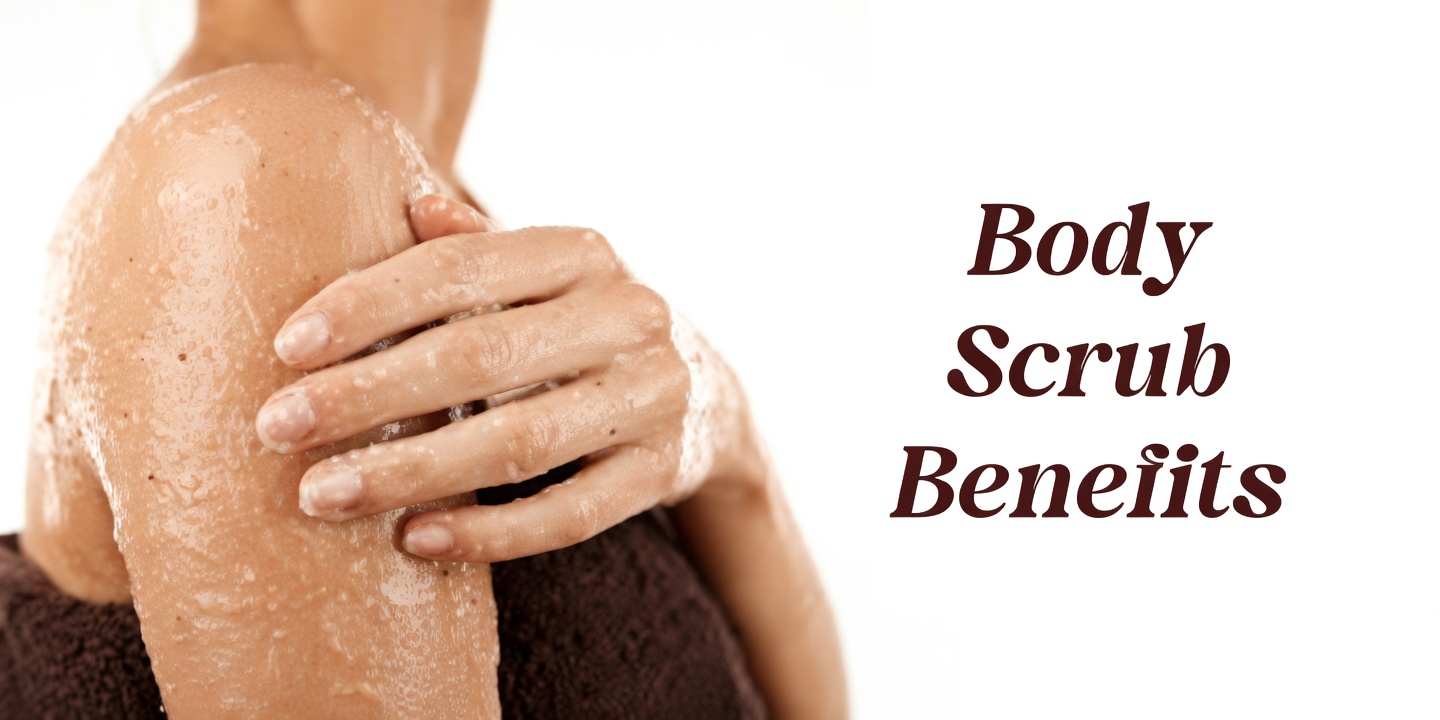
How Petroleum Jelly and Salt Work Together in a DIY Scrub
When mixed, petroleum jelly and salt form a spreadable, grainy paste. Each ingredient plays a specific role:
- Salt crystals act as a mild physical exfoliant, helping to polish off dull surface cells.
- Petroleum jelly cushions the exfoliation, reduces friction, and helps trap moisture in the skin afterward.
Many people like this combination for DIY body care because skin can feel smoother and softer after rinsing. It’s especially popular for:
- Heels and soles of the feet
- Rough knuckles and hands
- Elbows and knees
That said, everyone’s skin responds differently. The pressure you use and how often you exfoliate both matter. Overdoing it or scrubbing too aggressively can lead to irritation.
DIY Petroleum Jelly and Salt Scrub: Step-by-Step
If you want to test this at home, here is a simple approach inspired by common usage guidelines:
-
Gather your supplies
- Pure petroleum jelly (e.g., Vaseline)
- Coarse sea salt for stronger exfoliation, or finer salt for a milder scrub
- A clean bowl and spoon for mixing
-
Measure your ingredients
- Start with about 2 tablespoons of petroleum jelly
- Add 1 tablespoon of salt
- Adjust the ratio as needed:
- More salt = more intense scrub
- More petroleum jelly = softer, creamier texture
-
Mix until combined
- Stir thoroughly until the salt particles are evenly distributed.
- The mixture should feel gritty but still easy to spread.
-
Prep your skin
- Take a warm shower or soak in a bath to soften the skin and help loosen dead cells.
- Pat the skin so it’s damp, not dripping.
-
Apply the scrub gently
- Scoop a small amount into your hand.
- Massage over damp skin using light, circular motions.
- Focus on rough body areas such as:
- Elbows
- Knees
- Heels and feet
- Avoid sensitive or compromised skin, such as cuts, rashes, or sunburn.
-
Rinse thoroughly
- Wash off with lukewarm water until all salt grains are removed.
- Gently pat the skin dry with a towel.
-
Seal in moisture
- You may find the petroleum jelly leaves a slight moisturizing film.
- If needed, apply your usual body lotion or cream on top.
For most people, using this scrub no more than 1–2 times per week is enough. More frequent use may lead to over-exfoliation and barrier disruption.
Potential Benefits of a Petroleum Jelly and Salt Scrub
People often turn to this DIY blend for several reasons:
-
Mild physical exfoliation
Salt grains can help remove dead, flaky skin at the surface, which may make the skin look smoother and feel softer. -
Hydration support
Petroleum jelly helps minimize moisture loss and reinforces the skin’s barrier, which is especially useful after exfoliation. -
Low cost and easy to find
Both ingredients are common household items, making this an accessible option. -
Adjustable for different areas
You can switch between coarse and fine salt, or change the proportions, to suit various body zones.
Research on physical exfoliants indicates that, when used properly, they can improve the feel and appearance of skin texture. Likewise, occlusive moisturizers like petroleum jelly are well known in dermatology for supporting a healthy skin barrier.
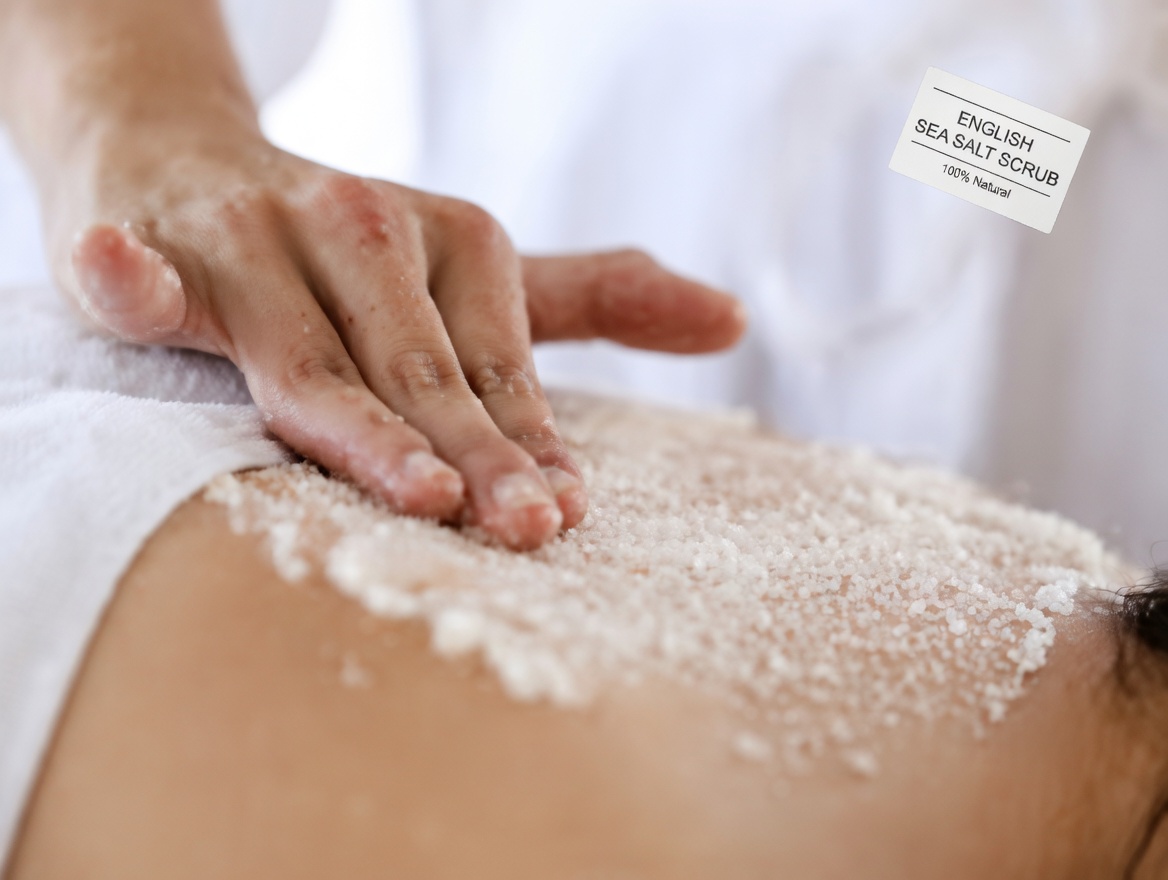
Important Precautions and Who Should Be Cautious
Even though many people tolerate this mixture well, it is not suitable for everyone, and it must be used carefully. Salt is inherently abrasive, so keep in mind:
-
Avoid the face
Facial skin is thinner and more sensitive, especially if you have acne, rosacea, or irritation. A salt scrub can be too harsh. -
Always perform a patch test first
- Apply a small amount of the mixture to the inner forearm.
- Leave it on briefly, then rinse.
- Monitor the area for at least 24 hours.
- If you notice redness, stinging, itching, or a rash, do not use it on larger areas.
-
Do not apply on compromised skin
Skip this scrub on:- Open cuts or wounds
- Areas with active eczema, psoriasis, or infections
- Recently shaved, waxed, or sunburned skin
-
Use moderation
Over-exfoliating—whether with salt, sugar, or other scrubs—can weaken the skin barrier, increase dryness, and cause sensitivity.
People with very dry, sensitive, or eczema-prone skin may appreciate the moisturizing effect of petroleum jelly but should consult a dermatologist or healthcare provider before using a salt-based scrub.
How This Scrub Compares to Other Exfoliating Options
There are many ways to exfoliate. Here’s how this DIY option stacks up against some common alternatives:
-
Petroleum Jelly + Salt Scrub
- Pros: Inexpensive, moisturizing, effective for rough body areas.
- Cons: Can be too abrasive for sensitive skin or the face; texture depends on how you mix it.
-
Petroleum Jelly + Sugar Scrub
- Pros: Sugar crystals are often softer, and they dissolve more readily in water, which may make this option gentler.
- Cons: Still a physical exfoliant—overuse can irritate.
-
Commercial Body Scrubs
- Pros: Often formulated with specific particle sizes, added oils, humectants, or soothing ingredients.
- Cons: May contain fragrance, dyes, or other additives that can irritate sensitive skin; usually more expensive.
-
Chemical Exfoliants (e.g., AHAs like glycolic or lactic acid)
- Pros: Work by dissolving the bonds between dead skin cells rather than scrubbing them off; can offer more even exfoliation.
- Cons: Require careful use, sun protection, and may sting or cause sensitivity, especially when overused.
Your ideal option depends on your skin type, tolerance, and which areas you’re treating. Many people use a combination of physical and chemical exfoliation on different parts of the body.
Should You Add a Petroleum Jelly and Salt Scrub to Your Routine?
A simple petroleum jelly and salt scrub can be an easy, low-cost way to add gentle exfoliation and moisture support to your weekly body care routine. Many people enjoy how it can soften stubborn rough spots without needing specialized products.
Approach it thoughtfully: start slowly, patch test, pay attention to how your skin responds, and adjust how often you use it. The goal is comfortable, healthy skin—not aggressive scrubbing.
FAQ
Is petroleum jelly safe for daily skin use?
Yes. Refined petroleum jelly is generally considered safe and non-comedogenic for most people when used as a moisturizer, according to dermatological literature. However, if you’re acne-prone or very sensitive, it’s wise to introduce it gradually and observe how your skin reacts.
Can I use this scrub on my face?
It’s usually not recommended for the face. Facial skin is more delicate, and salt can be too rough. For facial exfoliation, choose products specifically formulated for the face or seek advice from a dermatologist.
How often should I use a salt-based scrub?
For most people, 1–2 times per week is enough. Using it more frequently can lead to irritation or dryness. Always follow with adequate hydration and stop using the scrub if you notice persistent redness, burning, or discomfort.