A Natural Way to Cover Gray Hair Without Harsh Chemicals
Gray hair can appear sooner than expected, and for many people, those silver strands bring frustration and a loss of confidence. While chemical hair dyes may seem like the fastest solution, they often come with downsides such as dryness, breakage, and scalp discomfort. Over time, repeated coloring can leave hair looking and feeling more damaged.
Fortunately, there is a gentler option with deep roots in Indian beauty traditions. A henna-based hair mask offers a natural method to enhance color, improve shine, and support healthier-looking hair without relying on aggressive chemical ingredients.
In this article, you’ll learn why henna for gray hair remains a trusted choice, how it works, and how to make a simple DIY henna hair mask at home for stronger, glossier strands.
Why Henna Is So Widely Used in Hair Care
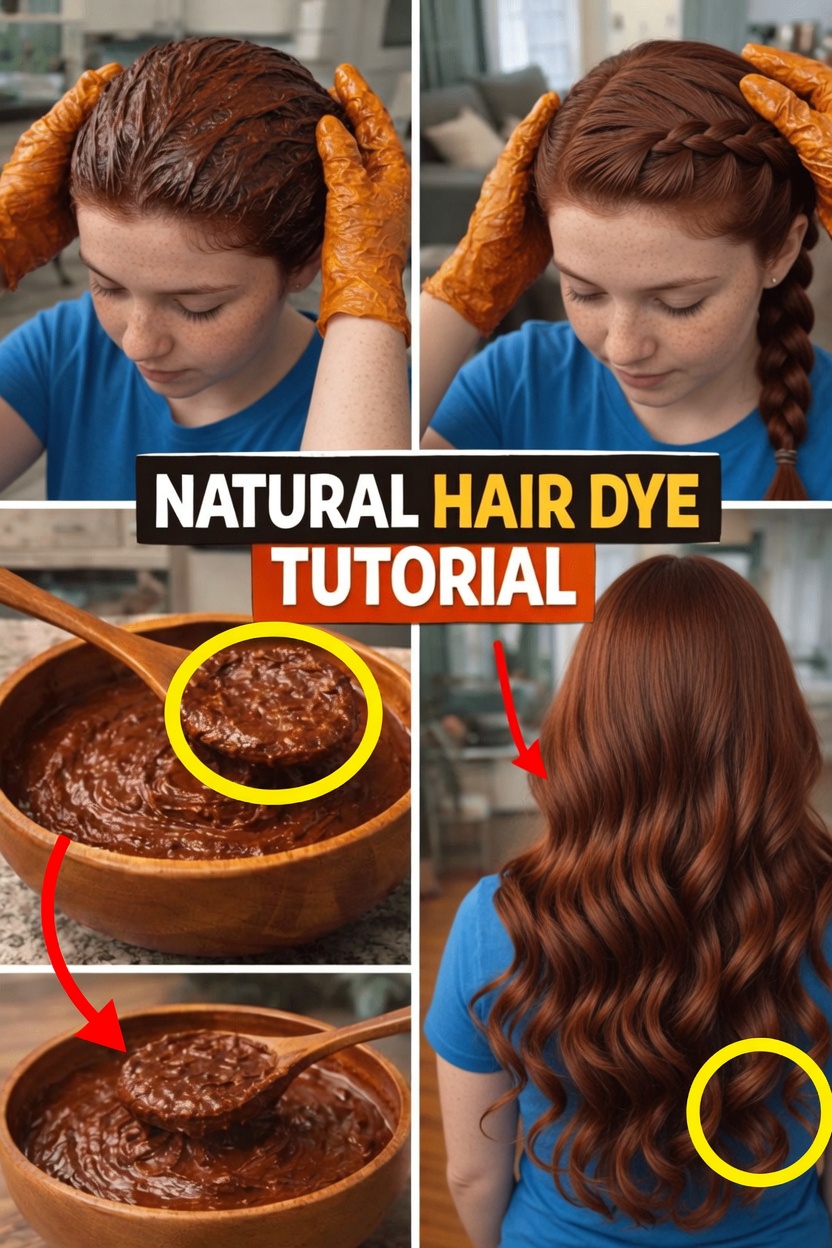
Henna is made from the leaves of the Lawsonia inermis plant. For centuries, it has been used across India and other parts of the world for body art and natural hair coloring. Once the dried leaves are ground into powder and mixed with liquid, they release a pigment called lawsone, which coats the hair and creates warm reddish-brown tones.
One reason natural henna hair treatment is so popular is that it does more than add color. Pure henna may help smooth the outer layer of the hair, which can lead to better shine and a silkier texture. Unlike many chemical dyes that penetrate deeply into the hair shaft and may weaken it, henna mainly forms a coating around the hair, giving both color and conditioning benefits.
Many users also find that regular henna use makes their hair feel fuller, softer, and easier to manage. In addition, studies on plant-based ingredients, including henna, suggest antioxidant properties that may help maintain a healthier scalp environment.
Benefits of a Henna Hair Mask
If you are looking for a more natural alternative to commercial dyes, a henna hair mask offers several advantages:
- Adds rich, warm color that helps blend gray hair naturally
- Enhances shine by smoothing and coating the hair shaft
- May reduce breakage and improve manageability over time
- Conditions the hair, leaving it softer to the touch
- Avoids ammonia, peroxide, and other harsh chemicals commonly found in boxed dyes
With consistent use, many people notice that their hair appears healthier, less frizzy, and more vibrant. Even better, henna can be combined with simple kitchen ingredients to create a more nourishing treatment.
How Henna Colors Gray Hair
Gray hair can be difficult to color because it no longer contains its natural pigment. Henna works differently from synthetic dyes. Its pigment binds to the keratin in the hair, gradually depositing color with each use.
On gray strands, henna often creates copper, auburn, or warm reddish highlights instead of a flat, one-tone finish. This can make the hair look more dimensional and natural rather than overly processed.
In traditional Indian hair care, some people deepen the result by layering henna applications or blending henna with other natural ingredients. This allows them to achieve a richer shade while still avoiding harsh chemicals.
Quick Comparison of Hair Coloring Options
- Chemical dyes — Deliver rapid color change, but may strip moisture and weaken hair
- Henna-based masks — Build color gradually while conditioning and strengthening the hair
- Temporary sprays — Offer fast coverage but wash out quickly and provide no real nourishment
For those who want both hair color and hair care, henna stands out as a practical natural solution.
How to Make a Henna Hair Mask at Home
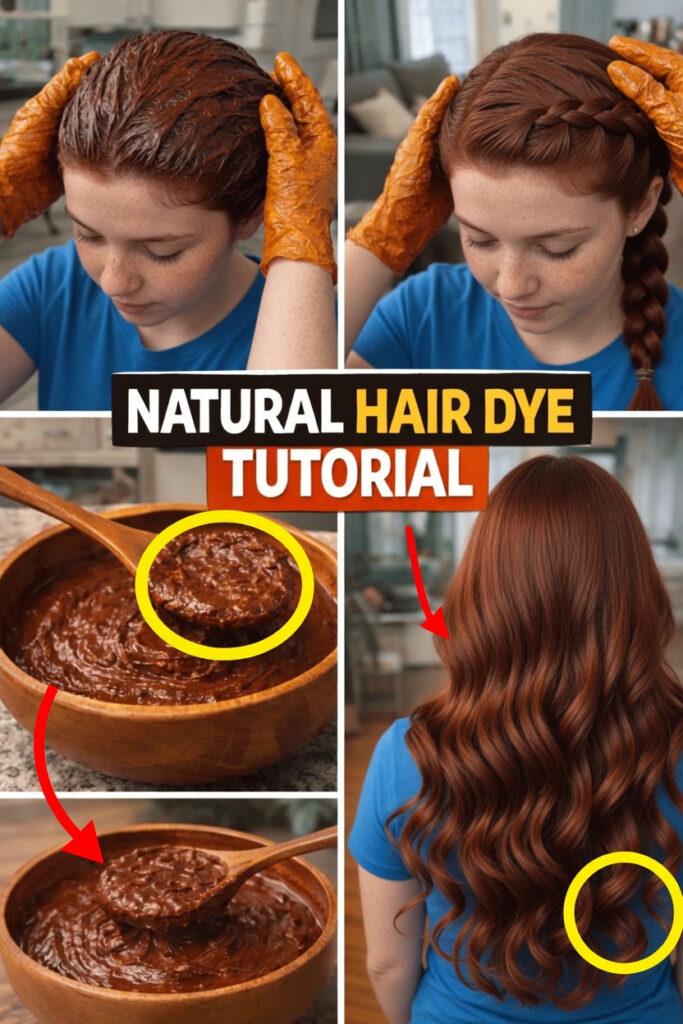
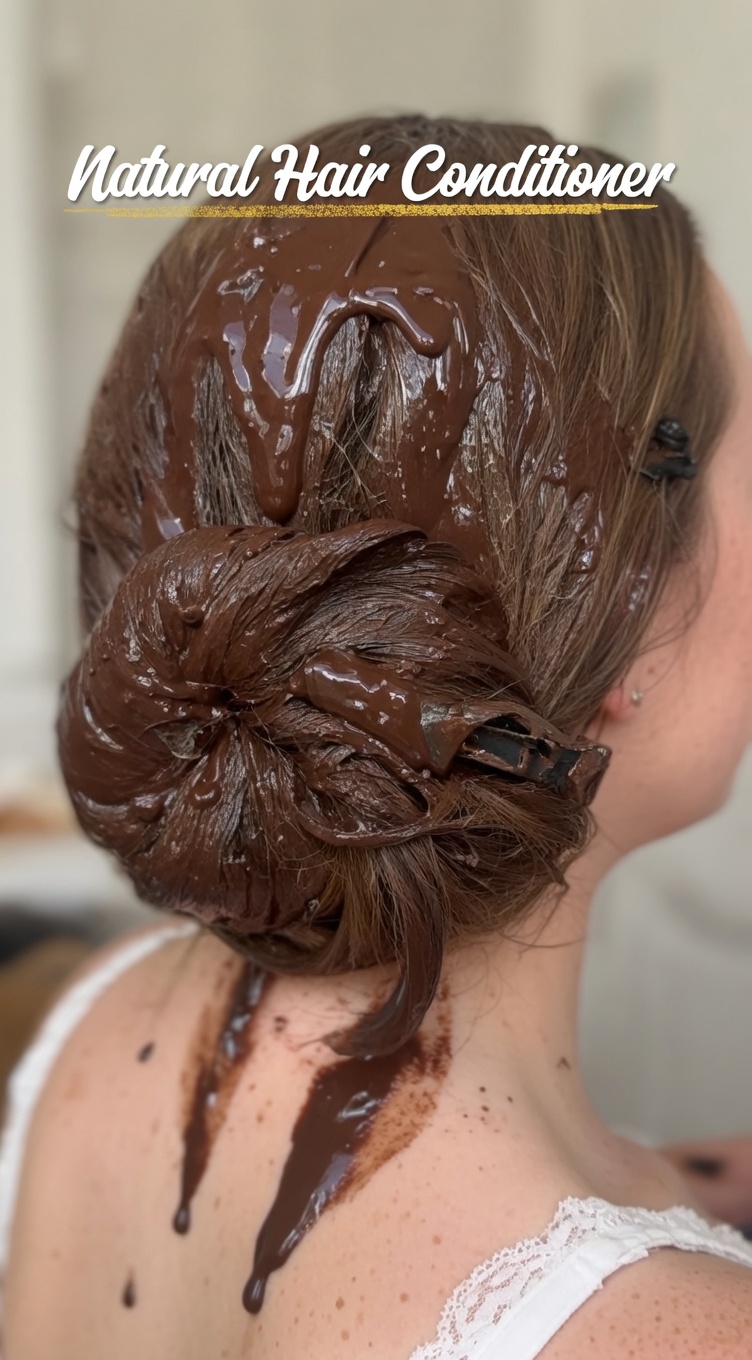
If you want to try a DIY henna hair mask, the process is simple. Using pure henna powder and a few basic ingredients, you can create a treatment that supports both color and shine.
Important: Always do a patch test before full use to make sure your skin does not react.
Ingredients for Medium-Length Hair
- 4 to 6 tablespoons pure henna powder (body-art quality, with no additives)
- 1 to 2 cups warm water, or strong black tea or coffee for deeper tones
- 1 to 2 tablespoons lemon juice or yogurt to help release the dye
- Optional: 1 tablespoon coconut oil or olive oil for added softness
Step-by-Step Henna Hair Mask Recipe
- In a non-metal bowl, slowly combine the henna powder with the warm liquid.
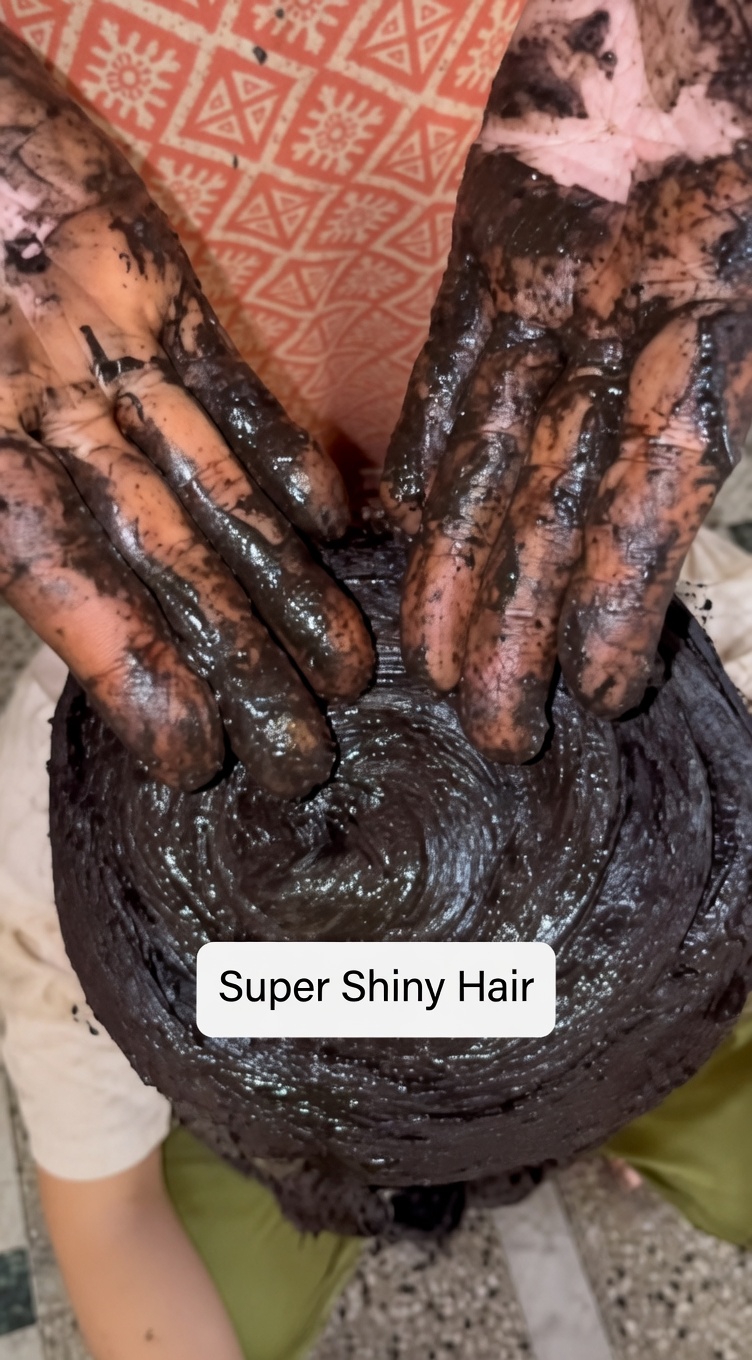
- Stir until you get a smooth paste with a texture similar to yogurt.
- Add the lemon juice or yogurt and mix thoroughly.
- Cover the bowl and let the mixture rest for 4 to 8 hours, or overnight, so the dye can fully release.
- If you are using oil, mix it in just before application.
- Divide clean, dry hair into sections.
- Wearing gloves, apply the paste from roots to ends.
- Cover your hair with a shower cap.
- Leave the mask on for 2 to 6 hours, depending on how deep you want the color.
- Rinse well with water only. It is best not to shampoo immediately afterward.
If you are using henna for the first time, begin with a shorter application time. Many people notice that the final shade continues to develop over the next 24 to 48 hours.
Tips to Get Better Color and Longer-Lasting Results
To get the most from your henna treatment for gray hair, follow these tips:
- Choose fresh, high-quality henna from a trusted source
- Apply to clean hair for a more even result
- Avoid shampooing for at least 48 hours after rinsing
- Reapply every 4 to 6 weeks to maintain the color
- Protect hair from strong sun exposure, which can fade natural tones more quickly
Some people also add ingredients like amla powder for extra conditioning or coffee for slightly darker results. If you experiment, do so gradually to better understand how your hair responds.
Things to Know Before Using Henna
Pure henna is generally considered gentle, but results can vary depending on hair texture and hair type. Coarse, resistant, or heavily gray hair may need more than one application before the color becomes noticeable.
Although uncommon, allergic reactions are still possible, which is why a skin test is essential before full application.
It is also important to avoid products labeled as black henna. These often contain added chemicals such as PPD, which can irritate the skin and scalp. For safety, stick with pure red henna without synthetic additives.
Final Thoughts: A Gentle Approach to Gray Hair
Using henna is a time-honored way to color gray hair while also caring for it. Instead of exposing your strands to harsh ingredients, you can choose a more natural path that supports shine, softness, and strength.
For many people, a natural henna hair mask becomes more than just a coloring method. It becomes part of a healthier hair routine that delivers subtle beauty and greater confidence. If you want a traditional, chemical-free way to refresh your hair, henna is well worth considering.
FAQ
How long does henna last on hair?
Henna color usually lasts 4 to 8 weeks, depending on how porous your hair is and how often you wash it. It typically fades slowly and naturally rather than leaving a harsh root line.
Is henna safe for a sensitive scalp?
Pure henna is often milder than chemical hair dye, but it is still best to test a small area first. If you have a very sensitive scalp or a history of reactions, consult a professional before use.
Will henna make my hair bright red?
Not usually. On most hair types, henna creates warm auburn, copper, or reddish-brown tones. The final result depends on your original hair color and any natural ingredients mixed into the mask.