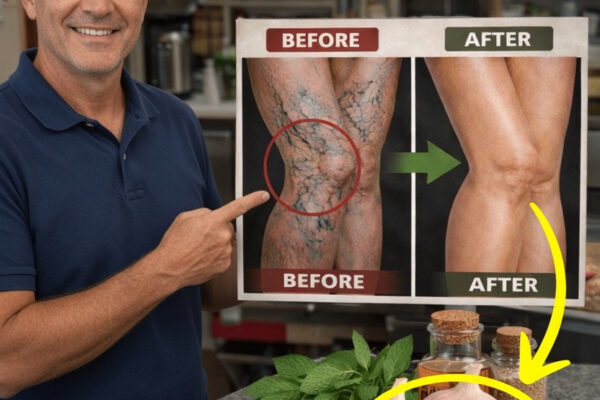
Natural Herbs That May Support Better Leg Circulation
Many people experience heavy, tired, or uncomfortable legs after long periods of sitting or standing. This becomes even more common with age or a less active lifestyle. When your legs feel sluggish, even simple daily activities can seem harder, and by the end of the day you may feel completely worn out.
The encouraging news is that several natural herbs have been studied for their potential to support healthy blood flow and circulation. Even better, adding them to your routine can be surprisingly easy. Below, you’ll discover some of the most promising options and simple ways to use them.
Why Healthy Leg Circulation Is Important
Proper circulation helps carry oxygen and nutrients to muscles and tissues throughout the body. When blood flow is less efficient, your legs may feel heavy, fatigued, or less comfortable during normal movement.
Supporting circulation naturally may help you feel more energetic, mobile, and comfortable from morning to evening. While herbs are not a cure, small additions to your daily habits can sometimes make a meaningful difference when combined with an overall healthy lifestyle.
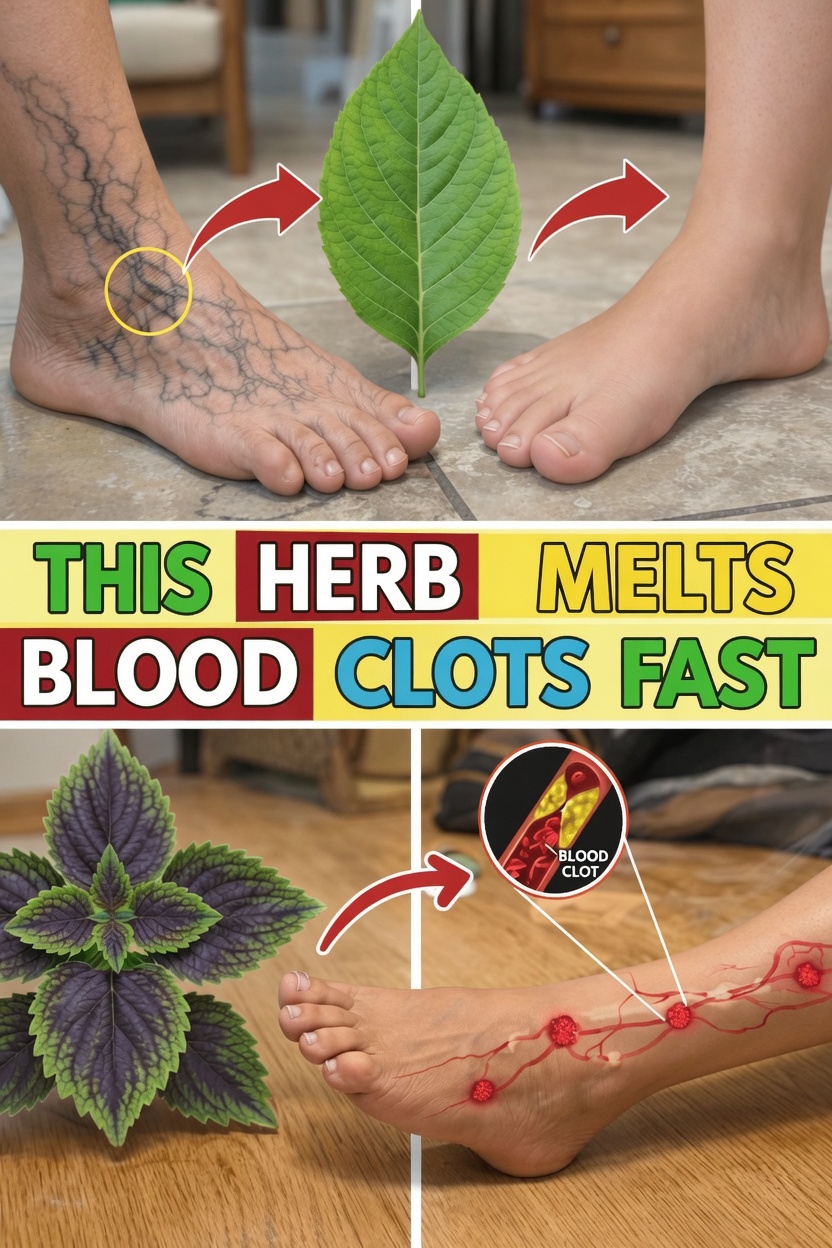
Best Herbs for Leg Comfort and Blood Flow Support
Both traditional herbal medicine and modern research highlight several herbs that may help encourage healthy circulation. Results are different for everyone, but these options are among the most widely discussed for supporting leg comfort and vascular health.
1. Perilla Leaf (Perilla frutescens)
Perilla leaf, also known in some cuisines as shiso, has long been used in food and wellness practices. Research in animal models suggests that perilla oil may help reduce platelet aggregation by influencing thromboxane production. A 2014 study published in Laboratory Animal Research explored this effect, while a 2023 study found that perilla may extend clotting time and lower cell adhesion markers in rat thrombosis models.
These findings suggest that perilla could support smoother blood movement, though it should not be viewed as a dramatic or instant solution. One of the easiest ways to try it is by adding fresh perilla leaves to salads, soups, or herbal teas.
2. Horse Chestnut Seed Extract
Horse chestnut is one of the best-known herbal options for leg vein support. A Cochrane review covering multiple studies found that horse chestnut seed extract often helped reduce leg pain and swelling in people with venous problems.
Its active compound, aescin, is believed to support vein wall strength and improve blood return from the legs. In several studies, participants reported less heaviness and easier walking after consistent use over a few weeks. Standardized supplements are the most common form, and it is important to choose products from reliable brands.
3. Ginkgo Biloba
Ginkgo biloba is widely recognized for its role in supporting peripheral circulation. Research summarized by WebMD suggests that ginkgo may help relax blood vessels while also offering antioxidant benefits.
This combination may improve circulation to the extremities, which can help legs feel less cold and less tired. Ginkgo has a long history of traditional use, and some modern studies support its vascular effects. Capsule or tablet extracts are popular because they are simple to take regularly.

4. Ginger Root
Ginger is a familiar herb with a naturally warming effect that many people notice quickly. Research suggests that compounds in ginger may promote vasodilation and help reduce inflammation that can affect healthy blood flow.
It is often associated with improved circulation in the hands and feet, and these benefits may also support the legs. Ginger tea is one of the easiest ways to use it consistently. It also blends well into soups, stir-fries, and smoothies, making it easy to include in everyday meals.
5. Cayenne Pepper
Cayenne pepper gets its heat from capsaicin, a compound often linked to circulation support. According to information reviewed by Healthline, capsaicin may stimulate nitric oxide release, helping blood vessels relax and allowing blood to move more freely.
Some research connects cayenne with improved circulation and even mild blood pressure effects in certain individuals. A small amount added to meals or taken in capsule form can be a practical way to build tolerance gradually. Many people especially appreciate its warming effect during colder weather.
Simple Ways to Use These Herbs Safely
Using herbs does not need to be complicated. The best approach is to start with small amounts and pay attention to how your body responds over the next couple of weeks.
Here are a few practical ideas:
- Add chopped fresh perilla leaves to salads or soups a couple of times per week.
- Make ginger tea by simmering sliced fresh ginger in water for about 10 minutes, then drink one cup in the morning or evening.
- Sprinkle a small pinch of cayenne into eggs, roasted vegetables, or soups for a gentle warming effect.
- Choose a standardized horse chestnut supplement and follow the label directions used in clinical research.
- If approved by your doctor, take ginkgo extract with breakfast and monitor any changes in leg comfort.
These steps take very little extra time and may help you feel lighter and more comfortable on your feet.
Signs Your Legs May Need Circulation Support
Some common signs may suggest your legs could benefit from better circulation support, including:
- Heavy or aching legs by the end of the day
- Swelling around the ankles after long periods of sitting
- Cold feet even when the room feels warm
- Visible veins that feel sensitive or tender
- Leg fatigue that improves after elevating your feet
Noticing these early signs can help you explore supportive habits sooner rather than later.

Tips to Boost Results Naturally
Herbs often work best when paired with healthy daily habits. To support circulation more effectively, try combining them with:
- Regular walking or light movement throughout the day
- Drinking enough water to stay hydrated
- Avoiding sitting or standing in one position for too long
- Elevating your legs when they feel tired
- Eating a balanced diet rich in whole foods
This combination often provides better overall support than relying on any single herb alone.
Important Precautions Before Using Herbal Supplements
Although natural herbs can be helpful, they are not risk-free. Some may interact with medications, particularly blood thinners. If you are pregnant, breastfeeding, or managing a medical condition, speak with a healthcare professional before using supplements.
Keep these precautions in mind:
- Begin with low amounts to reduce the chance of digestive discomfort or sensitivity
- Stop use if you notice allergic reactions or unusual symptoms
- Select third-party tested products whenever possible
- Do not treat herbs as replacements for medical care or prescribed treatment
Professional guidance should always come first, especially if you already have circulation concerns.
Final Thoughts on Herbs for Leg Circulation
Perilla, horse chestnut, ginkgo biloba, ginger, and cayenne are five natural herbs often discussed for circulation support and leg comfort. Each offers different properties, and some have stronger research behind them than others.
When used carefully and consistently, these herbs may become a helpful part of a broader wellness routine. Pairing them with movement, hydration, and healthy eating can lead to the best results. For many people, small daily steps are what make the biggest difference in how their legs feel.
Frequently Asked Questions
Can these herbs replace prescription medication for circulation problems?
No. These herbs are meant for general wellness support only. They should never replace medications or treatments recommended by your doctor.
How long does it take to notice results?
Some people report feeling warmer hands or feet within a few days. However, studies on vein comfort and leg heaviness often show changes after about 2 to 8 weeks of regular use.
Are there side effects to watch for?
Yes. Some people may experience mild stomach upset, digestive discomfort, or sensitivity to spicy herbs. Interactions with blood-thinning medications are also possible, so it is best to check with a healthcare provider before starting.