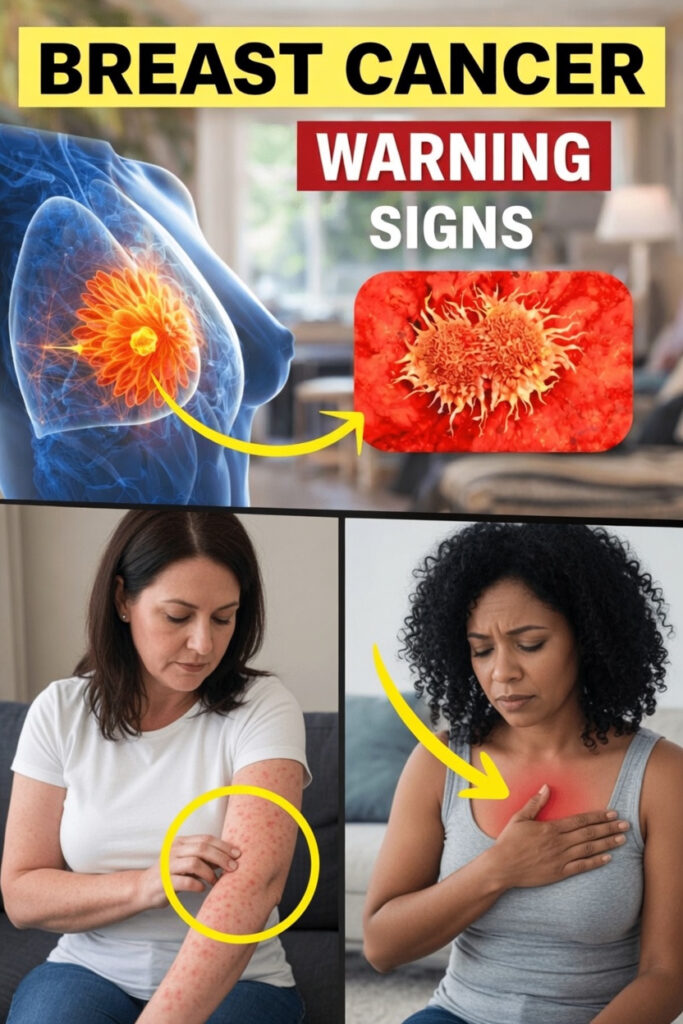
10 Breast Cancer Warning Signs Every Woman Should Know
Breast cancer continues to be one of the most widely discussed women’s health concerns around the world. When someone notices a change in her breasts, it can quickly lead to confusion, fear, or even postponing an important medical appointment. Understanding the most common warning signs can make those moments less overwhelming and help you make informed choices about your health.
What may surprise you is that recognizing unusual changes does not have to be complicated. With a simple monthly routine, it becomes much easier to notice what is different. You will find that expert-recommended habit later in this article.
Why Awareness of Breast Changes Is So Important
Organizations such as the American Cancer Society and the Centers for Disease Control and Prevention emphasize the value of knowing how your breasts normally look and feel. Breasts naturally change over time due to hormones, aging, and many other everyday factors. Still, being aware of your personal baseline can help you identify anything unusual sooner and reduce unnecessary worry.
Early attention does not mean assuming the worst. In fact, many breast changes are non-cancerous. However, staying alert and informed can make conversations with healthcare professionals more productive and timely.
That is why it helps to know which signs deserve closer attention.
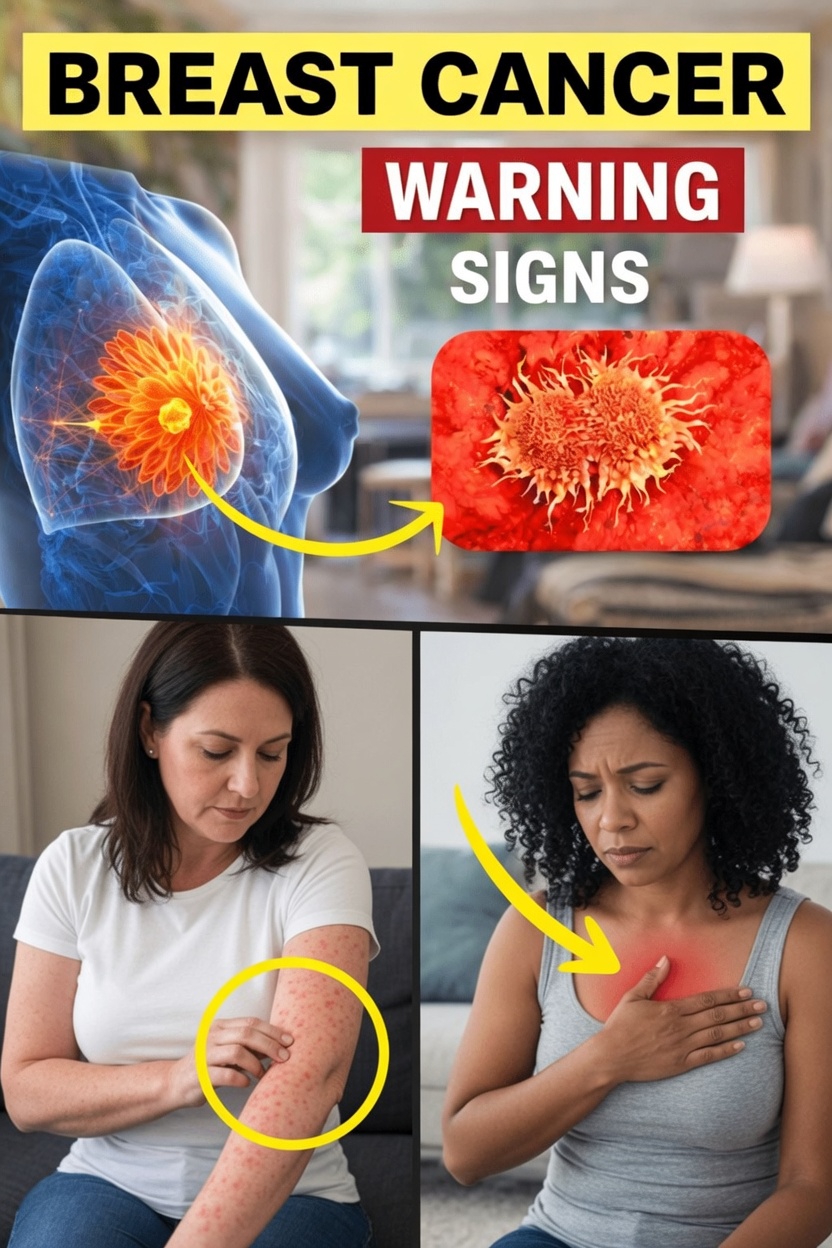
10 Important Breast Cancer Warning Signs to Watch For
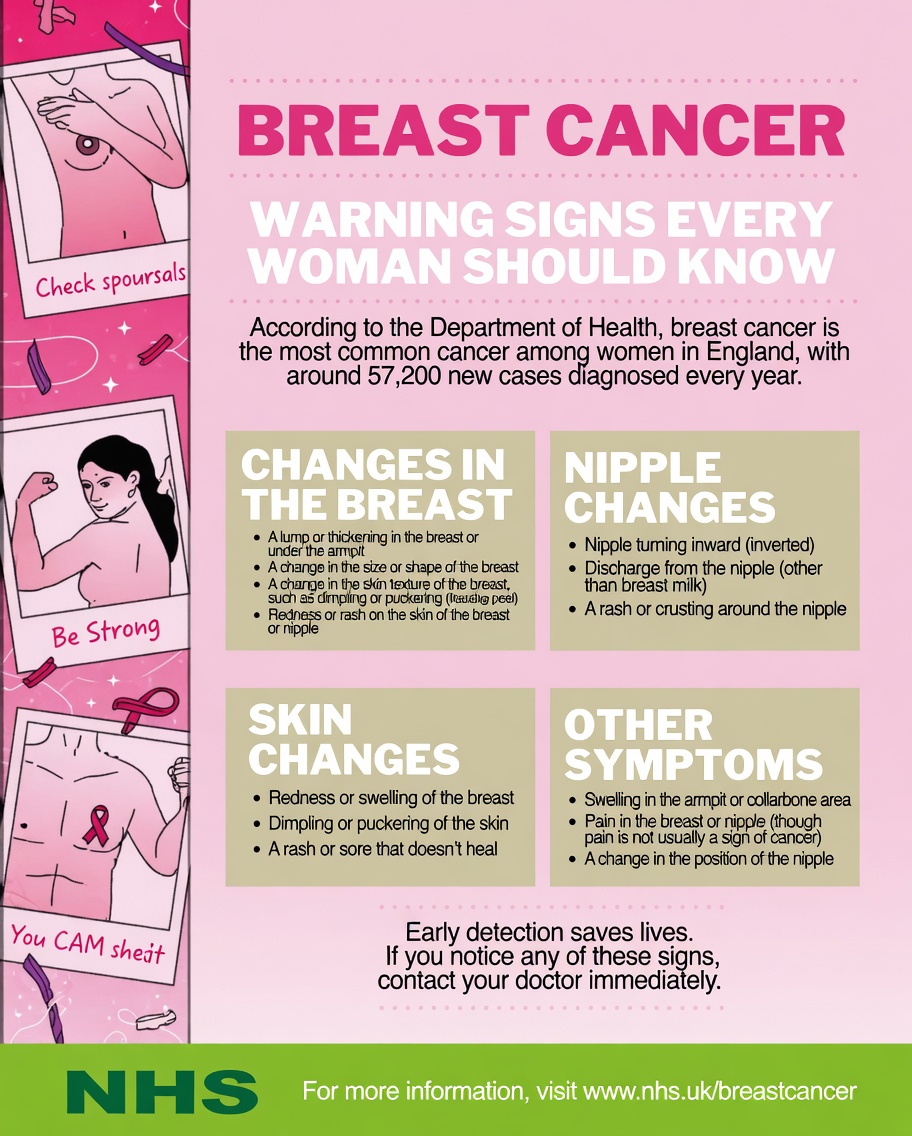
Below are ten changes health experts commonly recommend paying attention to. These symptoms can have causes other than cancer, but any new or ongoing change should be discussed with a doctor.
1. A New Lump or Thickened Area in the Breast or Underarm
One of the most frequently noticed changes is a new lump, mass, or area of thickening in the breast or armpit. It may feel harder than the surrounding tissue or simply seem different from what is normal for you. Although many lumps are benign, any new one should be evaluated promptly.
2. Swelling in All or Part of the Breast
Unexplained swelling or fullness in one breast can be an important sign. Sometimes this happens even when no obvious lump is present. In some cases, the swelling may involve just one section, while in others it affects a larger portion of the breast.
If this swelling continues or appears without a clear reason, it is worth getting checked.
3. Dimpling or Puckering of the Skin
A subtle change in the skin’s surface can also matter. The breast skin may start to look dimpled, indented, or similar to the texture of an orange peel. This may be easier to notice when raising your arms or changing position in front of a mirror.
These skin changes can appear even when there is no pain.
4. Redness, Warmth, or a Rash-Like Change
Redness over part of the breast, unusual warmth, or a rash that does not improve should not be ignored. Some breast conditions can cause inflammation that looks similar to irritation or infection, making it important to track any symptom that persists.
5. Nipple Retraction or a Newly Inverted Nipple
If your nipple suddenly turns inward or begins pointing in a different direction, that is a change to note. Some people naturally have inverted nipples, but if this is new for you, it should be mentioned to your healthcare provider.
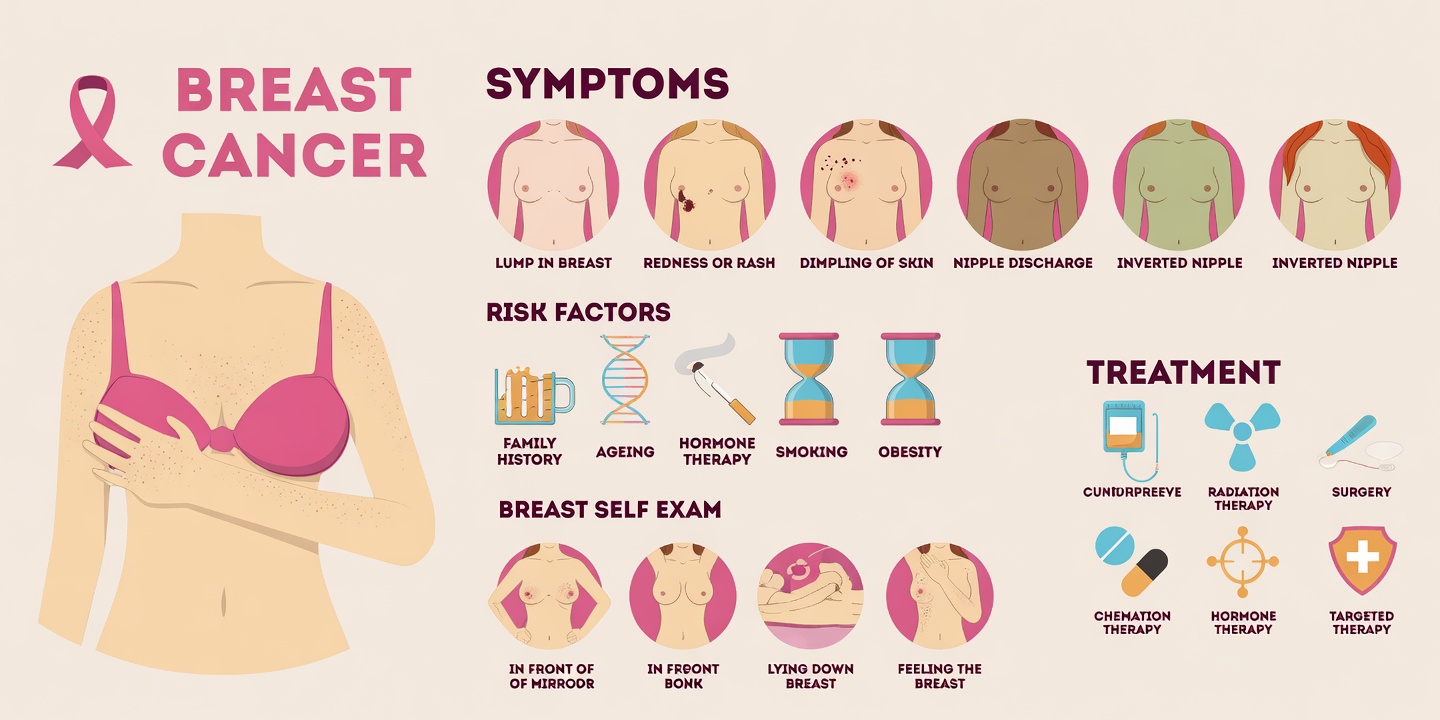
6. Unusual Nipple Discharge
Any fluid coming from the nipple that is not breast milk deserves attention, especially if it is clear, bloody, or appears without squeezing. Discharge affecting only one breast can be particularly important to monitor.
There are many possible explanations, but a medical evaluation can help determine the cause.
7. Ongoing Breast or Nipple Pain
Breast discomfort is common and often linked to hormonal changes. However, pain or tenderness that does not match your menstrual cycle, lasts longer than expected, or appears with other symptoms should be discussed with a doctor.
Pain alone is not usually the only sign, but it still matters when it is persistent.
8. Flaking, Scaling, or Crusting of the Nipple or Breast Skin
Skin around the nipple may become flaky, scaly, or crusted and fail to improve over time. Because this can resemble common skin irritation, it may be easy to overlook at first. Still, gradual texture changes that remain should not be dismissed.
9. Noticeable Change in Breast Size or Shape
A visible difference in the size, contour, or shape of one breast may also signal a problem. You might notice one breast looking larger, smaller, or uneven in a way that was not there before, especially when dressing or looking in the mirror.
10. Swelling or Lumps in the Armpit or Near the Collarbone
Changes are not limited to the breast itself. Swelling, tenderness, or lumps under the arm or above the collarbone may involve nearby lymph nodes. These areas are important to pay attention to as part of overall breast awareness.
How to Do a Monthly Breast Self-Check
Getting familiar with your breasts only takes a few minutes each month. Experts from organizations like Mayo Clinic and the American Cancer Society often recommend a simple self-check routine to help you notice changes more easily.
Easy steps to follow
-
Stand in front of a mirror in good light.
Look at your breasts with your arms relaxed at your sides, then again with your arms raised overhead. Check for differences in size, shape, skin texture, or nipple position. -
Feel your breasts while lying down.
Use the pads of your three middle fingers to press gently in small circular motions across the entire breast and underarm area. -
Repeat the check in the shower.
Wet, soapy skin can make it easier to feel changes in breast tissue. -
Check each nipple gently.
Lightly squeeze to see whether any unusual discharge appears. -
Do it once every month.
For many women, the best time is a few days after their period ends, when breasts are usually less tender.
The more consistent you are, the easier it becomes to recognize what is normal for your own body.
Everyday Habits That Support Breast Awareness
In addition to monthly self-checks, a few healthy habits can support overall well-being and long-term breast health awareness.
- Stay physically active on most days of the week.
- Eat a balanced diet with plenty of fruits, vegetables, and whole grains.
- Limit alcohol intake and work toward maintaining a healthy weight.
- Follow recommended screenings, including mammograms, based on your age, medical history, and your doctor’s advice.
These small actions can fit naturally into everyday life and contribute to a proactive approach to health.
When You Should Contact a Healthcare Provider
If you notice any of the warning signs listed above, or if something simply does not feel right, contact your doctor as soon as possible. A healthcare professional can assess the change and decide whether imaging, follow-up monitoring, or additional tests are needed.
For many women, getting a professional opinion brings reassurance and a clear next step.
Final Thoughts: Confidence Starts With Awareness
Knowing these 10 breast cancer warning signs can help you respond early to changes and speak with your healthcare team more confidently. When monthly self-checks are combined with recommended screenings, you create a practical and less stressful approach to breast health.
Start with one simple habit today, and build from there.
Frequently Asked Questions
How often should I do a breast self-check?
Many health experts recommend doing a self-check once a month. Choose a regular time, ideally a few days after your period, when breast tenderness is usually lower.
Is breast pain always a sign of something serious?
No. Breast pain is very common and is often caused by hormones or other benign conditions. Still, pain that is unusual, ongoing, or paired with other changes should be evaluated.
What if I notice a change but do not have a family history of breast cancer?
Family history is only one risk factor. Even without it, any new or concerning breast change should be discussed with your doctor so it can be properly assessed.