Feeling Sluggish? Why a Gentle Reset Can Help
After periods of heavy eating, busy schedules, or high stress, it’s common to feel bloated, tired, or not quite like yourself. Modern life—packed with processed foods, environmental pollutants, and constant demands—often leaves us wanting a reset.
Your body already has a sophisticated, built-in detox system. Organs like the liver, kidneys, lungs, and skin are constantly working to filter, process, and eliminate waste. Still, adding nutrient-dense fresh juices made from fruits and vegetables can be a tasty way to increase your intake of vitamins, minerals, and antioxidants.
The key point: fresh juices are most powerful when they’re part of an overall healthy lifestyle, not used as a stand-alone “detox cure.” Keep reading for realistic, sustainable ways to enjoy juices, plus how to avoid common myths.
Why Fresh Juices Can Be a Smart Addition (Without Extreme “Detoxes”)
You don’t need harsh juice cleanses or extreme “detox” programs for your body to do its job. According to reputable medical sources such as the Mayo Clinic, your liver and kidneys are already very efficient at detoxifying—especially when supported by:
- Nutritious, balanced meals
- Adequate hydration
- Quality sleep and stress management
Fresh juices can still play a useful role. When made from whole fruits and vegetables, they can deliver:
- Vitamin C and other antioxidants
- Potassium and additional minerals
- Beneficial plant compounds (phytonutrients) that support general wellness
Some research on short-term juice-based diets has observed:
- Temporary weight fluctuations
- Shifts in gut microbiota
- Increased antioxidant intake
However, these changes are linked to the nutrients in the fruits and vegetables—not to “flushing out toxins.”
One important caveat: traditional juicing removes most of the fiber, which is vital for healthy digestion, stable energy, and gut health. That’s why many people do better when they:
- Use a blender and keep some pulp, or
- Combine juices with fiber-rich whole foods
The real advantages of fresh juice are simple: they’re refreshing, quick to make, and can help you consume more plant foods—something most people worldwide are lacking.
Popular Juice Ideas for Different Wellness Goals
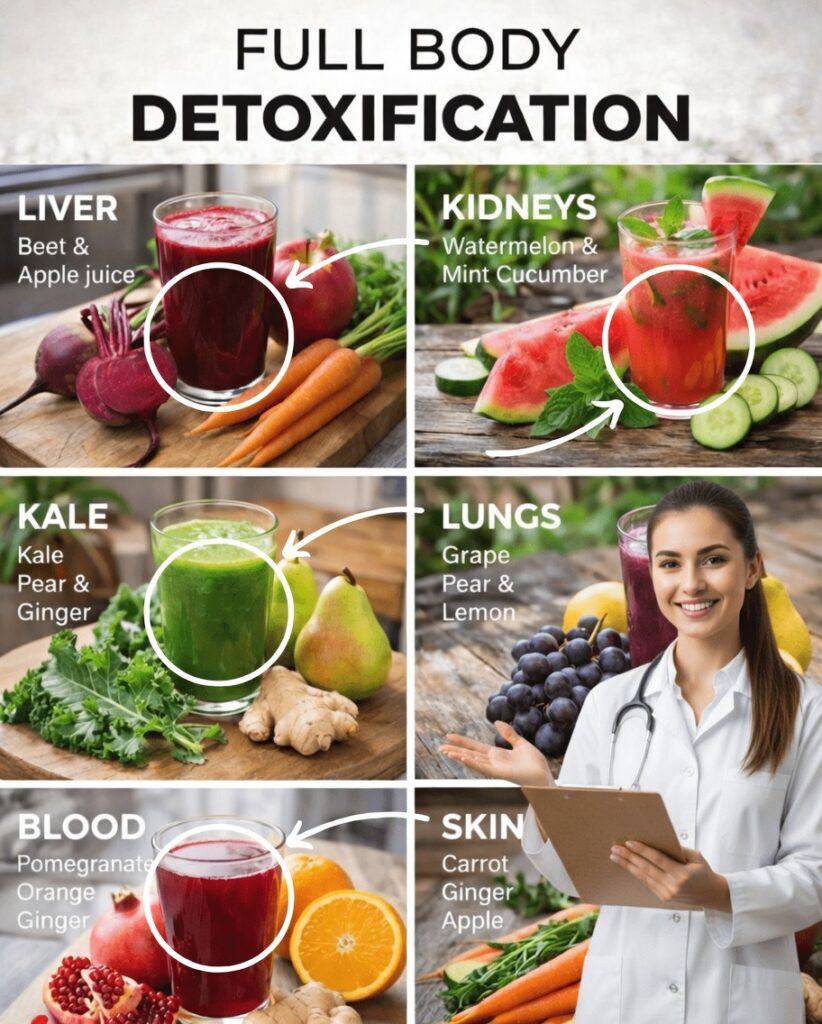
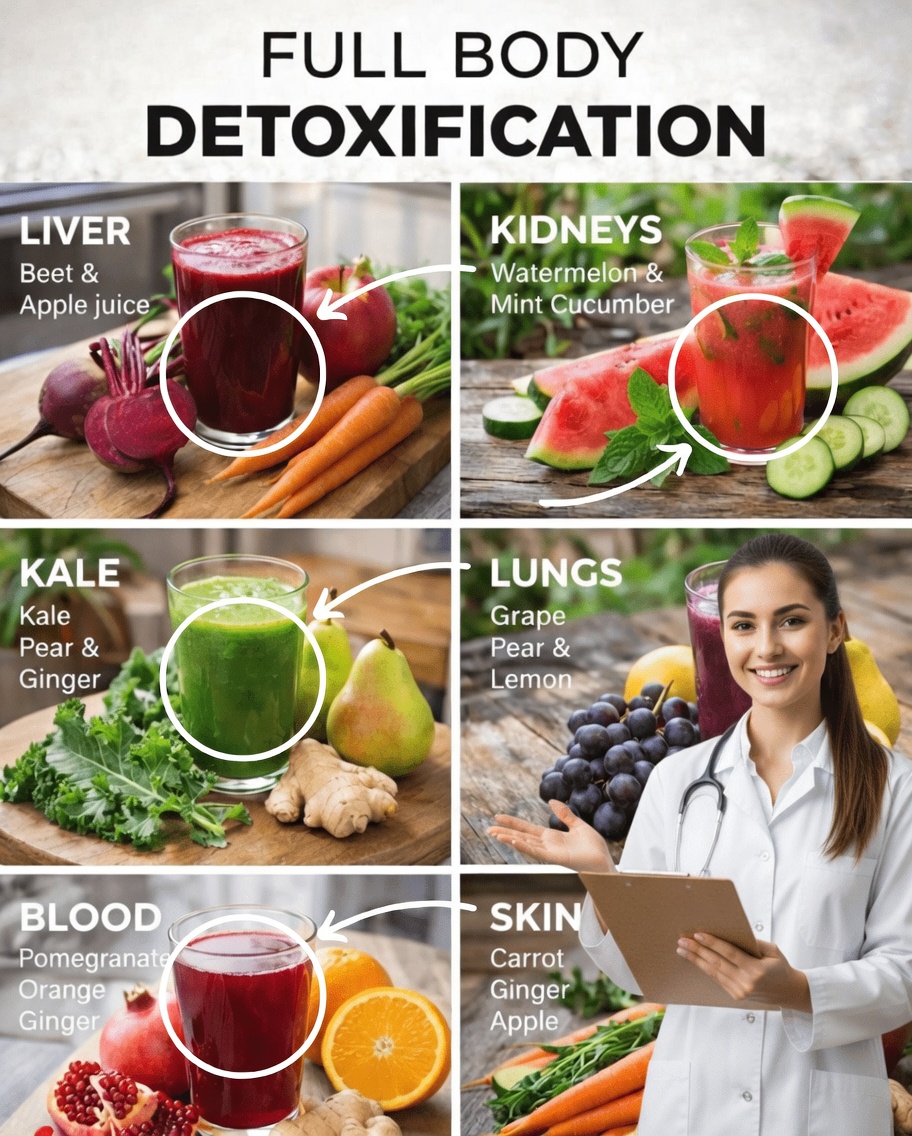
Certain juice combinations are often associated with supporting specific body systems. While no drink can directly “detox” a single organ, the ingredients in these blends provide nutrients that contribute to overall health.
Below are some colorful, nutrient-packed juice ideas and what they bring to the table.
Deep Red Blend: Nutrients Commonly Linked to Liver Support
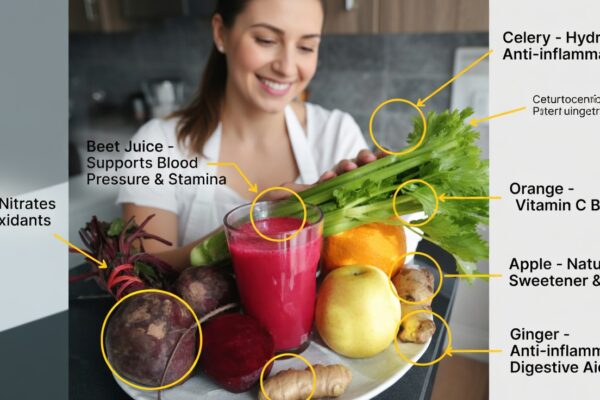
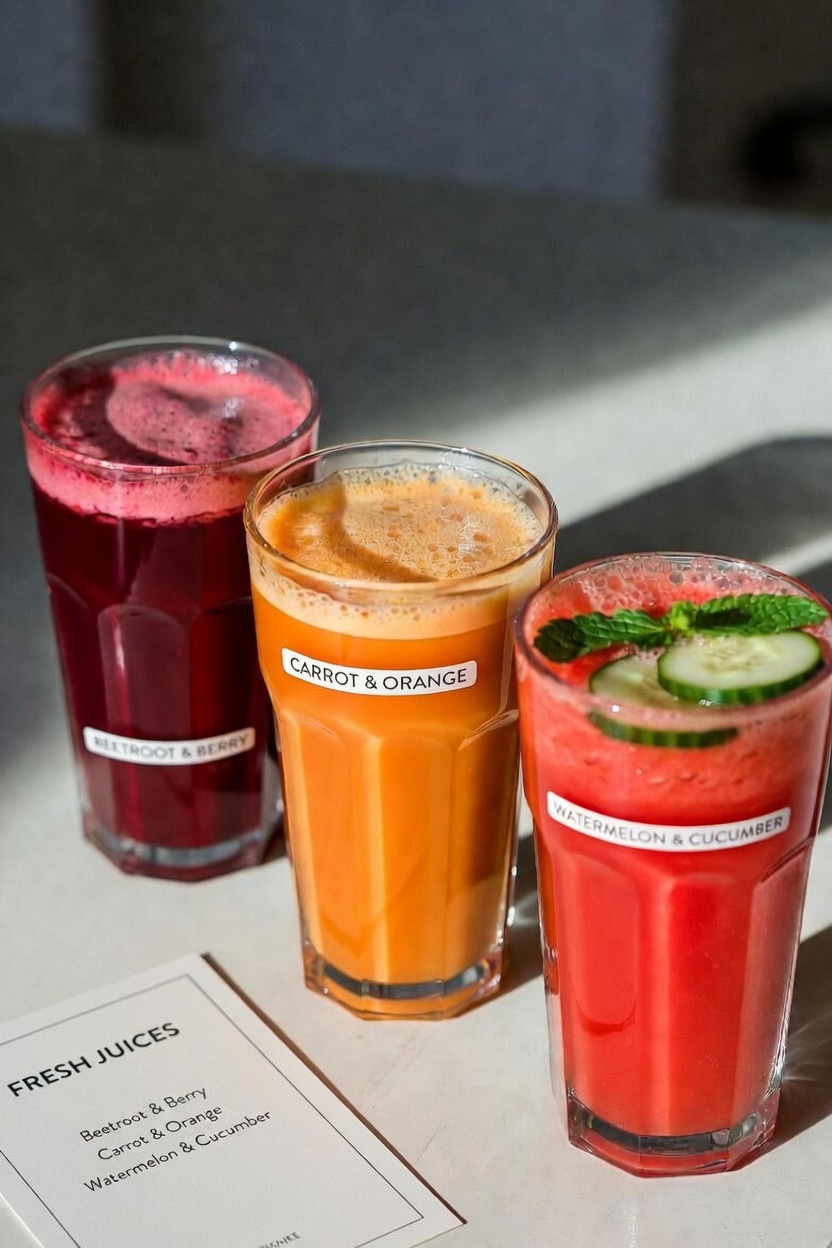
A classic deep red juice often includes beets, apples, and carrots. This trio is popular because:
- Beets contain betalains, compounds studied for their antioxidant and anti-inflammatory properties.
- Apples contribute natural sweetness and, in whole form, pectin—a type of fiber.
- Carrots are rich in beta-carotene, which the body converts into vitamin A.
Together, they create a flavorful drink that helps increase your daily intake of vegetables and plant nutrients.
Try this simple red juice recipe:
- 2 medium beets (peeled)
- 2 apples
- 3 carrots
- A small piece of fresh ginger for extra zing
Juice or blend the ingredients and enjoy right away for the best flavor and nutrient retention.
Cooling Green Hydration: Supporting Kidney Function with Fluids
A light, refreshing combination like watermelon, cucumber, and mint can be especially hydrating:
- Watermelon is mostly water and supplies electrolytes such as potassium, which helps maintain fluid balance.
- Cucumber adds more water content and a mild, cooling taste.
- Mint offers a fresh, cooling sensation that makes the drink even more enjoyable.
Staying hydrated is crucial for kidney health, and drinks like this can encourage you to drink more fluids, especially in hot weather.
Easy hydrating green-ish juice:
- 3 cups watermelon chunks
- 1 cucumber
- 1 handful fresh mint leaves
- A squeeze of lime (optional, for brightness)
Energizing Green Blend: Daily Nutrient Boost
For a vibrant green juice, kale, pear, and ginger are a powerful combo:
- Kale provides vitamins A, C, and K, along with antioxidants and other beneficial plant compounds.
- Pears bring gentle sweetness and, when blended, some fiber.
- Ginger adds warmth and has been studied for its potential anti-inflammatory effects.
This type of juice is ideal in the morning or early afternoon when you want something light yet energizing.
Basic green juice formula:
- 2–3 kale leaves (remove tough stems)
- 2 pears
- 1 piece of ginger (about 1 inch)
- Optional: a squeeze of lemon to brighten the flavor
Bright Orange Blend: Antioxidants for a Healthy-Looking Glow
A sunny orange juice made with carrot, apple, ginger, and orange is a popular choice for skin-supportive nutrients:
- Carrots are rich in beta-carotene, which the body transforms into vitamin A—important for skin and vision.
- Apples provide natural sweetness and phytonutrients such as quercetin.
- Ginger offers a warming kick.
- Oranges are an excellent source of vitamin C, which plays a key role in collagen formation.
Go-to glow juice:
- 4–5 carrots
- 1 apple
- 1 orange (peeled)
- 1 piece of ginger (about 1 inch)
Juice or blend, then consume soon after preparation to make the most of the vitamin C content.
Sweet-Tart Purple Mix: Grapes and Pears
For a juicy, purple-toned drink, grape, pear, and lemon make a delicious combination:
- Grapes contain resveratrol and other antioxidants.
- Pears add mild sweetness and body.
- Lemon contributes vitamin C and a bright, tangy flavor.
This mix is naturally sweet-tart and refreshing, making it a satisfying option between meals.
Simple purple juice:
- 1–2 cups grapes
- 1 pear
- Juice of ½–1 lemon
How to Add Fresh Juices to Your Life in a Healthy Way
You don’t need an all-or-nothing approach to enjoy the benefits of fresh juice. Instead of a strict “juice detox,” focus on steady, realistic habits.
Here are practical guidelines:
-
Start small
Swap one snack or occasional meal with a fresh juice 2–3 times per week instead of jumping into multi-day cleanses. -
Aim for balance
Pair juice with protein and healthy fats (like nuts, seeds, yogurt, or eggs) to help stabilize blood sugar and keep you full. -
Think about fiber
- Use a blender rather than a juicer when possible to keep more fiber.
- Or, enjoy your juice alongside whole fruits, vegetables, or a salad.
-
Stay hydrated overall
Juices contribute to your fluid intake, but they shouldn’t replace plain water. Continue drinking water throughout the day. -
Pay attention to how you feel
If you notice low energy, dizziness, or digestive discomfort when consuming a lot of juice and fewer solid foods, increase your intake of balanced meals. -
Use fresh, clean ingredients
Wash produce thoroughly, use clean equipment, and drink your juice soon after making it to preserve nutrients and flavor.
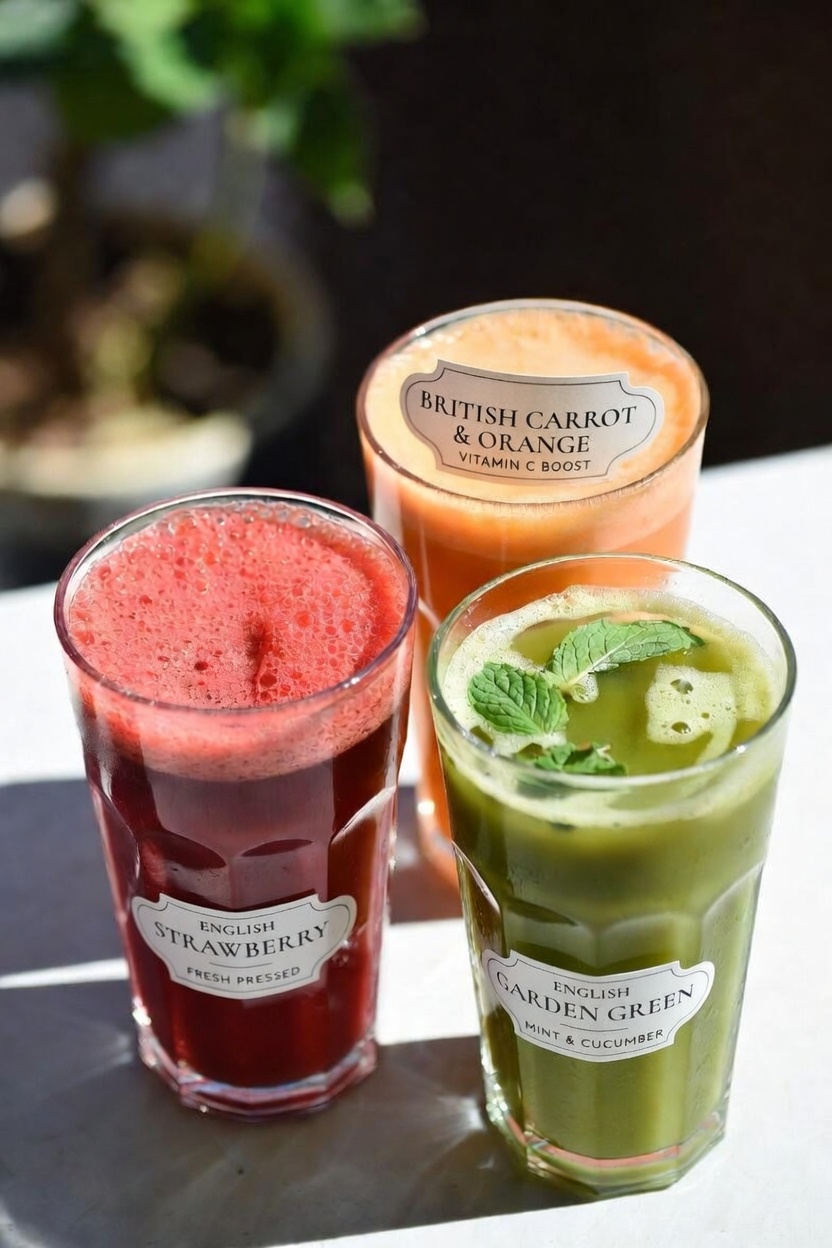
Juicing vs. Blending: What’s the Difference?
Both methods can fit into a healthy lifestyle, but they’re not the same.
| Method | Pros | Cons |
|---|---|---|
| Juicing | Concentrated nutrients, easy to drink, fast absorption | Very low fiber, may not be as filling |
| Blending | Retains fiber, better for satiety and gut health, thicker smoothie-like texture | Slightly slower absorption, thicker consistency not for everyone |
You don’t have to choose one forever—experiment with both and see what works best for your body, schedule, and preferences.
The Takeaway: Consistent Habits Beat Quick Fixes
Fresh fruit and vegetable juices can be a fun, flavorful way to increase your intake of plant nutrients and support your body’s natural processes. The real benefits come when juices are:
- Enjoyed in moderation
- Part of a varied, whole-food diet
- Combined with movement, quality sleep, and stress management
When you focus on long-term, enjoyable routines rather than extreme “detox” promises, you’re far more likely to feel energized, clear-headed, and vibrant over time—thanks largely to the extra plants in your daily life.
FAQ
Are juice cleanses necessary for detoxification?
No. Your liver, kidneys, digestive system, and skin already handle detoxification naturally. Fresh juices can supply beneficial nutrients but are not required for your body to detoxify effectively.
Can I follow a juice “detox” for a long period?
Extending a juice-only regimen for too long is generally not recommended. These plans are often low in protein, fiber, and healthy fats—nutrients essential for energy, hormones, and overall health. Before attempting any restrictive plan, speak with a healthcare professional for advice tailored to you.
What’s the best way to get health benefits from juices?
Use fresh juices as an addition to a balanced diet, not a replacement for meals long term. For the most benefit:
- Choose homemade versions when possible
- Avoid added sugars and excessive sweeteners
- Combine juices with whole foods rich in fiber, protein, and healthy fats
This balanced approach helps you enjoy the taste and nutrition of juices while supporting your overall health.