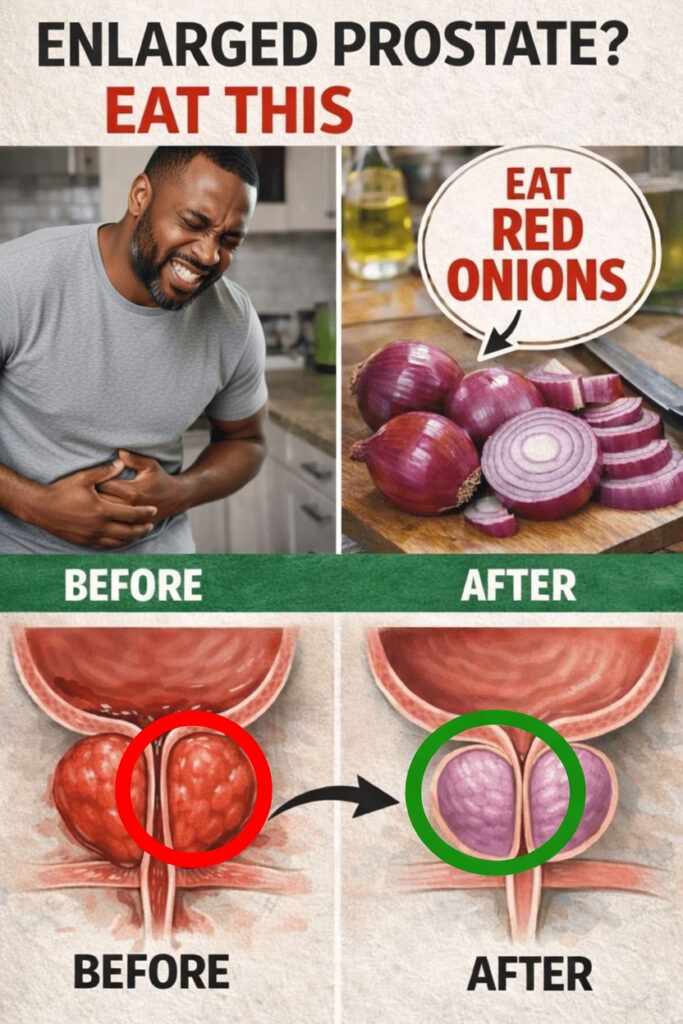
Red Onion and Men’s Urinary Health: A Simple Food With Promising Benefits
Many men experience noticeable shifts in urinary patterns as they age. Common issues include needing to urinate more often, waking up several times at night, or feeling as though the bladder is not fully emptied. These changes can interfere with sleep, reduce daily comfort, and gradually affect overall quality of life.
The encouraging part is that everyday nutrition may help support prostate and bladder wellness. Certain vegetables contain natural compounds that fit well into a balanced, health-conscious lifestyle. Among them, one familiar kitchen ingredient often stands out in research discussions: red onion.
Could this common vegetable become a useful addition to your daily routine? Let’s look at how red onion may naturally support men’s health.
Why Urinary and Prostate Changes Become More Common With Age
The prostate is a small gland located just below the bladder, surrounding the urethra. As men get older, it often increases in size. This age-related enlargement is called benign prostatic hyperplasia (BPH). When the prostate grows, it can press against the urinary tract and contribute to symptoms such as:
- A weaker urine stream
- A sudden urge to urinate
- Frequent urination, especially at night
- A sensation of incomplete bladder emptying
Daily habits can influence how the body responds to these changes. Diet, exercise, weight management, and inflammation levels all play a role. Because of this, many men prefer to begin with practical lifestyle strategies before considering more intensive solutions.
Nutrition research has repeatedly drawn attention to vegetable-rich eating patterns. In particular, vegetables from the Allium family—such as onions and garlic—have been linked in observational studies to better prostate and urinary outcomes.
One of the most notable compounds in red onions is quercetin, a plant flavonoid known for antioxidant and anti-inflammatory activity. Quercetin is also found in apples, berries, and green tea, and scientists have explored its possible role in supporting tissues involved in urinary function.
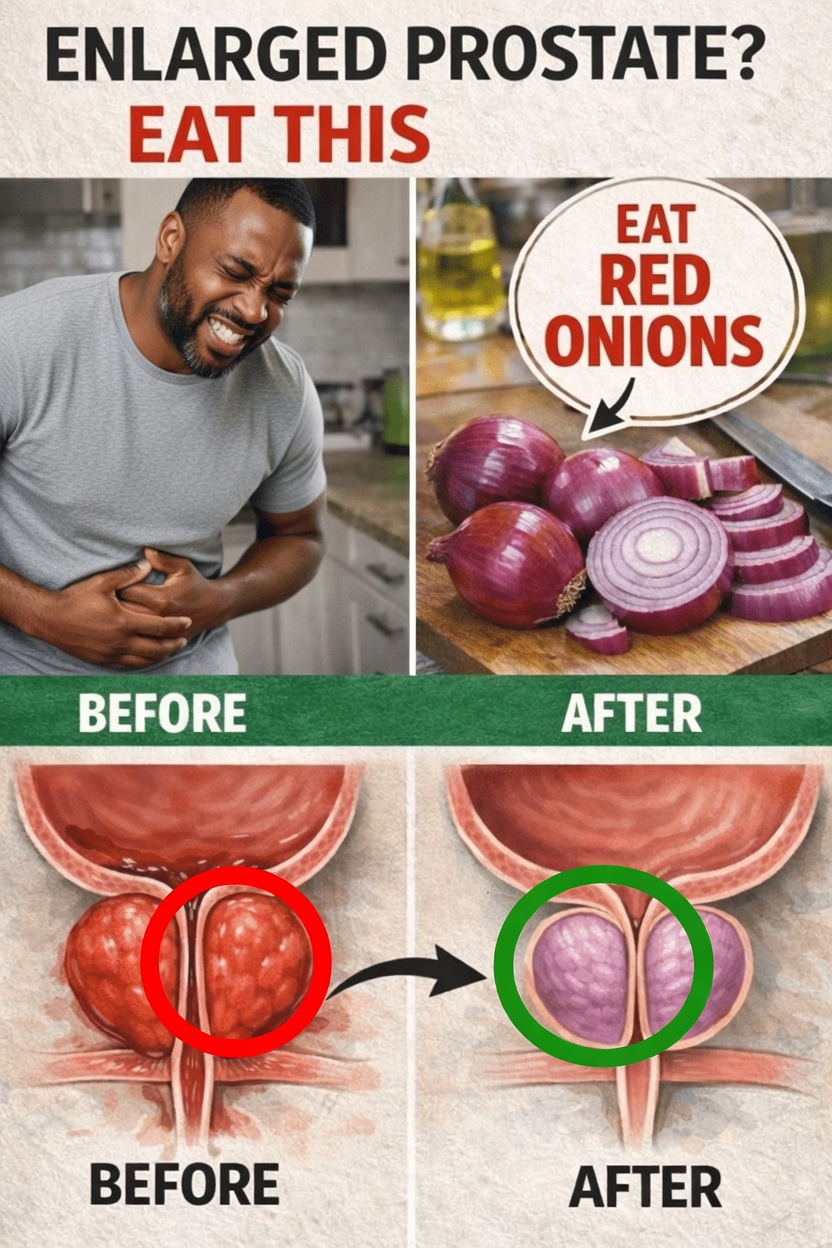
Why Red Onions Get Special Attention
Red onions, also known as purple onions, contain higher amounts of certain beneficial compounds than many white or yellow onion varieties. Their deep color comes from anthocyanins, while their high quercetin content adds to their nutritional appeal.
A large multicenter case-control study from Italy involving more than 2,800 participants observed that greater intake of onions and garlic was associated with lower odds of benign prostatic hyperplasia. This type of research does not prove that onions directly prevent prostate enlargement, but it does suggest that regular consumption may be part of a beneficial dietary pattern.
Additional lab and animal studies have examined red onion extracts for their antioxidant and immune-modulating effects on prostate tissue. Some rat studies suggest that these compounds may help protect against certain experimentally induced changes, possibly by lowering markers of inflammation. Human research is still limited, but smaller studies on quercetin have shown encouraging results in men dealing with pelvic discomfort and urinary symptoms.
Red onions also offer practical advantages:
- They are affordable
- Easy to find year-round
- Simple to include in meals
- Flexible enough to eat raw or cooked
Their sulfur-containing compounds may gently support fluid balance, while their fiber contributes to digestive and gut health, which can indirectly benefit the whole body.
How Quercetin May Help Support Prostate and Bladder Function
Quercetin works as a strong antioxidant, helping the body manage free radicals and potentially influencing inflammatory pathways. In men’s health research, quercetin has attracted interest for several reasons:
- It has been studied for reducing discomfort linked to chronic pelvic pain conditions
- Some clinical observations report improved urinary symptom scores when it is used as part of a broader wellness plan
- Red onions provide quercetin through food, making them a practical option for daily intake
A small double-blind study involving men with chronic pelvic pain symptoms found that participants taking quercetin showed greater symptom improvement than those given a placebo. More large-scale studies are needed, but these findings support continued interest in quercetin-rich foods.
Why Red Onion Fits Well in a Prostate-Friendly Diet
- Rich in quercetin for antioxidant support
- Contains sulfur compounds that may assist natural detoxification processes
- Shows anti-inflammatory potential in plant-based research
- Low-cost and widely available for consistent use
- Pairs well with other healthy habits such as hydration and exercise
Easy Ways to Add Red Onion to Your Diet
Including red onion in your routine does not need to be complicated. The key is consistency. Start with small amounts and use it in ways you genuinely enjoy.
Simple Tips for Daily Use
- Pick fresh, firm red onions with a deep purple outer skin
- Eat them raw when possible to preserve heat-sensitive compounds
- Slice them into salads, sandwiches, wraps, or grain bowls
- Lightly sauté or roast them if you prefer a milder flavor
- Pair them with tomatoes, leafy greens, or garlic for a more nutrient-dense meal
- If trying an onion infusion or onion water, keep it mild and use caution if you have a sensitive stomach
Practical Meal Ideas
- Add thin slices to a morning omelet or avocado toast
- Stir into salsa or relish for lunch
- Mix into stir-fries, rice bowls, or roasted vegetable dishes at dinner
- Make a side salad with red onion, cucumber, herbs, and olive oil
A varied diet still matters most. Red onion works best as part of a broader eating pattern that includes:
- Colorful vegetables
- Fruits
- Whole grains
- Lean proteins
- Healthy fats
Lifestyle Habits That Can Improve Results
Food is important, but it is only one part of the bigger picture. Men looking to better support urinary and prostate health should also consider the following habits:
- Drink enough water during the day
- Cut back on fluids near bedtime if nighttime urination is a problem
- Stay physically active with walking, stretching, or pelvic floor exercises
- Maintain a healthy body weight
- Limit caffeine, alcohol, and spicy foods if they worsen urgency
- Keep regular appointments with a healthcare professional
These daily actions, combined with a thoughtful diet, may help improve comfort and function over time.

A Simple Red Onion Preparation to Try
Some men like to prepare red onion in easy homemade ways for regular use. The goal should be fresh, moderate intake rather than chasing extreme or unproven remedies.
Example of a Mild Preparation
- Finely chop one medium red onion
- Add a small amount of lemon juice or honey for flavor, if tolerated
- Eat a modest portion with a meal, or dilute a small amount in water
Start slowly and pay attention to how your body responds. There is no miracle recipe that works overnight. In most cases, long-term consistency with nutrient-rich foods is more valuable than concentrated cures.
Comparing Common Allium Vegetables
Here is a quick look at how several Allium vegetables compare for everyday wellness support:
| Vegetable | Key Compounds | Potential Supportive Role | Ease of Daily Use |
|---|---|---|---|
| Red/Purple Onion | Quercetin, anthocyanins | Antioxidant support; linked in observational studies to lower BPH odds | Very high |
| Yellow Onion | Quercetin, though usually less than red onion | General anti-inflammatory dietary support | High |
| Garlic | Allicin, sulfur compounds | Frequently studied alongside onions for health support | High |
| Green Onions | Various flavonoids | Mild flavor and easy meal addition | Very high |
Final Thoughts
Red onion is not a cure for prostate enlargement or urinary problems, but it is a smart and practical food to include in a men’s health-focused diet. Its combination of quercetin, anthocyanins, sulfur compounds, and fiber makes it an appealing choice for those looking to support prostate and bladder wellness naturally.
When combined with hydration, regular movement, healthy weight management, and routine medical check-ups, red onion can be part of a sustainable lifestyle approach that helps men feel better day to day.