Seeds for Eye Health After 60: Simple Nutrition Tips for Better Vision Support
As people move into their 60s and later years, small vision changes often become more noticeable. Reading tiny text in dim lighting may feel harder, and screen use can leave the eyes feeling tired more quickly. Everyday tasks such as driving at sunset, reading labels, or enjoying favorite hobbies may start to feel less comfortable than before. Growing evidence suggests that nutrition can play an important role in supporting eye health, especially through a well-balanced diet.
What if a few easy additions to your meals could help provide nutrients linked to better eye wellness? Research, including findings from the Age-Related Eye Disease Study (AREDS), shows that antioxidants and other food-based compounds matter for long-term eye support. Certain seeds are especially rich in these nutrients and can be simple to include in daily eating habits.
Why Eye Nutrition Becomes More Important With Age
As the body ages, the eyes naturally go through changes as well. Oxidative stress and inflammation can affect the retina and other delicate eye structures over time. According to the National Eye Institute’s AREDS and AREDS2 research, nutrients such as vitamin E, zinc, lutein, zeaxanthin, and omega-3 fatty acids may help maintain eye health and may slow progression in some age-related conditions.
Seeds are a smart option because they are compact, affordable, and nutrient-dense. They offer key compounds in whole-food form and can fit easily into many meals. When eaten with healthy fats, the body may absorb some of these nutrients more effectively. Beyond eye support, many seeds also contribute to overall wellness.
Best Seeds for Eye Wellness and Their Key Nutrients
Several seeds stand out for their nutritional value. Each one offers unique compounds that may help support vision and eye comfort.
Sunflower Seeds
Sunflower seeds are a strong source of vitamin E, an antioxidant known for helping protect cells from damage caused by free radicals. Higher vitamin E intake has been associated in research with better support for retinal health.
Pumpkin Seeds
Pumpkin seeds provide plenty of zinc, a mineral involved in moving vitamin A to the retina. Zinc also supports important enzyme activity connected to antioxidant defense.
Chia Seeds
Chia seeds contain ALA omega-3 fatty acids and some lutein. These nutrients may help with inflammation balance and can contribute to the eye’s natural protection from blue light exposure.
Flax Seeds
Flax seeds are rich in ALA omega-3s and lignans. They may help support tear quality and can be especially useful for people who experience occasional dry-eye discomfort.
Hemp Seeds
Hemp seeds supply GLA (gamma-linolenic acid), which may offer anti-inflammatory benefits and support healthy nerve function.
Sesame Seeds
Sesame seeds, particularly black sesame, contain lignans that may help support circulation and blood vessel health, both of which are important for long-term eye function.
These nutritional benefits align with eye health research that emphasizes the value of getting protective compounds from whole foods whenever possible.
Easy Ways to Add More Seeds to Your Diet
Building a new habit works best when it feels simple. You do not need to overhaul your entire diet at once. Start with small, practical steps you can maintain.
-
Choose one seed first
- Begin with a single variety, such as 1 to 2 tablespoons of sunflower seeds as a snack.
-
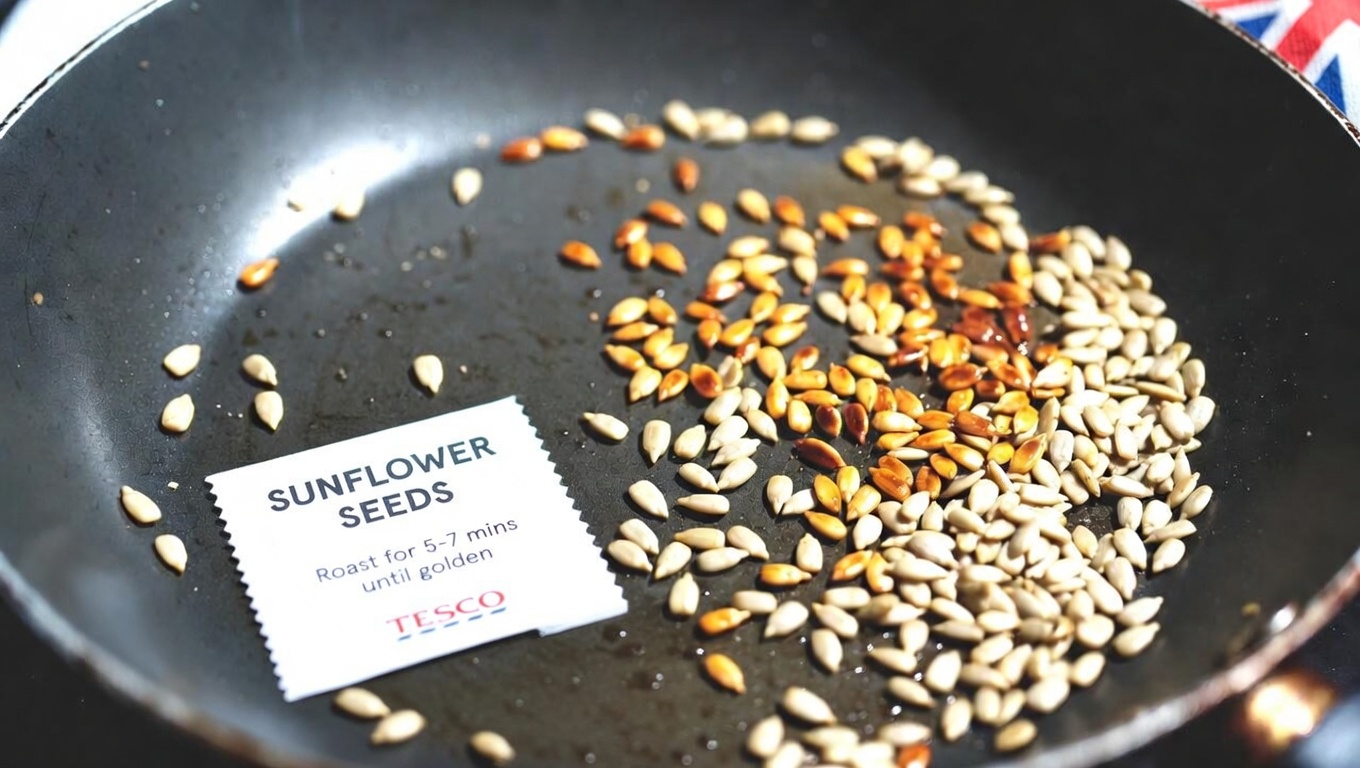
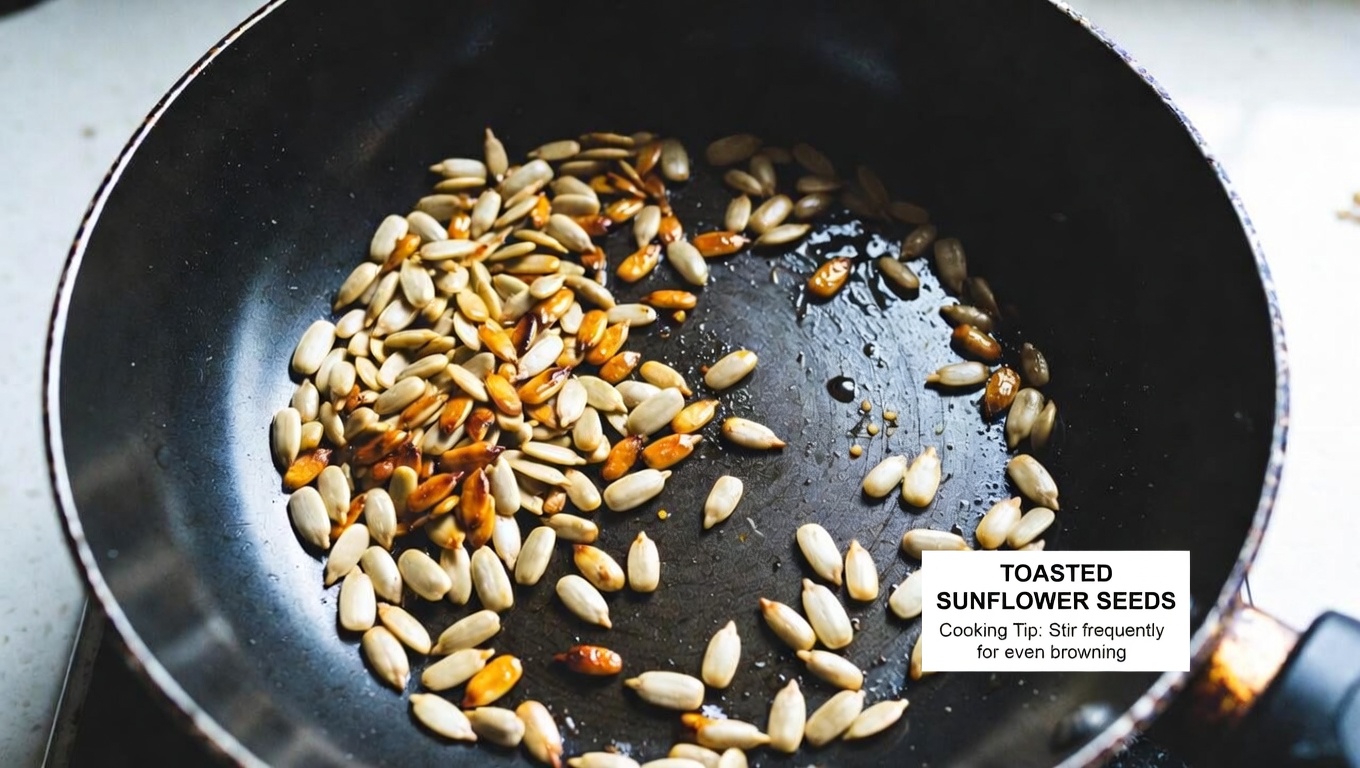
Toast lightly for better flavor
- A few minutes in a dry pan, usually 3 to 5 minutes, can improve taste and texture.
-
Mix seeds into everyday meals
- Add pumpkin seeds to salads or soups.
- Stir chia seeds into oatmeal or yogurt.
- Grind flax seeds fresh and blend them into smoothies.
-
Combine different seeds
- Make a simple seed mix using sunflower, pumpkin, and hemp seeds for broader nutritional variety.
-
Store them correctly
- Keep seeds in airtight containers in a cool, dry place to protect freshness and flavor.
Quick Guide to Seed Benefits for Eye Health
| Seed | Main Nutrient | How It May Support Eye Health | Easy Serving Idea |
|---|---|---|---|
| Sunflower | Vitamin E | Antioxidant support for eye cells | Eat as a snack or add to yogurt |
| Pumpkin | Zinc | Helps vitamin A reach the retina | Sprinkle over soups or salads |
| Chia | Omega-3s and lutein | May help with inflammation and light filtering | Soak for chia pudding |
| Flax | Omega-3s | May support tear quality | Grind into smoothies or baked foods |
| Hemp | GLA | May provide anti-inflammatory support | Add to smoothies or bowls |
| Sesame | Lignans | May support circulation | Use tahini in sauces or dressings |
Tips to Get the Most From These Seeds
To improve nutrient absorption, pair seeds with healthy fats such as olive oil, avocado, nuts, or yogurt. Consistency matters more than quantity. Even a small daily amount can contribute meaningful nutrients over time.
It is also helpful to rotate different seed types from week to week. This keeps meals interesting while giving your body a wider range of beneficial compounds.
Some people report gradual changes in eye comfort after making diet improvements part of their regular routine. You may want to track small details for a few weeks, such as whether reading feels easier, whether your eyes feel less strained in the evening, or whether screen time becomes more comfortable.
Common Questions About Seeds and Eye Health
How much should I eat each day?
A good starting point is 1 to 2 tablespoons total per day. This amount can provide useful nutrients without adding too many calories.
Can seeds replace eye supplements?
Seeds can supply important nutrients in whole-food form, which many people prefer. However, if you have a specific eye condition, supplements such as AREDS formulas may be recommended in certain cases. It is best to discuss this with your doctor.
Are there any precautions?
Seeds are generally safe for most people, but anyone with allergies, digestive sensitivities, or medication concerns should introduce them gradually and check with a healthcare professional if needed.
A Simple Habit That May Support Long-Term Vision
Adding nutrient-rich seeds to your diet is an easy and enjoyable way to support eye health naturally. Small daily choices can make a difference over time, and better nutrition may help contribute to clearer, more comfortable vision as you age.
Disclaimer: This article is for informational purposes only and does not replace professional medical advice. Speak with your healthcare provider before making dietary changes, especially if you already have an eye condition or other health concerns.