Natural Ways to Support Artery Health With Food and Daily Habits
As people get older, concerns about heart health often become more common. A fast-paced routine, ongoing stress, and a diet filled with ultra-processed foods can gradually affect cardiovascular wellness. Over time, issues such as elevated cholesterol and chronic inflammation may influence how efficiently the arteries work, raising concerns about circulation and long-term health.
The encouraging part is that daily habits can make a meaningful difference. Choosing nutrient-dense foods on a regular basis can help support healthy blood vessels and overall heart function.
This guide looks at science-backed dietary choices and simple lifestyle practices that may help nourish your arteries naturally. At the end, you’ll also find an easy daily routine you can start using right away.
Why Healthy Arteries Are So Important
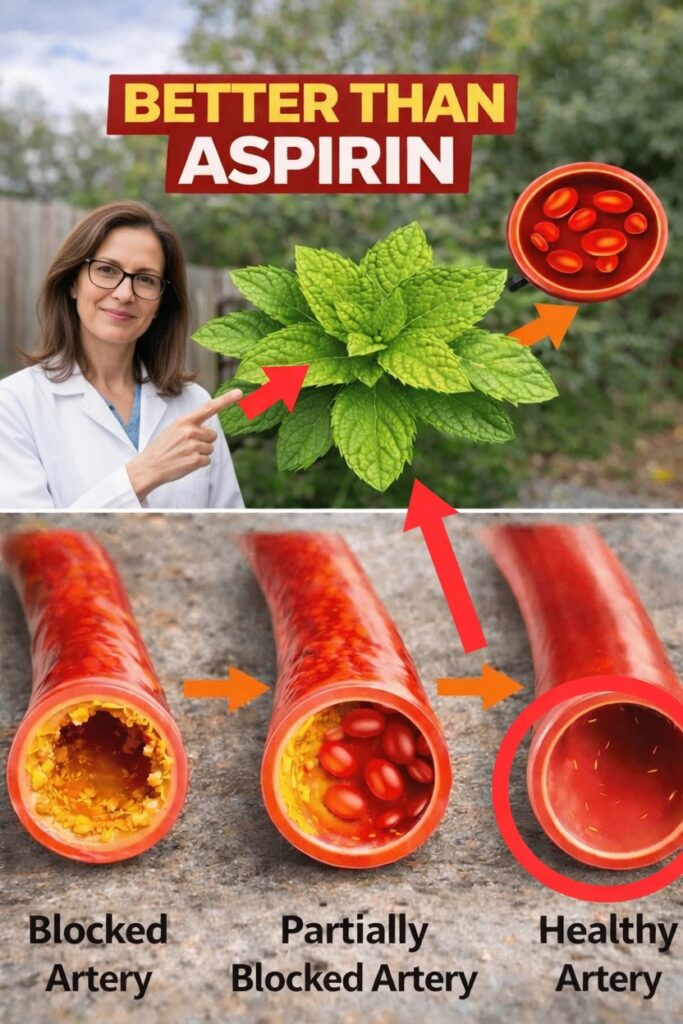
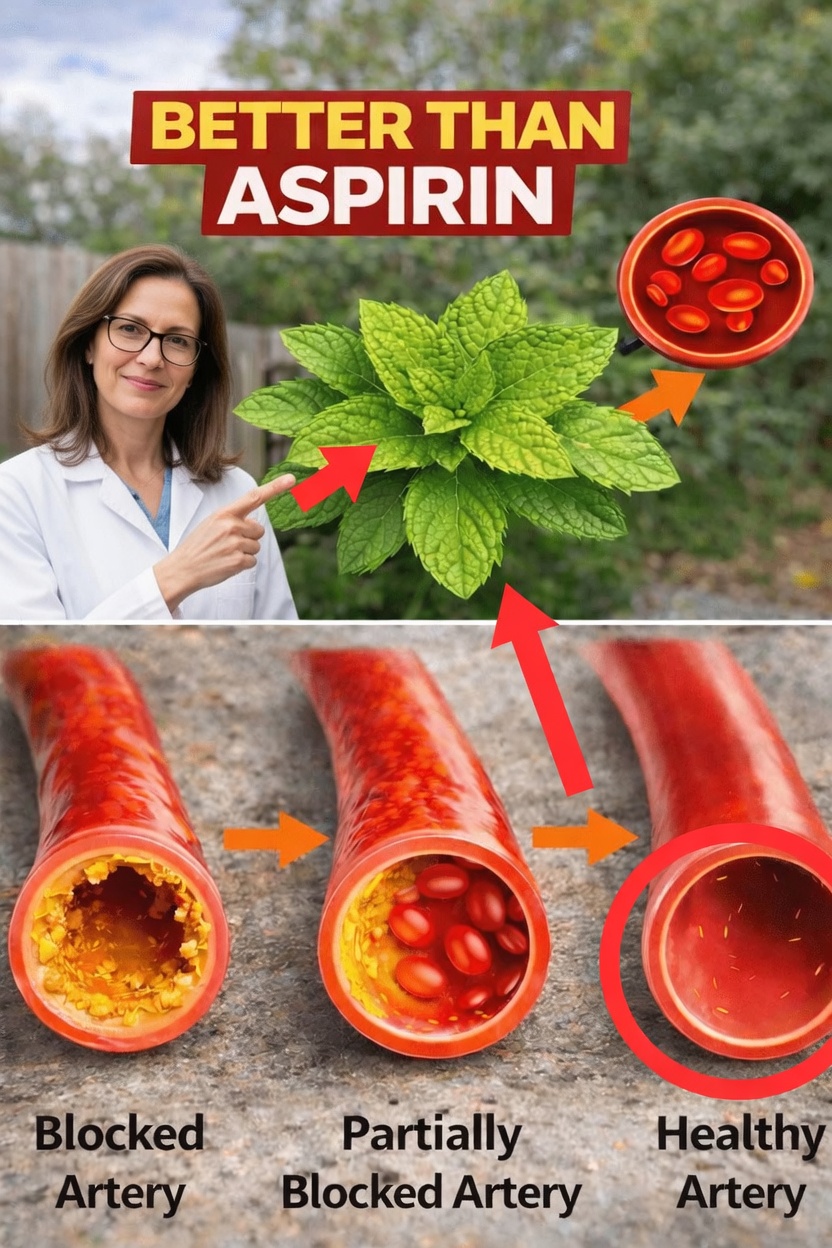
Arteries play a vital role in moving blood throughout the body, carrying oxygen and nutrients to tissues and organs. When plaque begins to accumulate or blood vessels lose some of their flexibility, it may affect stamina, physical performance, and long-term cardiovascular health.
Health authorities such as the American Heart Association continue to highlight the value of an eating pattern rich in vegetables, fruits, fiber, and healthy fats for supporting heart function. Evidence also suggests that steady, long-term habits are far more effective than short-term solutions.
A diet filled with antioxidant-rich and anti-inflammatory foods may help defend the lining of blood vessels and support better vascular function over time.
Best Foods for Arterial Wellness
Some whole foods are especially well aligned with heart-friendly eating patterns like the Mediterranean diet. These foods provide nutrients that support circulation, cholesterol balance, and vascular health.
Berries
Blueberries, strawberries, and similar fruits are loaded with anthocyanins, powerful antioxidants that help reduce oxidative stress. Regular berry intake has been associated with improved blood vessel function in research.
Leafy Green Vegetables
Spinach, kale, and other greens contain natural nitrates that may help blood vessels relax and support healthy blood pressure levels.
Fatty Fish
Salmon, sardines, and mackerel are rich in omega-3 fatty acids. These beneficial fats may help reduce inflammation and support healthy triglyceride levels.
Nuts and Seeds
Walnuts, flaxseeds, chia seeds, and similar options offer fiber and heart-friendly fats that can help with cholesterol management.
Whole Grains
Foods such as oats, barley, and brown rice provide soluble fiber, which plays a role in maintaining balanced cholesterol levels.
These foods are strong choices on their own, but their benefits can become even more valuable when combined in a balanced eating pattern.
Herbs and Spices That May Help Support Circulation
Many common kitchen spices do more than add flavor. They also contain active plant compounds that have been studied for their cardiovascular benefits.
Turmeric
Turmeric contains curcumin, a compound known for its anti-inflammatory properties. Research suggests it may support a healthy inflammatory response and help maintain blood vessel function.
Garlic
Garlic provides allicin and other sulfur-containing compounds that may encourage healthy circulation and support blood vessel flexibility. Fresh garlic is often considered especially potent.
Ginger
Ginger has been studied for its possible role in promoting blood flow and helping blood vessels relax.
Cayenne Pepper
Cayenne contains capsaicin, a compound that may contribute to healthy circulation and vascular support.
Mint Leaves
Emerging studies suggest mint may offer mild vasodilatory effects, which could help support blood pressure and circulation.
Adding these herbs and spices to everyday meals is a simple way to improve flavor while potentially boosting heart-friendly nutrition.
Why Combining These Foods Works So Well
Instead of relying on one “superfood,” it is more effective to build meals that include a variety of supportive ingredients. For example, a morning smoothie made with berries, spinach, and ginger offers antioxidants, plant compounds, and nutrients that work together. A dinner prepared with garlic, turmeric, and a touch of cayenne can add both flavor and functional benefits.
Research consistently shows that overall dietary patterns matter more than individual ingredients. This is one reason plant-forward eating styles such as the Mediterranean diet are linked with better cardiovascular outcomes.
Quick Overview of Heart-Supportive Foods
- Berries: Rich in antioxidants and naturally low in calories
- Fatty fish: Excellent source of omega-3 fats for inflammation support
- Turmeric with black pepper: Black pepper may improve curcumin absorption
- Garlic: Contains sulfur compounds that may support vessel flexibility
- Mint: Refreshing herb with possible circulation-support benefits
Eating a mix of these foods regularly can help maximize their potential advantages.
Easy Ways to Add Them to Your Routine
Making changes does not have to be complicated. Small steps are often the most sustainable.
Simple ideas to start today
- Refresh your morning with mint leaves in tea or water, and add lemon for extra taste
- Upgrade meal prep by roasting vegetables with garlic, turmeric, and a pinch of cayenne
- Choose smarter snacks like walnuts, flax crackers, or fresh berries instead of packaged processed foods
- Improve dinner by including salmon or another protein option a couple of times per week, seasoned with ginger
- Aim for more produce by working toward at least five servings of fruits and vegetables daily, along with herbs and spices in most meals
A good strategy is to introduce just one new habit each week. This can make change feel easier and help healthy choices stick.
A Simple Daily Plan for Artery Support
If you want a practical way to put this into action, try a routine like this:
Breakfast
- Oatmeal topped with berries and flaxseeds
Lunch
- A salad made with leafy greens, olive oil, and a garlic-based dressing
Snack
- Herbal tea with fresh mint
Dinner
- Stir-fried vegetables seasoned with ginger and turmeric, paired with lean protein
Evening
- A warm, calming drink to help you unwind
The goal is not perfection. What matters most is being consistent over time.
Frequently Asked Questions
How much turmeric can I use each day?
For general dietary support, many people begin with about 1/2 to 1 teaspoon in food. Pairing turmeric with black pepper may improve absorption. If you are considering supplements, it is best to speak with a healthcare professional first.
Can these foods be combined with medication?
It is important to check with your doctor, especially if you take blood thinners or medications for the heart. Certain foods and herbs, including garlic, may interact with some prescriptions.
Are these foods suitable for everyone?
Most of these foods are safe for many people, but individual needs vary. Anyone with allergies, digestive sensitivity, or specific health concerns, such as gallbladder issues related to turmeric, should seek personalized medical advice.
Final Thoughts
Supporting artery health naturally is not about finding a miracle ingredient. It is about building realistic, long-lasting habits that encourage better circulation and cardiovascular wellness. Small choices made consistently can lead to meaningful benefits over time.