Acid Reflux Relief: Daily Habits, Diet Changes, and a Surprising Technique That May Help
Many people know the unpleasant burning feeling that rises into the chest after eating. It can interrupt sleep, interfere with daily life, and become an ongoing source of irritation. This happens when stomach contents move upward, causing discomfort that may influence both food choices and overall quality of life.
The good news is that everyday habits can often make a meaningful difference. Even better, there is one lesser-known strategy that may be especially interesting—and we’ll reveal it near the end.
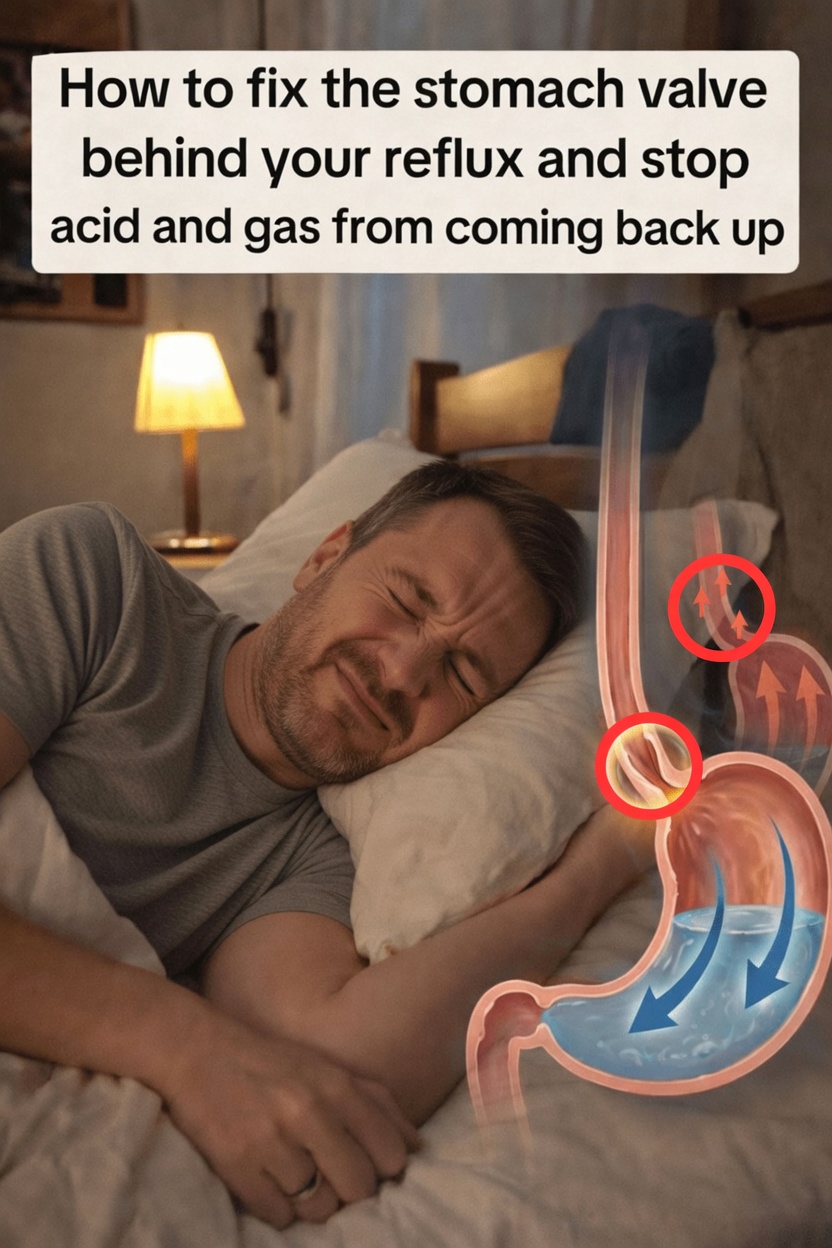
Why the Lower Esophageal Sphincter Matters
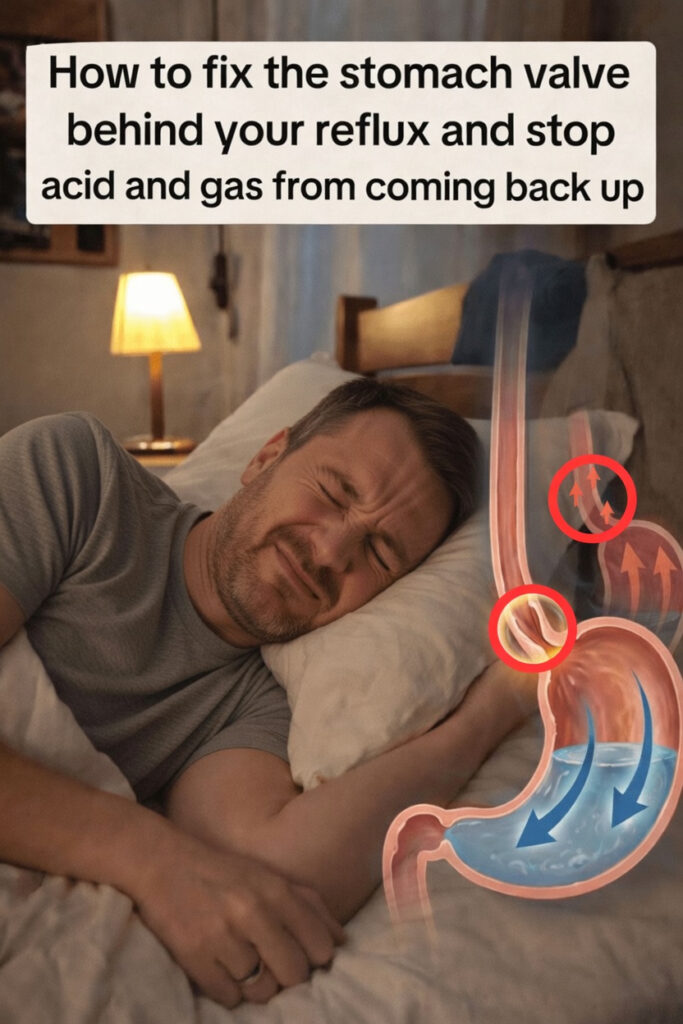
The lower esophageal sphincter, commonly called the LES, is a ring-like muscle located between the esophagus and the stomach. Its job is simple but essential: it opens to allow food to enter the stomach, then closes to help prevent stomach acid from flowing back upward.
When the LES is not working efficiently, uncomfortable symptoms can become more common. Its performance may be influenced by food choices, lifestyle habits, body position, and even pressure around the abdomen.
Research suggests that lifestyle plays an important role in supporting this muscle. For example, keeping a healthy body weight may help reduce pressure in this area, which can lower the chance of reflux-related discomfort.
Understanding the LES is the first step. Next, let’s look at practical ways to support it through daily routines.
Lifestyle Adjustments That May Support LES Function
Small, consistent changes can have a big impact over time. One of the easiest places to start is with your eating routine.
Eating smaller meals more often instead of large, heavy meals may reduce strain on the digestive system. When the stomach is less overloaded, the LES may be under less pressure.
It is also helpful to stay upright for at least three hours after eating. Gravity naturally helps keep stomach contents where they belong.
For nighttime symptoms, raising the head of the bed by 6 to 8 inches may improve comfort during sleep. Using blocks under the bed frame is generally better than stacking pillows, which can strain the neck and may not provide the same benefit.
Smoking and alcohol may also affect the LES. Nicotine can relax digestive muscles, and alcohol may have a similar effect, so reducing or avoiding both may be beneficial.
Helpful habits to add to your routine
- Wear looser clothing around the waist to avoid extra abdominal pressure.
- Use stress-management techniques such as deep breathing, since stress can affect digestion.
- Drink enough water throughout the day, but try to sip fluids gradually instead of consuming large amounts during meals.
These steps are simple, realistic, and easy to fit into most lifestyles. Just as important as daily habits is the food you choose.
Diet Tips for Managing Acid Reflux More Effectively
Your diet can either calm irritation or make symptoms worse. Some foods are commonly better tolerated, while others may trigger discomfort.
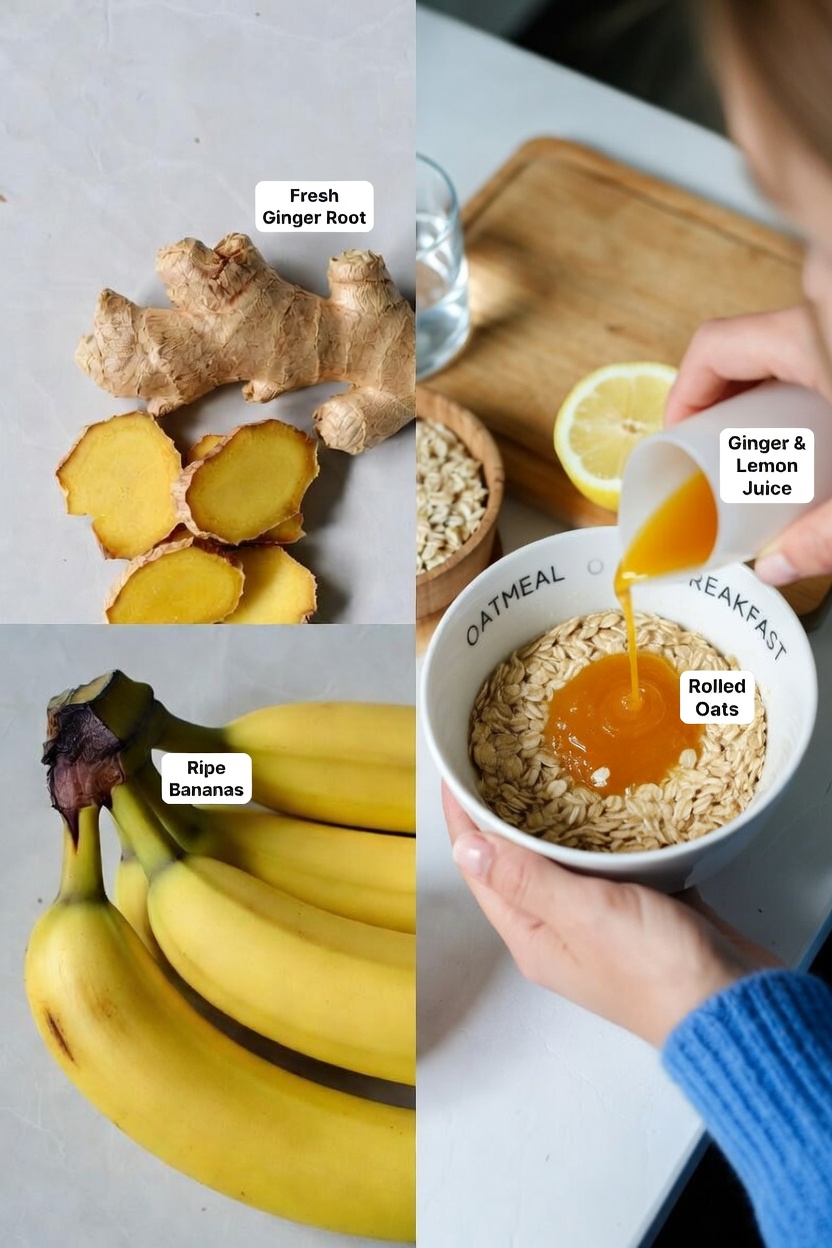
Foods with a more alkaline profile, such as bananas, melons, and oatmeal, may help create a gentler digestive environment. Many people find these options easy on the stomach.
Ginger is another popular choice because of its soothing properties. It can be added to tea, soups, or meals for mild digestive support.
Interestingly, a small amount of lemon juice diluted in warm water may work differently than expected. Although lemon is acidic by nature, some believe it may have an alkalizing effect in the body when used in moderation.
On the other hand, some foods are known to be common triggers. These often include:
- Spicy dishes
- Chocolate
- Caffeinated beverages
- High-fat or fried foods
These items may either relax the LES or stimulate more acid production.
High-fiber foods such as whole grains, vegetables, and other minimally processed foods can also support digestion by helping food move through the system more efficiently.

Foods to include vs. foods to limit
| Foods to Include | Foods to Avoid or Limit |
|---|---|
| Bananas, apples | Citrus fruits |
| Oatmeal, brown rice | Tomato-based sauces |
| Lean proteins such as chicken or fish | Fried foods or fatty meats |
| Green vegetables | Chocolate and mint |
| Ginger tea | Caffeinated drinks |
Try adding supportive foods gradually instead of changing everything at once. Keeping a simple food journal can help you identify personal triggers and patterns.
Still, food is only one piece of the puzzle. Physical activity and body mechanics can also play an important role.
Exercises and Techniques to Explore
Movement supports digestion in general, but some techniques may specifically help the area around the LES.
One unusual but interesting method involves creating gentle resistance for the sphincter. In this approach, a person positions the body on an incline so that the head is lower than the stomach—such as kneeling and lowering the forehead toward the floor.
Then, small amounts of water or food are swallowed in that position. Because gravity works against the swallow, this may provide a form of resistance training that could help strengthen the LES over time.
Another useful technique is diaphragmatic breathing. The diaphragm helps support the LES, so strengthening this area may improve function.
Basic diaphragmatic breathing exercise
- Lie on your back with your knees bent.
- Place one hand on your chest and the other on your abdomen.
- Breathe in deeply through your nose so that your belly rises while your chest stays mostly still.
- Exhale slowly through pursed lips.
- Continue for 5 to 10 minutes each day.
Gentle yoga may also be helpful. Poses such as child’s pose or cat-cow can encourage relaxation, improve posture, and reduce tension that may affect digestion.
A light walk after meals is another smart habit. It supports digestion without putting too much strain on the body. It is generally best to avoid intense exercise immediately after eating.
Some studies suggest that low-impact activities like yoga may help reduce reflux symptoms. As with most lifestyle strategies, consistency matters more than intensity. Aim for about 30 minutes on most days if possible.
Natural Remedies and Supplements to Consider
In addition to diet and exercise, some natural options may offer extra support.
Aloe vera juice, when used in small amounts and in a form made for drinking, may help soothe the digestive lining.
Chewing gum after meals may also be useful. It increases saliva production, which can help neutralize stomach acid.
Some people turn to honey, especially manuka honey, for its soothing qualities and digestive comfort.
There is also research suggesting that melatonin may help protect the lining of the esophagus. However, it is wise to speak with a healthcare professional before trying any supplement.
Probiotics from yogurt and fermented foods may support gut balance and digestion overall, which could be helpful for some individuals.
These options should be viewed as supportive tools, not replacements for personalized medical guidance.
How to Build a Long-Term Acid Reflux Management Plan
Long-term success usually comes from steady, manageable changes rather than doing everything at once. Start with one or two strategies, then build from there.
Pay attention to your symptoms over several weeks. Your body’s response can help guide which habits are worth continuing and which may need adjusting.
Reliable health information is also important, since research on digestive wellness continues to evolve.
The most intriguing takeaway may be that gravity-based swallowing exercise mentioned earlier. It transforms an ordinary action into a targeted LES training method, which makes it stand out from more familiar advice.
With patience and consistency, many people notice real improvement. Small steps can lead to much better days.
Frequently Asked Questions
What can cause the lower esophageal sphincter to weaken?
Several factors may contribute, including excess body weight, smoking, pregnancy, and certain foods. Aging and conditions such as a hiatal hernia may also affect LES function.
Can stress make acid reflux symptoms worse?
Yes. Stress may increase acid production or encourage LES relaxation in some people. Practices such as meditation, breathing exercises, and regular movement may help reduce that impact.
How soon can lifestyle changes start to help?
Results vary from person to person, but many people notice improvements within a few weeks. The key is consistency and tracking patterns over time.