A Natural Kitchen Combo for Prostate and Urinary Comfort
Many men over 50 quietly live with a nagging sense of pressure or unease in the lower pelvis, especially at night when sleep is broken by repeated trips to the bathroom. What begins as a small inconvenience can slowly drain energy, affect confidence, and reduce overall quality of life.
Alongside medical treatments, more men are exploring simple, food-based strategies to support prostate and urinary comfort in a gentle, natural way. One traditional pairing that keeps showing up in both folk wisdom and modern discussions is fresh tomato combined with garlic.
Can these two everyday ingredients from your kitchen really make a difference?
In this guide, you’ll discover why tomato and garlic are attracting attention, what research suggests about their key compounds, and how some people use them in a straightforward daily drink. You’ll also get a practical recipe you can prepare at home right away.
Why Prostate Comfort Becomes an Issue for Many Men
As men grow older, the prostate gland often gets larger — a normal age-related process known as benign prostatic hyperplasia (BPH). This enlargement can press against the urethra (the tube that carries urine out of the body), leading to symptoms such as:
- More frequent urges to urinate
- Weaker or interrupted urine stream
- A lingering feeling that the bladder isn’t fully emptied
- Waking up at night to urinate (nocturia)
- Mild pressure or discomfort in the pelvic area
These changes are extremely common. Research suggests:
- Over 50% of men in their 60s experience some level of BPH-related symptoms
- Up to 90% of men in their 80s are affected
While BPH itself is typically not life-threatening, its symptoms can seriously disrupt sleep, lower mood, and affect daily comfort.
This is why many men look for supportive lifestyle strategies — including foods rich in protective plant compounds — to complement professional medical care.
Tomato Power: Spotlight on Lycopene
Tomatoes are among the most concentrated natural sources of lycopene, a bright red carotenoid antioxidant responsible for their characteristic color.
Lycopene stands out because:
- It is fat-soluble → the body absorbs it far better when tomatoes are cooked, crushed, or eaten with a small amount of healthy fat
- It tends to accumulate in prostate tissue more than in many other organs
- It belongs to a group of compounds explored for their antioxidant and anti-inflammatory actions
Multiple reviews and large observational studies have found that men who habitually consume lycopene-rich foods (like tomato products) often show more favorable indicators of prostate health. These findings are associative rather than proof of cause and effect, but the consistent pattern across many populations has kept lycopene in the scientific spotlight.
Garlic: A Small Clove with Big Bioactive Potential
Garlic is packed with sulfur-containing compounds, especially allicin and its related molecules, which form when cloves are crushed, chopped, or chewed.
These sulfur compounds are being investigated for their potential to:
- Support a healthy inflammatory response
- Provide antioxidant protection to cells
- Influence certain enzyme activities in the body
- Interact with hormone-related pathways
Similar to lycopene, garlic’s active compounds have been examined in laboratory and population studies for their potential role in supporting normal prostate cell function.
It’s important to emphasize: these are supportive properties, not medical treatments or cures.
When you combine tomato and garlic, you bring together:
- A fat-soluble antioxidant (lycopene)
- A family of sulfur-rich compounds (from garlic)
These two groups of compounds may work in complementary ways as part of a prostate-friendly lifestyle.
What Men Often Notice with Regular Tomato + Garlic Use
Individual experiences are very personal, but many men who regularly include tomato-garlic drinks, sauces, or dishes in their diet report noticing changes after several weeks of consistent use, such as:
- A lighter or less “heavy” feeling in the pelvic area
- Fewer nighttime awakenings to urinate
- More comfortable and smoother daytime urination
- A subtle lift in overall energy and well-being
These are subjective reports, not controlled clinical results. Still, the fact that this combination appears repeatedly in traditional cuisines and modern wellness discussions makes it an intriguing option to consider.
Simple Tomato & Garlic Drink Recipe
Here’s a gentle, easy-to-make way to enjoy both tomato and garlic together in one daily drink.
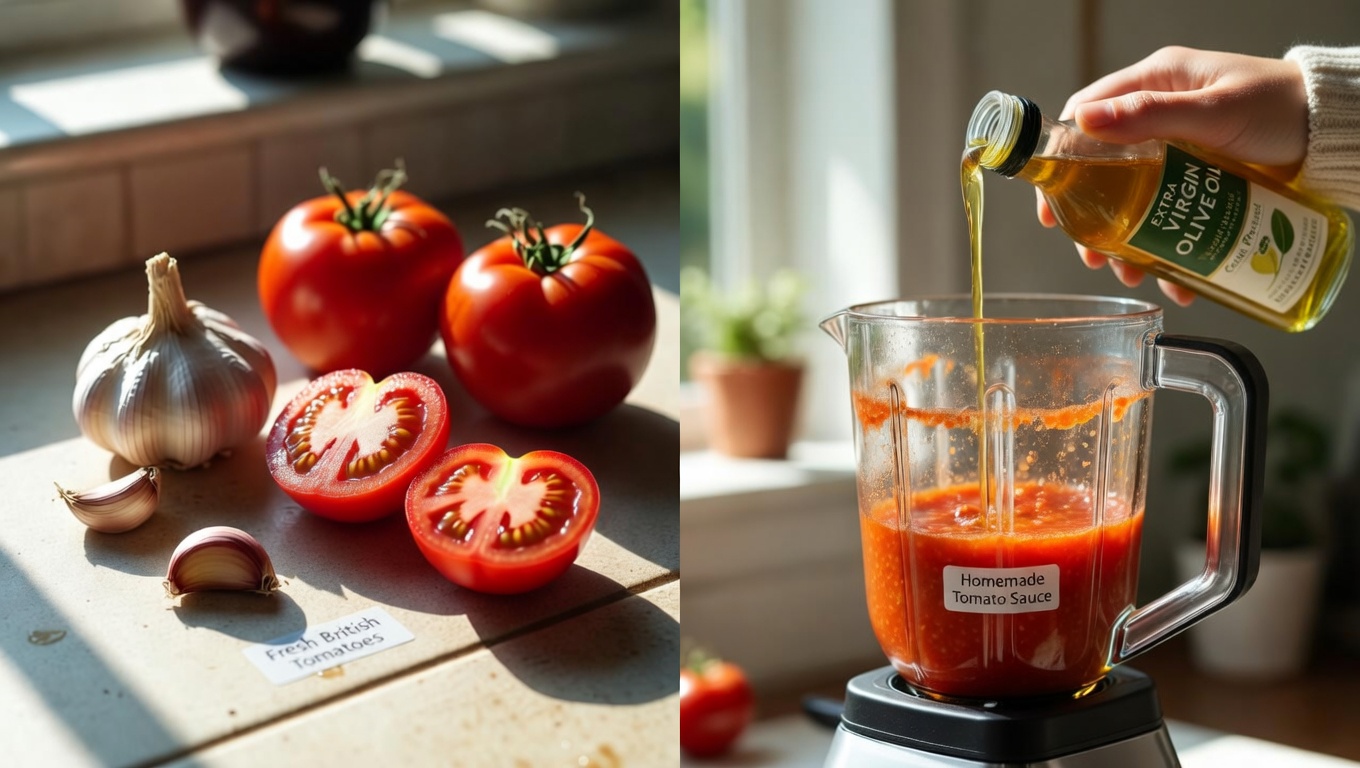
Ingredients (Makes 1 Serving)
- 3–4 medium ripe tomatoes
- or about 400–450 ml (13–15 oz) of plain tomato juice (no added sugar or salt)
- 2–3 fresh garlic cloves
- 1 teaspoon extra virgin olive oil (greatly improves lycopene absorption)
- Juice of ½ lemon (optional, for freshness and vitamin C)
- A small pinch of black pepper (optional — piperine may support nutrient absorption)
- A pinch of sea salt (optional, for taste if desired)
Step-by-Step Preparation
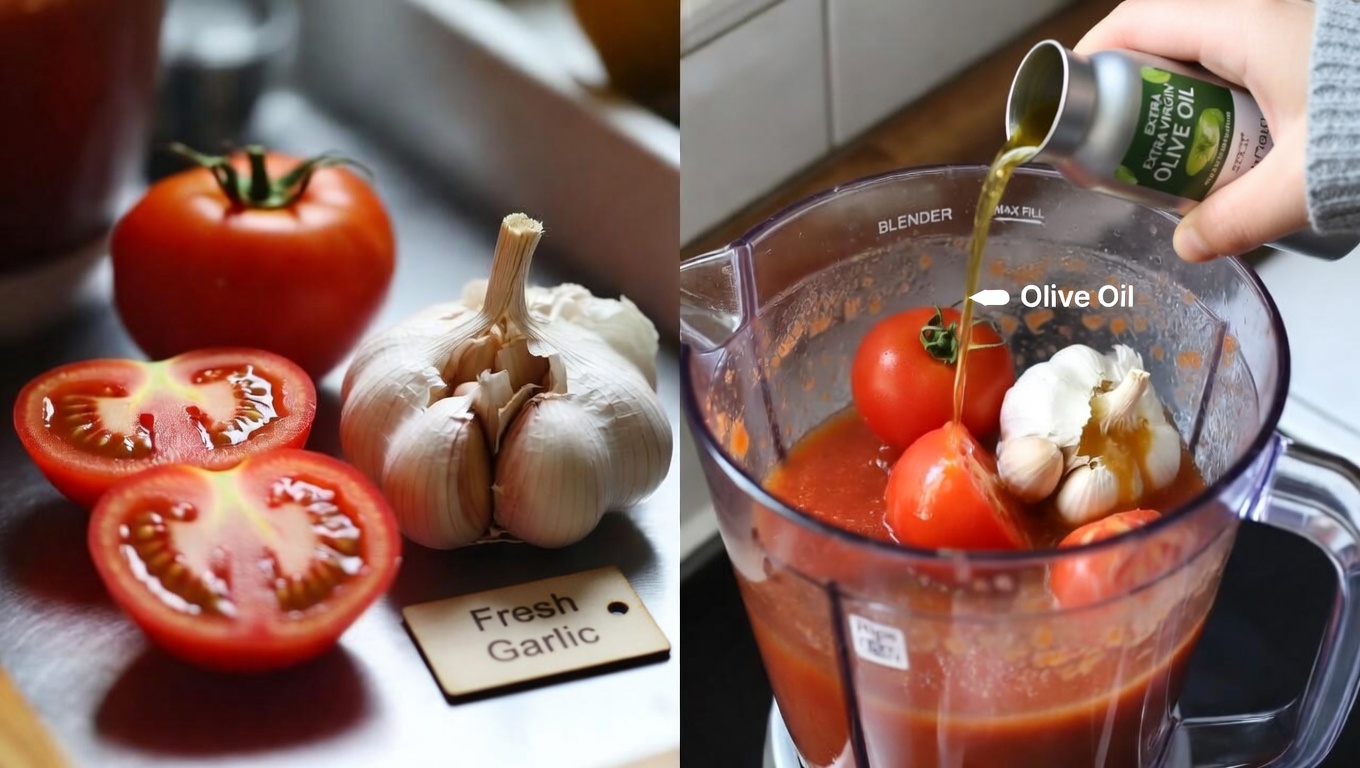
- Wash the tomatoes thoroughly. For a smoother texture, you can briefly dip them in hot water and peel off the skin.
- Roughly chop the tomatoes and place them in a blender.
- Peel the garlic cloves and add them — either whole or roughly chopped.
- Add the extra virgin olive oil, lemon juice, and any optional seasonings (black pepper, sea salt).
- Blend on high speed for 45–60 seconds until the mixture becomes smooth.
- Optional: Strain through a fine mesh if you prefer a clearer drink. Many people keep the pulp for extra fiber.
- Drink right away, or refrigerate for up to 12 hours. Shake or stir well before drinking if stored.
When to Drink It?
Common times people choose include:
- First thing in the morning on an empty stomach
- Mid-morning or early afternoon as a light drink
- About 30–60 minutes before dinner
How Long to Try It?
Many individuals give this habit at least 3–8 weeks of daily or near-daily use before deciding whether it makes a difference for them.
How to Maximize the Benefits of Tomato and Garlic
To get the most out of this combination, these practical tips can help:
-
Use fresh garlic whenever possible
- Allicin develops only when the clove is crushed, chopped, or chewed.
- Pre-minced garlic stored in jars usually contains significantly fewer active compounds.
-
Include cooked tomato dishes regularly
- Heating tomatoes (in soups, sauces, stews, roasting, or blending with warm water) makes lycopene 2–4 times more bioavailable.
-
Always pair tomatoes with some healthy fat
- Olive oil, avocado, or a small handful of nuts can dramatically improve lycopene absorption.
-
Be consistent, not occasional
- Plant compounds tend to provide the most support when eaten regularly over time, rather than once in a while.
-
Stay well hydrated
- Adequate fluid intake supports the entire urinary system and may complement other lifestyle measures.
Foods That Combine Well with Tomato & Garlic
You can build a more prostate-friendly plate by pairing tomato and garlic with other nutrient-rich foods, such as:
- Extra virgin olive oil
- Onion, leeks, and chives (additional sulfur compounds)
- Fresh herbs like basil, parsley, and oregano
- Pumpkin seeds and sunflower seeds (good sources of zinc)
- Dark green leafy vegetables (spinach, kale, arugula)
- Berries (rich in diverse antioxidants)
These ingredients not only taste great together but also add a wide variety of beneficial plant compounds to your diet.
Frequently Asked Questions
1. Is it safe to drink tomato and garlic juice every day?
For most healthy adults, drinking a moderate daily amount is considered safe as part of a balanced diet. However:
- People taking blood-thinning medications
- Individuals with sensitive digestion or acid reflux
- Anyone scheduled for surgery
should talk with their healthcare provider first, as garlic can have mild blood-thinning effects and tomatoes may aggravate reflux in some people.
2. Can I use canned tomatoes or tomato paste instead of fresh?
Yes. In fact, canned tomatoes and tomato paste are often excellent sources of lycopene because they have already been cooked and concentrated. Choose products with:
- No added sugar
- Low or no added salt, if possible
- Minimal artificial additives
3. What if I dislike the taste of raw garlic?
You have a few options:
- Lightly sauté the garlic in a bit of olive oil for 30–60 seconds to soften its sharpness while preserving many beneficial compounds.
- Start small — use just half or one clove at first and gradually increase as you get used to the flavor.
- Try incorporating garlic into cooked dishes (soups, sauces, stir-fries) if drinking it is too intense.
Final Thoughts
A simple combination like fresh tomato and garlic will never replace professional medical care, but it can be a valuable supportive habit within a prostate-friendly lifestyle.
This pairing is:
- Affordable
- Easy to find almost anywhere in the world
- Simple to add to your daily meals or drinks
Many men already enjoy tomato-and-garlic-based drinks, sauces, and salads as part of their routine. After staying consistent for several weeks, some report feeling more comfortable, sleeping better, and experiencing fewer nightly bathroom visits.
You might consider trying this tomato and garlic drink for a few weeks and observing how your own body responds.
Always remember: any persistent urinary issues, pelvic discomfort, pain, or sudden changes in urination should be evaluated by a healthcare professional. This article is for informational purposes only and does not replace medical advice, diagnosis, or treatment.
Are tomato and garlic already a regular part of your meals — or could this be the next simple habit you add to support your long-term prostate and urinary health?