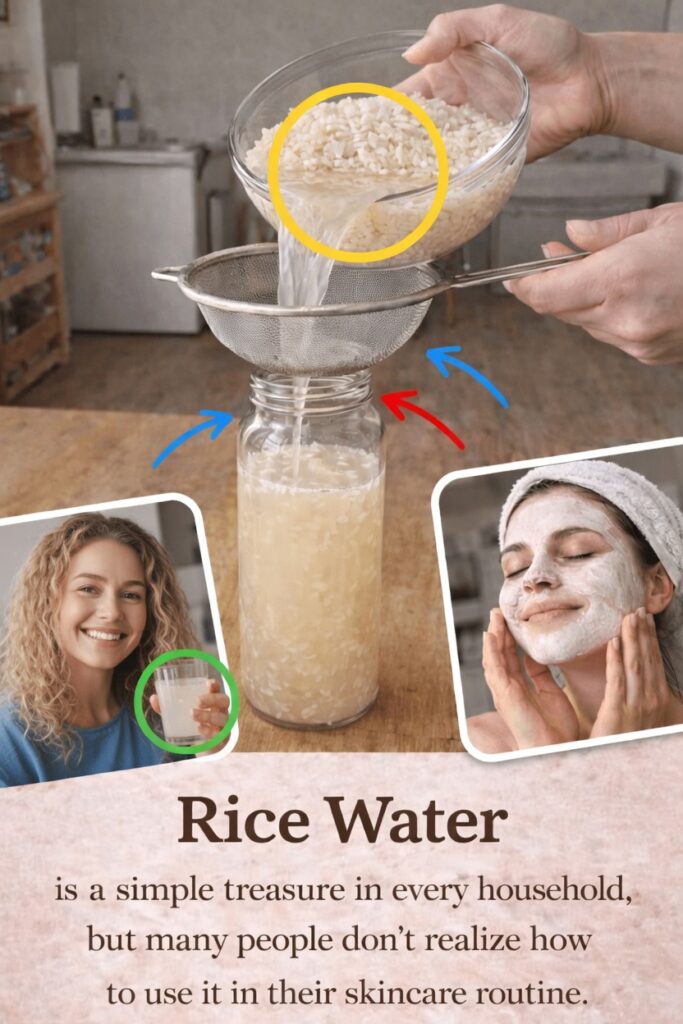
Rice Water for Skin: A Simple Ritual for Smoother, Brighter-Looking Pores
Enlarged pores and a lackluster complexion can make skin appear rougher and less refined than you’d like. When dullness and uneven texture show up together, it’s easy to feel discouraged—and to keep cycling through products that don’t quite deliver.
One traditional remedy that continues to attract attention is rice water. This simple liquid, made from a pantry staple, has been used in beauty rituals for generations and may help support a more even, radiant skin appearance when used consistently and with care.
Curious how one easy, low-cost step might refresh your routine? Below you’ll find practical methods to make and use rice water for skin, plus what research and traditional use suggest about its benefits.
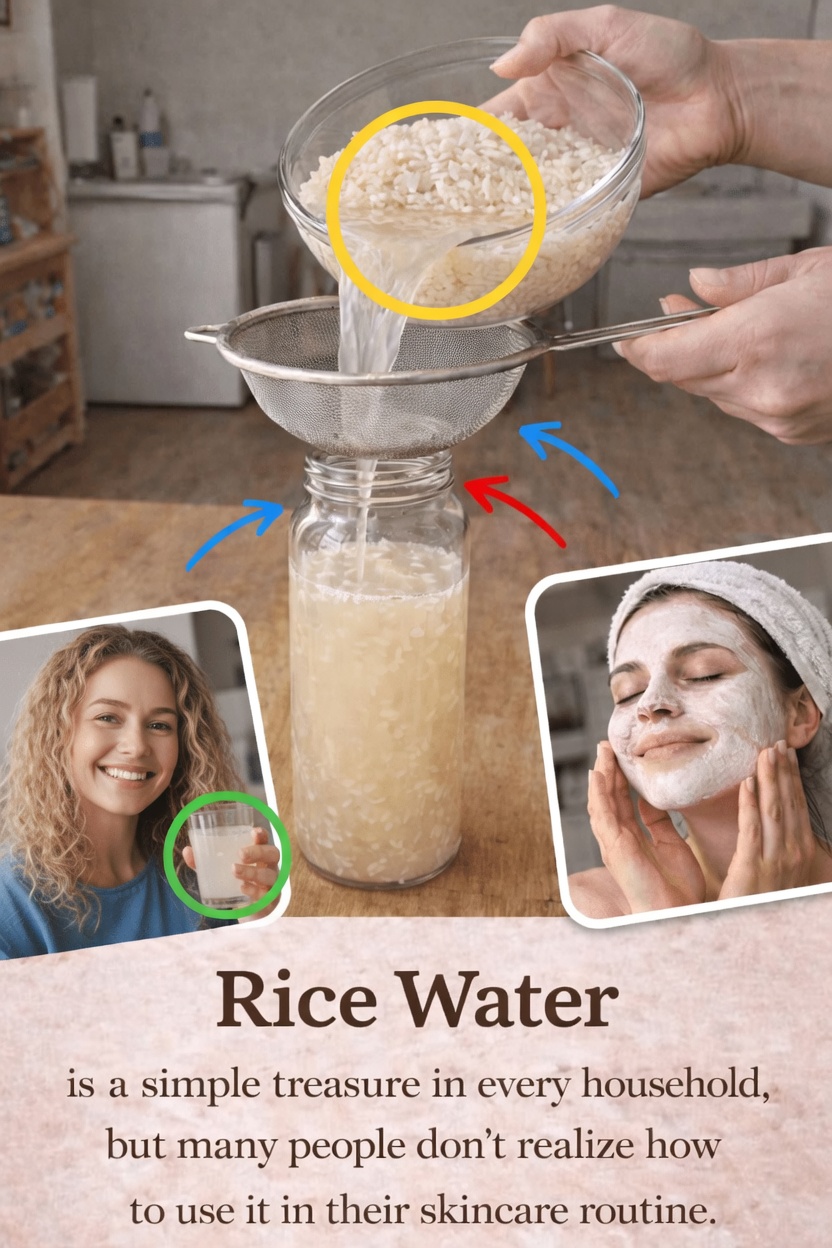
Why Has Rice Water Become a Skincare Favorite?
Rice water is the cloudy, starchy liquid left behind after soaking, rinsing, or cooking rice. It naturally contains:
- Amino acids
- B vitamins
- Antioxidant compounds
- Starches and polysaccharides
Interest in rice water for skin comes from both traditional use and modern studies on rice-derived ingredients. Research has indicated:
- Rice components can show moisturizing and anti-aging properties when used in cosmetic formulas.
- Bathing with rice starch improved the healing ability of irritated skin by around 20% in one group of participants.
While current evidence doesn’t prove every claim made online, it does suggest rice-based ingredients can support hydration, comfort, and protection from environmental stressors. Many people also appreciate that rice water feels gentle and simple compared with heavily fragranced or complex products.
Key Benefits of Using Rice Water in Your Skincare Routine
People turn to rice water for a range of potential skin benefits. Here are some of the most commonly reported advantages:
-
Helps maintain skin moisture
The starches in rice water may form a light, breathable film on the skin, helping reduce water loss so skin feels softer and more hydrated. -
Improves the look of enlarged pores
With mild astringent qualities, rice water can help balance surface oil and slightly tighten the appearance of pores, contributing to a smoother-looking complexion. -
Supports a brighter, more even tone
Antioxidant compounds in rice water may help fight the visible effects of daily oxidative stress, gradually promoting a more luminous, uniform look with regular use. -
Calms everyday redness and discomfort
Its gentle nature makes rice water a popular choice for skin that’s easily irritated, helping to soothe and refresh without a heavy or greasy feel. -
Provides antioxidant defense
Studies show rice-based extracts can exhibit measurable antioxidant activity, which may help shield skin from the impact of pollution, UV exposure, and other environmental stressors.
These benefits stem from both long-standing traditional practices and emerging scientific data. Results will differ from person to person, but many find rice water to be a simple, skin-friendly addition to their routine.
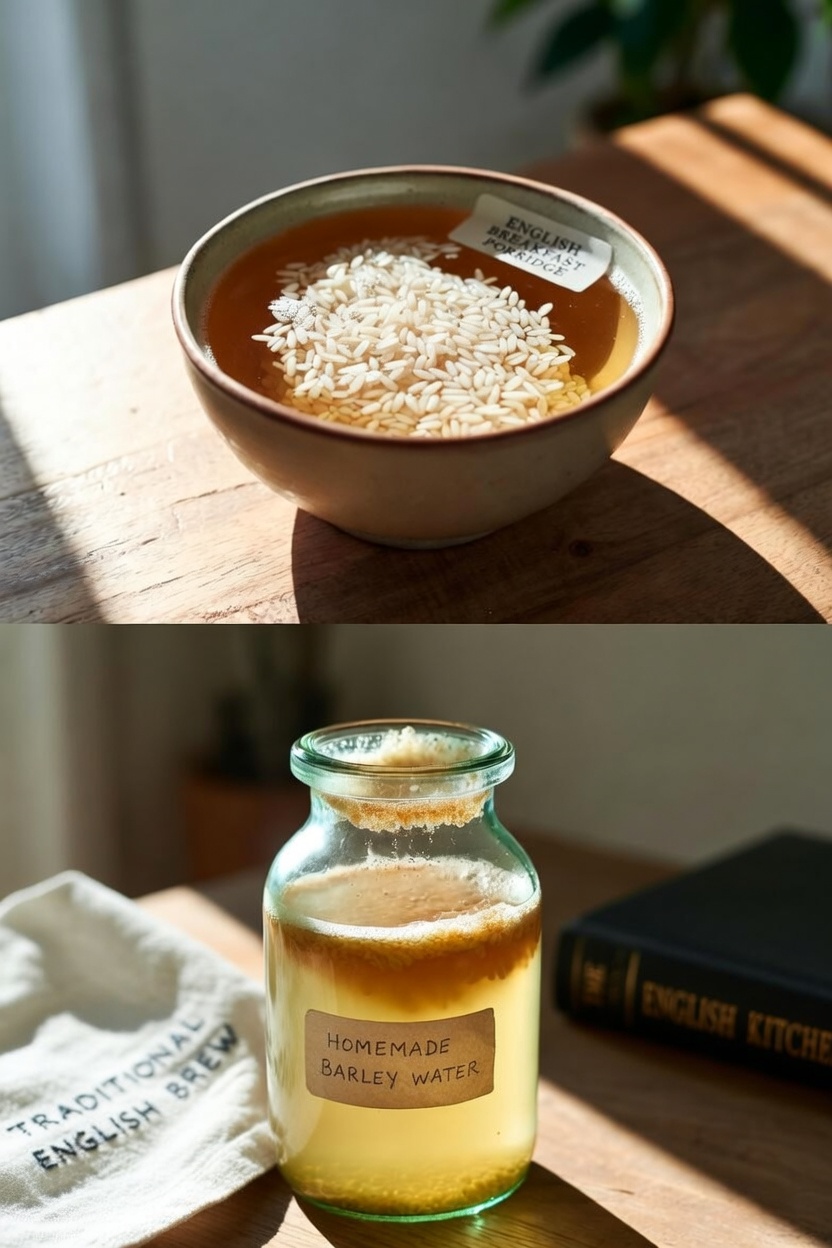
How to Make Rice Water at Home
You don’t need special equipment to create rice water for your face. Below are two popular methods you can try, depending on how much time you have and what type of product you prefer.
1. Quick Soak Method (Fresh Rice Water)
This is ideal if you’re new to rice water or want something mild and ready fast.
- Rinse ½ cup of uncooked rice under cool water to remove dust and excess starch.
- Place the rinsed rice in a clean bowl.
- Add 2–3 cups of fresh, filtered or boiled-and-cooled water.
- Gently swirl or stir for a few minutes, then let it sit for about 30 minutes.
- Strain the liquid into a clean glass jar or bottle.
- Store in the refrigerator and use within 3–4 days.
You can cook the strained rice as usual so nothing goes to waste.
2. Fermented Rice Water (Often Considered More Potent)
Fermented rice water is a traditional variation that may boost the availability of some beneficial compounds.
- Prepare fresh rice water using the soak method above.
- After straining, leave the rice water at room temperature in a loosely covered container for 24–48 hours.
- When it develops a faint sour or tangy scent, transfer it to the refrigerator.
- Use within about one week, discarding if the smell becomes strong or unpleasant.
Because fermentation can intensify the mixture, some people dilute fermented rice water with plain water, especially if their skin is dry or sensitive.
Important: Always handle with clean hands and utensils, and start with a patch test. Apply a small amount to the inside of your arm, wait 24 hours, and only use on your face if no irritation appears.
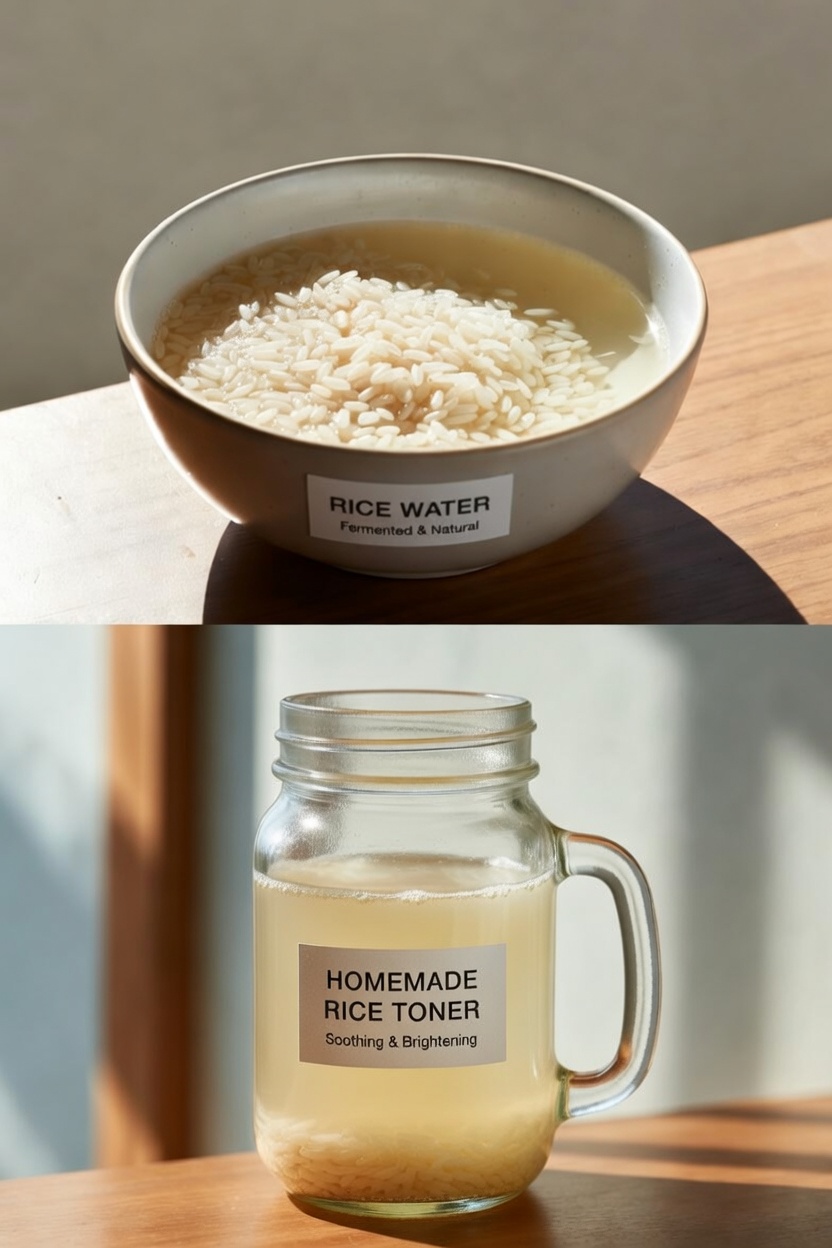
How to Use Rice Water for Face and Pores
Once your rice water is ready, you can incorporate it into your skincare regimen in several ways. Choose the options that fit your lifestyle and skin type.
1. As a Gentle Toner
- After cleansing, pour a small amount of rice water onto a cotton pad.
- Sweep the pad over your face and neck, avoiding the immediate eye area.
- Let it air-dry before applying serum and moisturizer.
This can help remove leftover impurities, lightly balance oil, and prep skin for the next steps in your routine.
2. As a Hydrating Face Mist
- Transfer rice water into a clean spray bottle.
- Mist it lightly over your face whenever your skin feels dry or tired.
This works especially well in heated or air-conditioned environments and in hot climates where skin can feel parched.
3. As a Soothing Face Mask
Option A – Sheet Mask Style:
- Soak a dry, compressed sheet mask or thin cotton pads in rice water.
- Apply to your face and leave on for 10–15 minutes.
- Remove and rinse with lukewarm water if desired, then follow with moisturizer.
Option B – Simple DIY Mask:
- Apply rice water with clean fingers or a brush as a generous layer.
- Leave on for 10–15 minutes, then rinse off.
- For extra nourishment, you can mix in a small amount of honey if your skin tolerates it.
4. As a Final Rinse in Your Cleansing Routine
- After using your regular cleanser, splash or pat diluted rice water over your face.
- Gently pat dry with a clean towel.
This final step may enhance softness and leave your skin feeling refreshed.
Consistency matters: Most people notice subtle changes—like smoother feel or a more balanced look—after 2–4 weeks of regular use.
Fresh vs. Fermented Rice Water: Which Is Better?
Both versions can be useful, and the “best” choice depends on your skin and comfort level.
-
Fresh rice water
- Mild and gentle
- Ready to use within 30 minutes
- Ideal for beginners and sensitive skin
-
Fermented rice water
- May contain more concentrated beneficial compounds
- Has a slightly sour scent
- Often preferred by those focusing on texture and pore appearance
-
For both types
- Always store in the refrigerator
- Discard if the smell changes significantly or the liquid looks unusual
Many people start with fresh rice water to see how their skin reacts, then experiment with fermented versions later.
Tips for Best Results and Safety
To make rice water for skin work effectively and safely in your routine, keep these guidelines in mind:
-
Introduce it slowly
Begin with 2–3 uses per week. If your skin tolerates it well, you can increase frequency. -
Always moisturize afterward
Rice water is not a stand-in for a good moisturizer. Follow with a hydrating cream or lotion to lock in moisture. -
Use sunscreen daily
While rice water may support a brighter complexion, it does not replace SPF. Protecting your skin from UV damage is essential for overall skin health and for maintaining results. -
Listen to your skin
If you notice tightness, dryness, itching, or redness, cut back on use or stop entirely. -
Consult a professional for skin conditions
If you have very reactive skin, eczema, rosacea, or other chronic concerns, discuss rice water with a dermatologist before trying it.
Turning rice water into a regular ritual can make your skincare routine feel more intentional and soothing—a small self-care moment anchored in tradition.
Frequently Asked Questions
How often should I use rice water on my face?
Most people start with once a day or every other day as a toner or face mist. If your skin feels comfortable and not tight or dry, you may continue at that frequency. If it feels sensitized, reduce usage to a few times a week.
Is fermented rice water better than fresh rice water?
Fermented rice water may offer enhanced benefits for some people because fermentation can increase the presence or availability of certain compounds. However, it’s also stronger and may not suit very sensitive skin. Fresh rice water is gentler and a good place to start; both can be effective depending on your skin’s needs.
Can rice water help with oily skin and large pores?
Yes, that’s one of the reasons rice water for face care is so popular. Its mild astringent effect may help regulate excess sebum and refine the look of enlarged pores, making it a frequent choice for oily or combination skin types. Results are gradual and depend on your overall routine and consistency.
Conclusion: A Simple, Gentle Step Toward Radiant Skin
Rice water offers a low-cost, accessible way to explore natural skincare. By preparing it at home and using it thoughtfully, you can tap into a time-honored practice that may support:
- Smoother, more refined-looking pores
- A brighter, more even complexion
- Better hydration and comfort for the skin
As with any skincare ingredient, patience and consistency are key. Try adding rice water to your routine and observe how your skin responds—you may find it becomes a quietly powerful staple in your journey toward a healthy, radiant glow.