A Simple Beetroot Juice Habit to Support Healthy Blood Pressure and Circulation
Keeping blood pressure within a healthy range is a common part of protecting long-term heart health. Everyday factors such as stress, aging, and food choices can gradually affect how well blood vessels function, sometimes contributing to low energy or general discomfort. One practical and natural strategy many people are exploring is adding more nutrient-rich foods and drinks to their routine.
Could an easy homemade juice help support better circulation and cardiovascular wellness? Beetroot juice has become a popular option, and growing research suggests it may offer meaningful benefits when combined with healthy lifestyle habits. Below, you’ll learn why it has gained so much attention and how to make a simple version at home.
Why Beetroot Juice Is Often Linked to Heart Health
Beetroot, or beet, is a colorful root vegetable rich in naturally occurring dietary nitrates. Inside the body, these nitrates can be converted into nitric oxide, a compound that helps blood vessels relax and widen. As a result, blood may flow more easily, which can support healthy blood pressure levels.
A number of studies, including systematic reviews and meta-analyses, have looked at how beetroot juice may influence cardiovascular health. Findings from several clinical trials suggest that drinking nitrate-rich beetroot juice regularly may produce modest reductions in systolic blood pressure, which is the top number in a blood pressure reading. These effects have been observed in different populations, including people with already elevated readings, although results can differ depending on age, overall health, and other personal factors.
Beetroot offers more than nitrates alone. It also contains antioxidants called betalains, along with folate, potassium, and other valuable nutrients. When eaten whole, beets also provide fiber. Together, these components may help reduce oxidative stress and support healthier blood vessel function.
How Beetroot Juice May Encourage Better Circulation
Good circulation allows blood to move efficiently through arteries and veins, carrying oxygen and nutrients throughout the body while helping remove waste. When blood vessels become less flexible or more constricted, the heart has to work harder, and this may affect both comfort and energy.
The main reason beetroot juice is studied for circulation is its role in the nitrate–nitric oxide pathway. Research suggests that by increasing nitric oxide availability, beetroot juice may help:
- Support endothelial function, which refers to the health of the inner lining of blood vessels
- Improve blood vessel elasticity
- Promote more efficient oxygen delivery during normal daily movement or light physical activity
Some studies involving older adults and people with cardiovascular concerns have reported short-term improvements in blood flow markers after beetroot juice consumption. While it should not be viewed as a standalone fix, it can be a useful addition to a heart-conscious lifestyle.
Nutrients in This Juice and How They Work Together
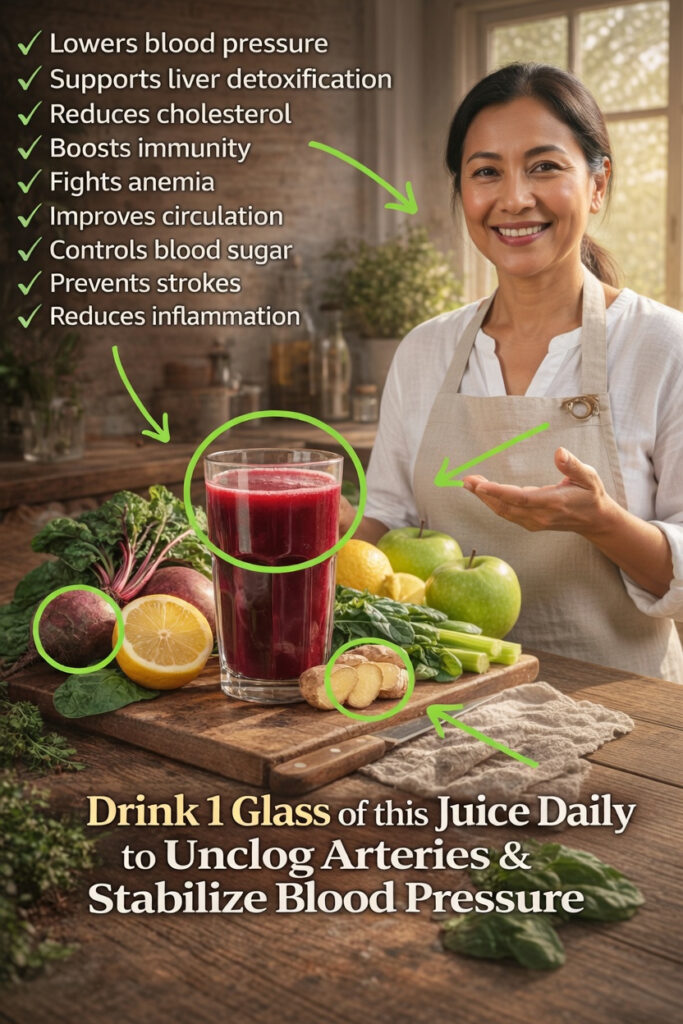
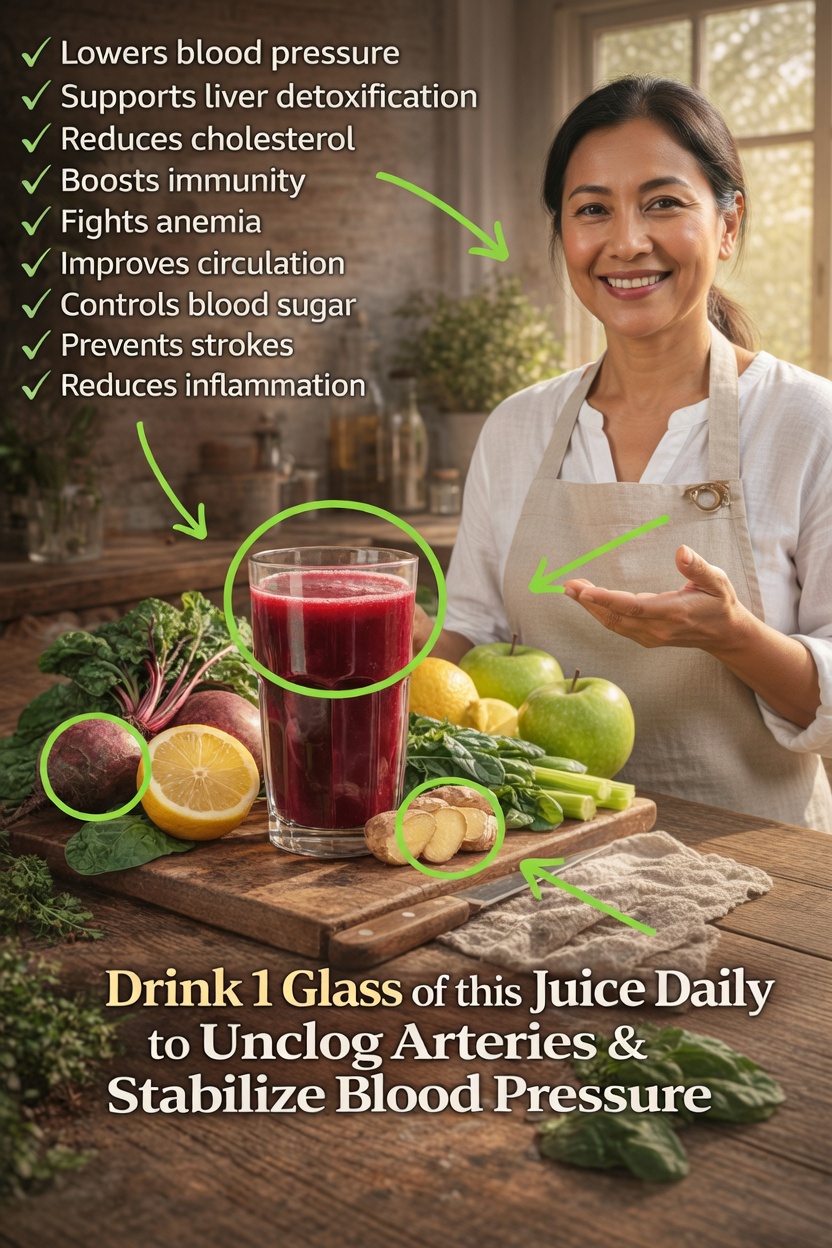
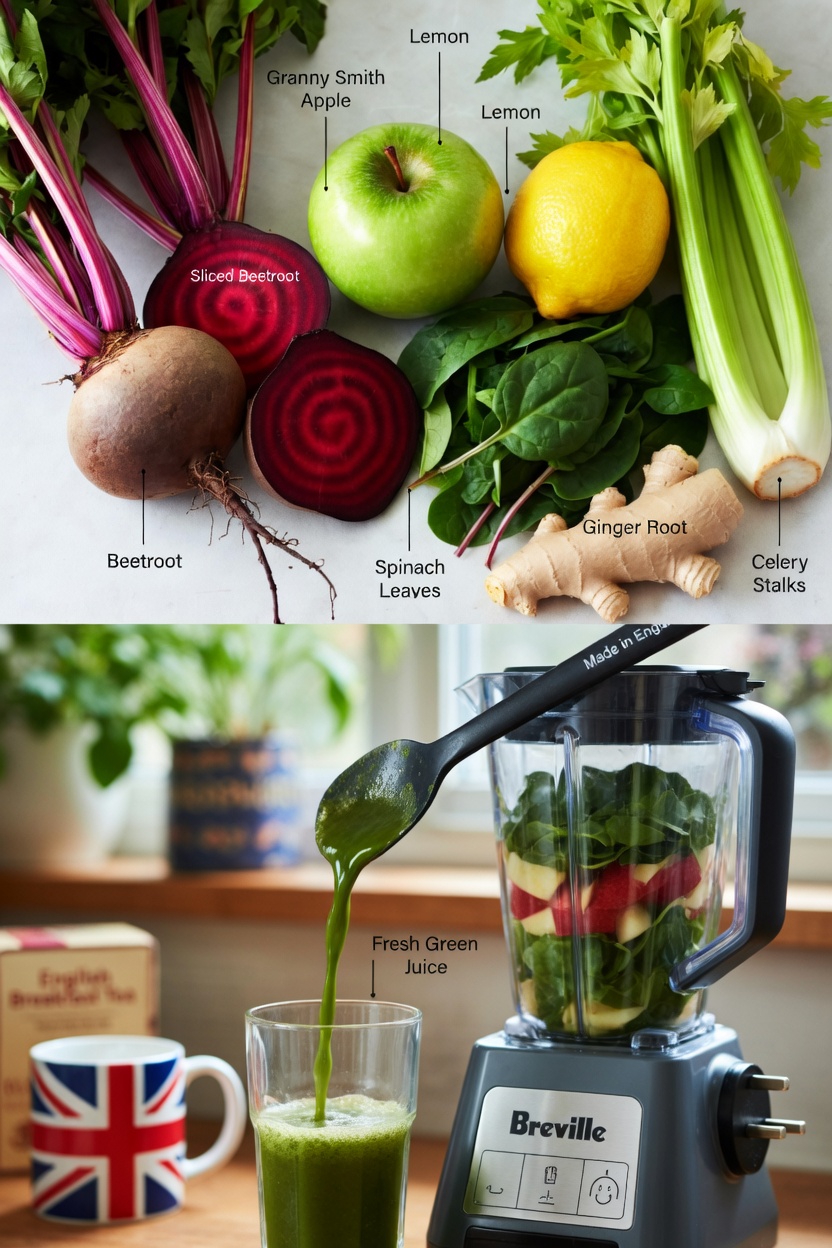
This juice blends several ingredients that complement one another nutritionally and can support cardiovascular wellness in different ways:
- Beetroot: Supplies dietary nitrates that may boost nitric oxide production, plus betalains for antioxidant protection
- Spinach or kale: Adds more natural nitrates as well as vitamins and minerals, including potassium
- Apple and lemon: Bring natural sweetness, vitamin C, and plant compounds such as polyphenols
- Ginger: Contributes a fresh, spicy flavor along with anti-inflammatory compounds
- Celery: Provides extra nitrates and supports hydration
Combined, these ingredients create a refreshing, nutrient-dense drink that can fit into a balanced approach to heart health.
Easy Beetroot Juice Recipe for Daily Wellness
Making beetroot juice at home is quick and simple, whether you use a juicer or a blender.
Ingredients
Makes 1 serving, about 8 to 12 ounces:
- 2 medium fresh beets, peeled and chopped
- 1 green apple, cored
- 1 lemon, peeled
- 1 handful of spinach or kale
- 2 to 3 celery stalks
- 1-inch piece of fresh ginger, peeled
Instructions
- Wash all produce thoroughly.
- Cut everything into smaller pieces that will fit your juicer or blender.
- If using a juicer, process the ingredients together. For best results, start with softer ingredients and finish with the beets.
- If using a blender, add a small splash of water and blend until smooth.
- Strain the mixture through a fine mesh sieve or a nut milk bag if you prefer a smoother juice.
- Stir well and drink immediately for the freshest taste.
- Many people prefer having it in the morning, ideally before eating, though tolerance can vary.
- Begin with 1 glass a day and pay attention to how your body feels.
Simple Variation Tip
- Add a carrot for a slightly sweeter flavor
- Include a few mint leaves for extra freshness
- Choose fresh, high-quality produce whenever possible
How to Make the Habit More Effective
If you want to get the most from beetroot juice, consistency and timing may matter.
- Drink it regularly: Many studies examine daily intake over several weeks rather than occasional use
- Pay attention to timing: Some research suggests effects may peak around 2 to 3 hours after drinking it
- Support it with healthy habits: Pair it with regular physical activity, balanced meals, good sleep, and stress management
- Track your response: Notice changes in energy or circulation, and use a home blood pressure monitor if recommended by your healthcare provider
- Store it properly: Fresh juice is ideal, but if needed, keep it in a sealed container in the refrigerator and use within 24 hours
There is also an interesting detail many people overlook: oral health may influence how effectively dietary nitrates are converted in the body. Certain beneficial mouth bacteria are involved in this process, so maintaining good dental hygiene could be helpful.
What Research Currently Suggests
Current scientific findings offer encouraging, though not absolute, support for beetroot juice as part of a heart-friendly routine.
- Meta-analyses have reported average systolic blood pressure reductions of around 4 to 5 mmHg with regular nitrate-rich intake
- Clinical trials in healthy adults and in people with hypertension have found short-term improvements in blood vessel relaxation
- The most likely mechanism is the conversion of nitrates into nitric oxide, with added support from antioxidant compounds
These findings are promising, but they are not guarantees. Individual responses depend on overall diet, age, health status, activity level, and other personal factors.
Frequently Asked Questions
How much beetroot juice should I drink each day?
Many studies use about 200 to 500 ml, or roughly 1 to 2 cups, providing around 300 to 600 mg of nitrates. A practical starting point is 1 glass, about 8 to 12 ounces, then adjust based on your taste and tolerance.
Is beetroot juice safe for everyone?
It is generally well tolerated, but people with kidney problems, naturally low blood pressure, or those taking medications such as blood pressure drugs should speak with a healthcare professional before using it regularly. Its nitrate and potassium content may not be suitable for everyone.
Can I eat whole beets instead of drinking the juice?
Yes. Whole beets still provide many of the same nutrients and also add fiber. You can roast them, steam them, or slice them into salads. Juice simply gives a more concentrated source of dietary nitrates.
What can I do if the flavor is too earthy?
Try adjusting the balance with more apple, lemon, or ginger. Many people find the taste becomes more enjoyable over time.
Important Note
Always talk with your doctor before making major dietary changes, especially if you have an existing medical condition or take prescription medications. This article is provided for informational purposes only and should not be considered medical advice. It is not intended to diagnose, treat, cure, or prevent any disease, and individual results may vary. Professional guidance is important for personalized health decisions.