Onions, Onion Peels, and Men’s Wellness: A Simple Habit Backed by Emerging Science
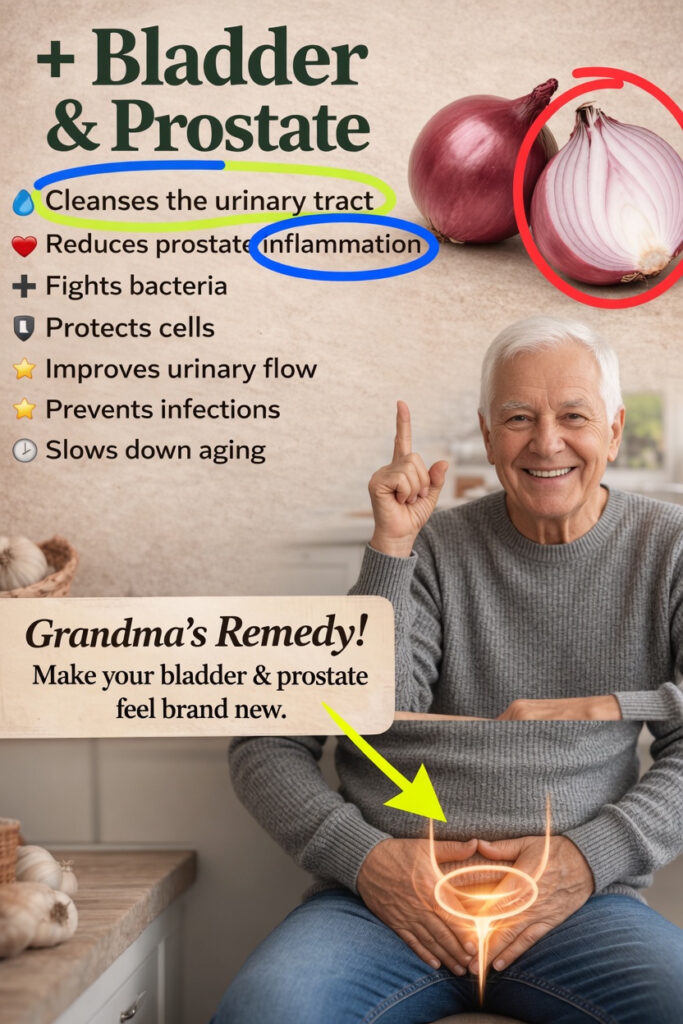
As men get older, it is common to notice occasional changes involving the prostate and urinary system. These issues may influence comfort, nighttime rest, and overall day-to-day well-being. Interestingly, a basic kitchen ingredient like onion—along with the peels of certain fruits—has attracted interest for its naturally occurring plant compounds. This article looks at what research says about onions, why their peels matter, and how to use them in practical daily routines to support better wellness.
Why Onions and Their Peels Matter for Men’s Health
Onions are part of the Allium vegetable family. They contain several beneficial compounds, especially quercetin, a flavonoid known for antioxidant and anti-inflammatory activity. Researchers have explored whether eating Allium vegetables regularly may help support prostate and urinary health.
A large European case-control study reported that men who consumed more onions and garlic had lower odds of benign prostatic hyperplasia, or BPH, than those with lower intake. Additional observational research has also suggested that diets rich in these vegetables may be linked with a healthier prostate risk profile.
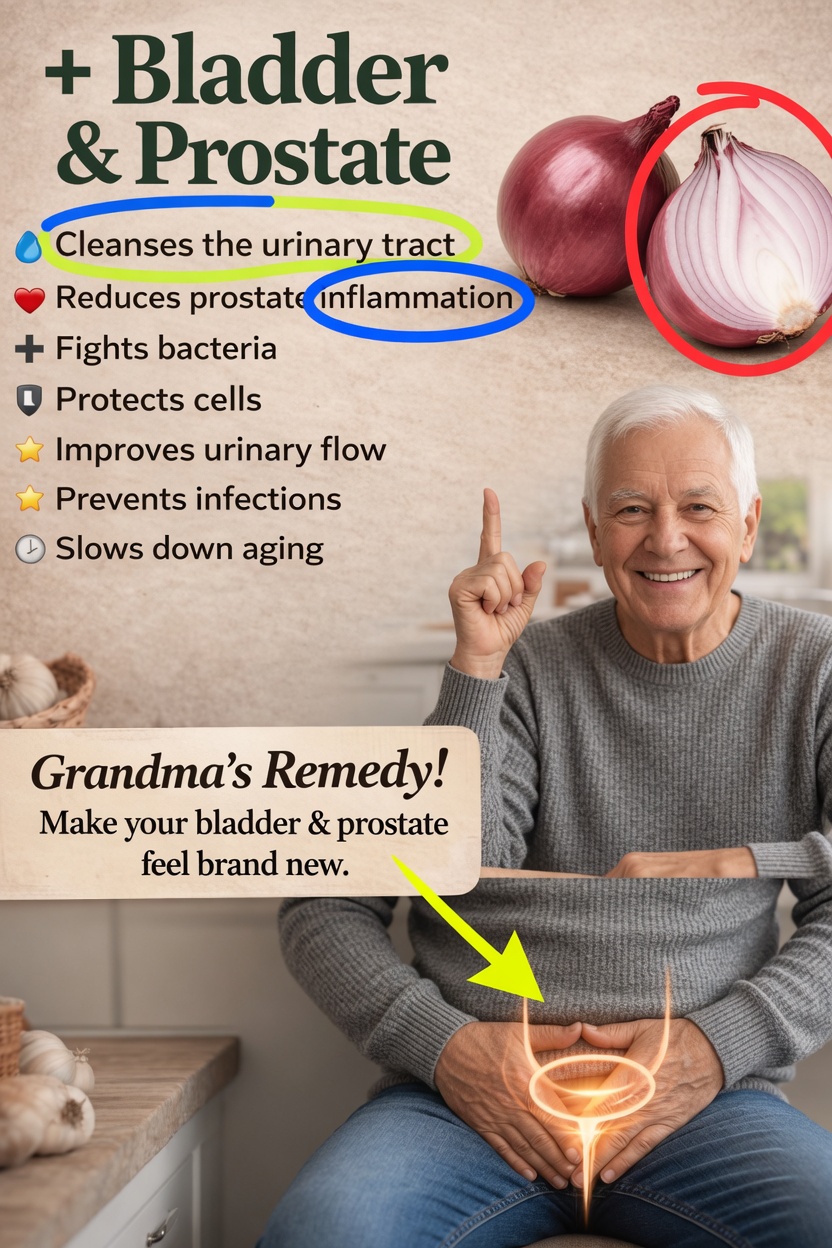
Quercetin is found throughout the onion, but it is especially concentrated in the outer layers and skins. Laboratory and animal studies have examined how this compound may affect cellular activity in ways relevant to prostate health. Although strong human clinical evidence is still limited, these findings help explain why onions remain a frequent topic in nutrition discussions focused on men’s wellness.
Another important point is that onion peels are often thrown away, even though they contain more quercetin and polyphenols than the inner part of the onion. In some traditional home practices, these peels are brewed into tea, creating a simple way to include more antioxidant compounds in the diet.
What Research Says About Quercetin and Prostate Support
Quercetin works as a powerful antioxidant, helping the body deal with oxidative stress. This process is associated with aging and inflammation in many tissues, including the prostate. Laboratory research from the Mayo Clinic found that quercetin was able to interfere with androgen-related activity in prostate cancer cell lines, though this was early in vitro evidence rather than proof from human treatment studies.
Population-based studies have also added to the interest. Research from western New York linked higher quercetin intake from foods such as onions with a lower risk of prostate cancer. A meta-analysis focused on Allium vegetables likewise suggested possible protective associations with prostate-related concerns.
It is important to interpret these findings carefully. Associations in dietary studies do not guarantee a direct effect, and no individual food can prevent or cure disease. Still, eating more nutrient-rich foods like onions can be a smart part of a larger healthy lifestyle.
Key Onion Compounds Researchers Often Highlight
- Quercetin: A strong antioxidant flavonoid, especially abundant in onion peels
- Organosulfur compounds: May support cellular function and offer mild antimicrobial benefits
- Polyphenols: Contribute to the anti-inflammatory potential of onions
- Vitamin C and fiber: Support immune health, digestion, and general wellness
Onion Peel Tea: A Traditional and Easy Wellness Habit
Traditional cooking often values using the entire ingredient rather than wasting useful parts. Onion peel tea is one example of that approach. Some people use it as a mild daily drink to increase their intake of polyphenols and antioxidant compounds. It is not a medical remedy, but it can be a gentle addition to a wellness routine.
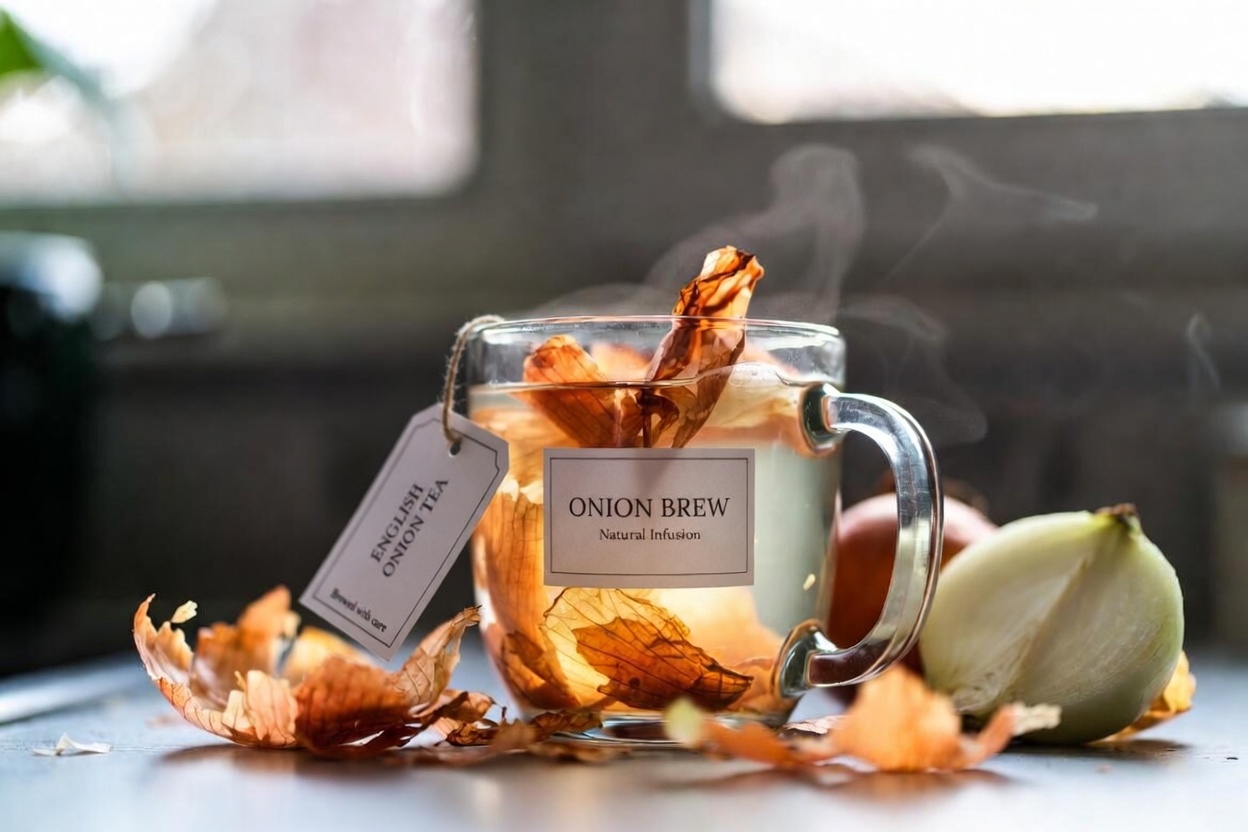
How to Make Onion Peel Tea
- Save the dry outer skins from 2 to 3 medium onions. Red or yellow onions are often preferred because they tend to contain more quercetin. Rinse the peels lightly under cool water to remove dirt or dust.
- Add the peels to a pot with 2 to 3 cups of water.
- Bring the water to a light boil, then lower the heat and let it simmer for 10 to 15 minutes.
- Turn off the heat and allow the tea to steep for another 10 minutes.
- Strain the liquid into a cup.
Optional Flavor Additions
- A slice of fresh ginger
- A teaspoon of honey
- A squeeze of lemon
Drink it warm once or twice a day if desired. The flavor is usually mild and earthy, making it easy to include in a morning or evening routine. If you are new to it, start with a small amount and see how your body responds.
Easy Ways to Add Onions and Fruit Peels to Your Daily Diet
Onions are simple to use in everyday meals, and they provide a convenient way to increase intake of helpful plant compounds. Here are some practical ideas:
- Add raw or lightly cooked onions to salads, omelets, soups, or grain bowls
- Roast whole onions as a side dish to keep meals flavorful and nutrient-rich
- Cook onions with garlic and tomatoes for a combination of Allium compounds and lycopene
- Save organic apple peels or citrus peels, wash them well, dry them, and use them in teas or smoothies for extra flavonoids
Potential Benefits of a Vegetable-Rich Routine
Based on observational evidence, regularly eating onions and similar plant foods may help:
- Support antioxidant defenses against daily oxidative stress
- Promote urinary comfort as part of an overall balanced diet
- Improve hydration and fiber intake when included in wholesome meals
- Fit naturally into anti-inflammatory and heart-friendly eating patterns
The key is consistency. Small, regular amounts are more realistic and useful than trying to consume large servings all at once.
Lifestyle Habits That Work Well Alongside Onion Intake
Diet is only one part of the picture. Men’s prostate and urinary health are better supported when good nutrition is combined with healthy everyday habits.
Helpful practices include:
- Staying active through walking, strength training, or other regular exercise
- Drinking enough water throughout the day to maintain hydration
- Reducing stress with breathing exercises, relaxation, or enjoyable hobbies
- Limiting personal trigger foods such as too much caffeine, alcohol, or spicy meals if they worsen symptoms
- Seeing a doctor regularly for recommended health checks, including PSA screening when appropriate
Common Questions About Onions and Prostate Health
Can onion peel tea replace medical care for urinary issues?
No. Onion peel tea may be a pleasant way to increase antioxidant intake, but it should never replace professional medical advice or treatment. If you have urinary symptoms or prostate concerns, speak with your healthcare provider.
How much onion is usually discussed in research?
Observational studies often refer to moderate intake, sometimes around 10 grams or more of Allium vegetables per day. That amount can be reached with a small onion or by spreading several servings across meals.
Are onion peels safe for everyone?
Most people tolerate onions well, but some may notice mild digestive discomfort, bloating, or heartburn, especially if they are sensitive to Allium vegetables. Begin slowly and stop if symptoms appear. People taking blood-thinning medication should consult a doctor because mild interactions may be possible.
Are red onions better than yellow or white onions?
Red onions often contain higher levels of quercetin and anthocyanins, which makes them an attractive option. However, yellow and white onions also provide beneficial compounds, so all varieties can be useful.
Final Thoughts
Adding onions and even onion peels to meals and teas is a simple, affordable habit supported by both traditional use and growing scientific interest. Compounds such as quercetin may help provide antioxidant support, which fits well with broader efforts to maintain prostate and bladder comfort over time.
For the best overall benefit, pair this habit with a balanced diet, regular movement, proper hydration, stress management, and routine medical checkups. Small changes in the kitchen can become meaningful steps toward long-term wellness.