
Chayote Squash: A Light, Nutrient-Rich Food for Heart Health, Circulation, and Daily Vitality
Many people experience common day-to-day issues such as stiffness after movement, minor swelling in the feet or legs after standing for hours, uneven blood pressure readings, concerns about cholesterol, or occasional low energy. While these challenges may seem small at first, they can gradually make everyday activities feel harder and reduce overall quality of life.
A practical way to support long-term wellness is to include more nutrient-dense foods in your daily meals. One vegetable that deserves more attention is chayote squash. It is naturally low in calories, easy to prepare, and packed with valuable vitamins, minerals, fiber, and plant compounds. This article looks at how chayote can support a balanced lifestyle and includes a simple, refreshing way to enjoy it.
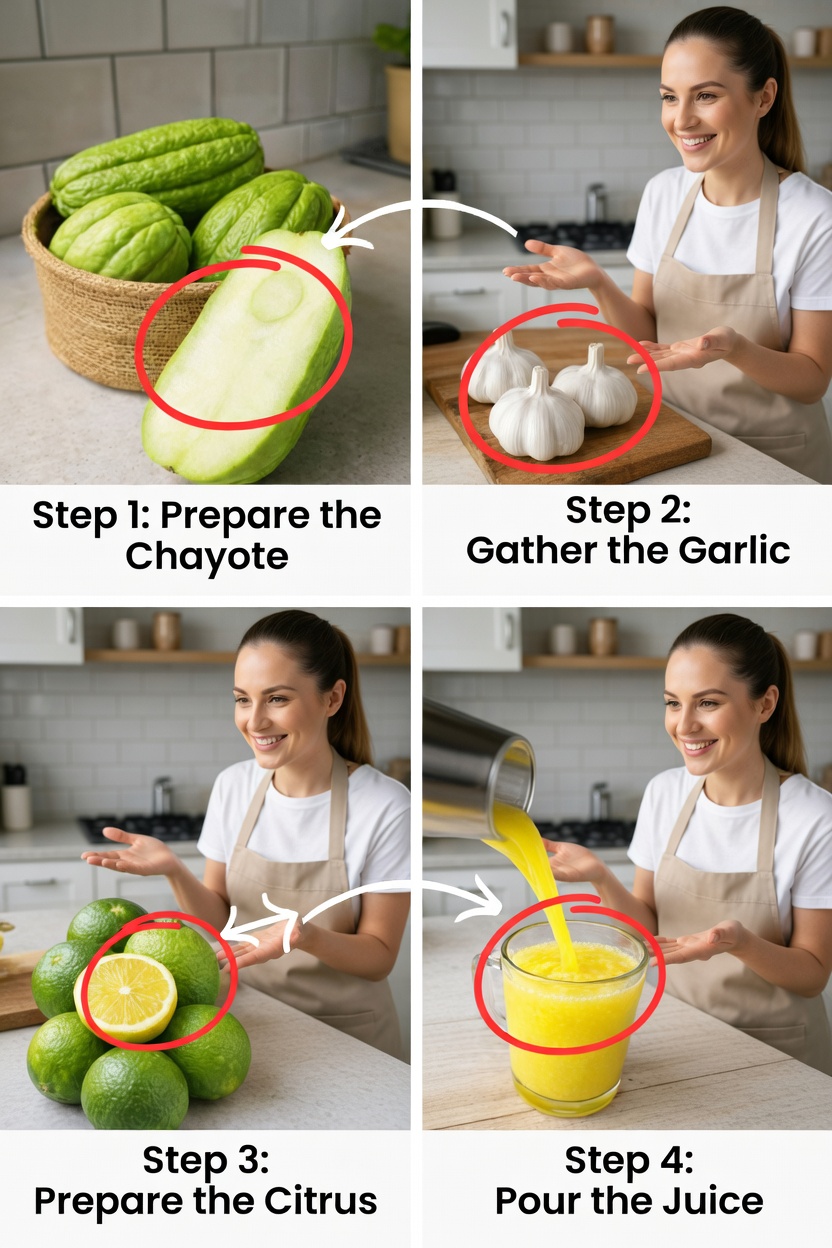
Why Chayote Squash Is So Nutrient Dense
Chayote squash, sometimes called mirliton or chow chow, belongs to the squash family and has a mild taste that works well in many dishes. Despite being light and low in calories—roughly 39 calories per medium squash—it provides an impressive nutritional profile.
One of its standout nutrients is folate, with one squash delivering about 47% of the daily value. Folate plays an important role in cell function and is especially important during pregnancy. Chayote also provides:
- Vitamin C
- Potassium
- Dietary fiber
- Antioxidants, including myricetin and other flavonoids
Research discussed by health sources such as Healthline and WebMD suggests these nutrients may contribute to overall wellness. Potassium helps the body maintain healthy fluid and electrolyte balance, while fiber supports digestion and can be part of a heart-conscious eating pattern.
These benefits become even more meaningful when we look at how chayote may relate to specific wellness goals.
Chayote and Potential Support for Heart Health
For many adults, protecting heart health is a major priority. Chayote may be a helpful addition to a heart-friendly diet because of its potassium content. Potassium works with the body to help maintain healthy blood pressure levels and can help offset some of sodium’s effects.
Preliminary human research and animal studies suggest that the phytochemicals found in chayote may support improved blood flow and contribute to healthier blood pressure balance. A review published in 2021 also highlighted the role of its antioxidants in supporting cardiovascular function, although more human studies are still needed.
Fiber adds another layer of support. In population research, a higher intake of fiber-rich foods is associated with lower risk factors linked to heart disease.
Key Nutrients in Chayote for Heart Support
- Potassium: Helps balance sodium in the body
- Fiber: May support healthy cholesterol management
- Antioxidants: Help defend cells from oxidative stress
Adding chayote to regular meals may be a simple way to support healthy circulation and overall cardiovascular habits.
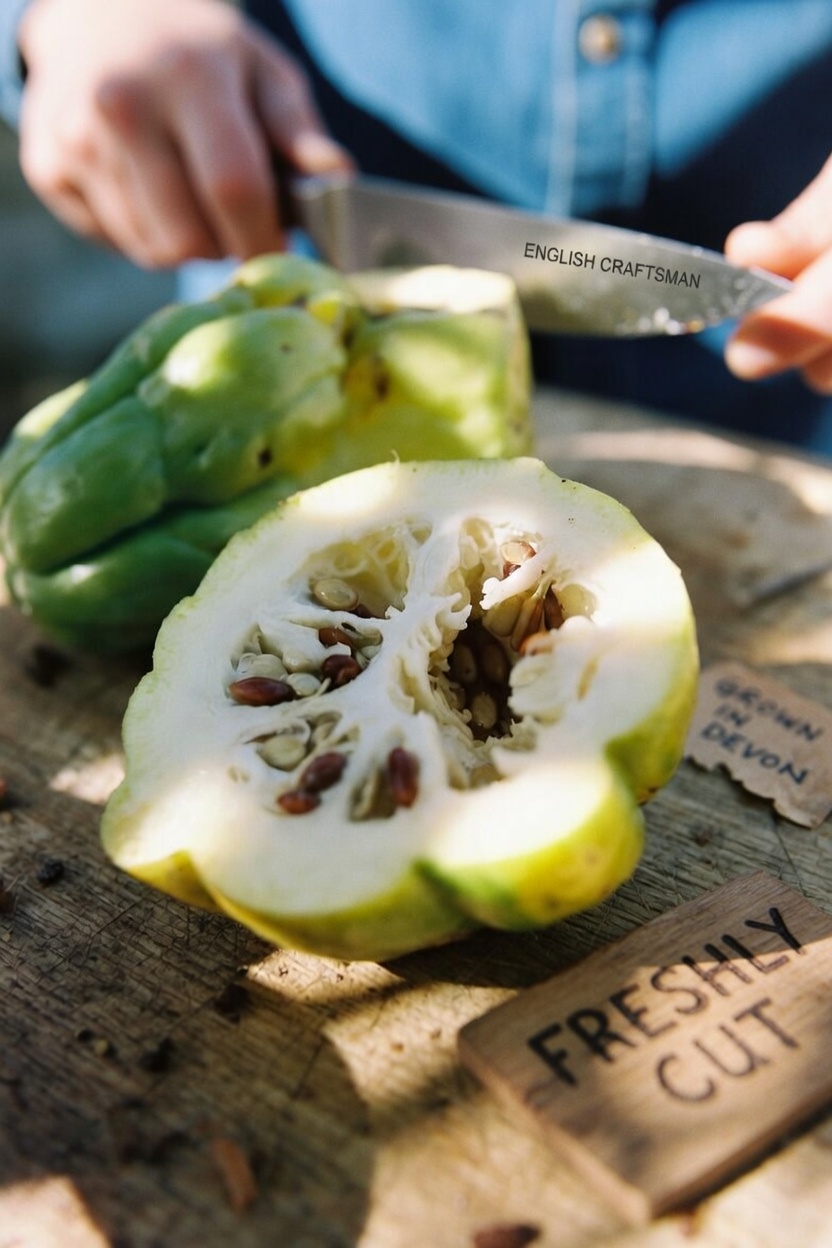
Possible Benefits for Cholesterol and Circulation
Managing cholesterol often starts with choosing more whole, minimally processed foods. Chayote contains beneficial compounds such as myricetin, which has shown cholesterol-lowering effects in some animal research.
Its combination of fiber and flavonoids may also help support healthy lipid metabolism and reduce oxidative stress. Some clinical observations involving older adults with metabolic concerns have reported improvements in HDL cholesterol, often called the “good” cholesterol, after regular intake.
Healthy circulation is closely tied to these factors. When blood pressure remains balanced and inflammation is better managed, blood flow may improve. Better circulation can support comfort, movement, and consistent energy during the day.
Chayote Compared With Other Common Vegetables
-
Chayote
- Very low in calories
- High in folate
- Good source of potassium
- Provides fiber and antioxidants
-
Cucumber
- Very hydrating
- Low in calories
- Generally lower in folate than chayote
-
Zucchini
- Mild and versatile
- Similar in texture for many recipes
- Chayote may provide higher amounts of certain antioxidants
Because of this balance of nutrients and low calorie content, chayote stands out as a smart option for those looking to improve food quality without adding excess calories.
Everyday Comfort, Swelling, and Energy Support
Minor swelling in the legs or feet and reduced joint comfort can affect how easily a person moves through the day. No single food can erase these issues, but nutrient-rich foods may help support the body in gentle ways. Chayote contains antioxidants with anti-inflammatory potential and also contributes to hydration, both of which may support daily comfort.
Its nutrients may also help with energy. Folate, small amounts of iron, and vitamin C—which supports iron absorption—can all contribute to red blood cell health and steady energy levels when included as part of a varied diet.
Laboratory and animal studies have shown that chayote may help protect cells against oxidative damage, which tends to build up over time due to stress, aging, and environmental factors.
Easy Ways to Add Chayote to Your Meals
One reason chayote is so useful is its versatility. It can be enjoyed:
- Raw
- Steamed
- Stir-fried
- Roasted
- Added to soups
- Blended into juice
Many people enjoy drinking chayote juice because it is simple, light, and refreshing.
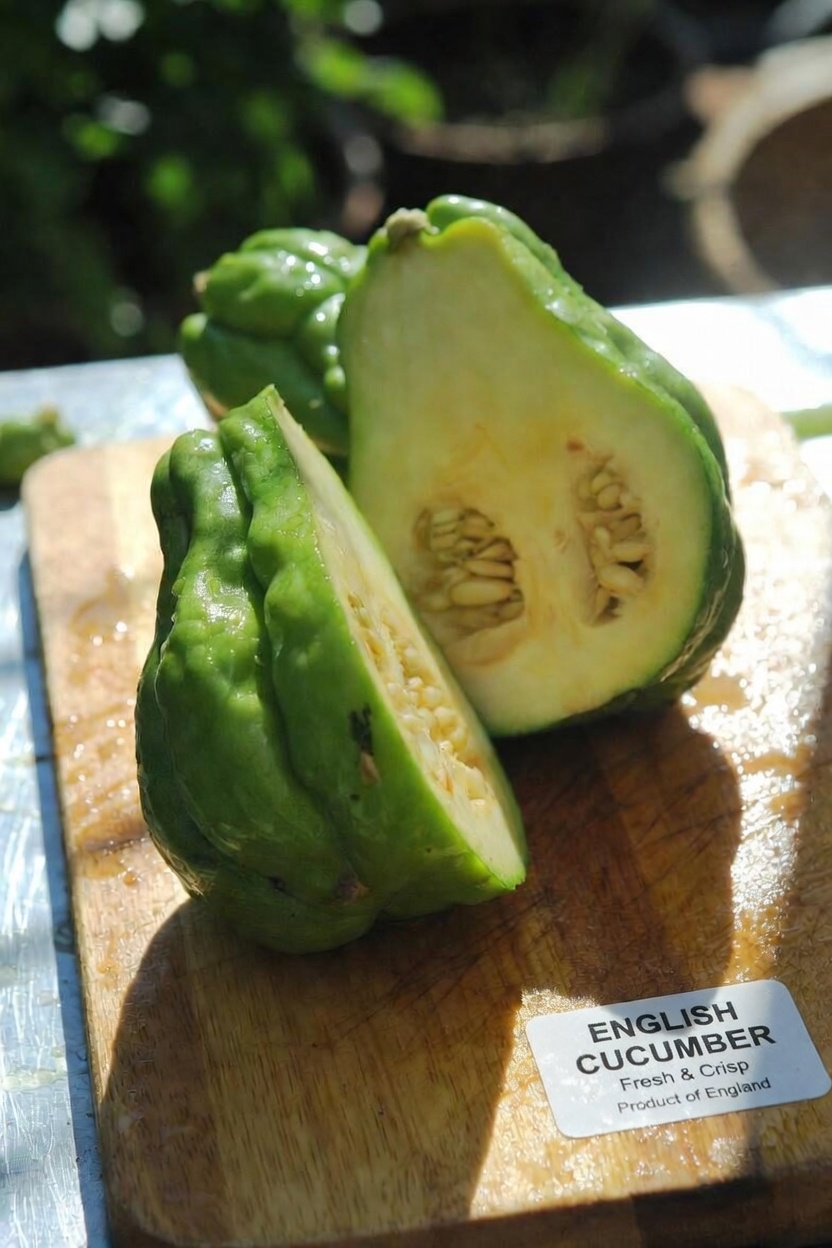
Simple Chayote Juice Recipe
Ingredients
- 2 to 3 medium chayote squash
- 1 to 2 cups water
- Fresh lime or lemon juice, to taste
- Optional: a small piece of fresh ginger
Instructions
- Wash the chayote thoroughly. You can peel it if you prefer, although the skin is edible.
- Cut the squash into chunks.
- Blend the pieces with water until smooth.
- Strain the mixture if you want a thinner juice, or keep the pulp for extra fiber.
- Add lime or lemon juice for freshness.
- Mix in a little ginger if you want more flavor.
- Chill and serve.
Serving Suggestion
- Drink one glass daily as part of a balanced eating routine.
- For variety, blend it with green apple or cucumber.
This drink is an easy way to combine hydration and nutrition in one simple serving.
Practical Tips for Using Chayote More Often
If you want to make chayote part of your routine, start with easy meals and snacks.
Simple Ideas
- Breakfast: Add raw diced chayote to smoothies or fresh salads for crunch.
- Lunch or dinner: Steam or roast it with herbs and serve alongside lean protein.
- Snack: Slice it thin and enjoy it with hummus for a light, low-calorie bite.
- Storage: Keep it in the refrigerator crisper drawer for up to two weeks.
A good way to build the habit is to try one new chayote recipe each week.
Final Thoughts
Chayote squash is a simple but valuable food that can help increase nutrient intake while supporting heart-friendly habits, circulation, energy, and daily comfort. Its mix of vitamins, minerals, fiber, and antioxidants makes it a strong addition to a balanced lifestyle, and ongoing research continues to explore its full potential.
That said, no food should replace professional medical care. If you have a health condition or are monitoring blood pressure, cholesterol, swelling, or fatigue, speak with your healthcare provider for guidance tailored to your needs.
FAQ
Is it safe to eat chayote every day?
Yes. Chayote is generally considered safe and nutritious when eaten as part of a balanced diet. Most people tolerate it well, but if it is new to you, begin with smaller portions.
Can chayote naturally support healthy blood pressure?
Its potassium and antioxidant content may help support healthy blood pressure as part of an overall healthy lifestyle. However, it should not replace prescribed medications or medical advice.
What is the best way to prepare chayote to keep its nutrients?
Eating it raw or cooking it lightly is often the best way to preserve nutrients. Juicing, steaming, or lightly sautéing it can help retain much of its fiber, vitamins, and beneficial compounds.