
Matcha Green Tea for Blood Sugar Support: What the Research Suggests
Keeping blood sugar levels stable can be challenging for many people trying to support their everyday health. When glucose levels swing too much, it may lead to low energy, mood changes, and difficulty staying productive throughout the day. In many cases, these ups and downs are connected to highly processed diets, excess sugar intake, and low physical activity, all of which can make healthy glucose regulation more difficult.
The encouraging part is that some nutrient-packed drinks may offer gentle support. One of the most talked-about options is matcha green tea, a traditional beverage with a long history and growing scientific interest.
What makes matcha so special, and how can it fit into a routine focused on metabolic wellness? Let’s take a closer look.

What Is Matcha and Why Is It Different?
Matcha is made from green tea leaves that are carefully grown, dried, and ground into a very fine powder. Unlike standard green tea, where the leaves are steeped in water and then removed, matcha allows you to consume the entire leaf.
Because of this, matcha typically delivers a more concentrated amount of beneficial plant compounds, including:
- Catechins, especially EGCG (epigallocatechin gallate)
- L-theanine
- Chlorophyll
- Antioxidants and polyphenols
These compounds have been studied for their possible role in supporting metabolism, including how the body processes glucose. Research on green tea catechins suggests they may positively influence blood sugar control and related metabolic markers.
How Matcha May Support Healthy Blood Sugar Levels
A number of reviews and meta-analyses have evaluated green tea’s impact on metabolic health. One important finding from randomized controlled trials showed that green tea intake was associated with modest improvements in fasting blood glucose. Matcha may offer similar, and in some cases stronger, supportive effects because it often contains a higher concentration of catechins.
Here are some of the main ways matcha may help:
1. May Promote Better Insulin Sensitivity
Compounds such as EGCG may help the body respond more effectively to insulin. Insulin is the hormone responsible for moving glucose from the bloodstream into cells, where it can be used for energy. Some human studies and animal research suggest green tea compounds may support this process.
2. May Slow Carbohydrate Breakdown
Certain tea polyphenols appear to affect enzymes involved in digesting starches and carbohydrates. This may help slow glucose absorption after eating, potentially leading to a more gradual rise in blood sugar rather than a sharp spike.
3. Provides Strong Antioxidant Protection
Oxidative stress and inflammation can interfere with healthy metabolism. Matcha is rich in antioxidants, which may help reduce these stressors and indirectly support glucose balance and overall wellness.
4. May Offer Gut Health Benefits
Emerging research also points to a possible connection between green tea compounds and gut health. Since the digestive system plays a major role in nutrient absorption and metabolic balance, this may be another reason matcha is gaining attention.
Important Matcha Compounds and Their Potential Benefits
Matcha contains several natural components that may support metabolic health:
- EGCG: The most studied catechin in green tea, often linked to healthy glucose metabolism and insulin function.
- L-theanine: Known for promoting calm alertness and helping balance the stimulating effects of caffeine.
- Other catechins and polyphenols: Contribute to antioxidant activity and broader wellness support.
Although study results are not identical across all populations, regular intake appears to be more promising than occasional use, especially when combined with a healthy lifestyle.
Easy Ways to Add Matcha to Your Day
If you want to try matcha green tea, it can be simple to prepare. You can enjoy it traditionally or choose a more modern approach depending on your preferences.
Choose a Good-Quality Matcha
For better taste and nutrition, look for:
- Ceremonial grade matcha
- Premium grade matcha
Lower-quality powders are often more bitter and less vibrant in color.
Traditional Hot Matcha
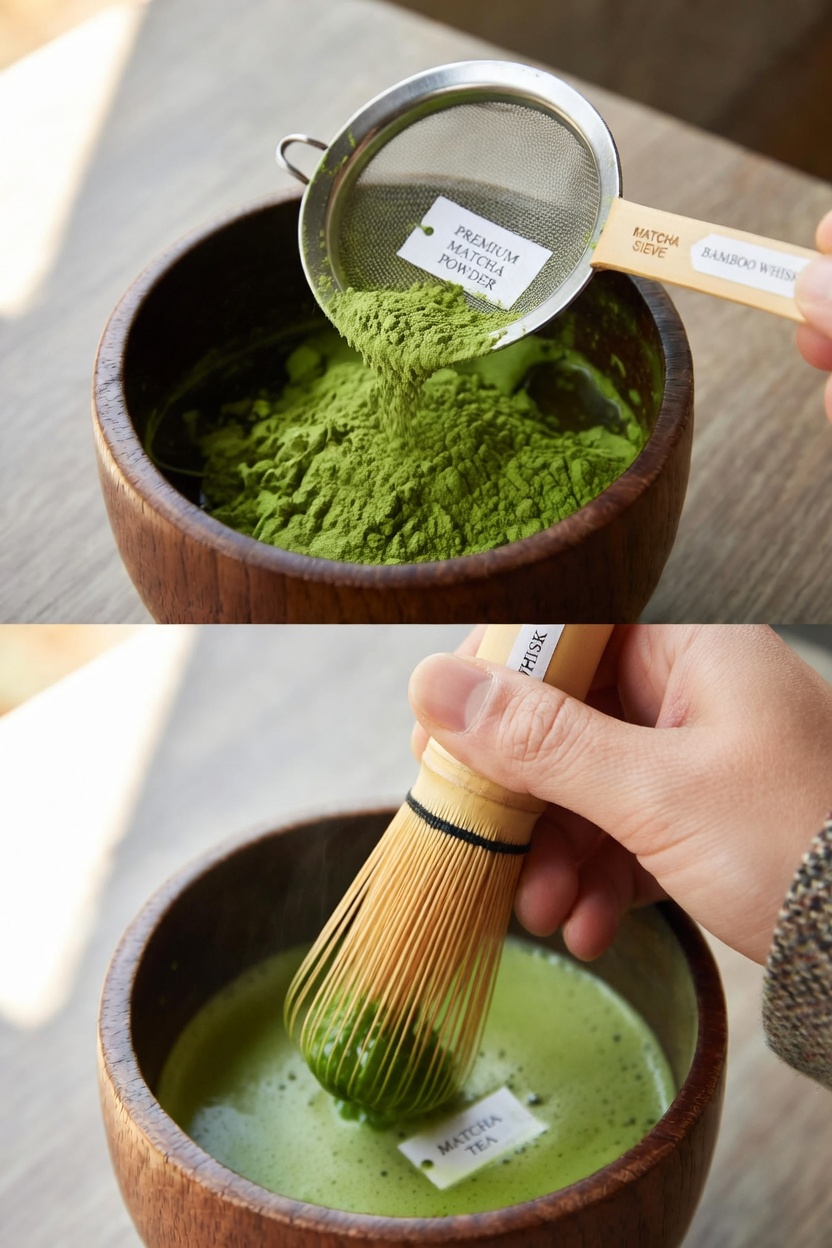
Follow these simple steps:
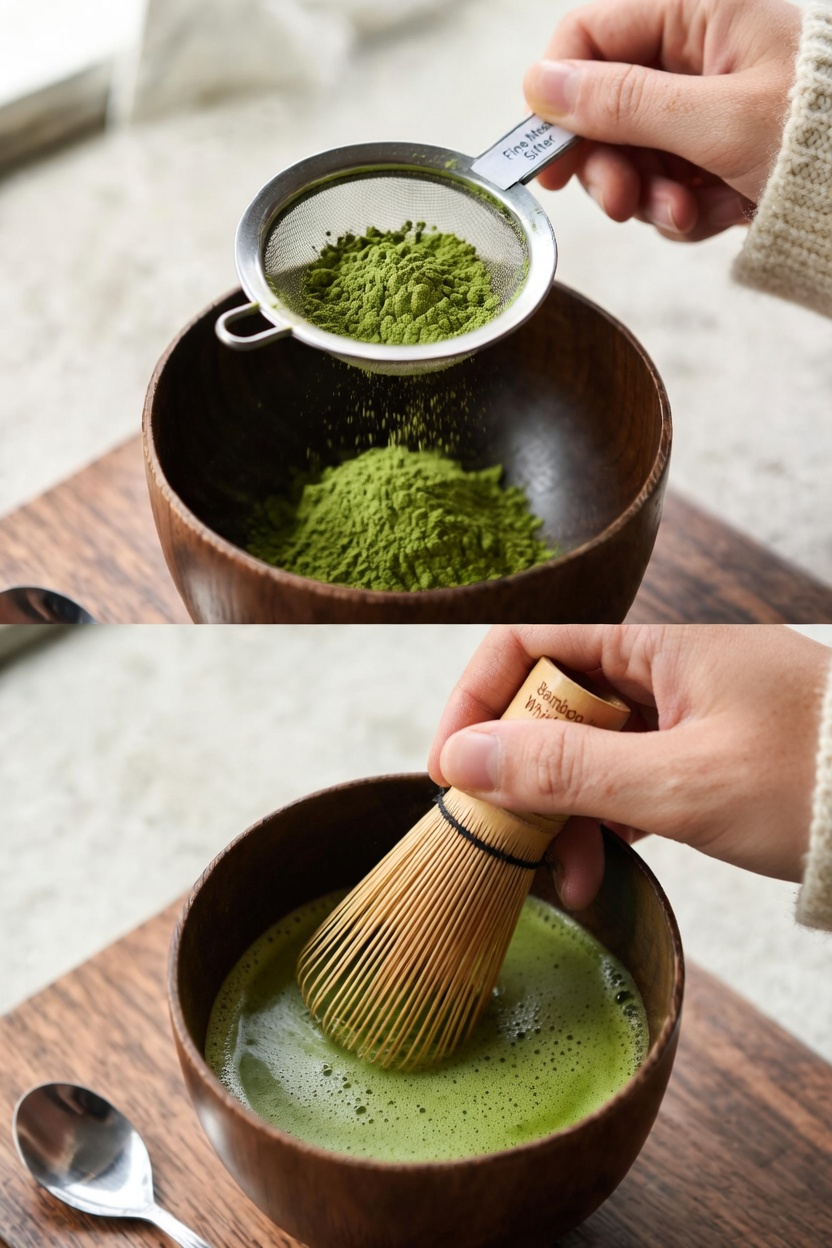
- Sift 1 to 2 grams of matcha, about 1/2 to 1 teaspoon, into a bowl.
- Add a small amount of hot water at around 175°F (80°C). Avoid boiling water.
- Whisk briskly in a W or M motion until the tea becomes frothy.
- Add a little more hot water and drink it plain, or include a small amount of milk if preferred.
Iced Matcha Latte
For a cooler option:
- Whisk the matcha with a small amount of hot water first.
- Pour it over ice.
- Add cold milk, either dairy or plant-based.
- Sweeten lightly if needed, using natural sweeteners in moderation.
Best Time to Drink Matcha
Many people enjoy matcha:
- In the morning
- In the mid-afternoon
It can provide a smoother energy lift than coffee, often without the same crash afterward.
A good starting point is one cup per day. Pay attention to how you feel, and consider drinking it with meals if your goal is to support post-meal blood sugar balance.
Matcha vs. Regular Green Tea
The difference between matcha and standard green tea helps explain why matcha is often highlighted in wellness discussions.
Comparison Overview
-
Consumption method
- Matcha: Whole tea leaf powder is consumed
- Regular green tea: Leaves are steeped and discarded
-
Catechin content
- Matcha: Higher, especially in EGCG
- Regular green tea: Moderate
-
Antioxidant concentration
- Matcha: More concentrated per serving
- Regular green tea: Beneficial, but generally lower
-
Preparation
- Matcha: Quick whisking method
- Regular green tea: Usually steeped for 2 to 3 minutes
-
Flavor
- Matcha: Rich, smooth, umami, bright green
- Regular green tea: Lighter, milder, grassy
This is one reason matcha is often seen as a more concentrated option for those interested in green tea benefits.
Other Habits That Support Blood Sugar Wellness
While matcha may be a helpful addition, no single drink can do all the work. Daily habits remain the foundation of healthy blood sugar support.
Focus on these key strategies:
- Eat balanced meals with:
- Fiber-rich vegetables
- Lean protein
- Healthy fats
- Stay physically active with regular movement
- Take short walks after meals when possible
- Get enough sleep
- Manage stress, since it can affect glucose regulation
- Limit excess refined carbohydrates and sugary foods
When these habits are combined with smart beverage choices like matcha green tea, the overall approach becomes far more effective and sustainable.
Final Thoughts
Adding matcha green tea to your routine can be a simple and enjoyable way to increase your intake of antioxidants and beneficial plant compounds. Research suggests it may help support blood sugar balance, insulin sensitivity, and broader metabolic health, especially when used consistently.
That said, matcha is best viewed as a supportive wellness habit rather than a standalone solution. The strongest results usually come from combining it with nutritious meals, regular exercise, good sleep, and stress management.
As always, responses can vary from person to person, so consistency and overall lifestyle matter most.
FAQ
How much matcha should I drink each day?
Many studies on green tea benefits use an amount equal to about 2 to 4 cups daily, but it is best to begin with 1 cup of matcha, using 1 to 2 grams of powder. You can adjust depending on your tolerance and sensitivity to caffeine.
Is matcha safe for everyone?
For most adults, matcha is generally considered safe in moderate amounts. However, people with caffeine sensitivity or iron deficiency should be cautious, since catechins may affect iron absorption. Pregnant individuals should also keep intake limited and consult a healthcare provider.
Can matcha replace medication or professional advice for blood sugar management?
No. Matcha is a supportive dietary option, not a treatment or replacement for medical care. If you have blood sugar concerns or a diagnosed condition, always follow guidance from a qualified healthcare professional.