Crepey Skin on the Arms: A Simple Sea Salt Routine for Smoother, Better-Hydrated Skin
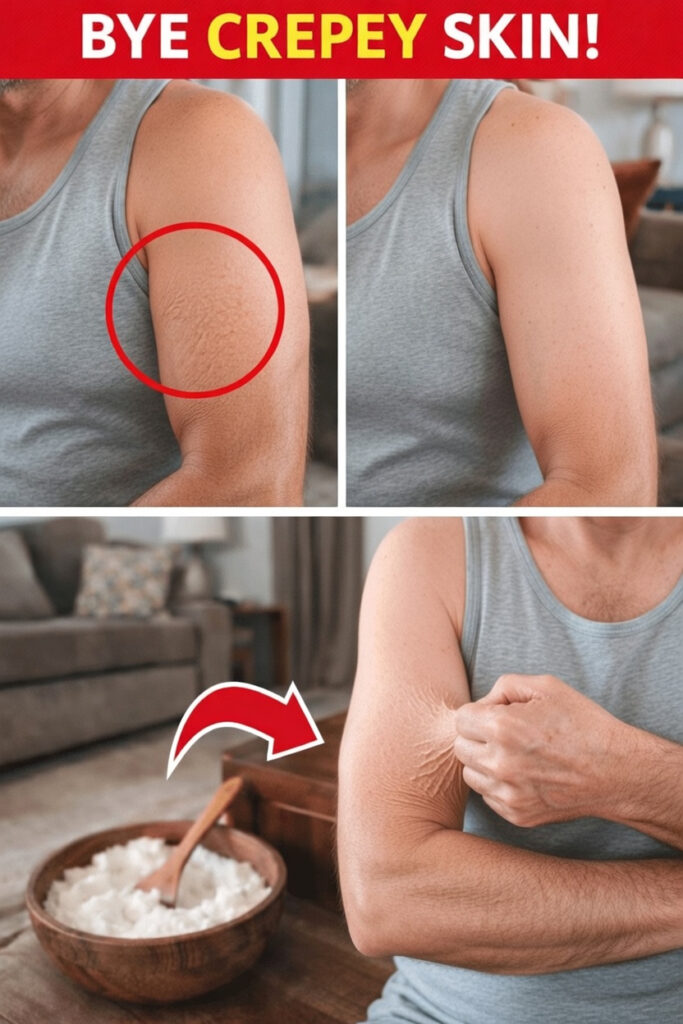
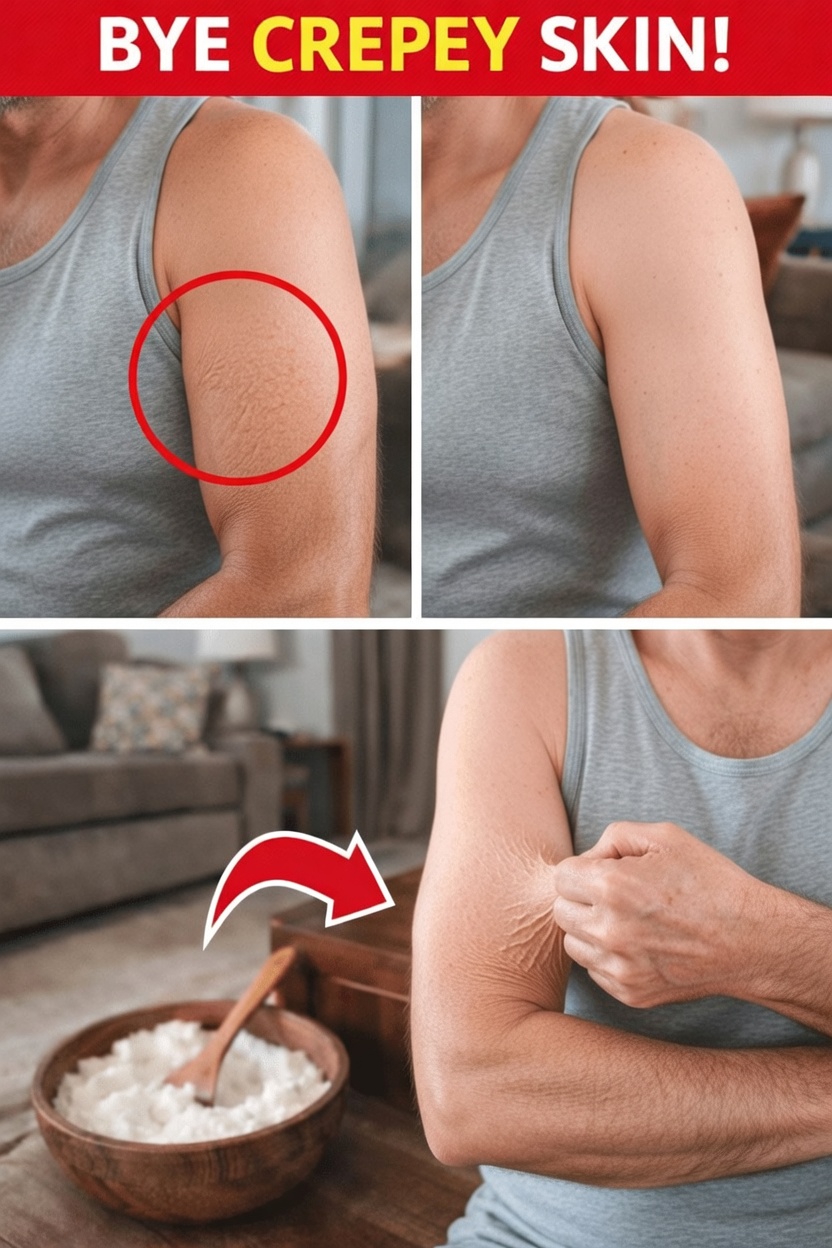
Crepey skin on the arms is a very common change that comes with age. It often appears as thin, delicate skin with fine wrinkles, making the surface look less firm and feel less supple. Many people notice it most on the upper arms, where years of sun exposure, declining collagen, and reduced moisture can gradually affect skin texture.
Although this is a normal part of aging, a gentle skincare routine can help your arms look healthier and feel more comfortable. One easy method many people like is using sea salt as part of a mild exfoliating ritual. It is simple, natural, and may support smoother, more hydrated-looking skin when used correctly.
What Causes Crepey Skin?
Crepey skin is named for its resemblance to crepe paper: thin, lightly wrinkled, and somewhat loose. As the body ages, it naturally produces less collagen and elastin. These two proteins are essential for keeping skin firm, springy, and full.
Sun exposure can accelerate this process. Over time, ultraviolet rays damage the fibers that support the skin, making it thinner and more fragile. At the same time, aging skin typically produces less oil, which can increase dryness and make fine lines look more visible.
Other contributors may include:
- Hormonal changes
- Fast weight gain or loss
- Chronic dehydration
- Long-term environmental exposure
Sources such as Healthline and dermatology references note that aging and UV damage can thin the dermis, leading to the crinkled appearance often seen on the arms, neck, and hands.
The encouraging part is that daily habits such as moisturizing, sun protection, and gentle exfoliation can improve how the skin feels and help it look smoother over time.
Why Gentle Exfoliation Matters
Exfoliation removes dead skin cells from the surface of the skin. This can instantly make the skin feel softer and may also help moisturizers absorb more effectively.
However, not every exfoliant works the same way. Some are more abrasive, while others are much gentler. For crepey skin, the goal is not aggressive scrubbing. Instead, mild exfoliation can help refine texture without causing irritation.
Sea salt is often favored for body care because it has a naturally grainy texture and contains minerals such as:
- Magnesium
- Potassium
- Calcium
- Sodium
Some research, especially involving Dead Sea salts, suggests these minerals may help support skin hydration and the skin barrier while also calming dryness-related discomfort. Used carefully, sea salt can offer a more natural exfoliating option without relying on harsh ingredients.
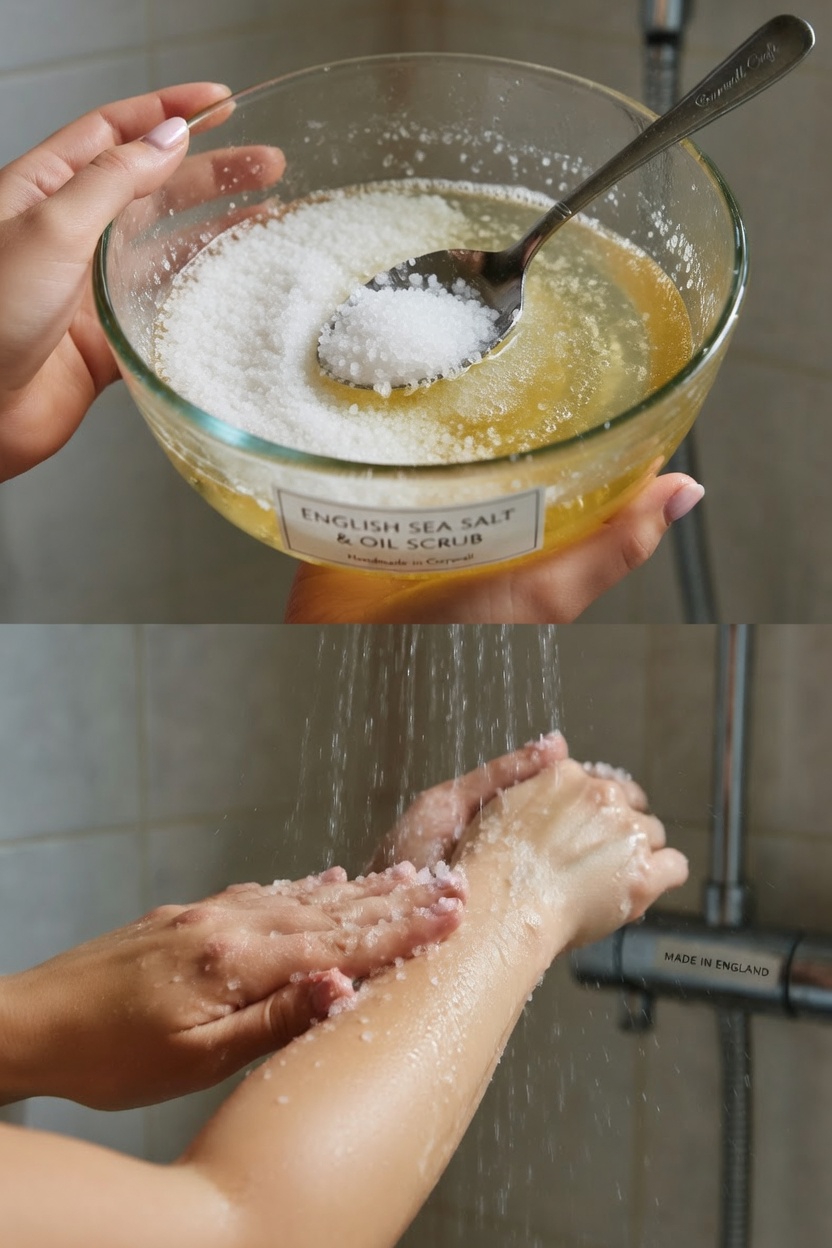
When mixed with oil, it becomes an easy at-home scrub that exfoliates while also adding softness and moisture.
Why Sea Salt May Help Crepey Arm Skin
Sea salt can be especially useful on body areas like the arms, where dry skin and rough texture tend to build up. Its texture helps lift away dull surface cells, while its mineral content may help the skin hold onto moisture more effectively.
Many people say their skin feels smoother after using a sea salt scrub regularly, especially when they follow it with a rich moisturizer. Another advantage is flexibility: you can make the scrub gentler or richer by adjusting the amount of oil.
That said, this is not an instant fix. Sea salt works best as part of a steady, gentle routine rather than a one-time treatment expecting dramatic overnight results.
How to Make a Simple Sea Salt Scrub for the Arms
This quick routine only takes a few minutes and uses ingredients many people already have at home.
What You Need
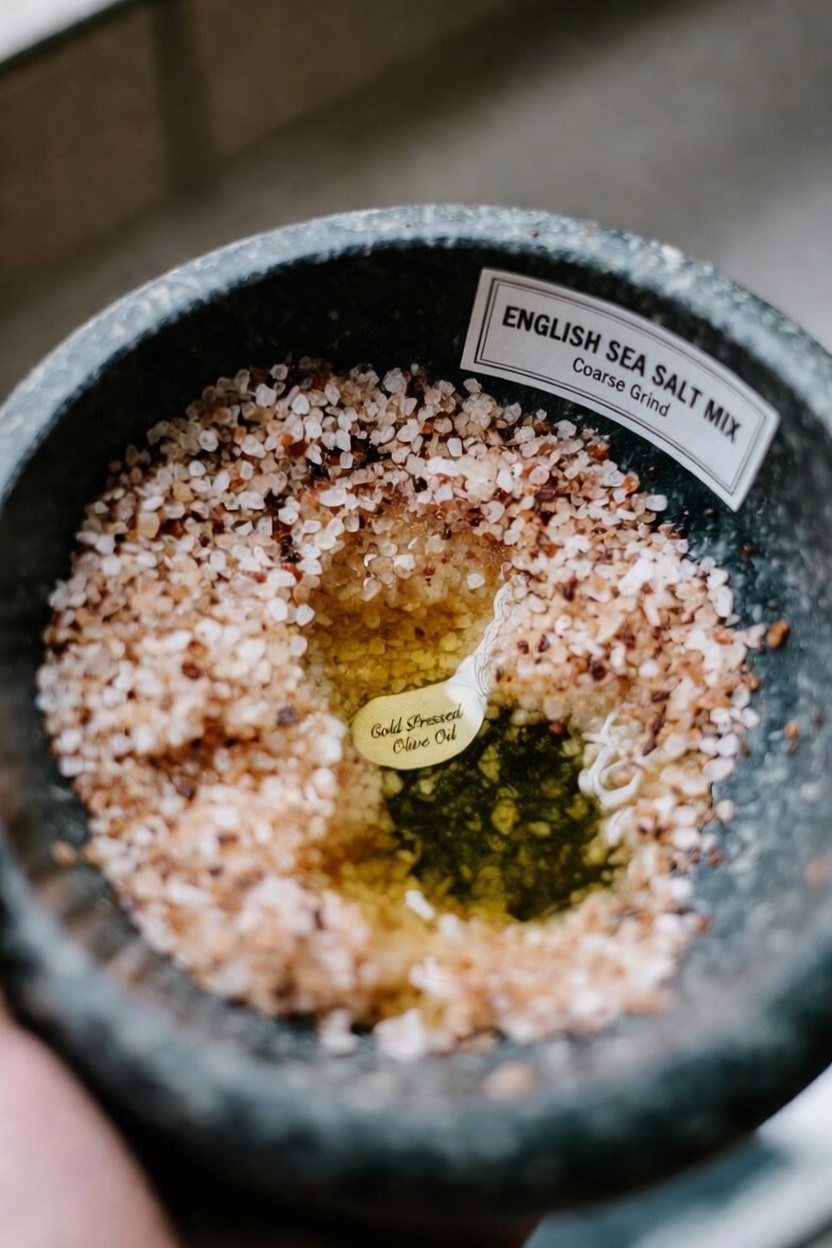
- 1/2 cup sea salt, preferably fine or medium grain
- 1/4 cup carrier oil, such as:
- Olive oil
- Coconut oil
- Jojoba oil
- A small bowl and spoon for mixing, if desired
Step 1: Mix the Scrub
Combine the sea salt and oil until you get a paste-like texture. If you want a softer scrub, add a little more oil. The more oil you use, the less abrasive the mixture will feel on the skin.
Step 2: Wet Your Skin
In the shower or bath, wet your arms with warm water. Avoid very hot water, as it can dry the skin further.
Step 3: Massage Gently
Apply the mixture to your upper arms using light circular motions for about 1 to 2 minutes. Pay special attention to rough or dry patches, but do not press hard.
Step 4: Rinse Well
Wash the scrub away with warm water and gently pat your skin dry with a towel.
Step 5: Moisturize Immediately
Apply a thick body lotion or cream while the skin is still slightly damp. Products containing hyaluronic acid or ceramides can be especially helpful for locking in hydration.
How Often to Use It
Use this routine 1 to 2 times per week. More frequent exfoliation may irritate the skin or increase dryness.
Safety Tips for Better Results
To make this routine safer and more effective, keep these guidelines in mind:
-
Patch test first
Try a small amount on the inner arm and wait 24 hours to make sure your skin does not react. -
Choose the right salt
Natural sea salt or Dead Sea salt is best. Table salt is too refined and may not offer the same benefits. -
Be gentle
Scrubbing too hard can worsen irritation and damage delicate skin. -
Moisturize consistently
Exfoliation works best when followed by regular hydration. -
Protect your skin from the sun
Daily sunscreen helps prevent additional collagen breakdown and worsening texture. -
Support circulation
Light arm exercises, yoga, or simple resistance training may contribute to overall skin health.
Sea Salt vs. Other Exfoliation Options
Here is a quick look at how sea salt compares with other common choices:
Sea Salt Scrub
- Mineral-rich
- Great for body areas like the arms
- Offers a natural, refreshing feel
Sugar Scrub
- Softer granules
- Dissolves more quickly
- Often better for sensitive skin
Chemical Exfoliants (AHAs)
- Can improve smoothness over time
- May be more effective for some skin concerns
- Often best used with professional guidance if skin is fragile
Other Ways to Improve the Look of Crepey Skin
Exfoliation can help, but it works even better when combined with other healthy skin habits.
Daily Moisture Support
Apply a rich cream or lotion twice a day, especially after bathing. Thick moisturizers help soften the skin and reduce the appearance of dryness.
Eat Skin-Friendly Foods
A nutrient-rich diet can support skin from within. Focus on foods that contain:
- Antioxidants such as berries, leafy greens, and nuts
- Omega-3 fatty acids from fish, flaxseeds, and walnuts
Stay Hydrated
Drinking enough water supports overall skin health and may help dry skin look less dull.
Never Skip Sun Protection
Even on cloudy days, UV rays can contribute to collagen loss. A broad-spectrum sunscreen is one of the most important steps for preventing further skin aging.
Ask About Collagen Support
Some people also explore collagen-rich foods or supplements. It is best to speak with a healthcare professional before adding new supplements to your routine.
Final Thoughts
A gentle sea salt scrub can be a simple and natural addition to your skincare routine if you are dealing with crepey skin on the arms. By lightly exfoliating, helping remove dry surface cells, and following up with moisture, this method may leave your skin feeling softer and looking more refreshed.
The key is consistency. Small, regular habits such as exfoliating gently, moisturizing often, and protecting your skin from the sun can make a noticeable difference over time.
FAQ
How often should I exfoliate crepey skin on my arms?
Most skincare experts recommend exfoliating once or twice a week. If your skin becomes dry, tight, or irritated, reduce the frequency.
Is sea salt suitable for every skin type?
Sea salt is usually well tolerated for body care, but people with very sensitive skin, eczema, broken skin, or active irritation should be cautious. If you are unsure, speak with a dermatologist before trying it.
Can a sea salt scrub replace professional skin treatments?
No. This is a supportive home care practice, not a medical treatment. If your skin concerns are severe or persistent, a skincare professional can recommend more personalized options.