Tired of Pale Lips and Dull Skin? Try This Natural Remedy That Nourishes and Restores Vitality
Many people love the look of a naturally flushed complexion and softly pink lips—subtle signs of health, freshness, and energy. But daily stress, busy routines, and environmental exposure can leave skin looking flat, tired, and less vibrant. And when makeup feels too heavy or “too done,” it’s only natural to want something lighter, more authentic, and truly skin-friendly.
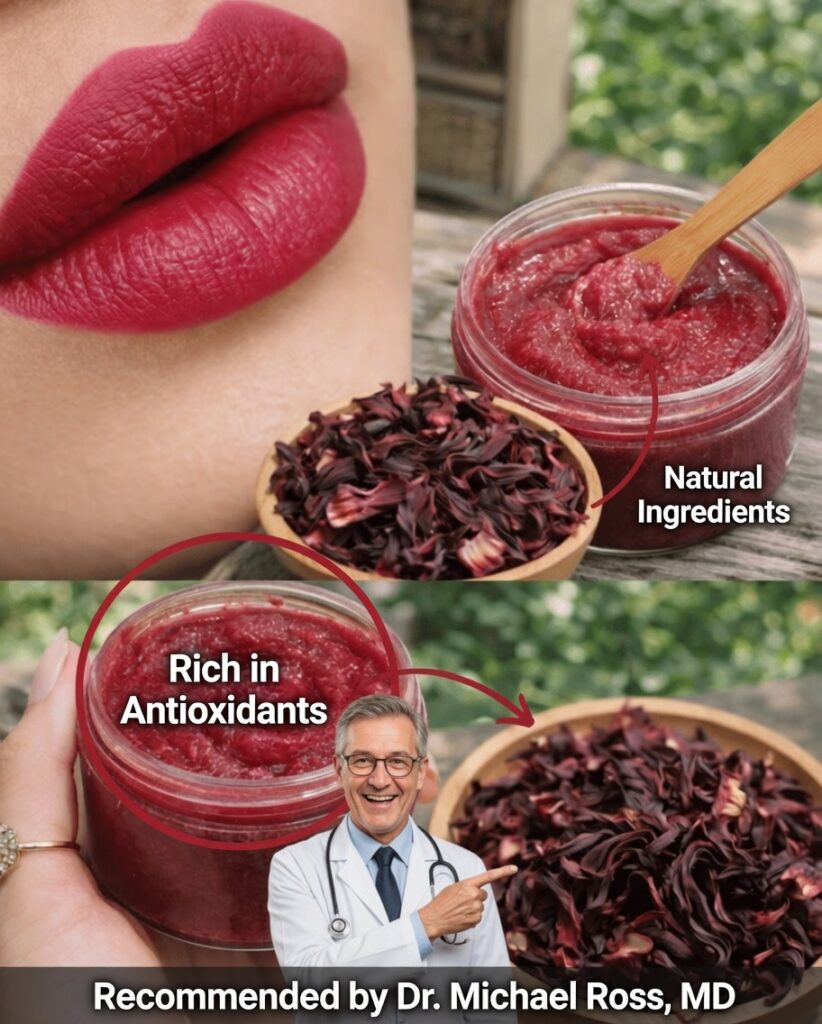
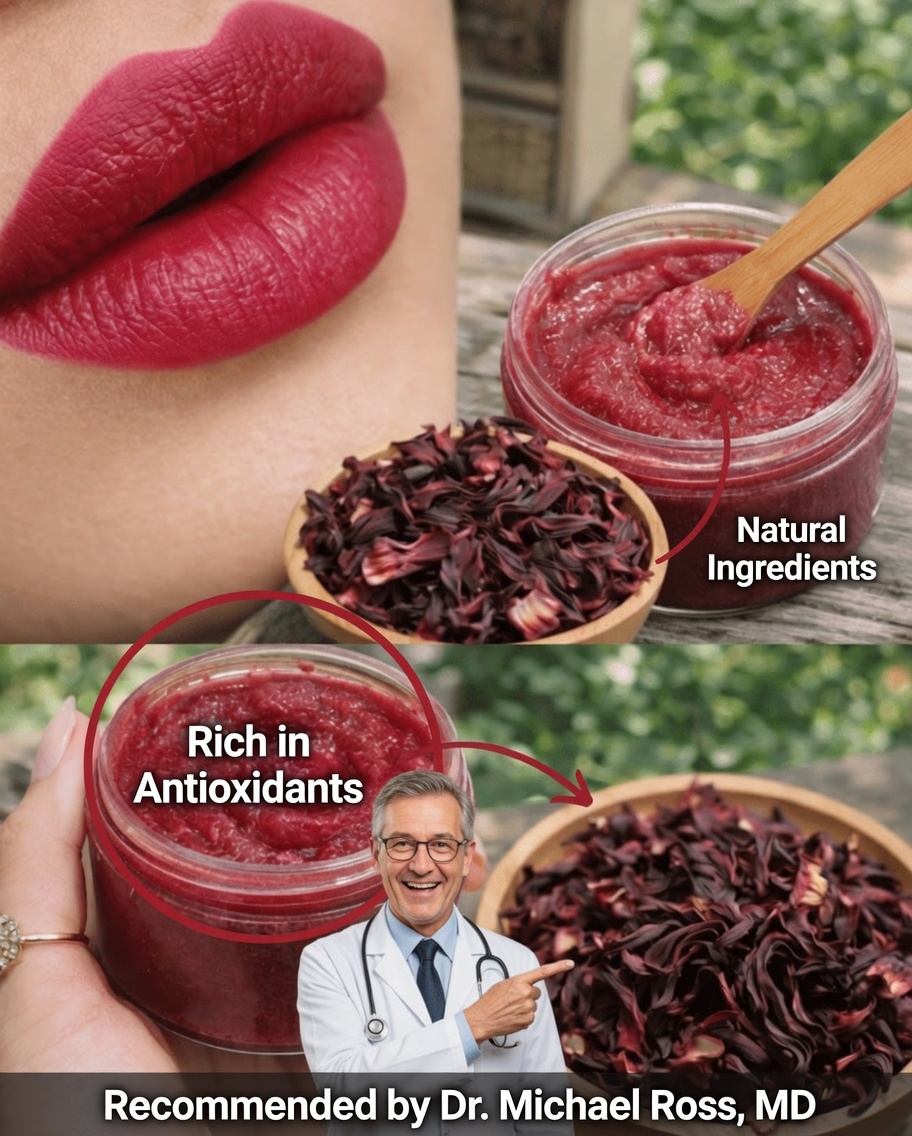
The good news is that nature has offered beauty solutions for generations. One of the most loved ingredients is hibiscus—a vivid flower packed with antioxidants and naturally occurring pigments. Even better: you can turn it into an easy DIY natural tint at home.
Why Hibiscus Is So Popular in Natural Beauty
Hibiscus (Hibiscus sabdariffa)—often called roselle—has a long history in traditional practices, including Ayurveda in India and herbal remedies across Africa and the Caribbean. Its deep red petals are especially rich in:
- Anthocyanins, the pigments behind hibiscus’s intense color
- Natural acids such as citric and malic acid
Studies suggest hibiscus contains strong antioxidants, including vitamin C, which may help protect skin from environmental stressors. Laboratory research also indicates hibiscus may support hydration, gentle exfoliation, and even processes linked to collagen support.
Because of its natural red pigments, hibiscus works beautifully for homemade tints, offering a temporary rosy effect similar to beetroot or berry-based stains.
Key Hibiscus Components (and Why They Matter)
- Anthocyanins: vibrant color + antioxidant activity
- Vitamin C: supports brighter, healthier-looking skin
- Naturally occurring AHAs: mild exfoliation and smoother texture
- Mucilage: helps moisturize and reduce moisture loss
Hibiscus Benefits for Skin
When used topically, hibiscus may help:
- Gently exfoliate for a fresher-looking surface
- Provide antioxidant support against oxidative stress
- Improve the look of elasticity and softness
- Create a natural rosy tint on cheeks and lips
Many users report skin that feels softer, more hydrated, and naturally radiant after consistent use.
How to Make a Hibiscus Natural Tint at Home
Ingredients
- 2 tablespoons dried hibiscus flowers (or 1–2 teaspoons hibiscus powder)
- 1 tablespoon coconut oil or shea butter
- 1 teaspoon beeswax (optional, for a firmer balm texture)
- A few drops of vitamin E (optional)
Step-by-Step Instructions
- If using whole dried flowers, grind them into a fine powder.
- In a double boiler, melt the oil (and beeswax if using).
- Add hibiscus and warm gently for 10–15 minutes to infuse the color.
- Strain the mixture if you used whole petals.
- Stir in vitamin E (optional).
- Pour into a clean container and let it cool until set.
How to Use
- Tap a small amount onto cheeks and blend gently.
- Apply to lips for a soft, natural stain.
- For deeper color, layer the product. The tint usually lasts a few hours.
Important Tips for Best Results
- Always do a patch test before full use
- Choose organic hibiscus when possible
- Store in a cool place (typical shelf life: 1–2 months)
- Apply on well-moisturized skin for smoother blending and better finish
Easy Variations to Try
- Gel version: mix hibiscus with aloe vera
- Liquid tint: blend with glycerin or rose water
- Lip scrub: add a small amount of sugar for gentle exfoliation
Hibiscus vs. Other Natural Tints (Quick Comparison)
| Ingredient | Color Intensity | Hydration | Wear Time | Best For |
|---|---|---|---|---|
| Hibiscus | Medium to strong | High | 4–8 hours | Cheeks and lips |
| Beetroot | Bright pink | Medium | 6–10 hours | Stronger stain |
| Berries | Soft | Low | 3–6 hours | Light, subtle tint |
Final Thoughts: Celebrate Your Natural Beauty
Hibiscus is a simple, affordable, and effective way to enhance your natural glow without harsh chemicals. With just a few ingredients, you can create a versatile product that brings life back to lips and cheeks in a fresh, believable way.
For the best overall results, pair it with solid skin habits: hydration, quality sleep, and daily sun protection.
FAQ
-
How long does the tint last?
Typically 4 to 8 hours, depending on your skin type and activity. -
Is hibiscus tint safe for all skin types?
It’s generally well tolerated, but a patch test is strongly recommended. -
Can I use fresh hibiscus instead of dried?
Yes, but the color is usually lighter and may fade faster.
Disclaimer: This content is for informational purposes only. Results vary by individual. If you have skin conditions, sensitivities, or allergies, consult a qualified professional. Always patch test before use.