Support Healthy Aging With Nutrient-Rich Seeds
As we age, keeping our energy steady and helping the body function well becomes more important than ever. For many seniors, getting enough key nutrients from everyday meals is not always easy. This can sometimes lead to low energy, mild digestive discomfort, or a general feeling of not being at your best. Over time, these small issues may affect overall well-being. Fortunately, adding a few specific seeds to your diet is a simple, flavorful way to improve nutrition without making major lifestyle changes.
Though small in size, seeds are loaded with beneficial fats, fiber, and essential minerals that are often missing from modern diets. The key is knowing which seeds offer the greatest value and how to use them easily in daily meals. Let’s look at the top choices and practical ways to enjoy them.
Why Seeds Are So Valuable for Senior Nutrition
Seeds are some of the most nutrient-dense foods available. They provide healthy fats that help support the heart and brain, as well as fiber that encourages better digestion.
Older adults often appreciate seeds because they are easy to add to meals they already enjoy. Studies have shown that seeds can contribute important vitamins and minerals that may help support better energy and overall wellness.
Here’s why they deserve a place in a balanced diet as we get older.
6 Seeds to Add to Your Daily Routine
Each of the following seeds offers distinct nutritional benefits. Including a variety of them can help create a more complete and balanced eating pattern.
1. Flaxseeds: Everyday Nutritional Support
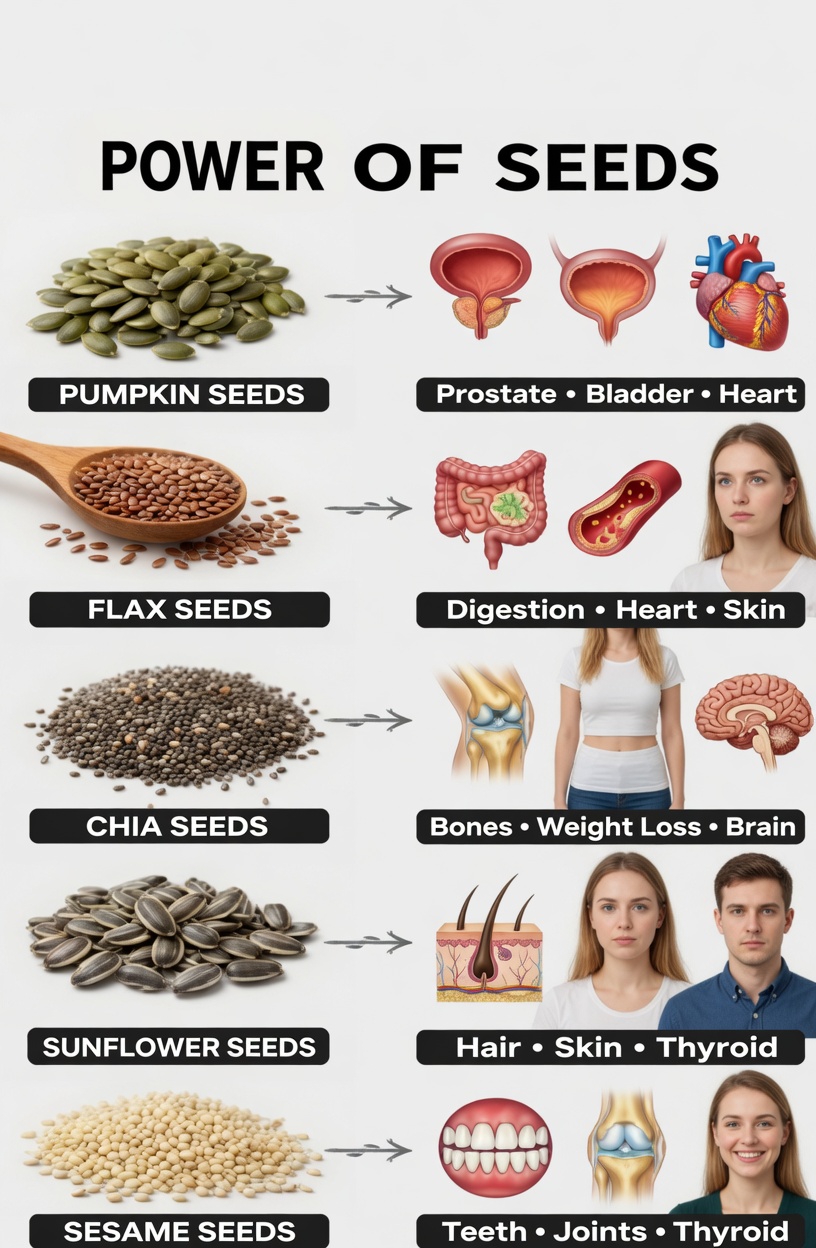
Flaxseeds, sometimes called linseeds, are especially known for their plant-based omega-3 fats and impressive fiber content. These nutrients may help support a healthy inflammatory response and promote regular digestion.
They also contain lignans, natural plant compounds that research has linked to hormonal balance and general wellness. This makes flaxseeds particularly appealing for older adults.
For best results, grind flaxseeds before eating them. Whole flaxseeds often pass through the body without being fully digested, so grinding improves nutrient absorption. A good starting point is one tablespoon per day.
- High in alpha-linolenic acid (ALA)
- Rich in soluble fiber for digestive comfort
- Contains beneficial plant compounds for daily wellness
Try adding ground flaxseed to yogurt, oatmeal, or a breakfast smoothie.
2. Chia Seeds: Small Seeds With Big Benefits
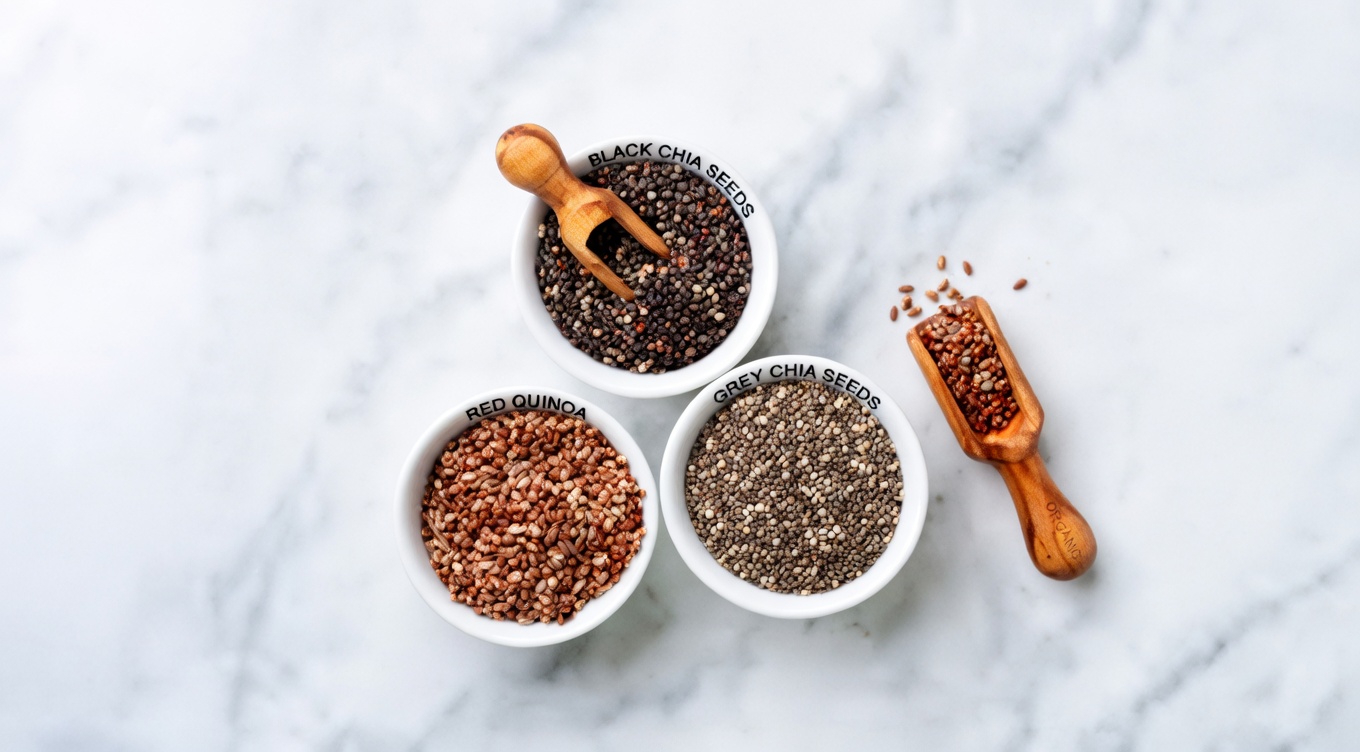
Chia seeds are remarkable because they absorb liquid and create a gel-like texture. This can help support hydration and encourage smoother digestion. They are also a good source of protein, calcium, and magnesium.
That nutrient combination may help support bone health and more stable energy throughout the day. Chia seeds are also very flexible in the kitchen, which makes them easy to use regularly.
Another advantage is their antioxidant content, which helps protect cells from everyday stress.
- Good source of plant protein
- May support lasting energy
- Provides calcium and magnesium
Soak them overnight to make chia pudding, blend them into smoothies, or use them to thicken recipes naturally.
3. Pumpkin Seeds: Mineral-Rich and Energizing
Pumpkin seeds are packed with zinc and magnesium, two minerals that play an important role in immune health, relaxation, and muscle function. Magnesium may also help support better sleep, which can become more important with age.
These seeds also offer protein and healthy fats, both of which are helpful for preserving strength and maintaining muscle mass.
A small handful of roasted pumpkin seeds makes a satisfying and nutritious snack. They also pair well with other seeds when combined in homemade mixes.
- Excellent source of zinc for immune support
- Magnesium helps muscles and nerves work properly
- Protein supports strength and vitality
Lightly roast them and season with herbs for an easy, flavorful option.
4. Sunflower Seeds: A Strong Source of Vitamin E
Sunflower seeds are especially rich in vitamin E, a powerful antioxidant that supports skin health and the immune system. They also contain healthy fats the body needs for daily function.
Regularly eating sunflower seeds may help you feel more supported from the inside out. They also provide selenium, another mineral that contributes to cellular health.
They can be enjoyed raw or lightly toasted and are easy to add to a wide range of dishes.
- High in vitamin E
- Contains selenium for cell support
- Convenient for portion-controlled snacks
Sprinkle them on salads, add them to soups, or combine them with dried fruit for a simple homemade trail mix.
5. Sesame Seeds: Helpful for Bones and Heart Health
Sesame seeds deliver calcium and other minerals that are important for bone strength and density. They also contain plant compounds that may help support healthy cholesterol levels when included as part of an overall balanced diet.
Their naturally nutty flavor works well in vegetable dishes, grain bowls, and many savory meals. Ground sesame paste, known as tahini, is another easy way to enjoy their benefits in dressings and sauces.
Using sesame seeds is also a great way to bring more variety to your meals.
- Provides calcium for bone support
- Contains healthy fats for heart health
- Works well in sweet and savory foods
If you want a slightly deeper flavor, try black sesame seeds.
6. Hemp Seeds: Complete Plant Protein
Hemp seeds stand out because they provide complete protein, meaning they contain all the essential amino acids. This makes them especially useful for older adults who want to support protein intake more consistently.
They have a soft texture and mild taste, so they are very easy to add directly to meals without any grinding or soaking. Research also suggests that their fatty acid profile supports overall wellness.
- High-quality complete plant protein
- Balanced omega fatty acids
- Soft texture that is easy to digest
Use them on salads, breakfast cereal, yogurt, or stir them into soup.
Easy Ways to Eat More Seeds Every Day
Once you know which seeds to choose, the next step is making them part of your routine in a realistic way.
Start with small amounts so your body can adapt, especially if you are not used to eating much fiber. For many people, 1 to 2 tablespoons total per day is a comfortable place to begin.
To maintain freshness, keep seeds in airtight containers and store them in the refrigerator.
Here are some simple ideas:
- Add a seed mix to your breakfast bowl
- Blend seeds into smoothies
- Use them as toppings for salads or soups
- Make energy bites with nuts and dates
- Stir ground seeds into muffins or baked goods
Consistency is more important than eating a large amount at once. Preparing small portions in advance can make the habit easier to maintain.
Important Tips for Safe Use
Seeds are generally well tolerated, but it is still best to introduce them gradually. Because many of them are high in fiber, drinking enough water is also important.
If you use medications such as blood thinners, speak with your healthcare provider before making major dietary changes. Some seeds contain natural compounds that may affect how certain medications work.
Anyone with a sensitive digestive system should begin with very small servings and increase slowly.
Final Thoughts: Small Additions, Meaningful Benefits
Including these six seeds in your meals is one of the easiest ways to support nutrition as you grow older. Together, they provide nutrients that may help with digestion, energy, and general well-being.
Start with one or two types this week and see how they fit into your routine. In many cases, small but steady changes bring the most lasting results.
Frequently Asked Questions
How much seed intake is recommended per day for seniors?
A common starting point is 1 to 2 tablespoons total per day. From there, adjust based on how your body feels and what fits comfortably into your routine.
Do all seeds need to be ground before eating?
No. Flaxseeds are best consumed ground because this improves absorption. Chia and hemp seeds, on the other hand, can be eaten whole without a problem.
Can seeds replace other healthy foods in my diet?
No. Seeds work best as a nutritional addition to a varied diet that includes fruits, vegetables, whole grains, and other wholesome foods. They should complement your meals, not replace them.