6 Nutrient-Dense Seeds That Can Support Healthy Aging
As the years go by, staying well often becomes an even greater priority. Many older adults want to remain active, maintain steady energy, and choose foods that support long-term health. One simple way to strengthen a daily routine is by adding seeds to meals. Though small, they provide important nutrients like fiber, beneficial fats, minerals, and plant compounds that help support overall wellness.
This article looks at six seeds that stand out for their impressive nutrition and their potential health-supporting benefits. They are easy to use, simple to enjoy, and can fit into many everyday meals. At the end, you’ll also find practical ways to include them in your diet, along with answers to common questions.
Why Seeds Are Valuable for Seniors
Seeds are compact but highly nutritious. They offer fiber for digestive health, omega-3 fats that help support the heart and brain, antioxidants that help defend cells from oxidative stress, and minerals such as magnesium and zinc that contribute to energy and vitality. Research has shown that plant-forward eating patterns, including seeds, are linked with better health outcomes over time.
Beyond basic nutrition, many seeds also contain natural compounds such as lignans and polyphenols. These substances have attracted scientific interest because of their possible role in supporting cellular function and healthy aging. Adding seeds to meals can be an easy and enjoyable step toward a more balanced lifestyle.
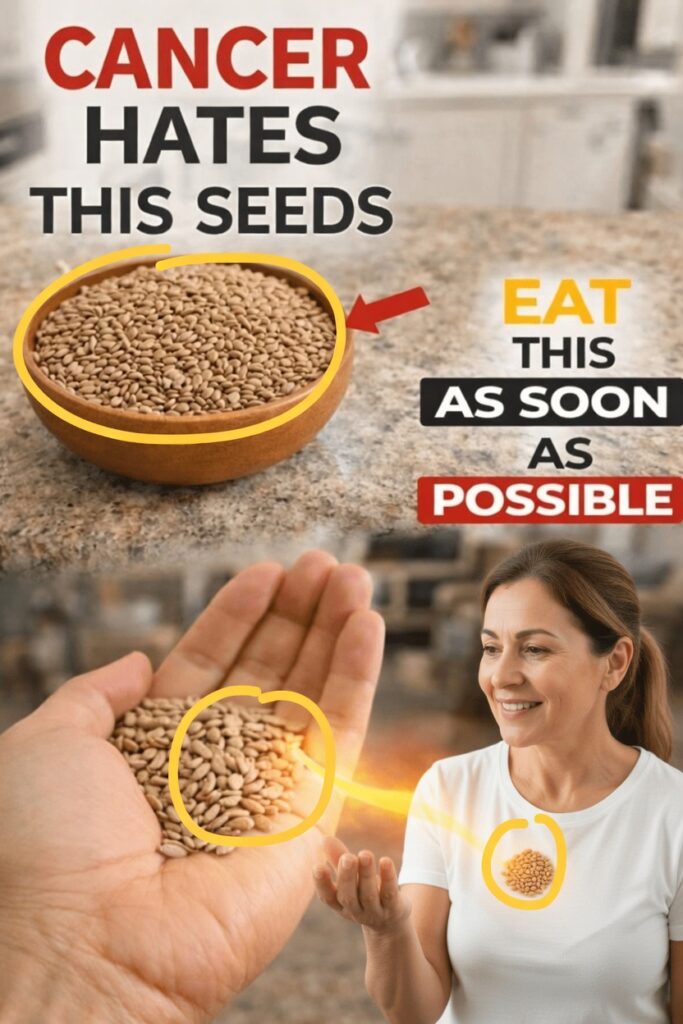
1. Flaxseeds: Rich in Fiber, Lignans, and Plant Omega-3s
Flaxseeds are especially known for their high levels of alpha-linolenic acid (ALA), a plant-based omega-3 fat. They also provide soluble fiber and lignans, making them one of the most nutritionally impressive seeds available. Health research, including findings referenced by organizations such as the American Institute for Cancer Research, suggests that these nutrients are part of dietary patterns associated with better digestive health and lower inflammation.
Flaxseeds have also been studied for their possible benefits in hormone-related wellness, particularly for postmenopausal women. Their lignans may gently influence estrogen metabolism, which is why they have drawn attention in both laboratory and human research.
Ground flaxseed is the best choice because the body absorbs its nutrients more effectively in that form. A simple serving is 1 to 2 tablespoons mixed into oatmeal, yogurt, or smoothies.
Benefits of flaxseeds:
- High in fiber to support regular digestion
- Contains lignans associated with antioxidant effects
- Provides healthy fats that may benefit heart health
2. Chia Seeds: A Hydrating Option with Powerful Antioxidants
Chia seeds absorb water and develop a soft, gel-like consistency. This makes them useful for hydration and for helping you feel satisfied longer after meals. They are packed with fiber, omega-3 fats, calcium, and antioxidant-rich compounds such as quercetin and caffeic acid.
Some early studies suggest chia seeds may help reduce oxidative stress, which is a factor connected to aging and many long-term health concerns. Their high fiber content may also support appetite control and healthy weight management, both of which are important for aging well.
Easy ways to use chia seeds:
- Blend them into smoothies
- Stir them into overnight oats
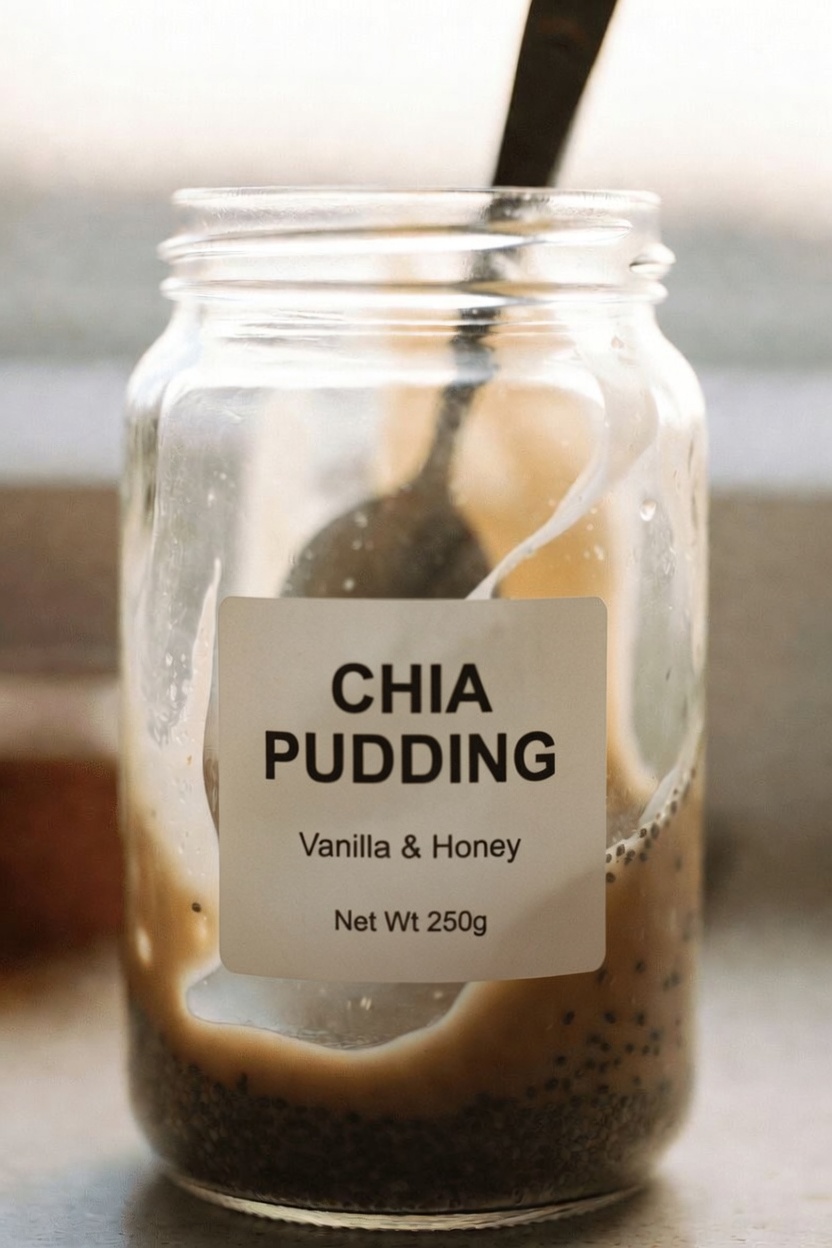
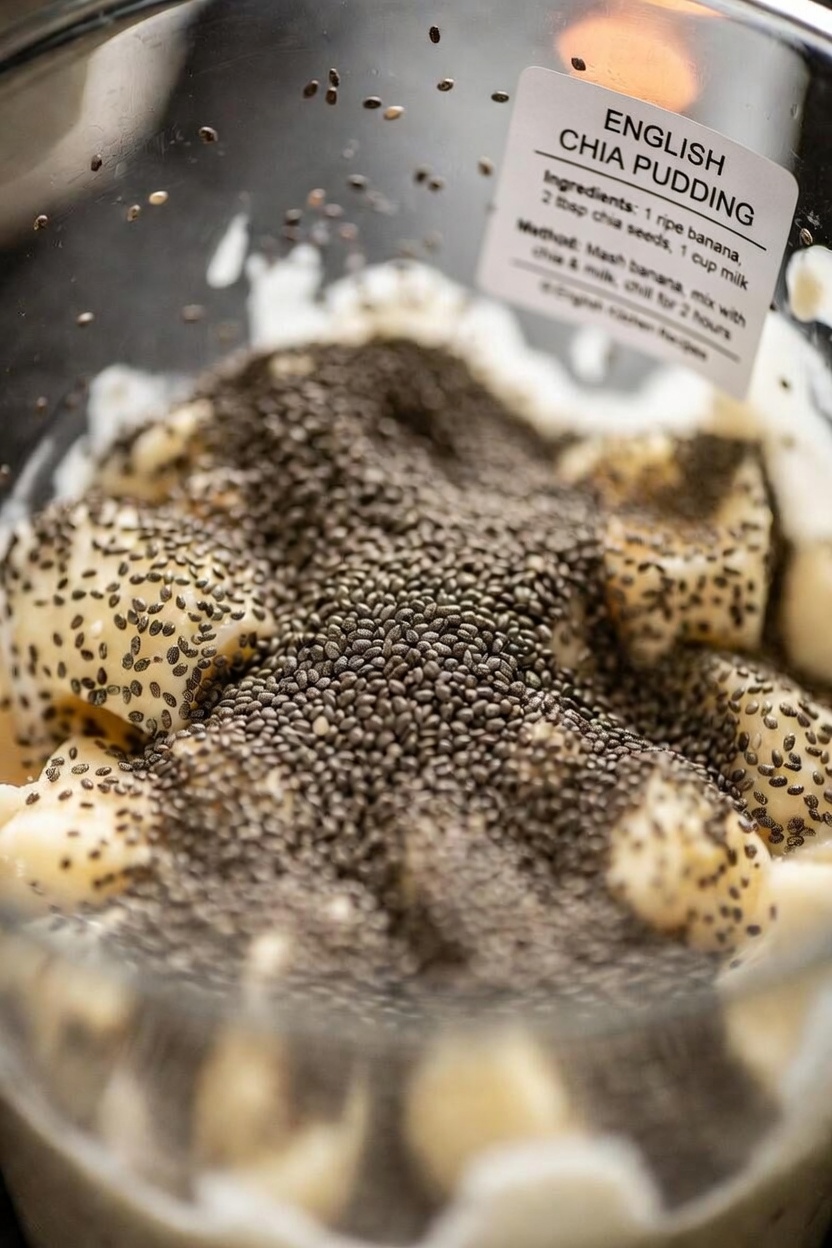
- Make chia pudding for a nutritious snack
- Sprinkle them over salads for added texture
3. Pumpkin Seeds: Packed with Minerals for Immunity and Prostate Health
Pumpkin seeds, often called pepitas, are excellent sources of zinc, magnesium, and antioxidant nutrients such as carotenoids and vitamin E. Observational research has linked diets that include pumpkin seeds with lower risk of certain health issues, including some related to the digestive system and prostate health.
Their healthy fats and plant sterols may help support balanced cholesterol levels. Zinc is another major advantage, since it plays an important role in immune function, which becomes especially important later in life.
Why pumpkin seeds deserve a place in your diet:
- Rich in magnesium for muscle and nerve function
- Supplies compounds being studied for cell protection
- Can be lightly roasted for a convenient snack
- Works well in trail mix, soups, and salads
4. Sesame Seeds: Small Seeds with Big Everyday Benefits
Sesame seeds contain lignans such as sesamin and sesamolin, compounds that preclinical research suggests may help support healthy inflammatory responses and overall cellular balance. They also provide calcium, iron, and heart-friendly fats.
Because of their nutrient profile, sesame seeds may be especially appealing for older adults focused on maintaining mobility, comfort, and daily vitality. Research into sesame lignans continues to explore their relationship with oxidative stress and inflammation.
To bring out their flavor, toast them lightly before adding them to meals. They work particularly well on rice bowls, stir-fries, soups, and baked goods.
5. Sunflower Seeds: A Natural Source of Vitamin E
Sunflower seeds are one of the best food sources of vitamin E, a strong antioxidant that helps protect cells from damage. They also contain selenium and phenolic compounds that have been studied for their supportive effects on health.
Higher dietary intake of vitamin E from whole foods, rather than supplements, has been associated with better defense against oxidative stress. This is especially meaningful for skin health, energy maintenance, and healthy aging in general.
Key benefits of sunflower seeds:
- High in vitamin E for antioxidant support
- Provides healthy fats and plant flavonoids
- Contains selenium, which supports thyroid function
- Easy to enjoy alone or mixed into granola
6. Hemp Seeds: Complete Plant Protein with Healthy Fats
Hemp seeds are notable because they provide complete plant protein, meaning they contain all essential amino acids. They also offer a favorable balance of omega-3 and omega-6 fats, making them a smart addition to a nutrient-dense diet.
Another valuable component in hemp seeds is gamma-linolenic acid (GLA), a fat that has been studied for its possible role in supporting a healthy inflammatory response. Their mild, nutty taste and soft texture make them easy to add to many foods, even for beginners.
Simple ways to use hemp seeds:
- Sprinkle them over cereal or oatmeal
- Blend them into salad dressings
- Add them to smoothies
- Mix them into muffins or other baked foods
Simple Tips for Adding Seeds to Your Daily Routine
If you are new to eating seeds regularly, begin slowly. Because they are high in fiber, too much at once may cause digestive discomfort. Starting with about 1 tablespoon a day and increasing gradually is a practical approach. Drinking enough water is also important.
Helpful daily ideas:
- At breakfast: Add ground flaxseed or chia to yogurt, oatmeal, or smoothies
- For snacks: Keep roasted pumpkin or sunflower seeds nearby for quick energy
- With meals: Top salads, soups, rice dishes, or stir-fries with sesame or hemp seeds
- For freshness: Store seeds in sealed containers in the refrigerator
Variety is a smart strategy. Rotating these six seeds through the week can help you benefit from a wider range of nutrients and plant compounds.
Frequently Asked Questions
How much should seniors eat each day?
A practical starting point is 1 to 2 tablespoons total per day, divided across meals if desired. This amount is usually enough to add nutritional value without being too hard on digestion.
Do all seeds need to be ground?
Not all of them. Flaxseeds are best consumed ground because this improves nutrient absorption. Chia and hemp seeds can be eaten whole. Sesame, sunflower, and pumpkin seeds can be enjoyed either whole or chopped.
Are there any precautions to keep in mind?
Seeds are generally safe for most people. However, anyone with digestive concerns or those taking blood-thinning medication should speak with a doctor first, since seeds provide fiber and omega-3 fats that may require extra caution.
Can seeds replace medical treatment or professional advice?
No. Seeds are helpful foods that can support a healthy diet, but they are not a substitute for medical care. Always follow the advice of qualified healthcare professionals.
Final Thoughts
Including these six seeds in your meals is a simple and tasty way to nourish your body as you age. They offer fiber, healthy fats, antioxidants, and minerals that support overall well-being. Small habits practiced consistently can make a meaningful difference, and adding seeds to your daily diet is one easy step in the right direction.