Waking Up to Urinate at Night? These 3 Bedtime Exercises May Help
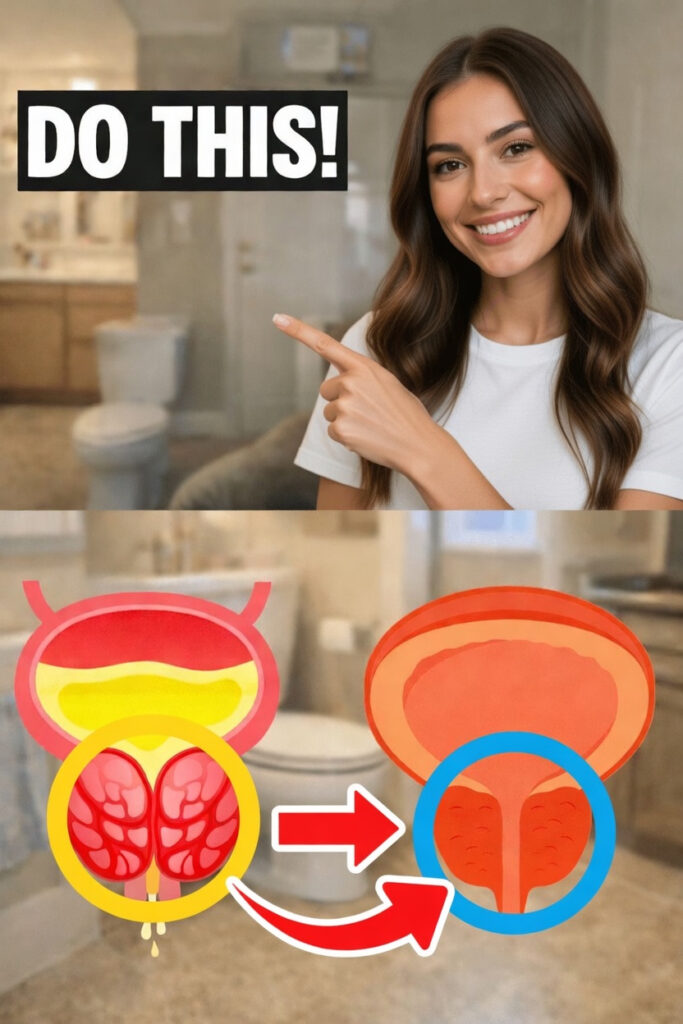
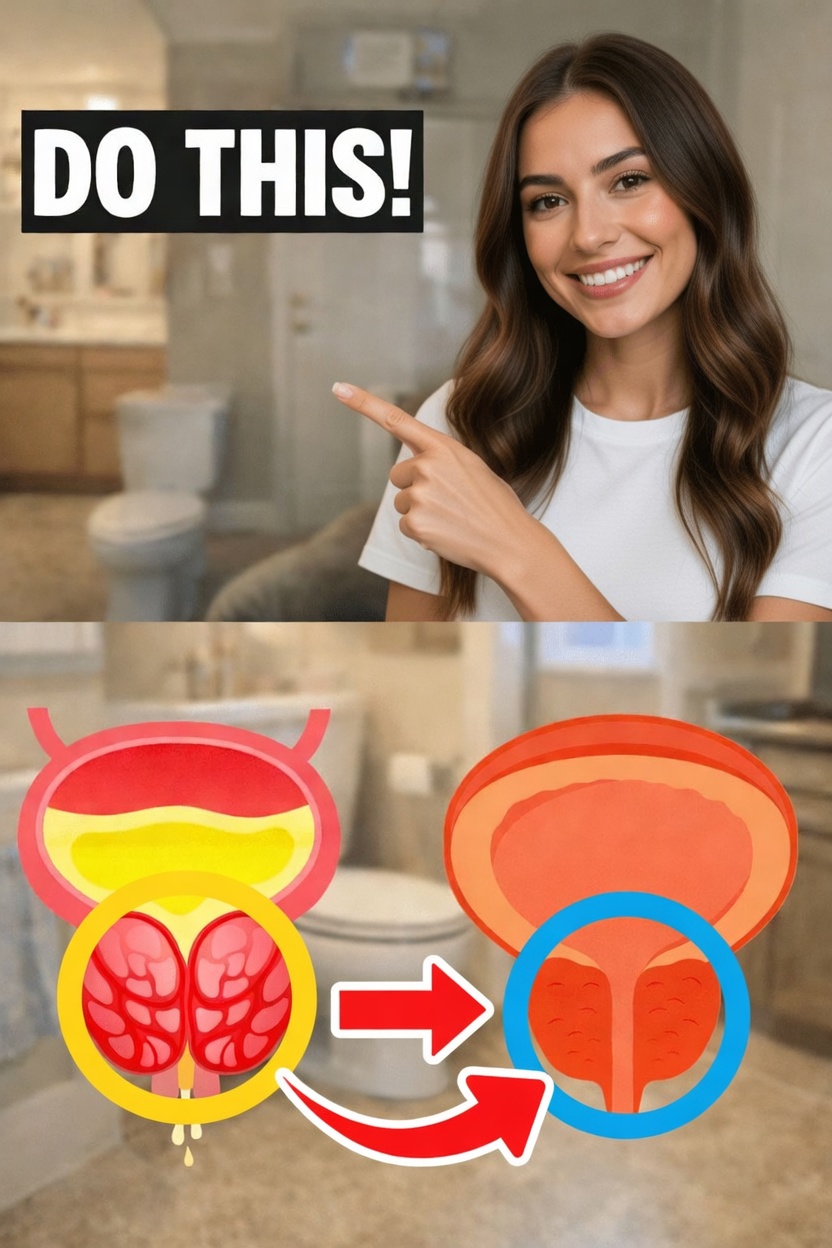
Many adults find themselves getting up several times during the night to use the bathroom. Over time, this can interrupt sleep, reduce energy the next day, and affect mood, focus, and overall productivity. One common reason is fluid that builds up in the lower body throughout the day and shifts once you lie down at night.
The encouraging part is that a few simple bedtime habits may help promote more complete bladder emptying and reduce nighttime bathroom trips. In particular, three easy exercises are getting attention for their potential to improve comfort before sleep when practiced regularly.
Why Fluid in the Legs Can Lead to More Nighttime Urination
As you move through the day, gravity naturally causes fluid to collect in your feet, ankles, and lower legs. Once you lie flat in bed, that fluid begins returning to the bloodstream. Your kidneys then filter it, which can increase urine production and make your bladder fill more quickly overnight.
This response is normal, but for many people it contributes to the sensation that the bladder is not fully empty before bedtime. Research on circulation and sleep suggests that gentle movements involving the calves and lower legs may support fluid return and help improve nighttime comfort.
What makes these techniques especially appealing is their simplicity. You can do them sitting on the edge of your bed or lying down, and they require no equipment. Each exercise takes only a minute or two and is designed to activate the calf muscles, which act like a pump to move fluid upward. That may reduce the amount of extra urine your body produces during the night.
3 Simple Bedtime Exercises to Support Better Bladder Emptying
Below are three easy movements you can start doing tonight. Move slowly, breathe naturally, and stay within a comfortable range. If you feel pain or discomfort, stop and speak with a healthcare professional.
1. Seated Calf Pump
This exercise helps the calf muscles push fluid upward before bedtime. It is one of the easiest ways to encourage circulation in the lower legs.
How to do it
- Sit on the edge of your bed with both feet flat on the floor.
- Bend your knees comfortably.
- Lift your heels slowly as high as possible while keeping your toes on the ground.
- Lower your heels back down with control.
- Repeat the movement 15 to 20 times.
Studies on lower-leg circulation show that repeated ankle and calf movements can improve venous return, which may help limit overnight fluid redistribution. Try doing two sets with a brief pause between them. A gentle warmth in your calves usually means the muscles are engaging.
Good posture can make this exercise even more effective, as it helps activate the full calf area.
2. Calf Wring-Out Technique
The second exercise is a massage-style method that many people find relaxing. It works by gently squeezing the calf muscles to encourage fluid movement, similar to pressing water from a sponge.
Steps to follow
- Sit comfortably on your bed with one leg bent or extended.
- Place both hands around your calf near the ankle.
- Apply light pressure and slowly move your hands upward toward the knee, using a gentle twisting motion in opposite directions.
- Release and repeat this upward motion 8 to 10 times on that leg.
- Switch sides and repeat on the other calf.
Findings from physical therapy and circulation research suggest that this type of motion may help stimulate blood flow and lymphatic drainage. It takes only about a minute per leg, yet many people notice their legs feel less heavy afterward.
For best results, try this immediately after the seated calf pump. Together, they create a simple and effective combination. Be sure to keep your pressure light and comfortable. The goal is to support drainage, not to press hard enough to cause soreness or bruising.
3. 4-7-8 Leg Drain
The final technique combines leg elevation with slow, structured breathing. Many people consider this the most effective part of the routine because it supports relaxation while using gravity to help fluid shift away from the lower legs.
How to do it
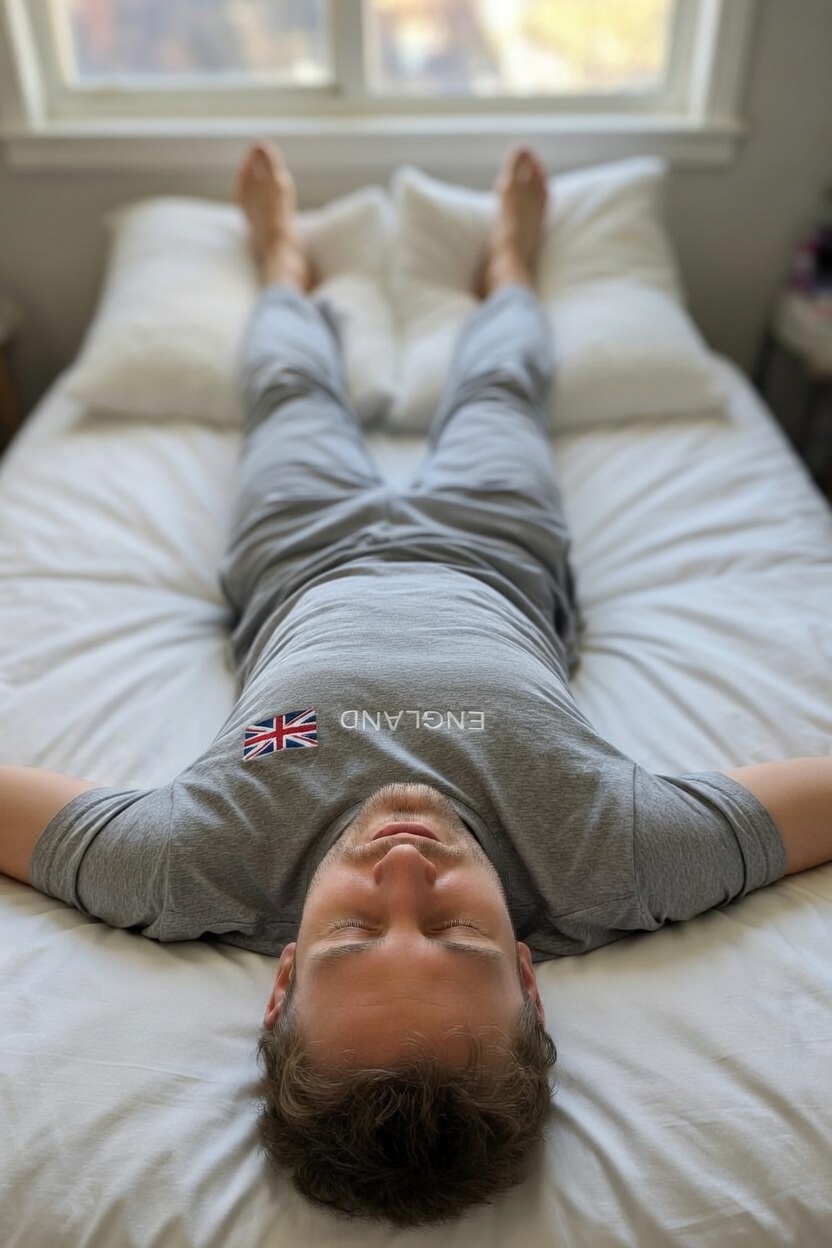
- Lie on your back in bed.
- Raise your legs on pillows or place them against a wall so they are above the level of your heart.
- Inhale quietly through your nose for a count of 4.
- Hold your breath for a count of 7.
- Exhale slowly through your mouth for a count of 8, making a soft whooshing sound.
- Repeat this breathing cycle 4 to 6 times while keeping your legs elevated.
This method combines two helpful effects: elevation can assist fluid return, and slow breathing can calm the nervous system. Together, they may help reduce the urge to get up during the night while also promoting better sleep. Stay in this position for about 2 to 3 minutes.
The full routine takes less than 10 minutes, making it easy to fit into almost any evening schedule.
Add Double Voiding for Better Results
To get even more benefit from these bedtime exercises, try pairing them with a bathroom habit called double voiding. This simple technique involves urinating, waiting briefly, and then trying again. It may help the bladder feel more fully emptied before sleep.
How to practice double voiding
- Go to the bathroom and urinate as usual.
- Wait for 20 to 30 seconds while staying relaxed, either standing or sitting.
- Lean slightly forward and try to urinate again.
- Return to bed feeling more comfortable.
When combined with the three leg exercises, double voiding creates a more complete bedtime routine by addressing both lower-leg fluid buildup and bladder emptying.

Extra Lifestyle Tips for Healthier Nighttime Bladder Habits
In addition to the exercises, a few daytime habits may also help reduce nighttime urination and improve sleep quality.
- Drink most of your fluids earlier in the day instead of late in the evening.
- If you spend long hours sitting or standing, elevate your legs for 10 minutes in the afternoon.
- Wear loose, comfortable clothing around the waist and legs to avoid unnecessary pressure.
- Keep a regular bedtime so your body can maintain a more predictable fluid rhythm.
These small adjustments can work well alongside the exercises and may provide better long-term support.
What Research Suggests
General research on sleep and leg circulation indicates that movements encouraging venous return before bed may help some adults wake less often at night. While results vary from person to person, the combination of calf activation, gentle massage, and leg elevation has been explored as a supportive wellness approach for lower-body comfort and better rest.
It is important to remember that these methods are supportive practices, not medical treatment. Pay attention to how your body feels and seek medical advice if symptoms persist or worsen.
Ready to Try This Tonight?
These three bedtime exercises offer a practical and gentle way to prepare your body for sleep. If you are new to the routine, start with one or two exercises and add the rest gradually. With consistent practice, many people report feeling more comfortable at bedtime and waking less often during the night.
One of the biggest advantages is how simple this routine is. It is easy to remember, quick to perform, and can fit naturally into your evening wind-down.
FAQ
How often should I do these exercises?
Most people do best when they practice the full routine every night before bed. If that feels like too much at first, begin with three or four nights per week and increase gradually based on how you feel.
Are these exercises safe for everyone?
They are generally gentle and appropriate for most healthy adults. However, if you have circulation problems, joint issues, swelling, or any other medical concerns, it is best to speak with your healthcare provider before starting.
How soon can I expect to notice a difference?
Some people feel lighter in the legs and experience fewer nighttime interruptions right away. Others notice changes after one or two weeks of regular practice. Your results will depend on your body, daily habits, and consistency.