14 Body Changes Women Should Never Ignore
Many women notice subtle shifts in their bodies and brush them aside as stress, fatigue, or simply getting older. While that reaction is common, it can sometimes delay attention to issues that deserve a closer look. The good news is that visible warning signs often provide useful information early on.
This guide covers 14 commonly overlooked symptoms women should pay attention to. Some may turn out to be harmless, but when they persist or change over time, they are worth discussing with a healthcare professional.
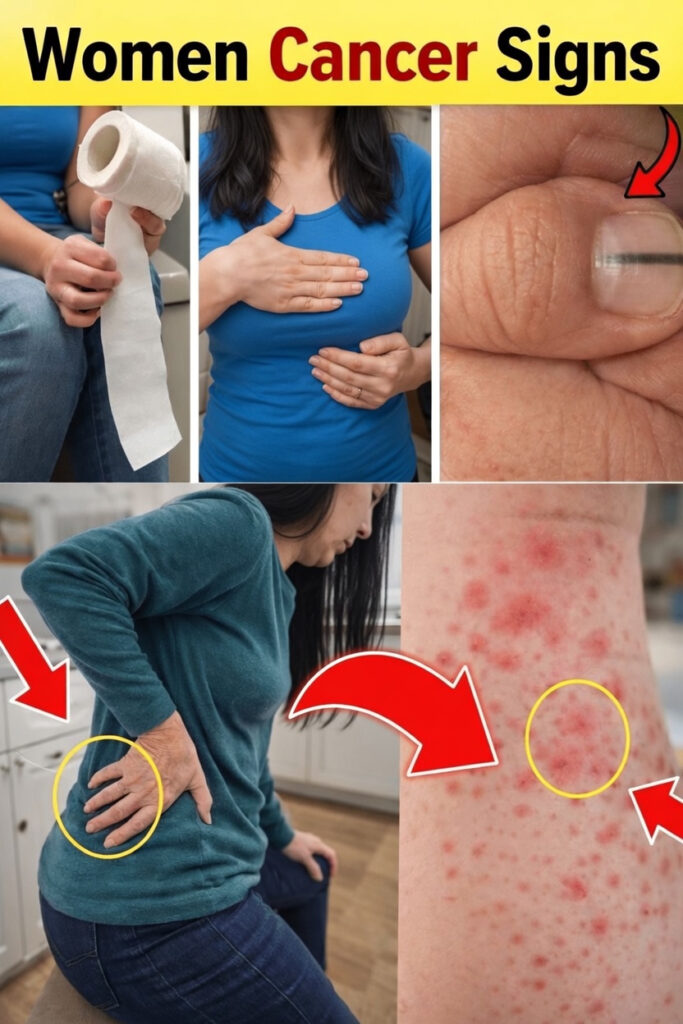
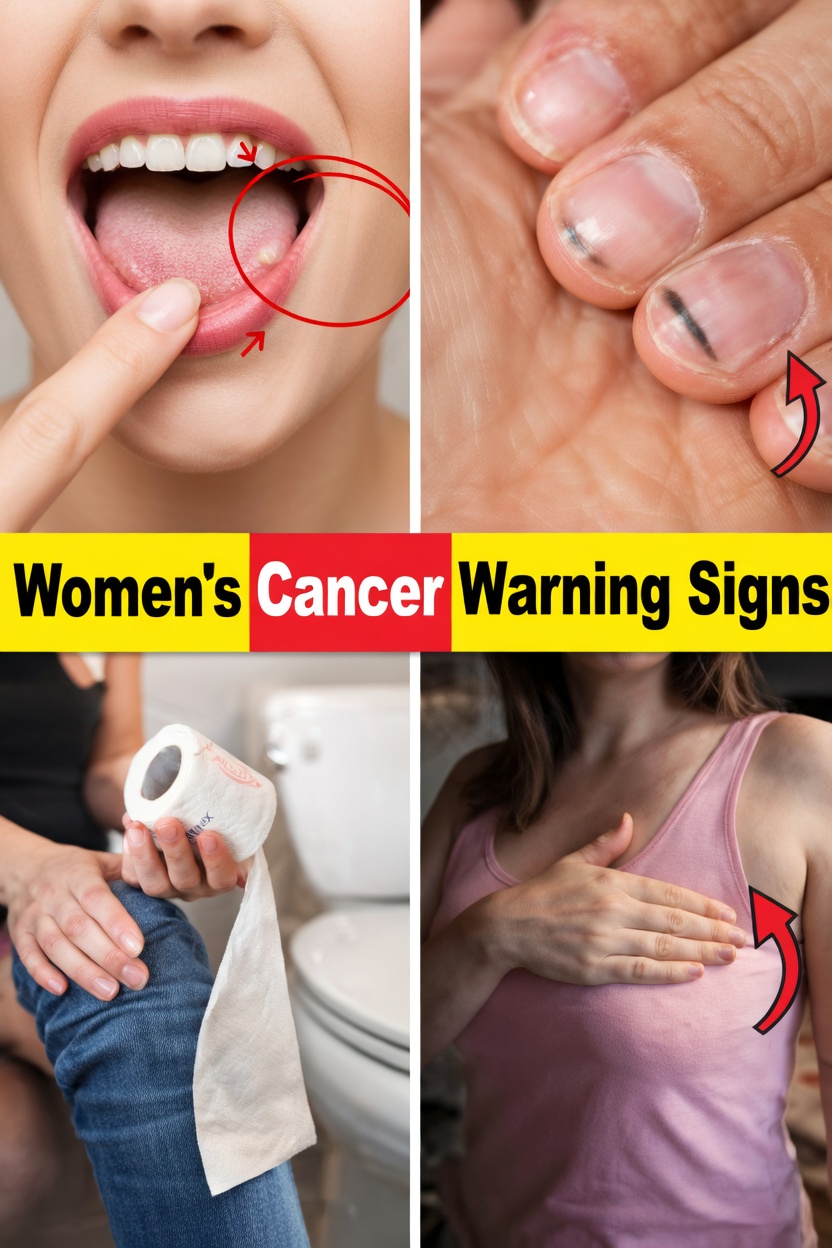
1. Blood on Toilet Paper After a Bowel Movement
Noticing a little blood on toilet paper can be unsettling, yet many women assume it is only hemorrhoids or a minor dietary issue. According to information from the American Cancer Society, repeated rectal bleeding should not be ignored. The blood may look bright red or appear darker depending on where it is coming from.
What many women miss is that details matter. How often it happens, whether there is pain, and whether bowel habits have changed can help a doctor assess the cause much faster.
If you see this more than once, keep a basic symptom log for a week. Write down when it happens, how much blood you notice, and any discomfort, then book an appointment with your primary care provider.
2. Changes in How the Breast Looks or Feels
A breast lump, skin dimpling, swelling, or redness is often dismissed as a hormonal fluctuation or irritation from clothing. However, guidance from MD Anderson Cancer Center shows that these changes can sometimes signal something that needs medical review. Many women first notice them while showering or getting dressed.
Regular self-awareness is what makes a difference. The more familiar you are with your normal breast shape and texture, the easier it is to recognize something new.
Once a month, stand in front of a mirror with your arms relaxed, then raise them overhead. Look for visible differences in shape, skin texture, or symmetry, and bring up any concerns at your next medical visit.
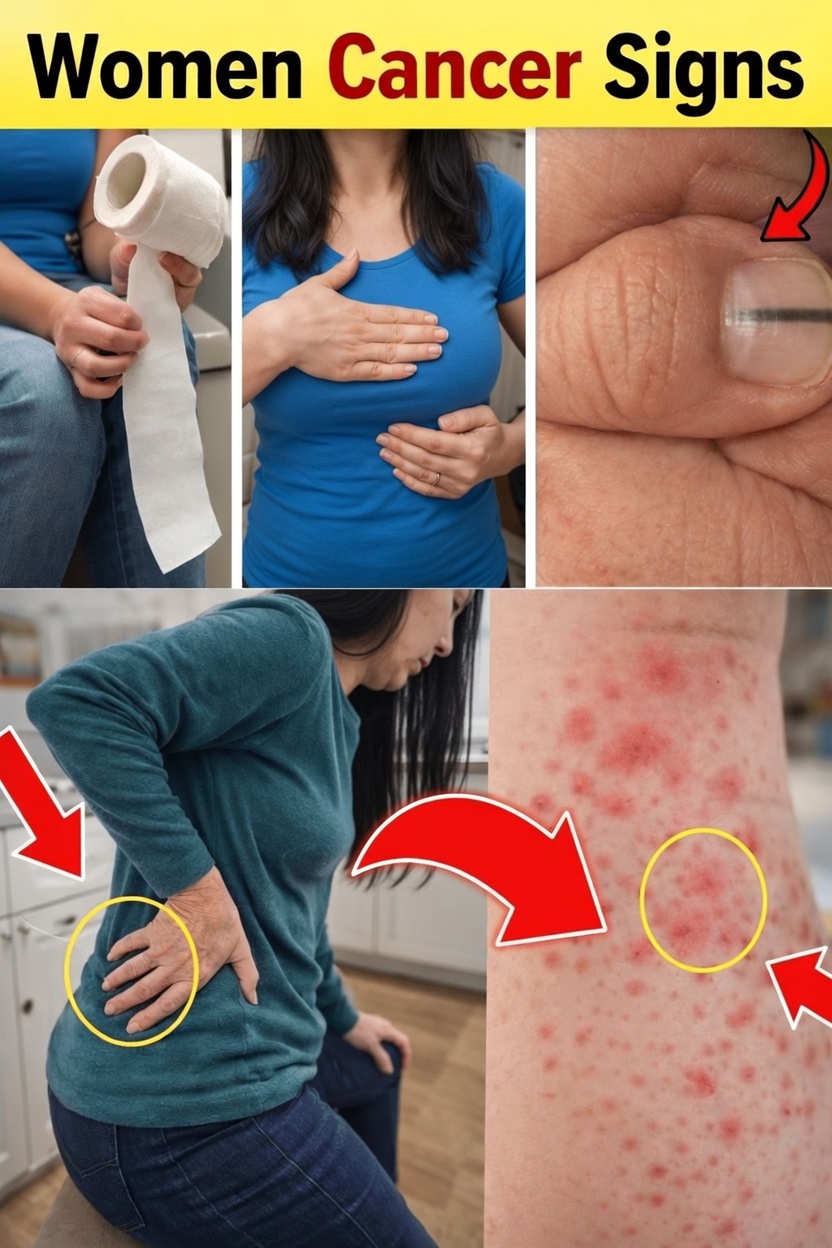
3. Dark Streaks Under a Fingernail or Toenail
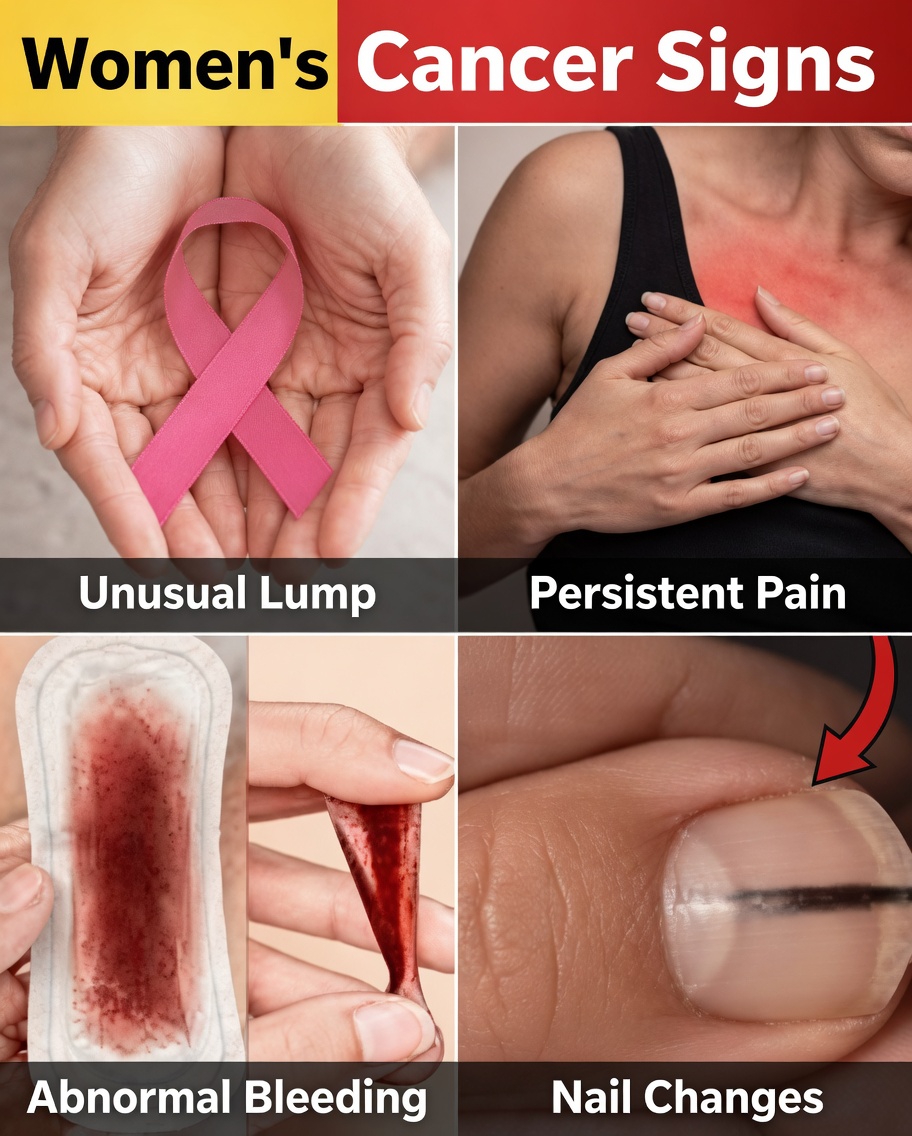
A brown or black line under the nail may seem like the result of a small injury from exercise, gardening, or everyday bumps. But Mayo Clinic experts point out that certain nail changes deserve closer attention because they can be an external sign of something more serious.
A key distinction is persistence. A bruise usually fades as the nail grows out, but a line that stays in place, widens, or changes color should be evaluated.
Take a clear photo in good lighting and compare it weekly. If the streak remains after two weeks or appears to be getting worse, contact a dermatologist.
4. Lower Back Pain That Lasts and Does Not Improve
Ongoing lower back pain is often blamed on sitting too long, lifting something heavy, or a physically demanding routine. Still, the American Cancer Society notes that unexplained back pain that continues for weeks can sometimes indicate a deeper issue.
One detail women often overlook is the pattern of the pain. If it wakes you up at night or spreads into the hips or pelvis, it may need a more thorough conversation with your healthcare provider.
You can try gentle stretching and standard over-the-counter pain relief for a few days. If the discomfort continues, ask whether imaging or a referral to a specialist would be appropriate.
5. New Rashes or Red Spots That Do Not Go Away
A sudden rash or cluster of red spots is easy to blame on detergent, stress, weather, or a reaction to skincare products. Dermatologists frequently remind patients that skin changes that linger should be monitored carefully.
One of the easiest ways to make these symptoms easier to assess is to track them visually. Photos taken on different days can show whether the rash is spreading, fading, or changing in appearance.
Use a gentle moisturizer and avoid scratching the area. If the rash lasts more than two weeks, spreads, or starts to bleed, arrange a dermatology appointment.
6. Vaginal Bleeding Between Periods
Spotting outside your normal menstrual cycle may be written off as birth control side effects, stress, or perimenopause. However, organizations such as the Centers for Disease Control and Prevention note that any unusual bleeding pattern, especially after age 40, should be discussed with a doctor.
A simple record can be extremely helpful. Tracking the dates, flow, and related symptoms can reveal a pattern that might otherwise be missed.
Use a notes app or period tracker to record the timing and amount of bleeding, along with pain or cramping. Bring that information to your next gynecology appointment.
7. Ongoing Bloating That Makes Clothes Feel Tighter
Bloating after a large meal is common, but abdominal swelling that lasts for weeks without a clear cause deserves more attention. Reports summarized by Healthline suggest that persistent bloating may be linked to health changes that should be assessed medically.
A practical way to track this is by measuring your waist at the same time each week. This helps you tell the difference between normal daily fluctuations and a pattern that is continuing.
Try reducing carbonated beverages for several days and note whether anything improves. If the bloating does not ease, schedule a visit with your healthcare provider.
8. Weight Loss Without Trying
Losing weight unexpectedly may seem like a positive change at first, especially if you have not altered your diet or exercise habits. But the American Cancer Society and other health sources report that rapid, unintentional weight loss can be a body signal that should be investigated.
The speed of the change is especially important. Losing more than 5% of your body weight in a month is something to take seriously.
Weigh yourself once a week under the same conditions and keep a brief record of your meals and appetite. Share the pattern with your doctor if the drop continues.
9. Swollen Lymph Nodes in the Neck or Armpit
A tender lump in the neck or under the arm may feel like the early stage of a cold or infection. In many cases it is. Still, medical guidance suggests that lymph nodes that stay enlarged for more than two weeks should be checked.
Many women do not realize that simple self-checks can help. Feeling these areas gently during a shower can make it easier to notice whether a node is shrinking or getting larger.
Apply a warm compress for about ten minutes each day and monitor the area. If the swelling remains or grows, see your doctor for a full evaluation.
10. Sores or Ulcers That Do Not Heal
A small sore on the skin or in the mouth is easy to ignore, especially if it does not seem painful. But public skin cancer awareness campaigns consistently stress that lesions that fail to heal can be important warning signs.
Progress is easier to judge when you document it. Weekly photos can reveal whether the area is truly improving or simply staying the same.
Clean the spot gently twice a day and protect it if needed. If there is no clear improvement after ten days, get a professional opinion.
11. Moles That Change in Size, Shape, or Color
A mole that becomes darker, larger, or more irregular may appear harmless at first glance. Dermatologists often use the ABCDE rule to help women identify concerning mole changes quickly:
- Asymmetry
- Border irregularity
- Color variation
- Diameter increase
- Evolving appearance
One useful trick is to compare current skin spots with older photos. Images from vacations or past events can make changes much easier to spot.
Take monthly photos of any mole you are watching. If it starts to evolve, make an appointment with a dermatologist.
12. A Cough or Hoarseness That Lasts for Weeks
A lingering cough is often blamed on allergies, dry air, or a recent cold. Still, lung health organizations note that persistent coughing or hoarseness should be evaluated if it continues beyond the usual recovery period.
A simple voice recording can also help. If your voice sounds noticeably different over time, that information may be useful to your doctor.
Drink plenty of water and consider using a humidifier at night for a week. If the cough or hoarseness does not improve, ask for a chest or throat evaluation.
13. Trouble Swallowing or the Feeling That Food Gets Stuck
Many women assume swallowing difficulty is caused by eating too quickly or not chewing enough. However, specialists in swallowing disorders say ongoing difficulty should not be ignored, especially if it affects eating patterns or nutrition.
One easy way to monitor it is to time how long it takes to finish a normal meal and note whether certain foods trigger discomfort more than others.
Choose softer foods for a few days and track what happens. If the problem continues, make an appointment with an ear, nose, and throat specialist.
14. Yellowing of the Skin or the Whites of the Eyes
A slight yellow tint in the eyes or skin can be mistaken for tiredness, poor lighting, or even dietary changes. Yet Mayo Clinic medical reviews link jaundice-like discoloration to conditions that may require prompt testing.
What makes this sign especially easy to miss is that it can develop gradually. Side-by-side photos taken in natural light may reveal the change more clearly than a quick look in the mirror.
Check your skin and the whites of your eyes in daylight and compare recent photos if needed. If the yellowing is new or increasing, contact your doctor promptly for lab work and further evaluation.
Final Thoughts
Many of these symptoms do not automatically mean something serious is wrong. But when a visible body change is new, persistent, or getting worse, it deserves attention rather than dismissal. Tracking symptoms, taking photos, and noting patterns can make medical visits more productive and may help identify issues earlier.
Paying attention to your body is not overreacting. It is a smart and proactive step toward protecting your health.