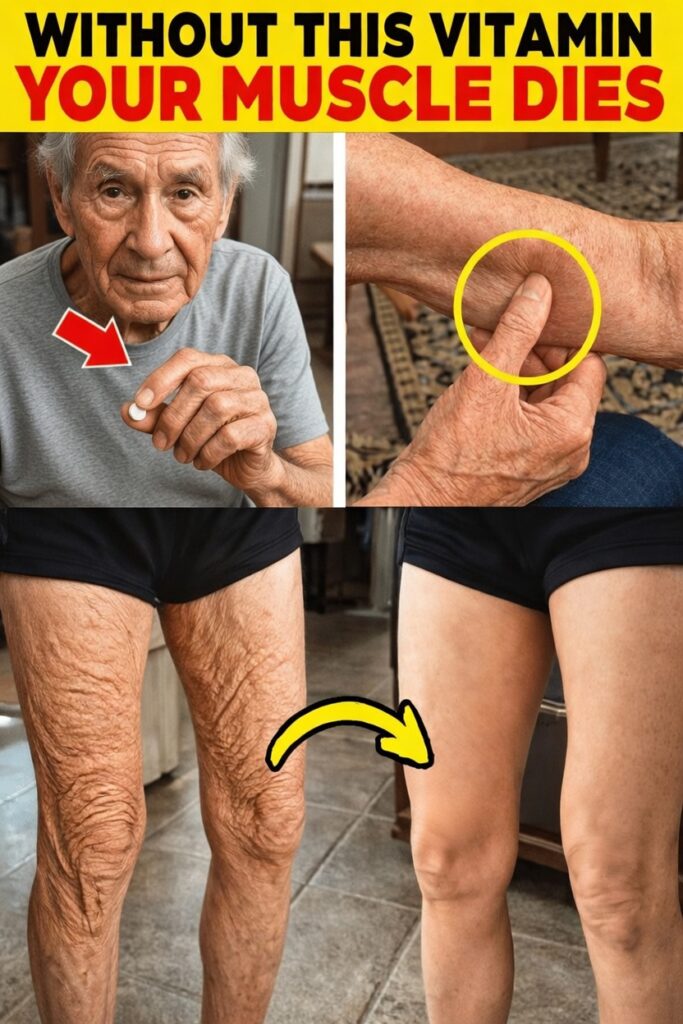
10 Everyday Habits Super-Seniors Use to Stay Strong and Active
As the years go by, many people begin to notice physical changes—lower energy, reduced strength for everyday tasks, and gradual differences in how the arms and legs look or feel. Over time, these shifts can make simple activities more difficult and may affect independence.
The encouraging part is that aging is influenced not only by time, but also by daily habits. In several regions known for exceptional longevity, many older adults remain active, capable, and engaged well into their 90s and beyond. These communities, often linked to Blue Zones research, share lifestyle patterns that support vitality, including better muscle health.
This guide explores 10 realistic habits inspired by these long-lived adults. They are not miracle solutions, but practical routines that can be applied in daily life. By the end, you will also discover one commonly overlooked nutrient connection that supports many of these habits and may have a meaningful impact on how you feel as you age.
Why These Habits Support Muscle Health as You Age
Losing some muscle strength with age is common, but that does not mean decline is unavoidable. Regular movement, nourishing meals, and strong social ties all contribute to better physical function and overall well-being. Many super-seniors naturally follow simple routines that keep them active and well fed without making life complicated.
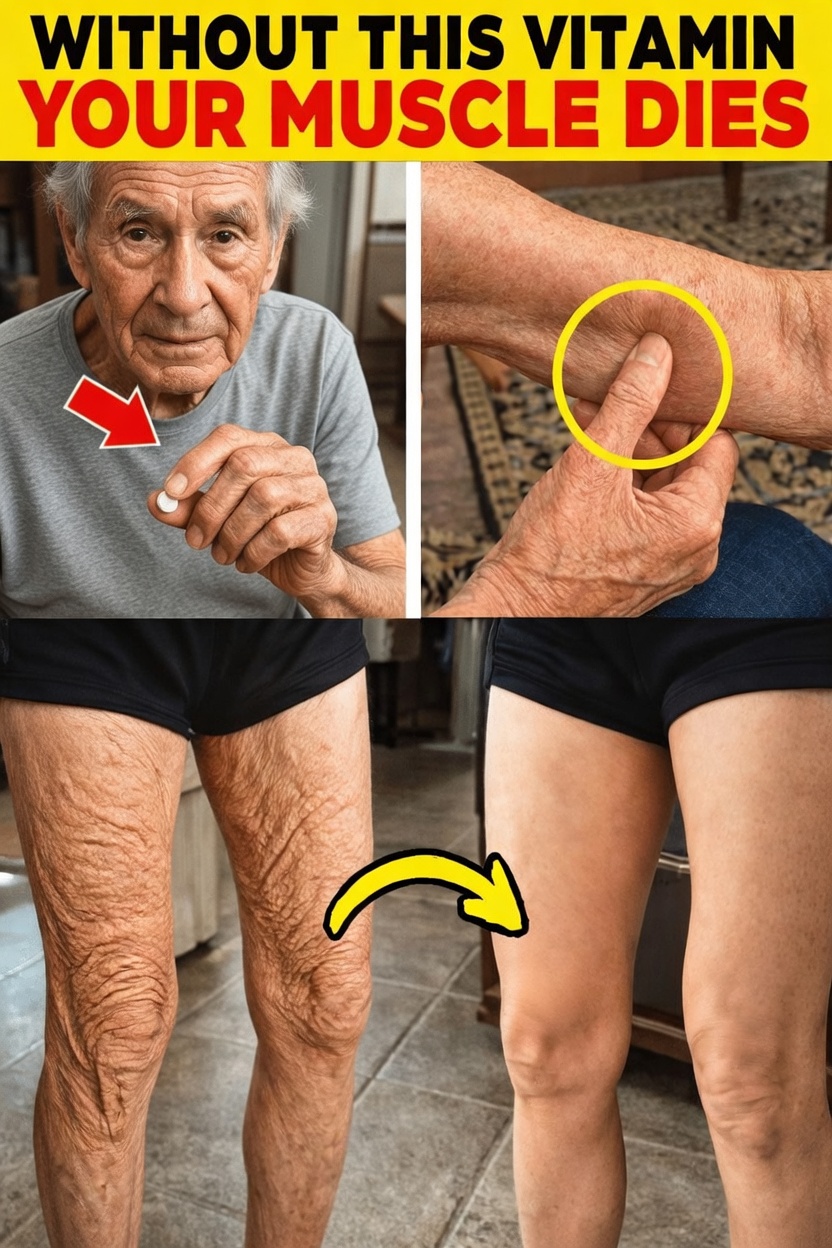
1. Make Natural Movement Part of Every Day
Many super-seniors do not depend on structured gym workouts. Instead, they stay active through daily living—walking, gardening, shopping, and household tasks all help keep the body in motion.
Try these simple ideas:
- Take a 10-minute walk after meals
- Care for a garden or a few potted plants
- Choose the stairs instead of the elevator when it is safe
Steady, low-impact activity helps support muscle tone, balance, and mobility.
2. Have a Reason to Get Up Each Morning
A strong sense of purpose can be a powerful part of healthy aging. In Okinawa, this idea is known as ikigai. Research on longevity suggests that having meaning in daily life may reduce stress and encourage a more active lifestyle.
Ways to build this habit:
- Think about what gives you joy or meaning, such as family, hobbies, or helping others
- Set one small daily goal connected to that purpose
- Spend a few minutes each evening writing down what felt meaningful that day
3. Eat More Plant-Based Meals, Especially Beans
In many long-lived communities, beans are a daily staple. They are inexpensive, satisfying, and rich in both protein and fiber.
Easy ways to include them:
- Aim for about one cup of beans most days, such as lentils, black beans, or chickpeas
- Add them to soups, salads, or grain bowls
- Pair them with vegetables for a balanced meal
Studies suggest that plant protein can help support muscle maintenance, especially when paired with regular movement.
4. Stop Eating Before You Feel Too Full
One well-known Okinawan habit is hara hachi bu, which means eating until you are about 80% full rather than stuffed. This approach may help support digestion and a healthy body weight.
To practice it:
- Eat slowly and pay attention to fullness cues
- Use smaller plates to manage portions
- Stop when you feel satisfied, not overly full
5. Strengthen Your Social Connections
Super-seniors often stay closely connected with family, friends, and their communities. Regular social interaction can lower stress, improve mood, and encourage movement.
Helpful ways to stay connected:
- Plan weekly phone calls or visits
- Join a club, group, or local community activity
- Share meals with others whenever possible
6. Slow Down and Manage Stress in Natural Ways
Long-lived adults often include moments of calm in their daily routine. This may involve prayer, a short nap, quiet reflection, or moderate social rituals such as enjoying a small glass of wine.
Simple ways to unwind:
- Practice deep breathing for 5 minutes each day
- Take a short rest in the afternoon
- Drink herbal tea or, if appropriate for your health, enjoy a small glass of red wine in moderation
Reducing chronic stress may support both physical and emotional health over time.
7. Get Morning Sunlight When You Can
Sunlight helps the body produce vitamin D, an important nutrient for muscle function. Many healthy older adults spend time outdoors early in the day, combining light exposure with movement.
Try this routine:
- Spend 10 to 15 minutes outside in the morning
- Pair it with an easy walk
- If sunlight is limited, ask a healthcare professional about food sources or other options
Research suggests that older adults with adequate vitamin D levels often have better muscle strength.
8. Add Activities That Build Strength
Super-seniors may not lift heavy weights, but many still challenge their muscles through everyday physical tasks. Carrying items, bending, lifting, and manual work can all help preserve strength.
Practical options include:
- Do chair stands or wall push exercises, 10 repetitions, 2 to 3 times a day
- Use resistance bands if you have them
- Focus on doing a little regularly rather than doing a lot occasionally
Consistency matters more than intensity.
9. Drink Enough Water and Cut Back on Processed Foods
Diets in long-lived communities are usually built around simple, whole foods rather than highly processed products. Staying hydrated also plays a role in muscle function and recovery.
To make this easier:
- Sip water throughout the day
- Choose fresh foods instead of packaged snacks when possible
- Use herbs and spices for flavor instead of relying on processed ingredients
10. Choose Nutrient-Dense Foods That Help Protect Muscle
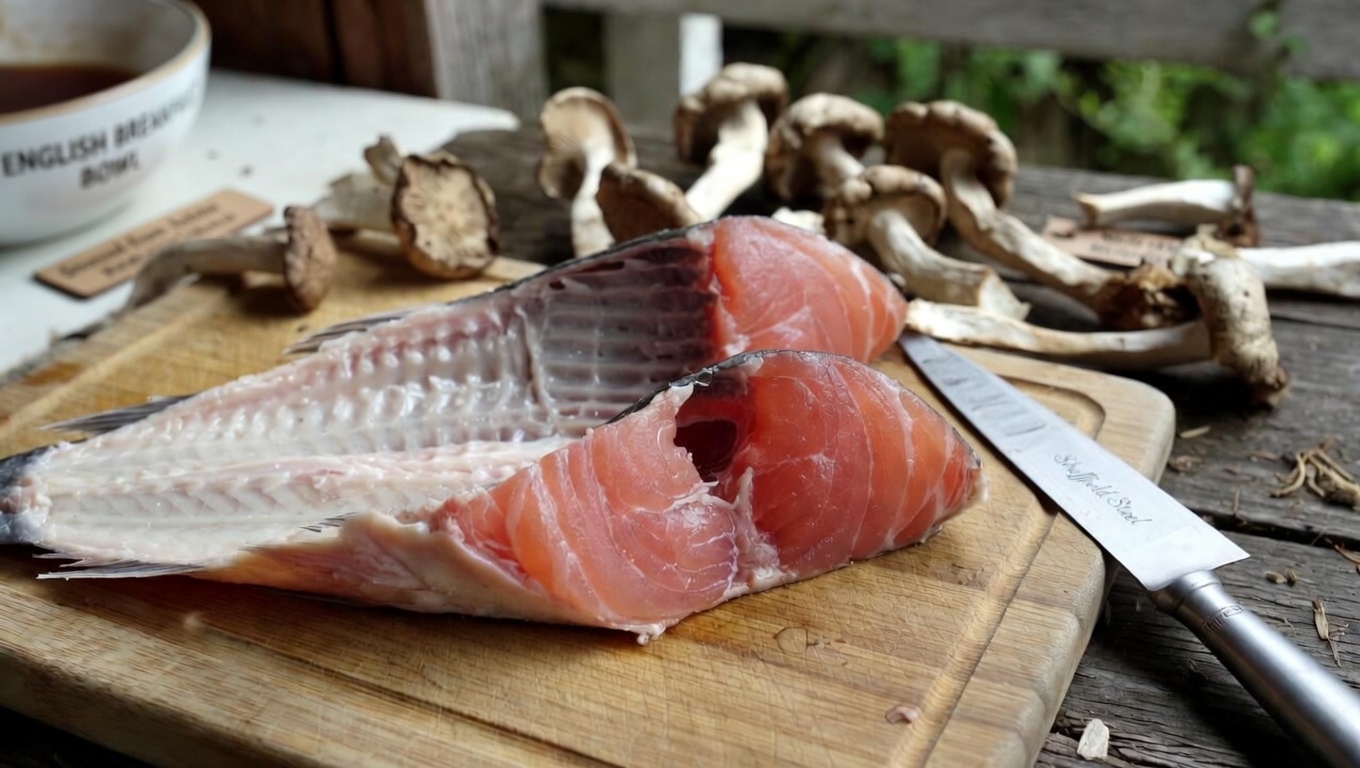
Super-seniors often eat foods that naturally provide key nutrients for healthy aging. One especially important nutrient is vitamin D, which can come from sunlight, fatty fish such as salmon, fortified foods, and mushrooms exposed to light.
Here is the important connection: vitamin D appears to support muscle health, especially in later years. Low levels have been associated with weaker muscle function, while getting enough through lifestyle habits may help support strength and vitality. It works best when combined with protein-rich foods and regular physical activity.
Quick Food Guide for Muscle-Supporting Nutrients
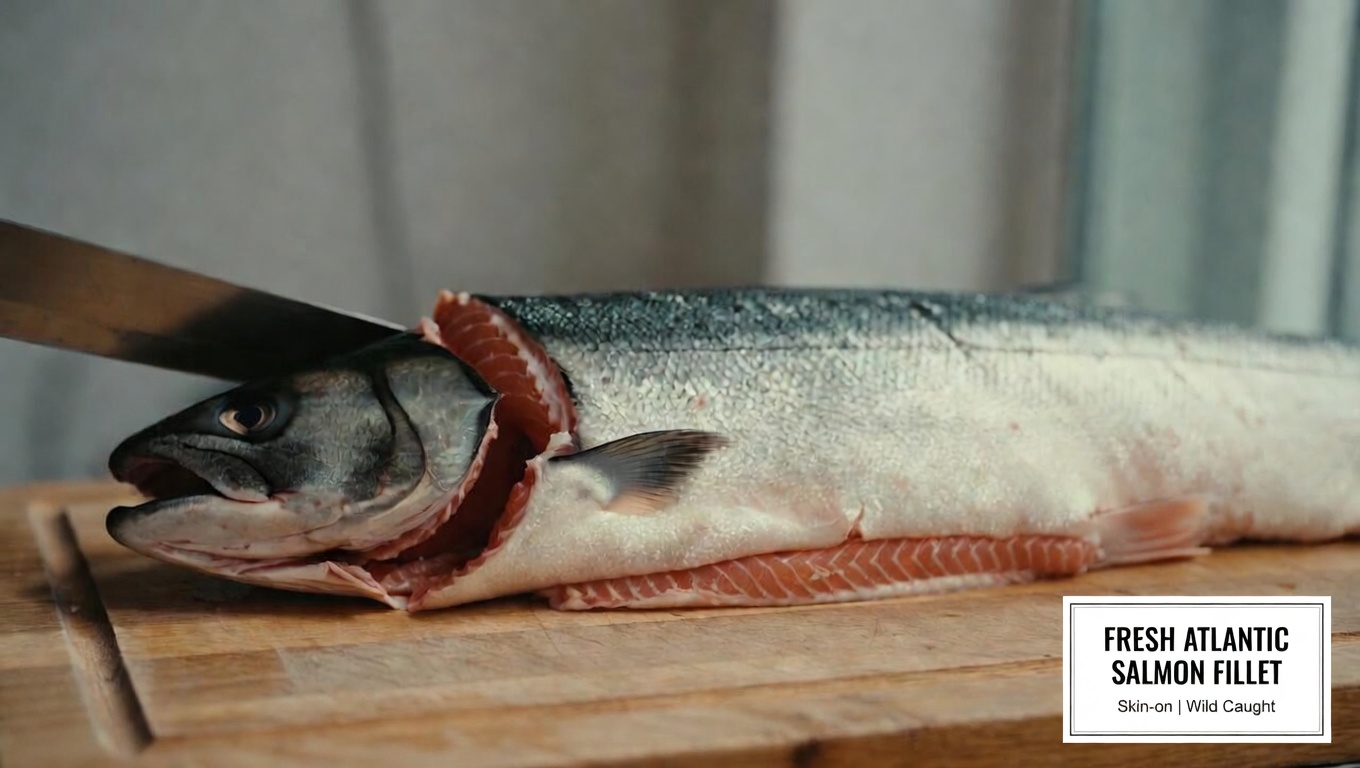
Some everyday foods can help support muscle health:
- Fatty fish like salmon and mackerel: rich in vitamin D and omega-3 fats
- Eggs and fortified dairy products: useful sources of vitamin D
- Beans and leafy greens: provide protein and magnesium
- Nuts and seeds: contain healthy fats that help with nutrient absorption
How to Start: Keep It Simple
You do not need to change everything at once. Start with just 2 or 3 habits this week, such as taking morning walks and adding beans to your meals. Small actions, repeated over time, can help create a stronger foundation for energy, mobility, and independence.
Healthy aging is not about doing everything perfectly. It is about choosing sustainable habits you can enjoy and maintain.
FAQ
What is the best way to support muscle strength as I get older?
A good approach is to combine gentle daily movement, protein-rich foods, and regular time outdoors for natural light. For personal guidance, speak with a healthcare professional.
How much sunlight is needed for vitamin D?
Many people may benefit from around 10 to 30 minutes of sun exposure several times a week, depending on skin tone, season, and location. Be careful to avoid sunburn.
Can these habits really help later in life?
Research and observations from long-lived communities suggest they can. Consistent lifestyle habits are linked with better physical function, stronger well-being, and improved quality of life in older age.