Why Dense Breast Tissue Matters More Than Many Women Realize
A few weeks ago, a woman in her sixties shared something with me that clearly made her uncomfortable. For years, she had kept up with regular mammograms and felt reassured by doing so. She even told her daughters she was "in the clear." Then, during a recent visit, her doctor mentioned something unfamiliar: she had dense breast tissue. In an instant, the confidence she had placed in past screening results felt less certain.
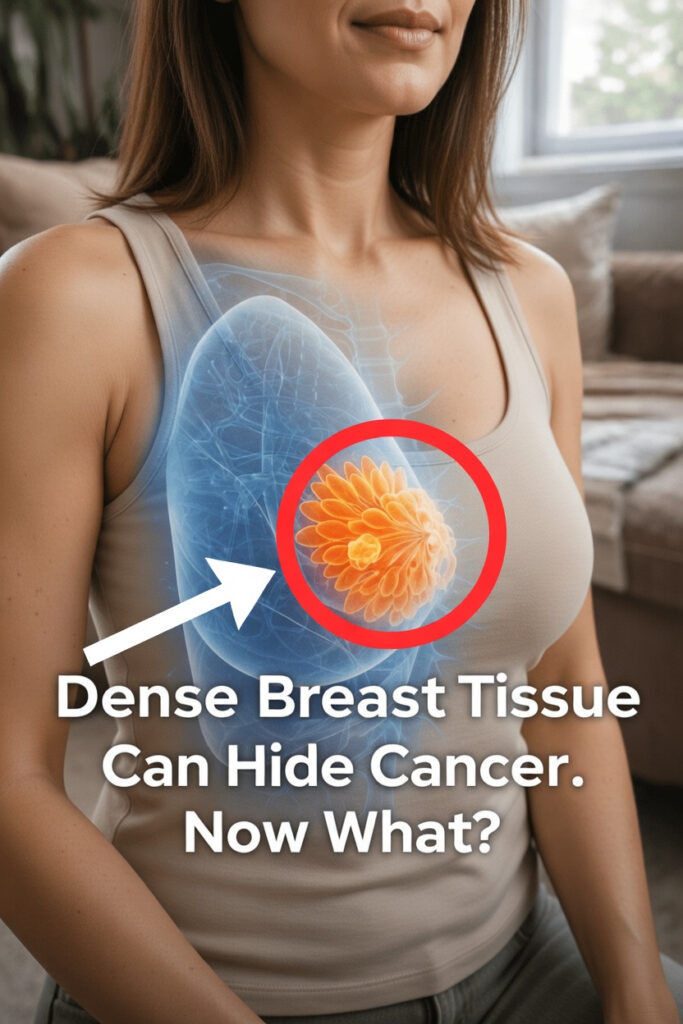
This is a reality many women do not hear enough about. A normal mammogram can offer reassurance, but dense breast tissue may make some abnormalities more difficult to detect on imaging. Even more important, newer research indicates that some women may benefit from additional screening methods beyond standard mammograms.
What Does Dense Breast Tissue Mean?
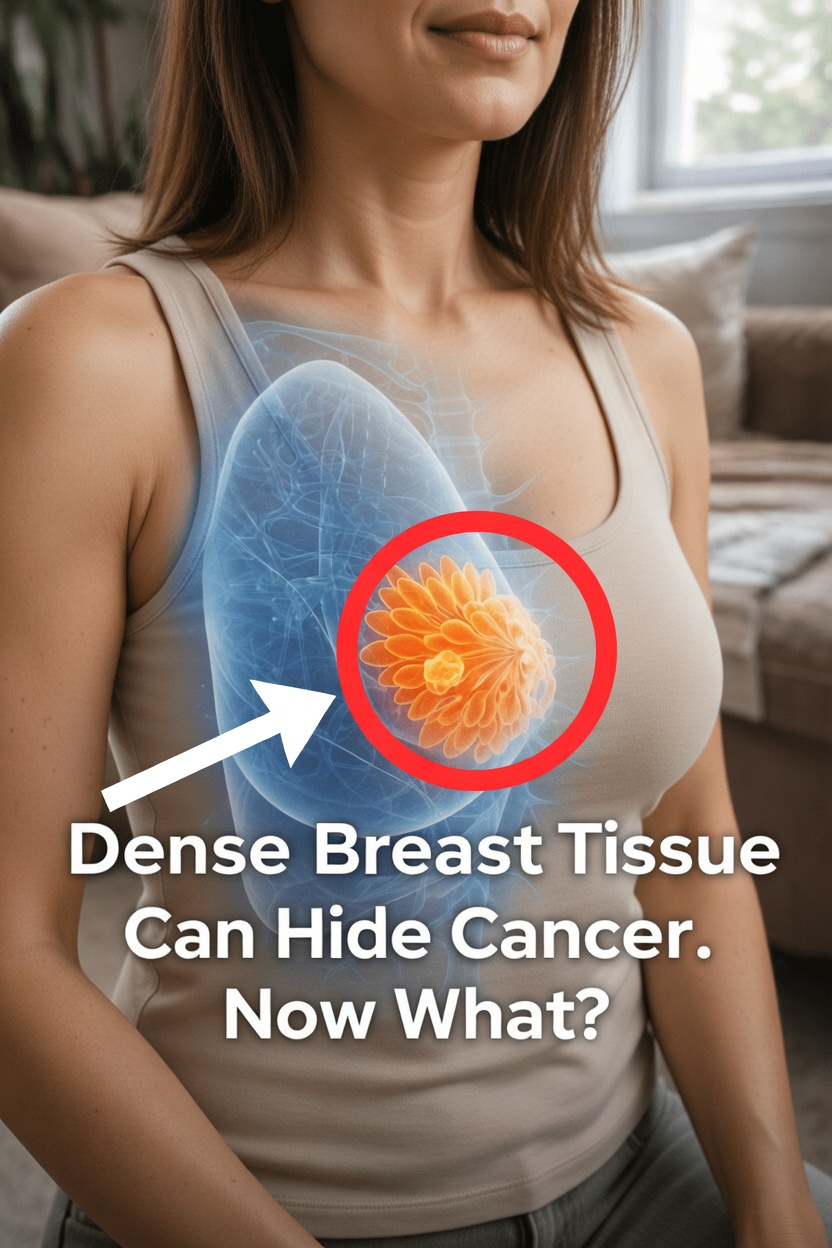
Hearing the term dense breasts can sound alarming, but it is actually very common and does not mean something is wrong.
Breast tissue is made up of three main components:
- Fatty tissue
- Fibrous tissue
- Glandular tissue
When the breast contains more fibrous and glandular tissue than fat, it is described as dense.
What surprises many women is how common this is. Research suggests that more than 40% of women have dense breast tissue. In other words, nearly one in two women may fall into this category.
So why is it important?
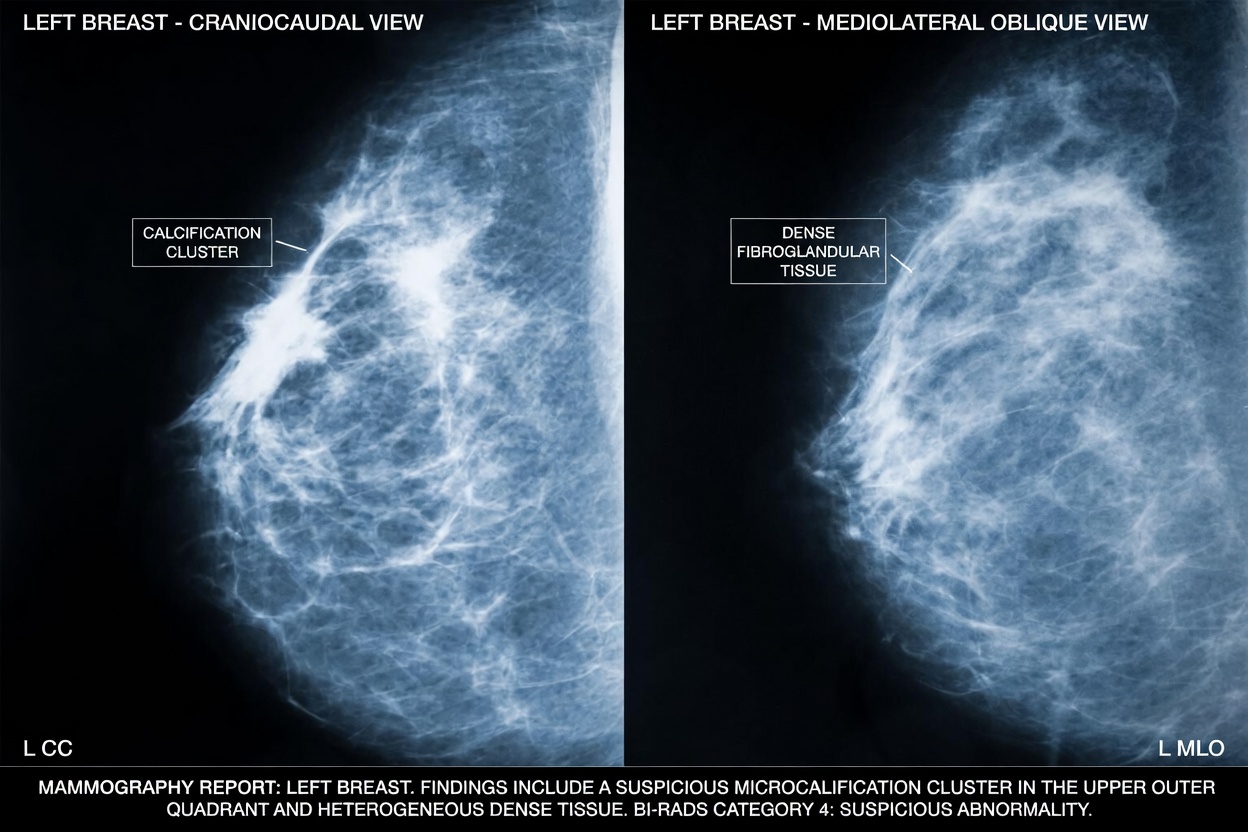
On a mammogram, dense tissue appears white. Certain abnormalities can also appear white, which may make the images harder to interpret in some cases.
Breast Density Categories
Here is a simple overview of the common density classifications:
-
Mostly fatty
- Changes are generally easier to see
- Less common
-
Scattered density
- A mix of tissue types
- Very common
-
Heterogeneously dense
- Some findings may be harder to detect
- Common
-
Extremely dense
- Mammogram interpretation can be more challenging
- Less common
The key point is this: dense breast tissue is not a disease. It is simply one factor doctors consider when deciding on the most appropriate screening plan.
How Dense Breast Tissue Can Influence Mammogram Results
This is an issue many women are never told about during routine checkups.
Traditional mammography works by showing differences between breast tissues. Fatty tissue tends to look darker, while dense tissue looks lighter on the image.
The challenge is that if a small abnormal area also appears light, it may blend into the surrounding dense tissue. This can make detection more difficult.
That does not mean mammograms are ineffective. Mammography is still one of the most valuable and widely used tools for breast cancer screening.
However, radiology research suggests that women with dense breasts may sometimes need a more tailored approach to screening.
That naturally raises the next question: What additional tests might be useful?
New Research Points to Additional Screening Options
Recent medical studies have looked at whether supplemental imaging can help identify changes in women with dense breast tissue more clearly.
The results are noteworthy. In some cases, these additional tests may reveal findings that a mammogram alone does not show clearly.
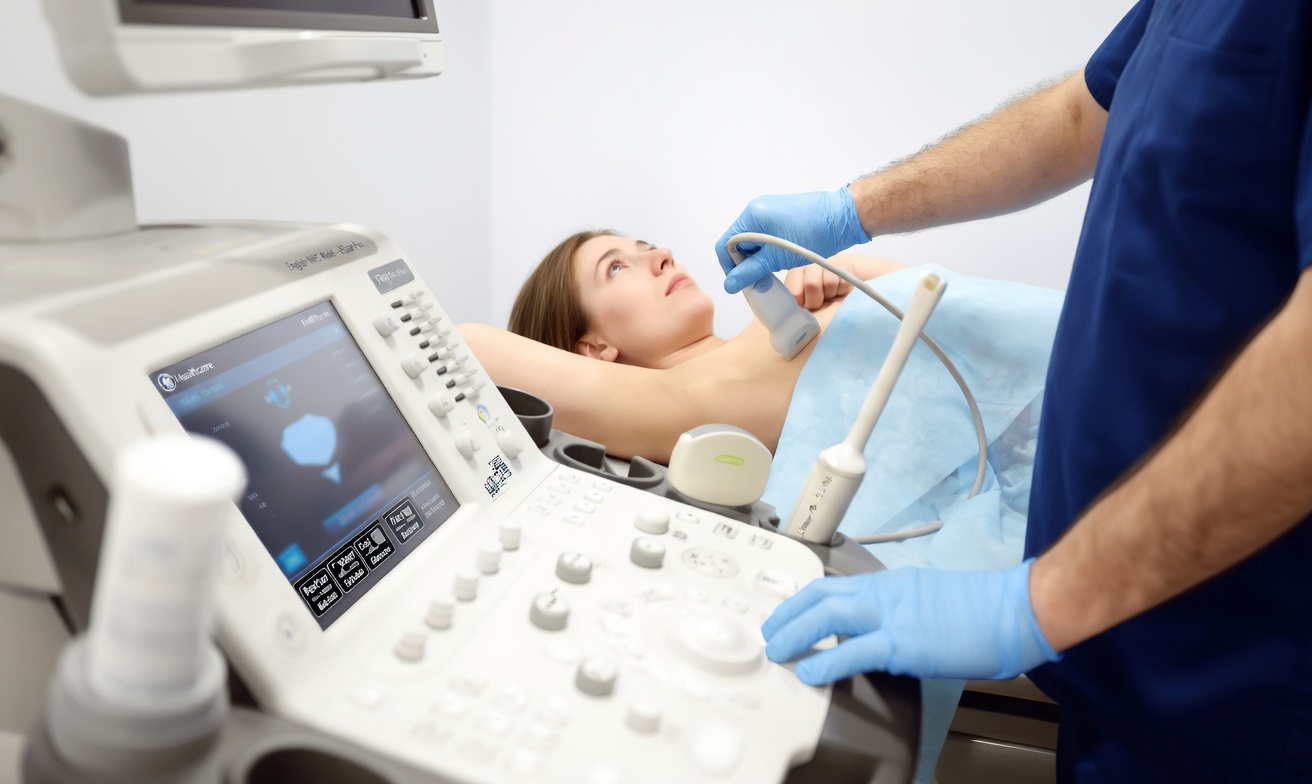
Ultrasound Screening
A breast ultrasound uses sound waves to create images of breast tissue.
Possible benefits include:
- No radiation exposure
- May help show differences within dense tissue
- Available in many clinics and imaging centers
At the same time, ultrasound can sometimes detect non-cancerous findings that lead to follow-up testing.
Breast MRI
A breast MRI uses magnetic fields to create highly detailed images.
Potential advantages include:
- Very sensitive imaging
- Often useful for women with higher overall risk
Things to keep in mind:
- Typically more expensive
- Not necessary for every patient
Comparing Common Breast Screening Tools
Here is a simple comparison of the most discussed options:
-
Mammogram
- Standard screening method
- Dense tissue may reduce image clarity
-
Ultrasound
- Can be helpful in dense breasts
- May lead to extra follow-up exams
-
MRI
- Provides highly detailed images
- Usually reserved for women with higher risk factors
The most important thing to understand is that doctors do not make these decisions based on breast density alone. Recommendations are usually based on a combination of factors, such as:
- Age
- Family history
- Personal medical history
- Hormonal factors
- Overall breast cancer risk
Screening decisions should always be individualized.
Smart Breast Health Habits for Women Over 50
For women over 50, whether living in Mexico or anywhere else, staying consistent with breast health screening is one of the most important steps for long-term awareness and preventive care.
The problem is that many women relax after receiving a normal mammogram result. A better approach is to stay engaged and informed.
1. Keep Up With Routine Screenings
For many women, regular mammograms remain the foundation of breast screening.
Most medical guidelines recommend discussing screening timing with a healthcare provider starting around age 40 or 50, depending on personal risk and health history.
2. Ask About Your Breast Density
Many women are never told this information unless they ask directly.
A simple question during your appointment can make a big difference:
"Do my mammogram results mention breast density?"
That one question may help you better understand your future screening needs.

3. Update Your Doctor on Personal Risk Factors
Healthcare providers consider many details when recommending screening strategies, including:
- Family history
- Age
- Hormonal history
- Personal health background
The more accurate and current this information is, the more personalized your screening plan can be.
4. Support Overall Breast Health With Healthy Habits
Research suggests that some everyday habits can support general breast health and wellness, such as:
- Regular exercise
- A balanced diet rich in vegetables and fiber
- Limiting alcohol consumption
- Maintaining a healthy body weight
Still, one of the most powerful habits may be even simpler: stay informed and stay proactive.
The Message Many Women Overlook
This is where confusion often happens.
Having dense breast tissue does not automatically mean you have cancer, and it does not mean your risk is extremely high.
Instead, breast density provides important context that helps doctors interpret screening results more carefully and decide whether additional imaging might be useful.
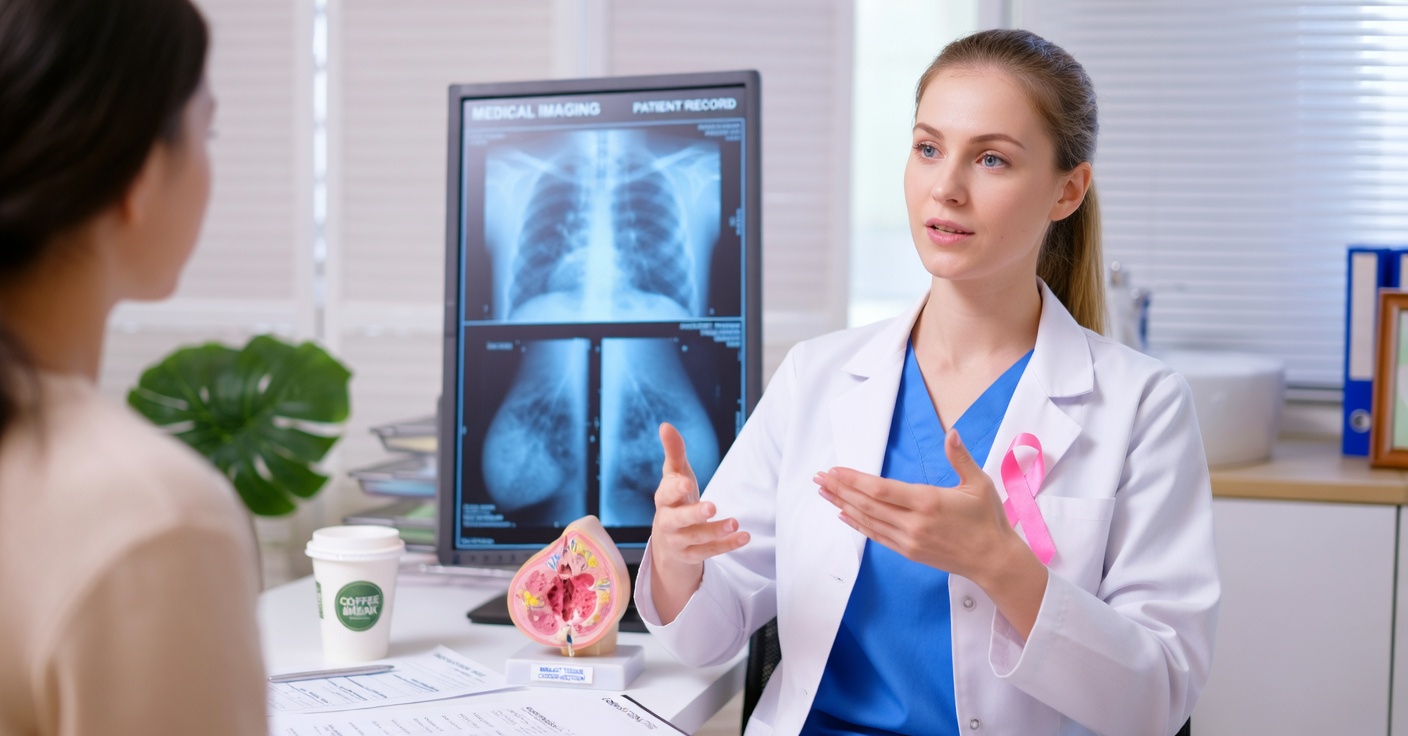
A helpful way to think about it is this: if a mammogram is like a flashlight used to examine breast tissue, then dense tissue can sometimes make the view less clear. In some cases, doctors may choose another "light source," such as ultrasound or MRI, to get a better look.
The purpose is not to create fear.
The purpose is to improve visibility and support more informed care.
Conclusion
Dense breast tissue is common and affects millions of women worldwide. For women over 50 especially, understanding breast density can lead to better conversations about screening options and long-term breast health.
The most important message is simple:
- Stay informed
- Keep up with regular screenings
- Talk openly with your doctor about your risk factors
And here is the real answer hinted at from the beginning: the most valuable step is not a miracle test or a one-size-fits-all solution.
It is knowing your breast density and working with your healthcare provider to choose the screening plan that best fits your individual needs.
That conversation alone can have a meaningful impact.
Frequently Asked Questions
Can you feel dense breast tissue during a self-exam?
Not usually. Breast density is determined through imaging, such as a mammogram, rather than by how the breast feels during a physical or self-exam.
Do dense breasts mean a woman will get breast cancer?
No. Dense breast tissue is only one factor among many that doctors consider when assessing overall risk. It does not mean cancer will develop.
Should all women with dense breasts get extra screening?
Not necessarily. The need for supplemental screening depends on several factors, including age, family history, and overall risk profile. A healthcare professional can help determine whether additional imaging is appropriate.
Medical Disclaimer
This article is intended for educational purposes only and is not a substitute for professional medical advice, diagnosis, or treatment. Always consult a qualified healthcare provider regarding personal health concerns or decisions about breast cancer screening.