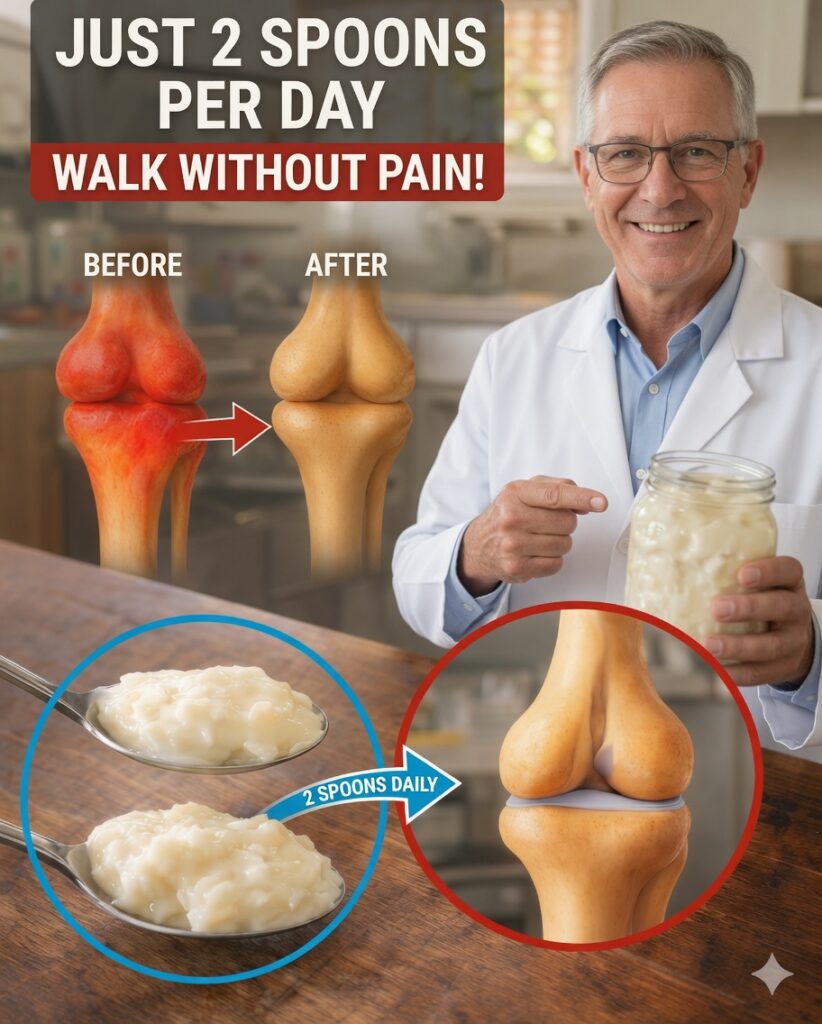
Knee Pain When Climbing Stairs? The Natural Foods That May Help Protect Cartilage Over Time
If your knees ache after a full day on your feet, you already know how much it can disrupt daily life. Climbing stairs, getting out of bed, or even taking a short walk can start to feel uncomfortable and exhausting. That lingering joint stiffness can be hard to ignore—so it’s no surprise many people search online for quick fixes.
But is there really a “miracle food” that can rebuild knee cartilage while you sleep? Read on to separate myth from reality and learn which foods can genuinely support joint health in a natural, science-informed way.
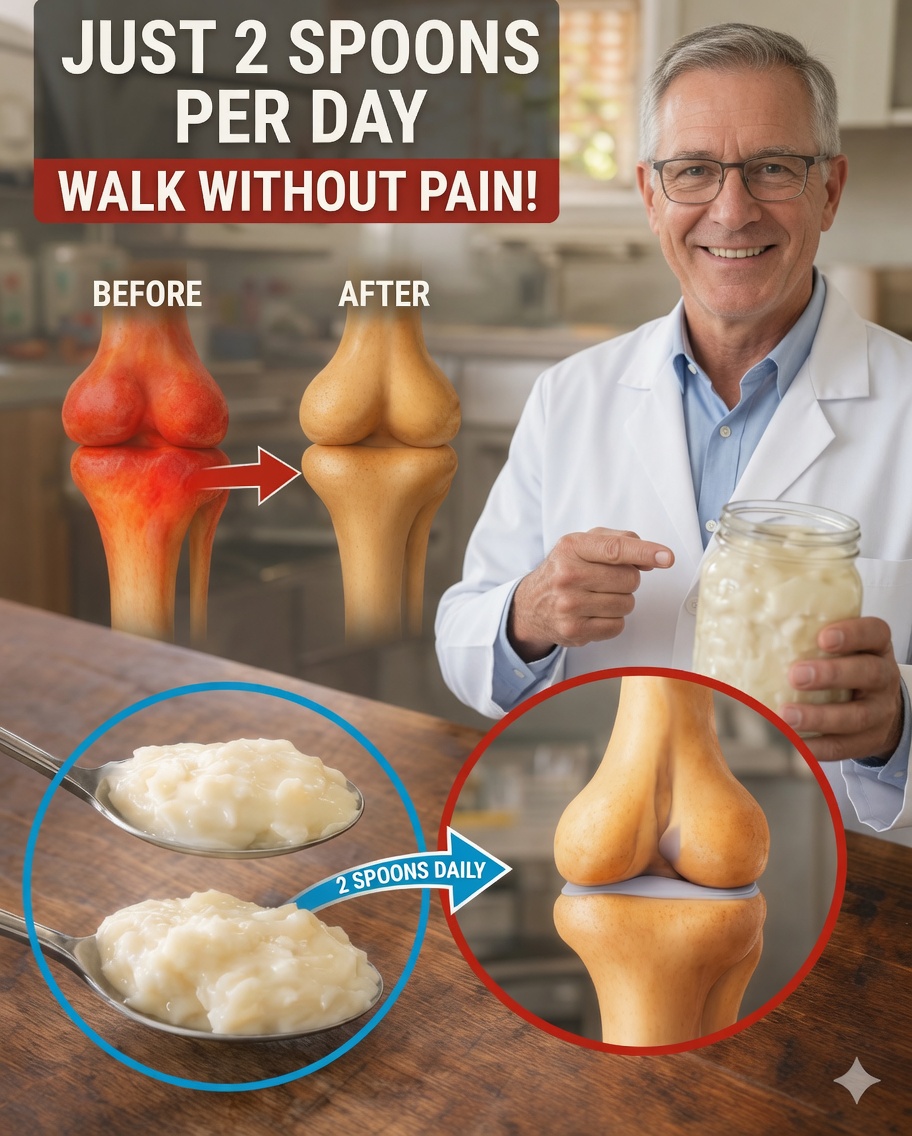
The Viral “Overnight Cartilage Repair” Claim Taking Over Social Media
In recent years, videos on platforms like YouTube, TikTok, and Facebook have pushed an irresistible promise: a secret ingredient that supposedly regenerates knee cartilage overnight. These clips often feature an “expert” (sometimes presented as an orthopedic surgeon with vague or missing credentials) warning viewers about surgery, chronic pain, and irreversible damage.
After a suspenseful buildup—often interrupted by ads—the video finally reveals the so-called “miracle ingredient.” The problem is that when you try to verify the source or look for solid clinical research, reliable evidence is usually missing.
This kind of content spreads fast because knee pain is extremely common, especially after age 50. When people are hurting, hope for a simple, natural solution can be powerful—even when the claims are unrealistic.
Why Knee Cartilage Can’t Regenerate Overnight
Knee cartilage acts like a smooth cushion between bones, allowing you to move with less friction and pain. Unlike skin or muscle, cartilage has very limited blood supply. That means it receives fewer nutrients and has a much smaller capacity to repair itself.
When cartilage wears down due to aging, excess weight, injuries, or repetitive stress, recovery tends to be slow. Osteoarthritis—one of the most common forms of joint degeneration—affects millions of people worldwide.
Research suggests inflammation can speed up cartilage breakdown. However, no single food or nutrient has been shown to rebuild lost cartilage within hours or days. Think of it like a worn tire: you can reduce further damage and improve performance, but you can’t instantly restore the missing material.
What Science Actually Supports
While there’s no instant cure, nutrition can play a meaningful role in joint comfort and cartilage support over time. Certain nutrients may help reduce inflammation, fight oxidative stress, and provide building blocks the body uses to maintain connective tissue.
Key nutrients linked to cartilage and joint support include:
- Amino acids involved in collagen production, such as glycine and proline
- Vitamin C, which is essential for collagen synthesis
- Antioxidants, which help reduce oxidative stress in joint tissues
- Omega-3 fatty acids, known for their anti-inflammatory effects
When these nutrients are included consistently as part of a balanced diet, many people report gradual improvements in stiffness, mobility, and overall joint comfort over several weeks or months.
9 Foods That May Help Protect Knee Cartilage
No food is a magic solution, but the options below contain nutrients that may help support cartilage and joint function over time.
-
Bone broth
Naturally contains collagen, gelatin, plus cartilage-related compounds like glucosamine and chondroitin. Regular intake may support joint comfort for some people. -
Whole grains
Provide fiber and magnesium, which can support overall metabolic health and help regulate inflammation. -
Green tea
Rich in catechins, antioxidants that may help protect cartilage cells from oxidative damage. -
Citrus fruits
Oranges, lemons, and tangerines deliver vitamin C, a critical nutrient for collagen formation. -
Fatty fish
Salmon, sardines, and mackerel supply omega-3s, which may help reduce joint inflammation and discomfort. -
Leafy green vegetables
Spinach, kale, and broccoli contain vitamin K, a nutrient associated with joint and bone health. -
Berries
Strawberries, blueberries, and raspberries provide anthocyanins, antioxidants that may help defend joint tissues. -
Nuts and seeds
Offer healthy fats and magnesium, both helpful for inflammation control and overall joint support. -
Legumes
Beans, lentils, and chickpeas provide lysine, an amino acid important for collagen-related processes.
Practical Ways to Add These Foods to Your Routine
Small dietary adjustments can add up—especially when done consistently.
- Drink one cup of bone broth daily or a few times per week.
- Eat omega-3-rich fish 2–3 times per week.
- Snack on berries and nuts instead of ultra-processed foods.
- Try drinking green tea each day.
Consider tracking your knee pain level and mobility for a few weeks. Noticing gradual changes can help you stay consistent and spot what works best for your body.
Don’t Let Viral Promises Take Away Real Progress
The idea of rebuilding knee cartilage overnight is a myth. But that doesn’t mean improvement is out of reach.
A diet rich in collagen-supporting nutrients, antioxidants, and omega-3 fatty acids may help lower inflammation, protect existing cartilage, and support better movement over time.
Start with one realistic step today—like adding bone broth or a serving of fatty fish to your meals. When it comes to joint health, consistency matters more than hype.
Frequently Asked Questions
-
Can any food fully regenerate knee cartilage?
So far, no food has been proven to fully restore lost knee cartilage in humans. However, nutritious eating can help support and protect the cartilage you still have. -
How long does it take to notice less joint pain?
Many people report reduced stiffness and discomfort after about 4 to 12 weeks of consistent nutrition and healthy habits, though results vary. -
Is bone broth better than collagen supplements?
Both can provide collagen-related compounds. Bone broth may also include naturally occurring minerals, glucosamine, and chondroitin, which some people prefer as part of whole-food nutrition.
Disclaimer
This content is for informational purposes only and is not a substitute for professional medical advice. Always consult a qualified healthcare professional before making significant dietary changes or adjusting treatment for any health condition.