A Trumpet-Shaped Herb With a Dark Reputation
For centuries, a strange plant with large, trumpet-like blooms has been associated with pain relief and calming effects—yet most people never hear the full story. When chronic pain lingers, sleep won’t come, or anxiety feels relentless, it’s understandable that many turn to traditional herbs in search of relief. But some plants sit on a thin line between “powerful” and “dangerous.”
One of the most debated examples is Datura stramonium, commonly called thornapple or jimsonweed. Traditional healers in different regions once explored it for easing breathing, settling nerves, and dulling pain. Today, however, modern warnings are clear: the same plant can become seriously toxic with even small mistakes in use.
So the real question remains: Is Datura a healing herb—or a deadly temptation?
What Is Datura Stramonium?
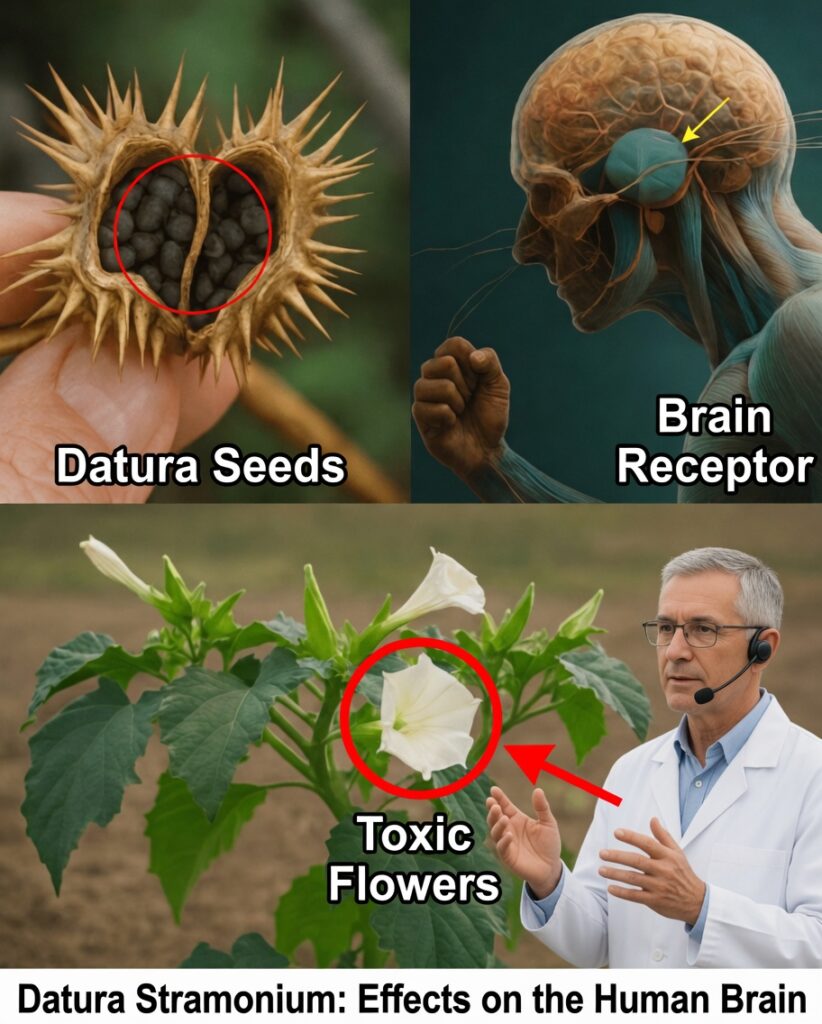
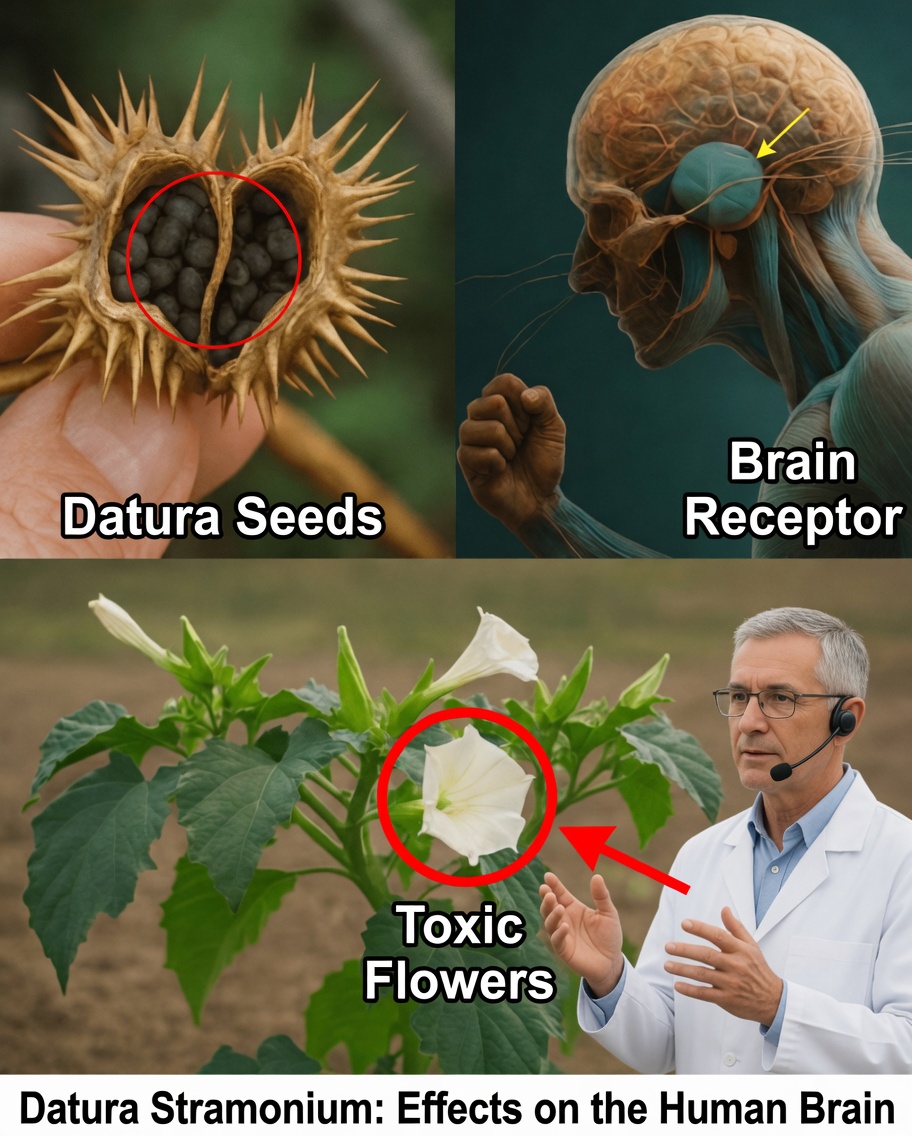
Datura stramonium is a wild member of the nightshade family. It grows in many parts of the world and is often recognized by:
- Large, trumpet-shaped flowers
- Spiky seed pods filled with seeds
Across generations, some cultures experimented with the plant in very small amounts as part of traditional practices. The reason it drew so much attention is also the reason it’s feared: it contains highly potent chemicals that strongly affect the human body.
The Active Compounds: Why Small Amounts Matter
Datura contains tropane alkaloids, especially:
- Atropine
- Scopolamine
- Hyoscyamine
These compounds can influence the nervous system, muscle control, breathing, and heart rate. Because the plant is so potent—and because its chemical levels can vary widely—tiny changes in dose can cause dramatically different outcomes, from mild effects to medical emergencies.
How Datura Was Used in Traditional Folk Medicine
Historically, some herbal traditions used Datura cautiously for specific purposes, usually under the guidance of experienced practitioners.
-
Respiratory support during breathing discomfort
In certain traditions, extremely small, controlled amounts were used with the intent of relaxing airway muscles. -
Short-term pain relief
Some cultures applied highly diluted Datura preparations externally, such as on sore joints or muscles, to reduce discomfort. -
Sedation for restlessness and ritual use
Because its compounds can strongly affect the nervous system, Datura appeared in some older sleep-related or ceremonial preparations. -
Topical use for minor skin concerns
Folk medicine sometimes involved crushed leaves as poultices for minor irritations or small wounds.
It’s important to note: these uses were typically not casual “home remedies.” They were often handled by people who respected the plant’s strength and risks.
Why Datura Is Considered Extremely Dangerous
Despite its long history in traditional medicine, Datura stramonium is among the most toxic plants ever used medicinally. One major danger is inconsistency: the concentration of active alkaloids can differ from plant to plant, making reliable dosing nearly impossible outside controlled, professional settings.
Misuse may trigger severe poisoning symptoms, including:
- Intense hallucinations
- Rapid heartbeat
- Severe confusion or delirium
- Dangerously high body temperature
- Blurred or disturbed vision
- Breathing difficulty
- Coma in extreme cases
Accidental poisonings have been reported worldwide, especially when people ingest the seeds or leaves without understanding how powerful the plant is.
Certain groups face higher risk, including:
- Children
- Older adults
- People with heart conditions
A Safer Way to Think About Natural Healing
Nature can be effective—but “natural” never automatically means “safe.” Many herbs offer gentle support with significantly lower risk when used appropriately, such as:
- Chamomile
- Ginger
- Turmeric
- Peppermint
- Holy basil
In that sense, Datura stramonium is a critical reminder: not every plant belongs in self-treatment, even if it has a long folk history.
If you come across Datura growing outdoors, observe it from a distance. Any medical use should be left to qualified professionals working in controlled conditions—not home experimentation.
Final Thought
Natural medicine can be meaningful and helpful, but true wellness requires judgment and caution, not risky shortcuts. The safest path isn’t chasing “miracle cures”—it’s choosing approaches that are reliable, evidence-informed, and gentle on the body.
Before trying any unfamiliar herb—especially one as potent as Datura—speak with a trained herbal practitioner or healthcare professional. Your health is worth exploring, but it also deserves protection.