Euphorbia hirta for Eye Comfort: Traditional Uses, Research, and Safety
Many people experience eye strain after spending hours in front of computers, phones, or other digital devices. Dryness, irritation, and visual fatigue can gradually make routine activities like reading, working, or driving feel less comfortable. Although eye drops, screen breaks, and proper rest can help, some people also explore traditional plant-based remedies for gentle support.
One herb that often attracts curiosity is Euphorbia hirta, a common wild plant that has been used in folk medicine for generations. Sometimes dismissed as an ordinary weed, it has a long history in herbal traditions, including occasional use in practices related to eye comfort. This article looks at what the plant is, how it has been used traditionally, what modern research says, and why caution is essential.
What Is Euphorbia hirta?
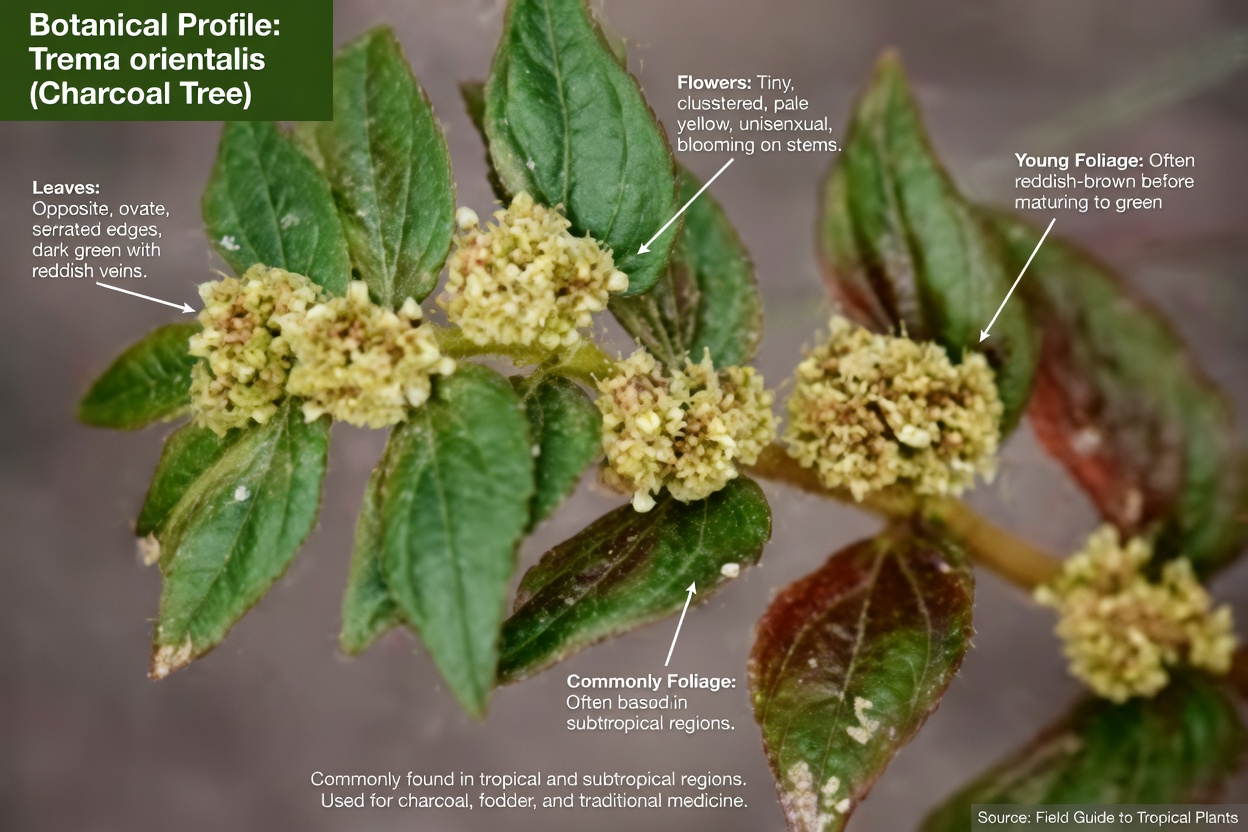
Euphorbia hirta is a small annual herb belonging to the Euphorbiaceae family. It commonly grows in tropical and subtropical regions and is often seen along roadsides, in gardens, and in open fields. The plant usually spreads close to the ground and can be recognized by its hairy stems, small green leaves, and clusters of tiny flowers.
It is also known by names such as:
- Asthma plant
- Asthma weed
- Garden spurge
- Pill-bearing spurge
- Dudhi
A distinctive feature of this herb is its milky latex sap, which is common in many Euphorbia species. That sap can irritate the skin and especially the eyes if handled improperly. Even so, traditional healers in some regions have carefully processed the plant for a range of uses. Because it grows widely and is easy to find, it has become part of local folk practices in many cultures.
Its reputation, however, extends beyond respiratory traditions. In some communities, it has also been mentioned in herbal approaches connected to soothing eye discomfort.
Traditional Uses of Euphorbia hirta for Eye Comfort
Across parts of Asia, Africa, and Latin America, folk medicine systems have recorded the use of Euphorbia hirta for minor eye-related discomfort. Traditional preparations were sometimes applied externally in very small amounts, often with careful dilution. Historical descriptions mention its use around the lower eyelids to help ease soreness, mild irritation, or general eye discomfort.
In some ethnobotanical records, the plant appears in practices intended to calm:
- Minor conjunctival irritation
- Discomfort linked to environmental exposure
- Mild inflammatory conditions in traditional contexts
- General eye fatigue or soreness
These applications were usually based on longstanding observation rather than formal scientific testing. For generations, herbal knowledge was passed from one practitioner or community member to another, shaping how the plant was used in daily wellness routines.
While these uses are not considered standard medical treatment today, they do reveal how traditional medicine has long searched for natural ways to support eye comfort.
What Modern Research Suggests
Current scientific interest in Euphorbia hirta is focused more on its general chemical composition than on eye health specifically. Researchers have identified compounds such as flavonoids, tannins, and other polyphenols, which are often studied for their antioxidant and anti-inflammatory properties.
Some early studies suggest that the plant may have a supportive role in protecting tissues from oxidative stress. Since oxidative stress is one factor involved in overall eye health, this has led to curiosity about whether the herb could offer indirect benefits.
One animal study looked at an ethanolic extract of Euphorbia hirta in a model involving lens opacity and found potentially helpful effects on eye structures. In addition, laboratory investigations have highlighted the plant’s antioxidant activity, which may be relevant to cellular protection.
Still, there is an important limitation: strong human clinical evidence is lacking. There are very few well-designed studies that directly test Euphorbia hirta for vision support or eye health in people. Most information comes from traditional reports, preliminary laboratory research, or animal-based experiments.
Sources such as WebMD also note that although the herb has a history of traditional use, many health claims linked to it are not yet backed by solid scientific proof.
Because of this, Euphorbia hirta should not be viewed as a proven eye remedy. At best, it may be considered part of a broader wellness discussion, not a replacement for professional eye care.
Potentially Active Compounds in Euphorbia hirta
Researchers are interested in Euphorbia hirta because it contains several naturally occurring plant compounds that may contribute to its traditional reputation.
Key compounds include:
-
Flavonoids
- Known for antioxidant effects
- May help reduce damage caused by free radicals in body tissues, including the eyes
-
Tannins
- Often associated with mild astringent and anti-inflammatory actions in herbal traditions
-
Polyphenols
- Studied for their role in supporting cells under oxidative stress
-
Other phytochemicals
- Add to the plant’s overall herbal profile and may explain some of its traditional applications
These compounds are found in many plants valued in natural wellness. However, their exact role in eye comfort or visual support from Euphorbia hirta remains uncertain and needs more research.
Traditional Ways People Have Prepared It — With Strong Caution
For those interested in herbal history, traditional methods of using Euphorbia hirta often emphasized careful preparation. Safety was important, especially because the plant’s latex sap can be irritating.
Historically, people have approached it in the following ways:
-
Correct plant identification
- The herb must be accurately identified by its hairy stems, small leaves, and milky sap.
- Mistaking it for another species can be risky.
-
Using the aerial parts
- Traditional preparations often relied on the leaves or the whole above-ground portion of the plant.
-
Drying before use
- In some practices, the herb was dried first before being prepared.
-
Making a light infusion
- A small amount of dried herb was boiled in water, then carefully strained and cooled.
- Some traditions used this externally as a rinse or surrounding application.
-
Avoiding direct contact with fresh sap
- The latex is the part most likely to irritate.
- Traditional methods generally involved caution and heavy dilution.
-
Using very small amounts
- Moderation was often stressed in folk use.

Important Safety Warning
Never place Euphorbia hirta sap, extract, or homemade preparations directly into the eyes unless specifically guided by a qualified medical professional.
Improper use can cause:
- Eye irritation
- Redness
- Burning
- Allergic reactions
- More serious complications
If you have ongoing eye pain, vision changes, discharge, swelling, or persistent dryness, seek evaluation from an eye care professional instead of self-treating.
Natural Habits That Truly Help Eye Comfort
If your goal is better daily eye comfort, evidence-based habits are still the most reliable place to start. Whether or not you are interested in herbs, these practices can make a real difference:
-
Use the 20-20-20 rule
- Every 20 minutes, look at something 20 feet away for 20 seconds.
-
Stay hydrated
- Good hydration can support tear balance and overall comfort.
-
Eat nutrient-rich foods
- Include leafy greens, berries, carrots, and other antioxidant-rich foods.
-
Improve lighting
- Reduce glare and make sure your workspace is properly lit.
-
Use screen filters or adjust brightness
- This can help reduce digital eye strain.
-
Schedule regular eye exams
- Routine check-ups can detect problems early.
These simple habits are often more effective than many people realize.
Final Thoughts
Euphorbia hirta is a fascinating herb with a long place in traditional medicine. In some cultures, it has been mentioned as part of external practices intended to relieve minor eye discomfort. Its antioxidant-rich profile makes it scientifically interesting, but the evidence for direct eye benefits in humans is still limited.
Traditional knowledge can offer valuable insight, yet eye health is too important to approach casually. The safest path is to combine respect for herbal history with modern medical guidance and proven eye-care habits.
Frequently Asked Questions
Is Euphorbia hirta safe for everyone to use for eye comfort?
No. It is not automatically safe for all people. The plant’s milky sap can irritate both skin and eyes, and incorrect use may cause harm. Anyone considering it should first speak with a doctor or an experienced herbal professional, especially if they have sensitive eyes or existing eye conditions.
Can Euphorbia hirta replace professional eye treatment?
No. It should never be used as a substitute for medical care, prescription treatment, corrective lenses, or advice from an eye specialist. Traditional herbs may play a supportive role in wellness discussions, but they are not replacements for diagnosis or treatment.
Where can I find trustworthy information about Euphorbia hirta?
Look for information from reliable sources such as:
- PubMed
- Ethnobotanical and herbal research reviews
- Trusted medical reference sites like WebMD
Be cautious with social media posts or unsupported claims that promise dramatic results without evidence.