Olive Leaf Extract: What Science Says About This Traditional Wellness Support
As more people focus on long-term well-being, interest in natural health supports continues to grow. Daily habits, environmental exposure, aging, and unbalanced nutrition can all contribute to oxidative stress and persistent low-level inflammation, both of which may affect health over time. Because of this, many people are looking for plant-based compounds that may help the body maintain balance and resilience.
One option attracting increasing attention is olive leaf extract, a traditional remedy with roots in Mediterranean wellness practices. Modern research is now examining how its plant compounds interact with the body at the cellular level and whether they may offer meaningful support for overall health. This article explains what olive leaf extract is, why it matters, what current science suggests, and how to use it responsibly.
What Is Olive Leaf Extract?
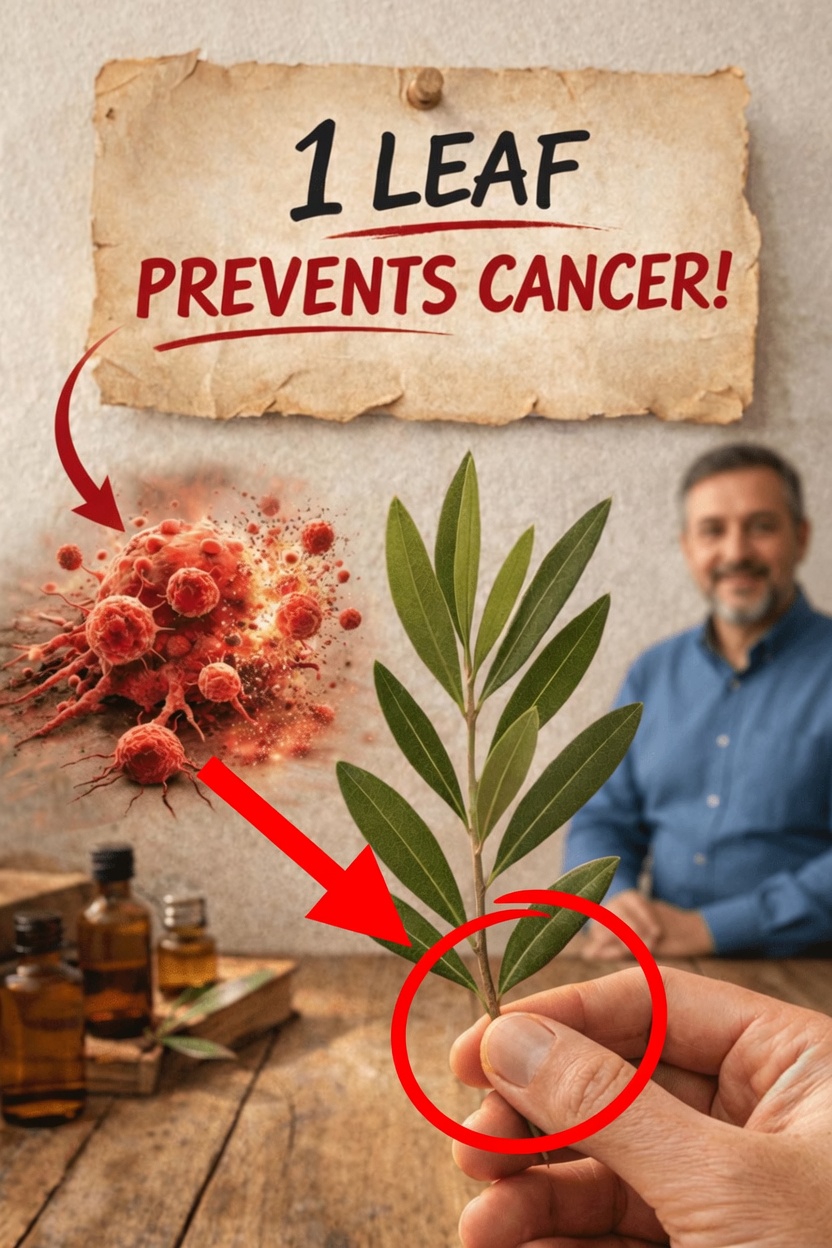
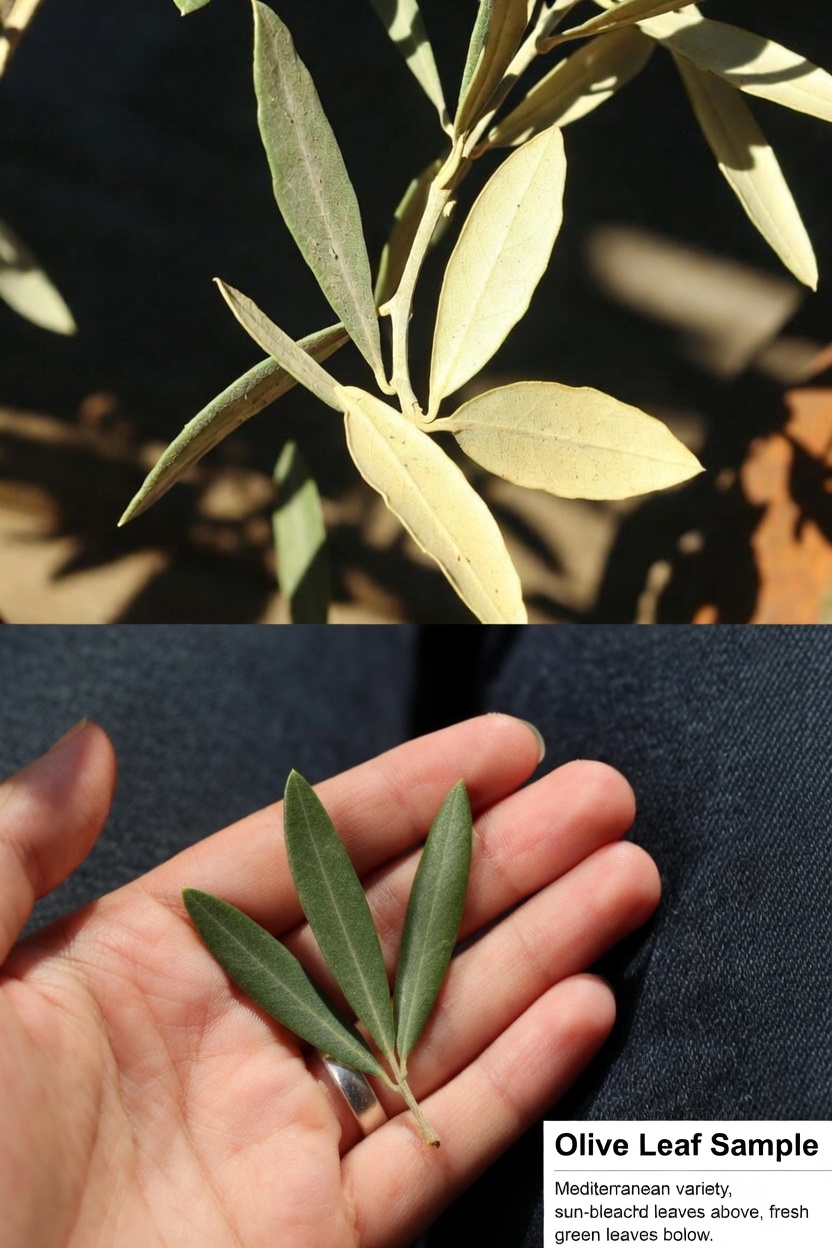
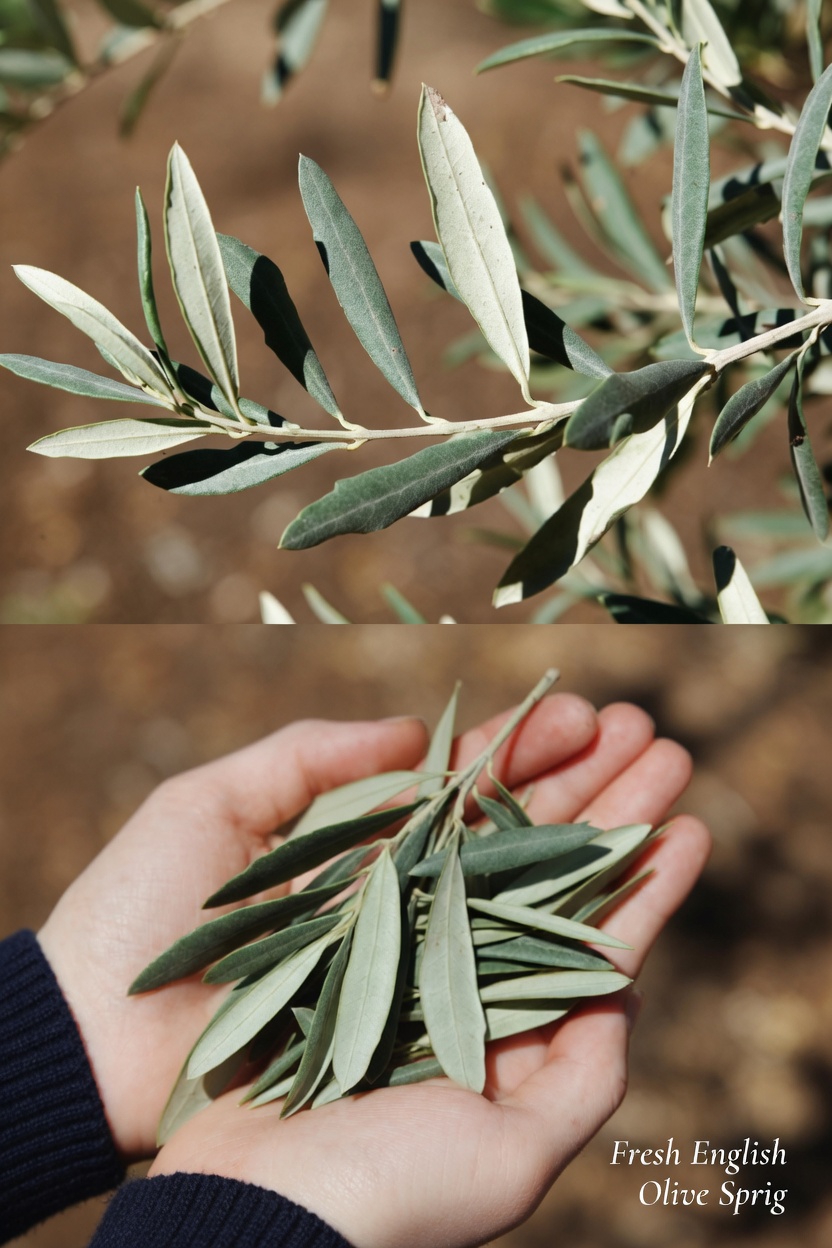
Olive leaf extract is derived from the leaves of the olive tree (Olea europaea), a plant closely associated with the Mediterranean diet. That eating pattern has long been linked with longevity and a lower risk of several chronic health concerns.
While olive oil and olives themselves are widely known for their health value, the leaves are especially rich in bioactive polyphenols. Among these, oleuropein is the most studied and is largely responsible for olive leaf extract’s growing reputation.
One major reason for the interest is its antioxidant activity. Antioxidants help counter free radicals, unstable molecules that can damage cells and contribute to oxidative stress. By helping reduce this burden, olive leaf compounds may support the body’s natural defense systems.
Early research also suggests that olive leaf may have anti-inflammatory effects. Since chronic low-grade inflammation is connected with many age-related health issues, this has made olive leaf extract an appealing area of study for general wellness support.
How Olive Leaf Compounds May Support the Body
Scientists have explored how olive leaf’s key compounds, especially oleuropein and hydroxytyrosol, affect cells in laboratory settings. In cell-based research, these polyphenols appear to influence pathways involved in cellular protection, oxidative balance, and normal cell regulation.
Some in vitro reviews suggest that olive leaf polyphenols may:
- Help shield DNA from damage caused by free radicals
- Reduce markers linked with oxidative stress
- Influence inflammatory signaling in beneficial ways
- Support healthy cellular function
Animal studies have examined similar mechanisms. In certain experimental models, researchers observed reductions in tumor-related markers or less metastatic activity under specific conditions. However, these findings are still preliminary and do not prove the same effects in humans.
What Human Research Currently Shows
Although the laboratory data is encouraging, human evidence remains limited. The Mediterranean diet as a whole is associated with positive health outcomes, and olive-derived compounds may play a role in that pattern. Still, direct clinical research on olive leaf extract for disease prevention or treatment is still developing.
Institutions such as Memorial Sloan Kettering Cancer Center have noted that while laboratory findings are promising, there is not yet strong proof that olive leaf extract can prevent or treat serious illness in people.
That distinction is important. Based on current evidence, olive leaf extract is best viewed as a supportive wellness supplement, not a replacement for medical treatment or a stand-alone solution.
Key Active Compounds in Olive Leaf Extract
Olive leaves contain several beneficial compounds that likely work together rather than in isolation. The most notable include:
-
Oleuropein
The primary polyphenol in olive leaf extract. It is widely recognized for its antioxidant potential and has been studied for its possible role in supporting cellular health. -
Hydroxytyrosol
A metabolite of oleuropein that shows very strong antioxidant activity in some research models. -
Other phenolic compounds
These include rutin, apigenin, and luteolin, which may contribute to the extract’s broader anti-inflammatory and protective effects. -
Minerals and vitamins
Olive leaves also contain small amounts of nutrients such as calcium, potassium, and vitamin E, adding modest nutritional value.
Because these compounds may act synergistically, researchers are often interested in whole-leaf extracts rather than just isolated ingredients.
Potential Health Benefits Suggested by Early Studies
Although more research is needed, olive leaf extract has shown promise in several wellness-related areas.
1. Cardiovascular Support
Some human studies suggest olive leaf extract may offer modest support for:
- Healthy blood pressure
- Balanced cholesterol and lipid levels
- General cardiovascular function
These findings are not definitive, but they do point to possible heart health benefits when used alongside a healthy lifestyle.
2. Immune and Microbial Defense
In laboratory testing, olive leaf compounds have shown antimicrobial properties, suggesting they may help the body defend against certain pathogens. While this does not confirm the same effect in everyday use, it supports olive leaf’s traditional use as a wellness aid.
3. Metabolic Health
Animal research has indicated possible benefits related to:
- Glucose regulation
- Insulin response
- Weight management markers
These results are still early, but they suggest olive leaf extract may have potential as part of a broader metabolic health strategy.
4. Inflammation Balance
Because olive leaf compounds may help reduce pro-inflammatory signals, they could support overall comfort and resilience in daily life. This may be especially relevant for people focused on healthy aging and long-term wellness.
It is important to remember that these benefits are supportive, not curative. Olive leaf extract works best when considered part of a full health routine that includes nutrition, movement, sleep, and medical guidance when needed.
How to Use Olive Leaf Extract Safely
If you are thinking about adding olive leaf extract to your routine, it is best to begin carefully and speak with a healthcare professional first. This is especially important if you take medication for blood pressure, blood sugar, or any chronic condition, since interactions may occur.
Here are some practical ways to approach it safely:
Choose a High-Quality Product
Look for supplements that:
- Use standardized olive leaf extract
- Contain at least 20% oleuropein
- Come from reputable manufacturers
- Include third-party testing for quality and purity
Start With a Modest Dose
Common studied amounts often fall between 500 mg and 1000 mg per day, sometimes split into two servings. It is wise to start at the lower end first to see how your body responds.
Consider Different Forms
Olive leaf extract is available in several formats:
- Capsules or tablets for convenience
- Tea made from dried olive leaves
- Liquid tinctures for adjustable dosing
To make tea, steep 1 to 2 teaspoons of dried leaves in hot water for 5 to 10 minutes.
Pair It With Healthy Lifestyle Habits
For the best overall effect, combine olive leaf extract with habits such as:
- A balanced diet rich in fruits and vegetables
- Healthy fats and minimally processed foods
- Regular physical activity
- Good stress management
- Consistent sleep
Pay Attention to Your Response
Monitor how you feel after starting. If you notice discomfort, lower the amount or stop use and seek professional advice.
Side Effects and Safety Considerations
At appropriate doses, olive leaf extract appears to be generally well tolerated. When side effects do happen, they are usually mild and may include:
- Headache
- Digestive upset
- Mild muscle discomfort
These symptoms may improve by lowering the dose or taking the extract with food.
There are also some important precautions:
- Pregnancy and breastfeeding: Safety has not been well established, so use is not recommended without medical advice.
- Low blood pressure: Olive leaf extract may enhance blood pressure-lowering effects.
- Medication interactions: Extra caution is needed for people taking drugs related to blood pressure, blood sugar, or ongoing medical conditions.
Before beginning any new supplement, discussing it with a doctor or qualified healthcare provider is the safest approach.
Final Thoughts: A Traditional Plant With Modern Interest
Olive leaf extract is a compelling natural option that combines traditional use with growing scientific curiosity. Its rich polyphenol content, especially oleuropein and hydroxytyrosol, gives it notable antioxidant and anti-inflammatory potential that may help support everyday wellness.
At the same time, it is important to stay realistic. Much of the excitement comes from laboratory and animal research, while strong human evidence is still catching up. For now, olive leaf extract is best seen as a helpful addition to a healthy routine, not a miracle cure.
Used thoughtfully, it may be a simple and practical way to complement your wellness habits. Whether that means trying olive leaf tea or speaking with your healthcare provider about a supplement, small informed steps can make a meaningful difference.
FAQ
What is the main active ingredient in olive leaf extract?
The most important active compound is oleuropein, a polyphenol known for its antioxidant activity in multiple studies.
Is olive leaf extract the same as olive oil?
No. Olive leaf extract comes from the leaves of the olive tree, while olive oil is made from the fruit. The leaves usually contain much higher levels of oleuropein and certain other polyphenols.
Can olive leaf extract be taken daily?
Many people use it daily as part of a supplement routine. However, it is best to start with a low dose, watch for any effects, and get personalized guidance from a healthcare professional.