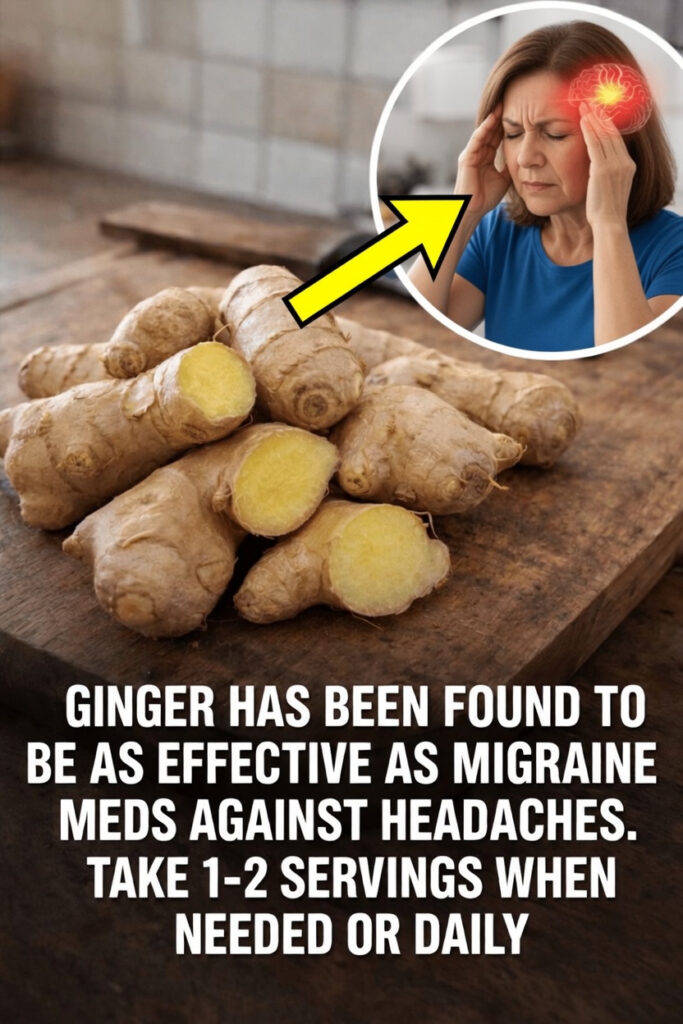
Ginger for Headache Relief: Can This Everyday Spice Actually Help?
Headaches often arrive suddenly, turning an ordinary day into one marked by pulsing pain, light and noise sensitivity, and deep exhaustion. For people who experience recurring headaches or migraines, finding gentle and easy-to-access relief can feel incredibly important. Interestingly, some common kitchen ingredients may offer support, and one of the most discussed is ginger. So, can this familiar root really help when a headache starts? Let’s look at what current research says and how people commonly use it.
Why Ginger Gets Attention for Headaches
Ginger, known scientifically as Zingiber officinale, has been used for generations in traditional wellness practices. It is especially well known for helping with digestion and easing occasional discomfort. Much of the interest in ginger comes from its natural compounds, including gingerols and shogaols, which are associated with anti-inflammatory and antioxidant effects.
When it comes to headaches, especially migraines, researchers have explored whether ginger may reduce symptom severity during an attack. A number of randomized controlled studies have examined this question, often comparing ginger with a placebo or with standard treatment options.
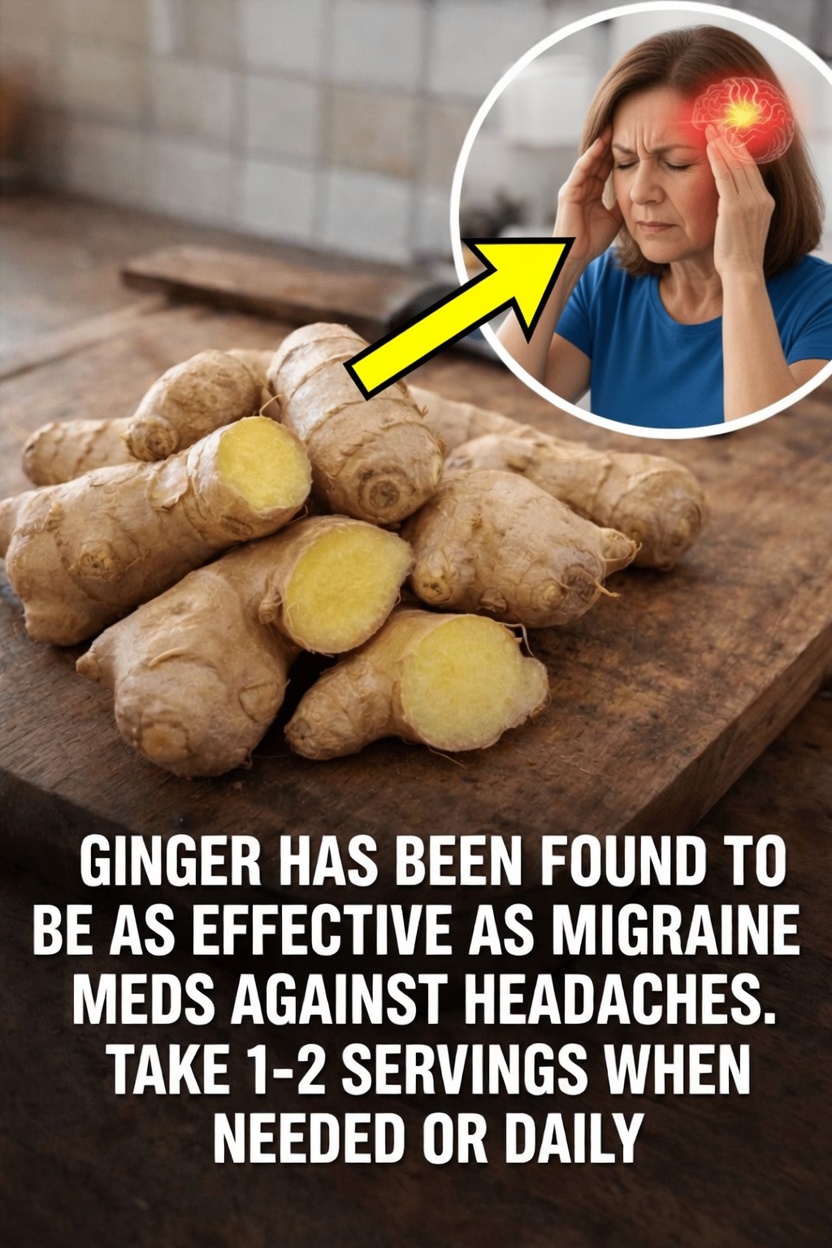
One frequently cited study from 2014 looked at people experiencing acute migraine episodes. Some participants received ginger powder, while others were given a commonly used migraine medication. After two hours, both groups showed a similar level of improvement in headache intensity for many participants.
Reviews and meta-analyses that combine findings from multiple trials have reported similar patterns. In some cases, ginger was linked with better pain relief at the two-hour mark and fewer complaints of nausea.
Still, the evidence is not completely conclusive. Many of these studies involved small or medium-sized groups, and outcomes may differ based on the person, the ginger preparation used, and how early it is taken during a headache episode.
Main Research Highlights on Ginger and Headache Relief
Here are some of the most important takeaways from the current evidence:
- In studies comparing ginger with medications such as sumatriptan, around 250 mg of ginger powder produced a similar reduction in headache severity for many individuals.
- In certain emergency care settings, ginger extract used alongside standard treatment improved pain scores and daily functioning more quickly.
- Ginger is often viewed as a relatively gentle option for occasional use, with fewer reports of some side effects than certain headache medications.
It is important to remember that not every study found strong or dramatic results. Ginger should not be seen as a substitute for medical care, professional advice, or prescribed treatment. Effectiveness can depend on factors such as:
- Dose
- Timing
- Type of ginger product
- Individual body response
How Ginger May Support Headache Relief
Researchers believe ginger may help in several ways. One possible reason is its influence on inflammatory pathways, which are often involved in headache and migraine processes. Scientists also suspect it may affect serotonin receptors, similar to mechanisms targeted by some headache medications.
Another potential advantage is its ability to ease nausea, which commonly occurs with migraines or severe headaches. Because of this, ginger may offer a two-part benefit: support for head pain and relief from accompanying stomach discomfort.

This combination is one reason ginger is often considered an appealing natural addition to a headache management routine.
Simple Ways to Use Ginger When a Headache Starts
If you want to try ginger safely, there are several practical options that match the forms commonly used in research and everyday life.
1. Ginger Tea for Fast, Gentle Support
Fresh ginger tea is one of the easiest ways to use this root.
How to make it:
- Slice 1 to 2 inches of fresh ginger root
- Add it to hot water
- Let it steep for 5 to 10 minutes
- Add honey or lemon if desired
- Sip slowly when discomfort first begins
This warm drink may feel especially soothing if your headache is paired with nausea or digestive upset.
2. Ginger Powder Capsules
Several studies used 250 to 500 mg of dried ginger powder. If you prefer a more measured option, capsules may be convenient.
Tips for use:
- Choose a reputable supplement brand
- Check for standardized labeling
- Start with the lowest effective amount
- Follow the directions on the package
3. Add Ginger to Food
Using ginger regularly in meals may support general wellness and make it easy to keep this ingredient in your routine.
Try adding fresh grated ginger to:
- Smoothies
- Soups
- Stir-fries
- Rice dishes
- Homemade juices
4. Take It Early
Timing may matter. Some studies suggest ginger may work better when used at the start of a headache or migraine episode, rather than later when symptoms are already intense.
Helpful Tip
For extra comfort, combine ginger with other simple supportive habits:
- Rest in a quiet, dark room
- Drink enough water
- Reduce exposure to bright screens and loud sounds
Other Possible Health Benefits of Ginger
Beyond headaches, ginger is often valued for a wider range of wellness benefits. Regular use may help support:
- Digestion
- Relief from mild nausea
- Reduced muscle soreness
- Antioxidant intake
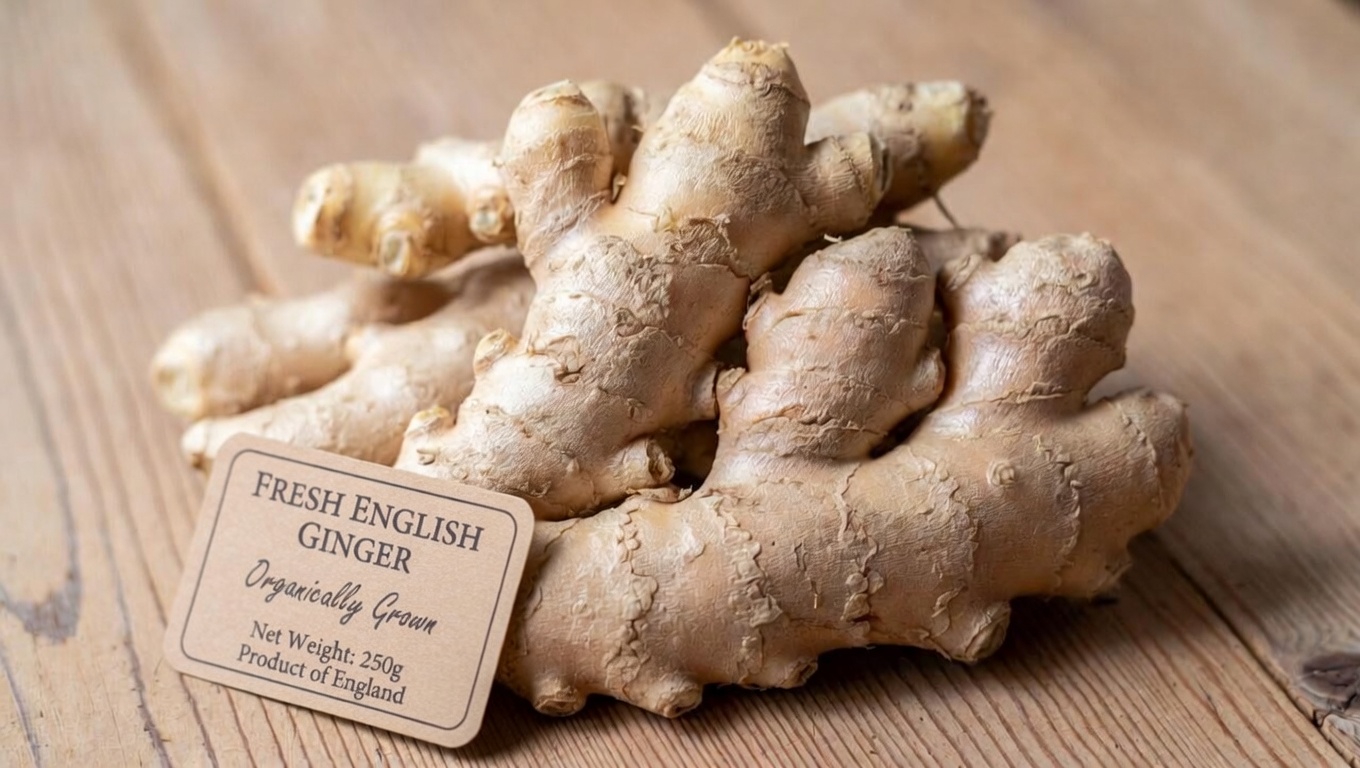
Including ginger in your diet may contribute to overall well-being, even outside of headache episodes.
Important Things to Know Before Using Ginger
Before making ginger part of your headache routine, keep these points in mind:
Dosage and Form
Most studies focused on amounts in the range of 250 to 1000 mg of ginger powder, or a fresh equivalent. Staying close to researched amounts is the safest approach.
Medication Interactions
Ginger may interact with certain drugs, especially:
- Blood thinners
- Some prescription medications
If you take regular medication, speak with a healthcare professional before using ginger supplements.
Quality Matters
For the best experience, choose:
- Fresh ginger when possible
- Organic options if available
- Supplements from trusted manufacturers
It Is Not Suitable for Everyone
Some people should be especially cautious, including:
- Pregnant individuals
- People with gallstones
- Anyone with a known sensitivity to ginger
A doctor or pharmacist can help determine whether it is appropriate for your situation.
Final Thoughts: Is Ginger Worth Trying for Headaches?
Although larger and more detailed studies are still needed, current research suggests that ginger may be a promising and accessible option for some people dealing with headache or migraine discomfort. Its affordability, widespread availability, and generally mild nature make it an easy remedy to explore with proper guidance.
If headaches frequently interfere with your daily life, professional medical advice remains essential. A doctor can help identify triggers, rule out underlying causes, and create a treatment plan that fits your needs. In the meantime, keeping ginger nearby may offer a simple layer of support when symptoms begin.
FAQ
How much ginger is commonly used for headache support?
Research often used 250 to 500 mg of ginger powder or a comparable amount of fresh ginger root. It is best to start with a lower amount and see how your body reacts, ideally with guidance from a healthcare provider.
Can ginger be used every day?
Yes, many people enjoy ginger daily in tea, meals, or other recipes as part of a general wellness routine. Just pay attention to how your body responds.
Can ginger help with nausea during headaches?
Yes. Several studies found that ginger may reduce nausea and vomiting, which makes it especially appealing for people with migraine-like symptoms.