Herbs That May Support Healthy Leg Circulation
Many people deal with leg discomfort related to poor circulation. Common complaints include heaviness, swelling, aching, or noticeable veins, particularly after sitting or standing for long stretches. These symptoms may be linked to inactivity, getting older, or underlying vein and vascular issues. Over time, reduced circulation can also increase concern about blood clots forming in the legs.
That concern is understandable. Clots in the lower limbs can become serious if they are ignored, which is why healthy habits and proper medical guidance matter. The good news is that researchers have studied several everyday herbs for their potential role in supporting blood flow and normal platelet activity as part of a broader vascular wellness plan.
In this article, we’ll review science-backed herbs that may help promote circulation, explain simple ways to use them, and cover important safety points so you can make informed decisions.
Why Leg Circulation Matters and How Blood Clots Can Develop
Blood clots in the legs are often associated with conditions involving deep veins and slowed blood movement. When circulation becomes sluggish or blood begins to pool, clot formation may become more likely. This can happen after long periods of immobility, poor hydration, or other health-related risk factors.
Good circulation is essential because it helps keep blood moving efficiently, supports oxygen transport, and helps maintain balanced platelet function so unnecessary clotting is less likely.
Medical treatment is still the priority for any diagnosed vascular condition. However, some studies suggest that certain plant-based compounds may provide supportive effects by influencing platelet aggregation, inflammation, or blood vessel relaxation. These herbs should not replace professional care, but they may complement a healthy lifestyle.
Best-Studied Herbs for Supporting Blood Flow
A number of herbs have gained attention in research for their possible benefits for circulation and vascular health. Their effects are generally mild and may relate to inflammation control, vessel support, or normal clotting balance.
Here are some of the leading options:
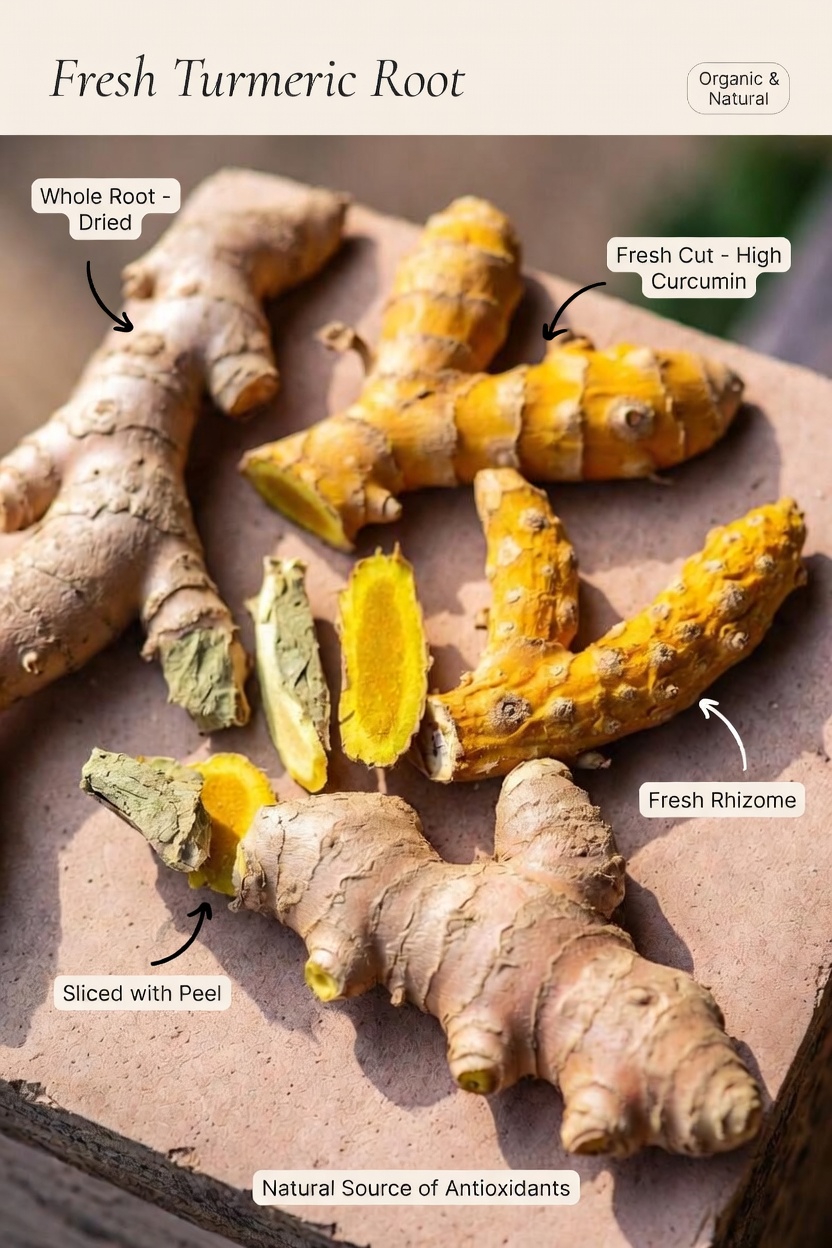
- Turmeric (Curcuma longa): Turmeric contains curcumin, a compound widely studied for its anti-inflammatory effects. Research reviews suggest it may also help support healthy platelet behavior and normal blood flow when used regularly in meals or supplements.
- Ginger (Zingiber officinale): Ginger is well known for its warming and soothing properties. Its active compounds, including gingerols, have been linked in some studies to reduced platelet stickiness, which may encourage smoother circulation.
- Garlic (Allium sativum): Garlic contains sulfur-based compounds such as allicin. Research indicates these substances may modestly support circulation and influence platelet activity in a beneficial way.
- Ginkgo biloba: Extracts from ginkgo have been studied for their effects on peripheral circulation. Some evidence suggests they may help blood vessels relax and improve blood flow in certain situations.
- Cayenne pepper (Capsicum annuum): Cayenne contains natural salicylates, which are similar to compounds found in aspirin. Reviews have noted that it may offer mild blood-thinning support when used moderately.
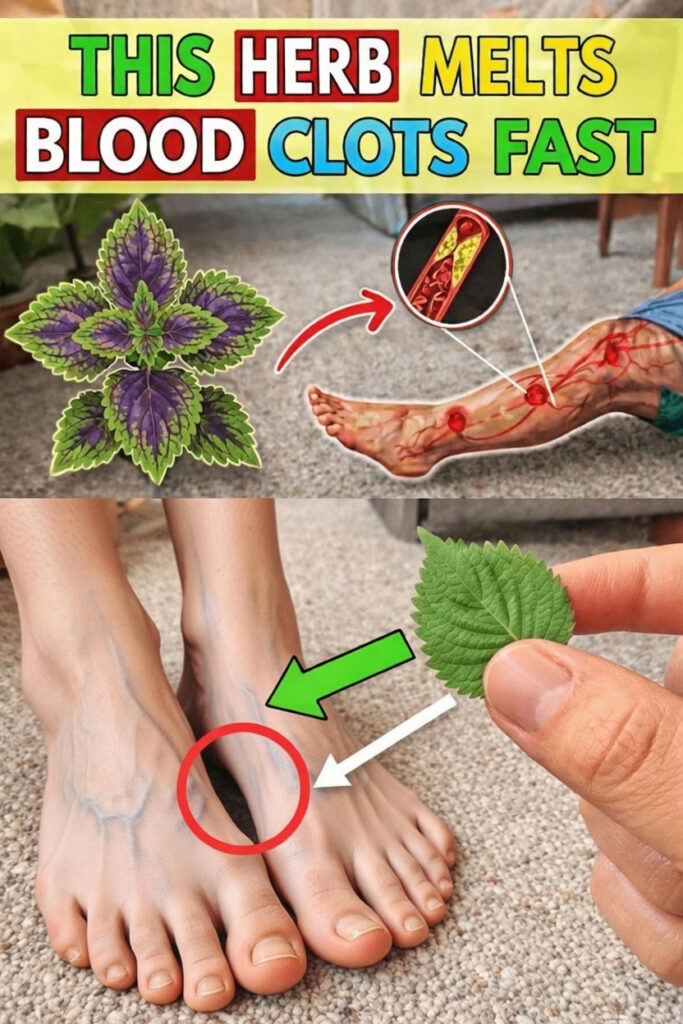
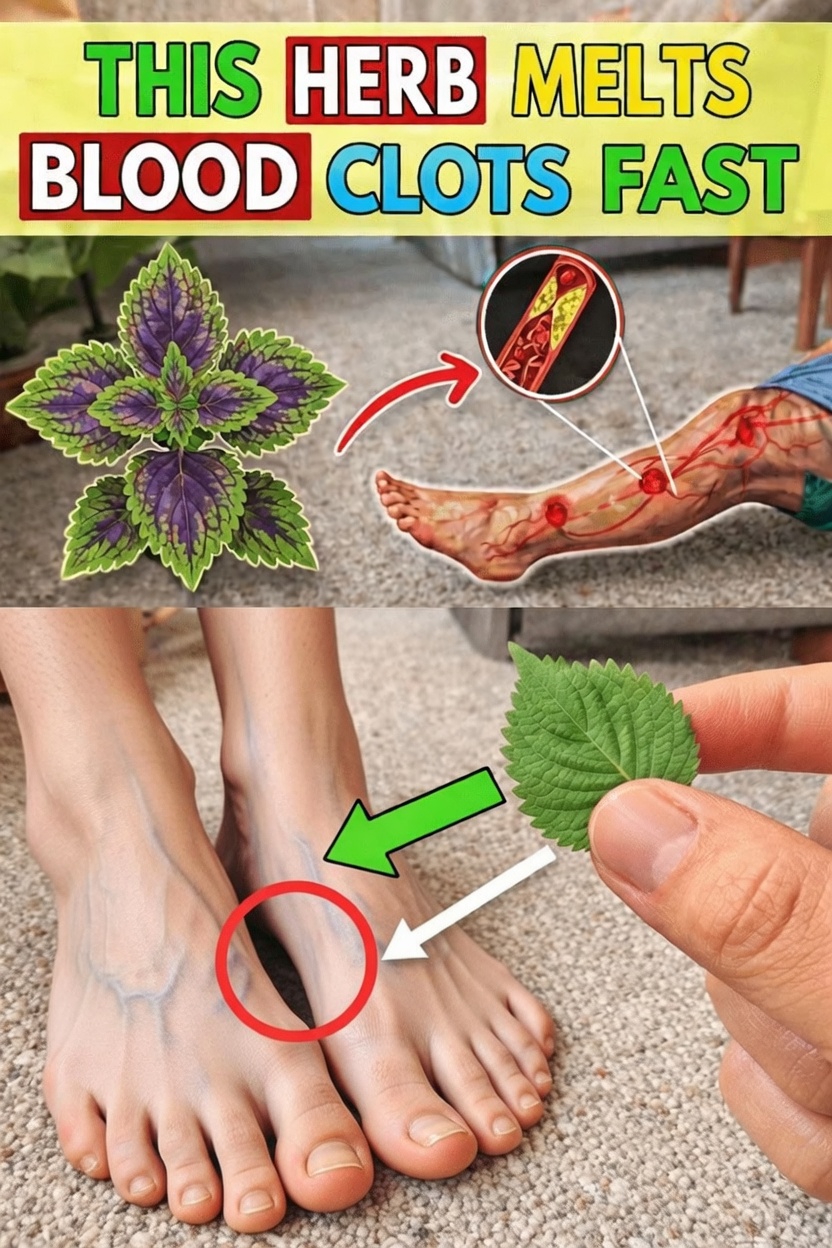
- Perilla leaf (Perilla frutescens): Also called shiso or Vietnamese tía tô, perilla has been explored in studies for its potential to reduce platelet aggregation and delay thrombus formation in animal research, suggesting a possible role in supporting healthy circulation.
These herbs mainly work through natural compounds that may gently affect platelet interaction or vascular response. Results can vary from person to person, and benefits usually depend on consistent use over time.
How These Herbs May Work
Scientific studies often point to a few common mechanisms behind the circulation-supporting effects of herbs:
- Lowering inflammatory activity that may contribute to blood vessel stress
- Providing antioxidant support to help protect vascular tissues
- Gently influencing enzymes and pathways involved in normal clotting balance
For example, research on perilla oil has shown that it may interfere with certain processes involved in thrombus development. Curcumin from turmeric has also demonstrated anticoagulant-like effects in laboratory settings. Even so, these findings are supportive rather than definitive. Much of the evidence comes from preclinical research and limited human studies, so herbs should be seen as part of a wellness strategy rather than a guaranteed solution.
Quick Comparison of Popular Circulation Herbs
Here is a simple overview of how a few common herbs are often used:
- Turmeric: Strong anti-inflammatory potential; often best consumed with black pepper to improve absorption
- Ginger: Easy to use in tea and meals; also supports digestion
- Garlic: A classic cardiovascular herb; can be used raw or cooked
- Ginkgo biloba: Often chosen for targeted peripheral circulation support; usually taken as a standardized extract
Including a variety of these herbs in your routine may be a practical way to support overall vascular health.
Easy Ways to Use These Herbs Every Day
If you want to try circulation-supporting herbs, begin with small amounts and monitor how you feel. Simple, steady use is usually better than taking large amounts all at once.
1. Make ginger and turmeric tea
Slice fresh ginger and add a small pinch of turmeric powder to hot water. Let it steep for 5 to 10 minutes, then strain and drink. You can add a little honey if you prefer a milder flavor. One or two cups a day is a simple place to start.
2. Add garlic and cayenne to meals
Mix crushed garlic into salads, soups, or stir-fries. Sprinkle a small amount of cayenne over vegetables, eggs, or roasted dishes for extra flavor. Start lightly to avoid stomach irritation.
3. Use perilla in everyday cooking
Fresh perilla leaves work well in wraps, soups, noodle dishes, and salads. Their flavor is often described as a blend of mint and basil, making them a unique and aromatic addition.
4. Consider ginkgo as a supplement
If you are interested in ginkgo extract, choose a reputable brand that provides standardized dosing. Taking it with food may improve tolerance. Keep track of any changes you notice over time.
5. Combine herbs with healthy circulation habits
Herbs work best when paired with supportive daily practices such as:
- Drinking enough water
- Walking regularly
- Avoiding long periods of sitting
- Elevating the legs when needed
- Following a balanced diet
Consistency matters more than taking high amounts. Subtle improvements may become more noticeable after several weeks.
Important Safety Considerations
Even though these herbs show promise, they are not right for everyone. Some may interact with medications, especially blood thinners, and may increase bleeding risk. Others can cause side effects such as digestive discomfort.
Keep these points in mind:
- Talk to your doctor before using new herbs, especially if you take prescription medication or have an existing health condition
- Do not take large doses without guidance
- Use extra caution during pregnancy or breastfeeding
- Seek medical evaluation for ongoing leg pain, swelling, or sudden symptoms
This article is intended for educational purposes only and should not be taken as medical advice.
Conclusion
Using herbs such as turmeric, ginger, garlic, ginkgo, cayenne, and perilla may be a helpful part of a natural approach to better circulation and improved leg comfort. When combined with movement, hydration, and good nutrition, these small additions may support vascular wellness over time.
The most effective approach starts with awareness. By staying informed and making steady lifestyle improvements, you can take meaningful steps toward healthier circulation habits.
FAQ
What are the common signs of poor circulation in the legs?
Typical symptoms include heaviness, swelling, cramping, aching, or visible veins. If these problems continue or worsen, it is important to speak with a healthcare professional.
Can herbs replace prescribed blood thinners?
No. Herbs may provide supportive benefits, but they should never be used as a substitute for medications prescribed by a doctor. Always discuss any changes with a healthcare provider.
How long does it take to notice results?
The timeline varies by person. Some people report mild improvements in comfort after about 4 to 8 weeks of regular use, especially when herbs are combined with hydration, movement, and other healthy habits.