One Everyday Fruit That Quietly Supports Stronger Bones After 50
Many people in their 50s and beyond begin noticing small but persistent changes: waking up with stiff joints, feeling a bit less flexible, or worrying about staying mobile and independent as the years pass. Often, these shifts are linked to the natural decline in bone density that occurs with age—especially when daily movement decreases and diets fall short in key minerals.
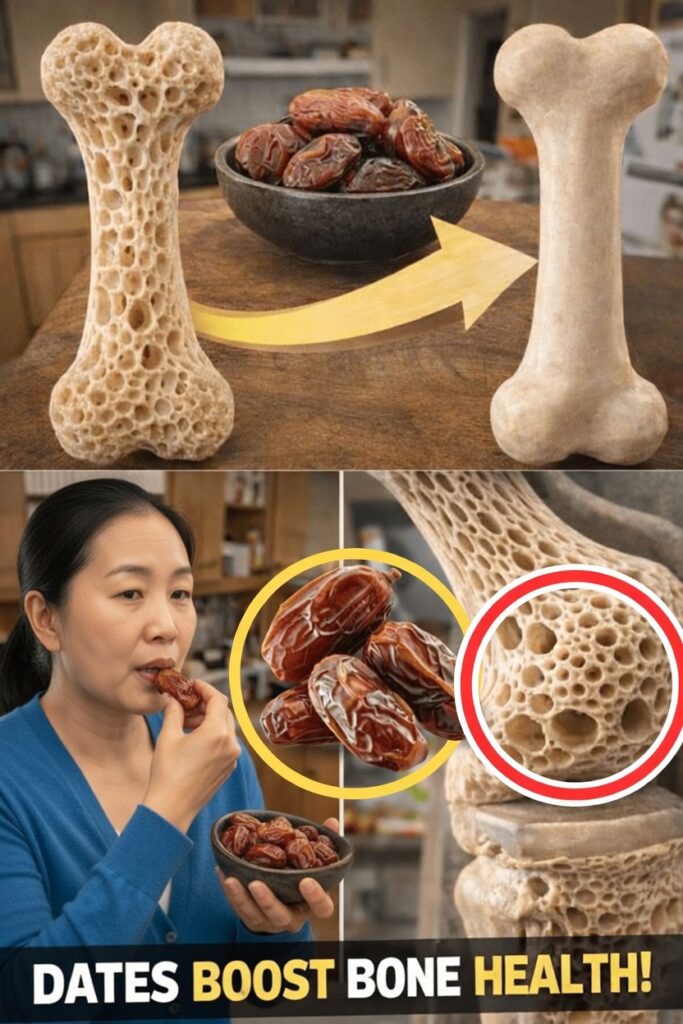
The encouraging news: adding a few simple, enjoyable foods to your routine can help support long-term bone strength. Among them, one naturally sweet, common fruit stands out for its mineral content: dates. Their nutrient profile closely matches what bones rely on most.
How Bone Health Changes With Age
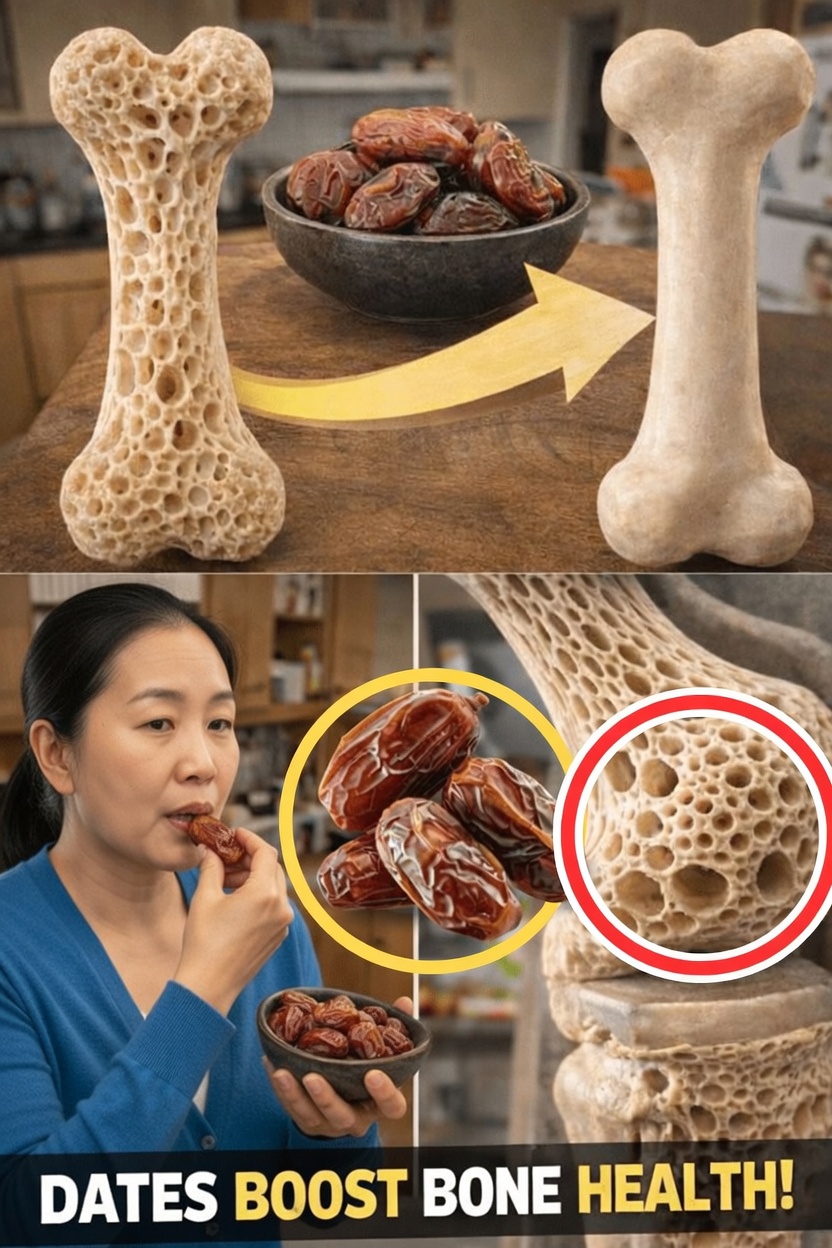
Bone density reaches its peak in early adulthood and then slowly declines. After about age 50, this decline can accelerate due to:
- Hormonal shifts (especially in women after menopause)
- Reduced physical activity or weight-bearing exercise
- Inadequate intake of bone-related nutrients
As bones become more porous and fragile, the risk of fractures increases. This doesn’t just affect physical health—it can influence confidence, independence, and quality of everyday life.
One of the most manageable ways to support bone health at any age is through nutrition. Research consistently highlights the importance of minerals such as:
- Calcium
- Magnesium
- Potassium
- Phosphorus
These nutrients contribute to bone structure, mineral balance, and overall skeletal integrity. No single food can replace a varied, balanced diet and active lifestyle, but regularly including mineral-rich options can make a meaningful difference over time.
Dates: A Naturally Sweet Source of Bone-Friendly Nutrients
Dates, the caramel-like fruit of the date palm, are more than just a sweet snack. In a typical serving of about 3–5 dates, you’ll find useful amounts of several bone-supportive minerals:
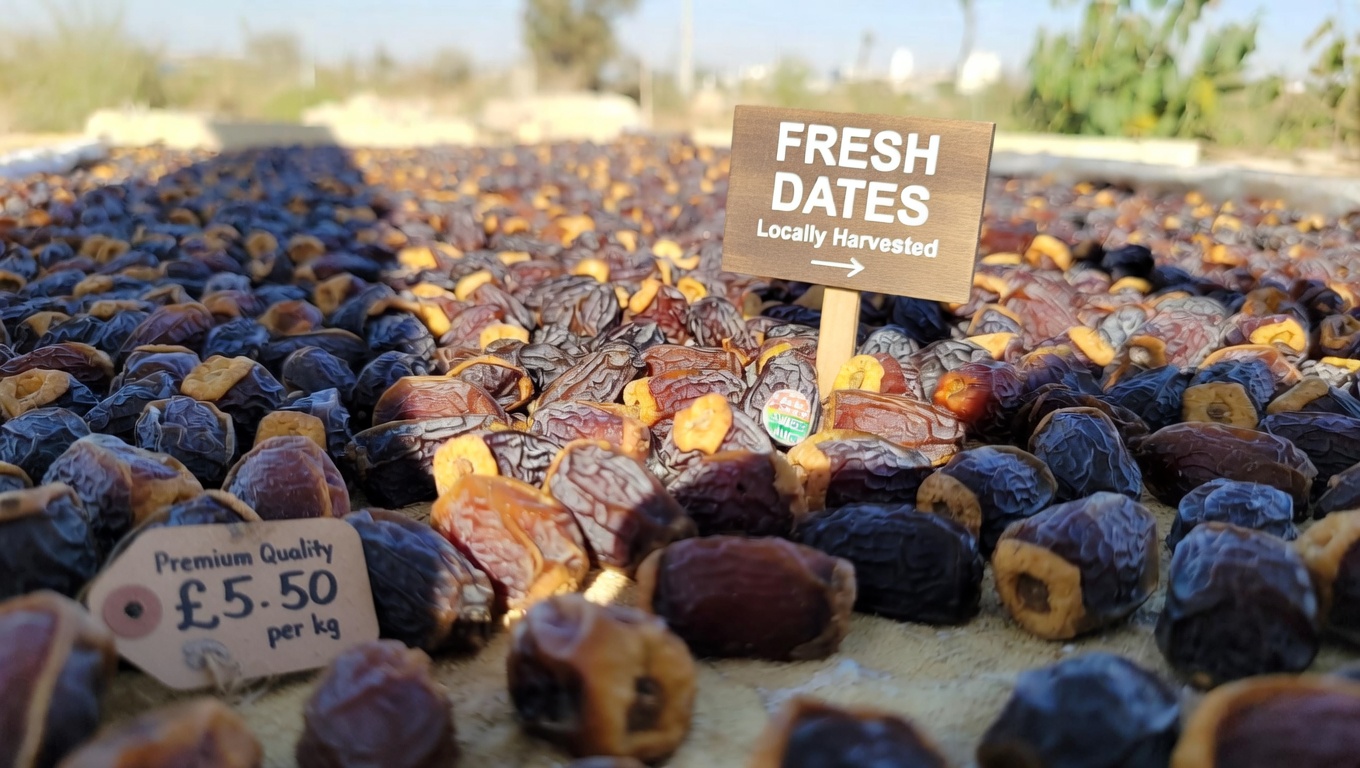
Core Minerals in Dates
- Calcium – a primary building block of bone tissue, helping maintain structure and strength.
- Magnesium – essential for proper calcium metabolism and bone formation; also involved in vitamin D activation.
- Potassium – helps maintain acid–base balance and can reduce calcium loss through urine, supporting mineral retention.
- Phosphorus – works alongside calcium in forming the mineral crystals that give bones their hardness.
Studies associate adequate intake of calcium, magnesium, potassium, and phosphorus with healthier bone density, especially in older adults. Dates also provide:
- Antioxidants – which can help reduce oxidative stress, a factor linked to age-related bone changes.
- Dietary fiber – supporting digestive health and steady energy, which can make it easier to stay active.
All of this comes in a naturally sweet, portable package that needs no cooking, refrigeration, or preparation—making dates an easy addition to daily life.
How Dates Fit Into a Bone-Supportive Eating Pattern
Observational studies suggest that diets high in fruits, vegetables, and mineral-rich foods—particularly those providing potassium and magnesium—are associated with greater bone mineral density in older adults.
While dates have not been studied as extensively as some other fruits (such as prunes) specifically for bone outcomes, their nutrient profile supports several mechanisms known to be beneficial:
- Potassium from fruits may help maintain calcium balance in the body.
- Magnesium supports the activation of vitamin D, which improves calcium absorption.
- Antioxidants can help counteract cellular processes linked to age-related bone decline.
In this way, dates can be a helpful component of a broader, bone-conscious eating pattern.
How Dates May Help Support Bone Wellness
When eaten as part of a varied diet, dates may contribute to bone health in several ways:
- Boosting daily calcium intake, which is vital for maintaining bone mass.
- Supplying magnesium, which research links to better bone density, especially in postmenopausal women.
- Providing abundant potassium, which can help reduce urinary calcium loss and support mineral balance.
- Offering phosphorus, a key partner to calcium in bone mineralization.
- Delivering antioxidants, which may help address oxidative stress associated with long-term skeletal changes.
- Adding fiber, which may support overall nutrient absorption and help sustain energy levels for regular activity.
- Being affordable and shelf-stable, making them a practical option in many regions of the world.
Dates vs. Other Bone-Friendly Foods
Dates should not replace other nutrient-dense foods, but they can complement them. Here’s a simplified comparison of dates, yogurt (as a common dairy option), and kale (a leafy green):
| Aspect | Dates | Dairy (e.g., yogurt) | Leafy greens (e.g., kale) |
|---|---|---|---|
| Calcium | Moderate | High | High |
| Magnesium | High | Moderate | High |
| Potassium | Very high | Low to moderate | High |
| Ease of consumption | Ready-to-eat, no prep | Needs refrigeration, usually eaten cold | May require washing, chopping, cooking |
| Main bone benefits | Mineral mix, especially potassium and magnesium | Strong calcium source, often fortified with vitamin D | Good calcium, magnesium, vitamin K |
| Storage | Shelf-stable, travel-friendly | Perishable | Perishable |
Dates stand out for their convenience and especially high potassium content. Used alongside dairy products and leafy greens, they help round out a diverse portfolio of bone-supportive foods.
Simple Ways to Add Dates to Your Daily Routine
For most people, a realistic starting point is 3–5 dates per day. This allows you to benefit from their nutrients without overdoing natural sugars or calories.
Here are some practical ideas:
-
Choose plain dates
Pick dates without added sugar or syrups. Many varieties (like Medjool or Deglet Noor) are naturally very sweet. -
Enjoy them whole or chopped
Eat them as-is, or chop and sprinkle over oatmeal, yogurt, or salads. Soak briefly in warm water if you prefer a softer texture. -
Pair them with protein or healthy fats
Combine dates with nuts, seeds, cheese, or yogurt to help balance blood sugar and increase satiety. -
Use them as a mid-morning or afternoon snack
Dates can help curb cravings while providing a steady energy lift compared with refined sweets. -
Observe your body’s response
If you manage blood sugar or have specific health conditions, start with a smaller portion and monitor how you feel. Adjust according to your healthcare provider’s advice.
Consistency is more important than perfection. Incorporating a few dates most days can become a small, sustainable habit that supports your broader nutrition goals.
Maximizing Absorption and Overall Bone Support
Dates work best as part of a complete bone-health strategy. To enhance the benefits of their minerals:
-
Combine with vitamin D sources
Spend time in safe sunlight exposure when possible, and include vitamin D–rich or fortified foods (such as fatty fish, eggs, or fortified dairy/plant milks). Vitamin D is crucial for effective calcium use. -
Include weight-bearing activities
Walking, dancing, light jogging, stair climbing, or simple strength training with bands or light weights can stimulate bone remodeling and help maintain density. -
Eat a varied, colorful diet
Aim for a plate rich in fruits, vegetables, whole grains, lean proteins, nuts, and seeds. This broad nutrient base supports not only bones but also muscles, joints, and overall health.
Conclusion: Small Daily Choices, Long-Term Bone Benefits
Adding dates to your diet is a simple, enjoyable way to complement other bone-supportive habits. Their combination of calcium, magnesium, potassium, and phosphorus aligns with what research indicates is important for maintaining bone density and strength as you age.
They are not a cure-all, but a handful of dates alongside regular movement, sufficient vitamin D, and a balanced diet can be one more small step toward staying active, stable, and confident over the years.
Frequently Asked Questions
1. How many dates should I eat for potential bone support?
A common, practical range is 3–5 dates per day. This amount generally offers useful nutrients without providing excessive calories or natural sugars for most people. Individual needs may vary.
2. Are dates suitable if I have diabetes or blood sugar concerns?
Dates have a moderate glycemic index and contain fiber, which can help slow absorption. However, they are still a concentrated source of natural sugars. If you have diabetes or insulin resistance:
- Keep portions small (e.g., 1–2 dates at a time).
- Pair them with protein or healthy fat.
- Monitor your blood glucose response.
Always follow guidance from your doctor or dietitian.
3. Can dates replace supplements or prescribed treatments for bone loss?
No. Dates can support a bone-healthy lifestyle, but they cannot replace medical treatment, prescribed medications, or targeted supplements recommended by your healthcare provider. Consider them a helpful addition to, not a substitute for, professional care and a well-rounded nutrition and exercise plan.