Extra Virgin Olive Oil and Kidney Health: What Does the Evidence Say?
As people get older, concerns about kidney health often grow—especially for those living with conditions like high blood pressure or diabetes, which can quietly stress the kidneys over time. Worries about fatigue, discomfort, or long-term complications are understandable.
The encouraging news: certain everyday food choices may gently support kidney function. One ingredient drawing increasing attention is extra virgin olive oil, a cornerstone of heart-healthy eating patterns. But how does it relate to kidney health, and what does research actually show?
This article takes a balanced look at the science behind extra virgin olive oil and kidney support, and offers practical ideas you can consider adding to your routine.
Why Healthy Kidneys Matter—and Where Diet Fits In
Your kidneys work around the clock to:
- Filter waste products from your blood
- Maintain fluid and electrolyte balance
- Help regulate blood pressure and hormone production
Over time, factors such as chronic inflammation and oxidative stress can gradually impair how well the kidneys function. That’s why researchers are increasingly interested in foods rich in antioxidants and anti-inflammatory compounds as part of an overall kidney-supportive lifestyle.
Extra virgin olive oil stands out nutritionally because it is:
- High in monounsaturated fats
- Naturally rich in bioactive compounds such as polyphenols and triterpenoids
These components have been studied for their potential to reduce low-grade inflammation and oxidative damage—two processes closely linked to kidney strain in various research models.
No single food can “fix” kidney problems. However, emerging studies suggest that incorporating extra virgin olive oil into a balanced, health-conscious diet may be one helpful piece of the puzzle.
What Research Suggests About Extra Virgin Olive Oil and Kidney Support
Scientists have explored the potential kidney-related benefits of extra virgin olive oil through animal research, laboratory experiments, and small human studies.
Findings in People With Kidney Conditions
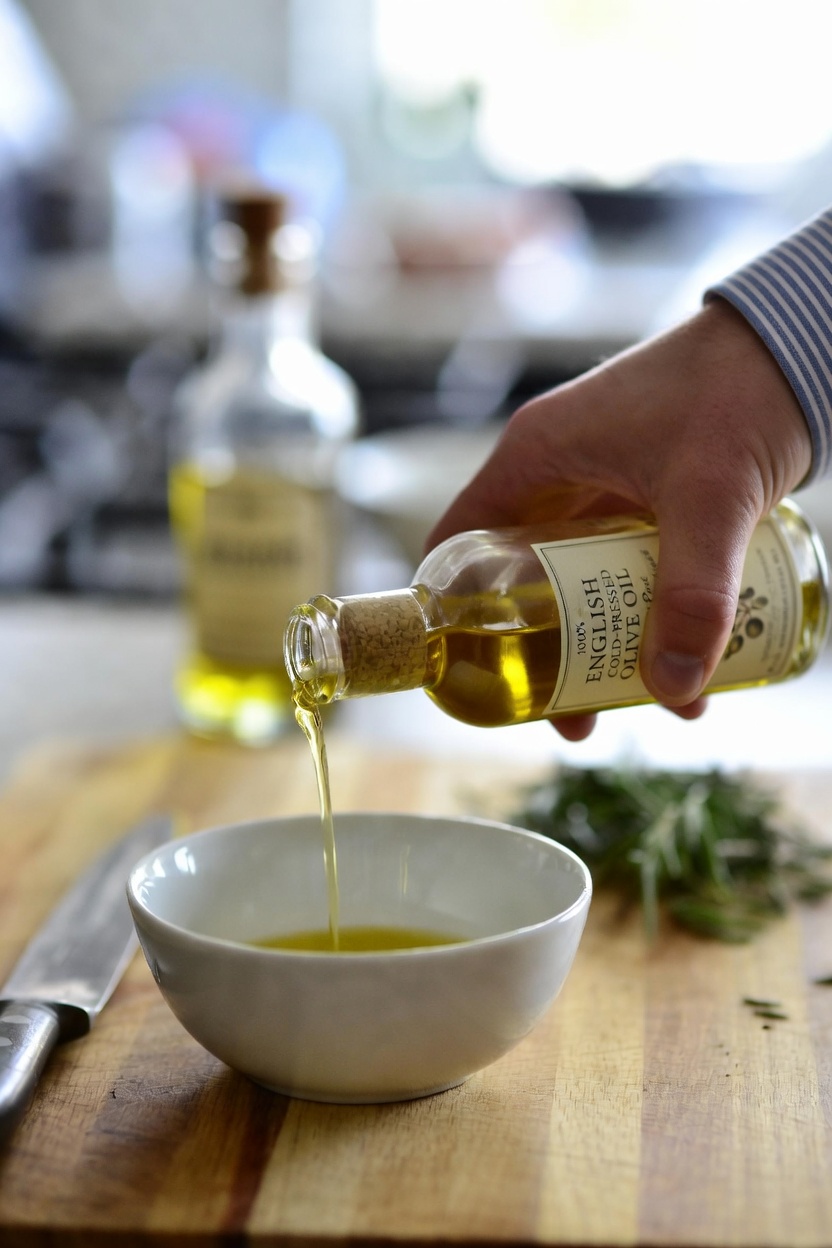
Some clinical research involving individuals with chronic kidney disease has looked at the effects of daily extra virgin olive oil intake. In one study, participants consumed roughly 40 ml per day (around 2–3 tablespoons) of high-quality extra virgin olive oil for several weeks. Reported outcomes included:
- Reductions in markers of inflammation, such as C-reactive protein (CRP) and certain inflammatory cytokines
- Improvements in indicators of oxidative stress
These shifts suggest that extra virgin olive oil may help create a more favorable internal environment for the kidneys by easing inflammatory and oxidative burdens.
Evidence From Lab and Animal Studies
Experimental and animal studies provide further clues. Research has indicated that olive oil’s polyphenols and triterpenoids may:
- Help shield kidney tissue from damage triggered by oxidative stress
- Offer some protection against specific toxins that affect renal cells
In models of diabetes-related kidney problems, certain components of olive oil have been linked to:
- Reduced protein loss in the urine (proteinuria)
- Improvements in structural changes to the kidney’s filtering units (glomeruli)
While these findings are preliminary and mainly mechanistic, they support the idea that extra virgin olive oil may help buffer the kidneys against various forms of stress.
Connection With the Mediterranean Diet
These results are consistent with broader research on the Mediterranean diet, where extra virgin olive oil is a key fat source. This eating pattern has been repeatedly associated with:
- Better cardiovascular health
- Improved metabolic markers (such as blood sugar and lipid levels)
Because heart and kidney health are closely interconnected, dietary habits that protect the cardiovascular system often benefit the kidneys as well.
Larger, long-term human trials are still needed, and outcomes can vary from person to person. Still, the overall pattern indicates that extra virgin olive oil can be a supportive dietary choice when used thoughtfully as part of a healthy lifestyle.
Practical Ways to Add Extra Virgin Olive Oil to Your Routine
If you’re interested in trying extra virgin olive oil for its potential kidney-supportive benefits, focus on making it a consistent, moderate part of your daily diet.
How to Get Started
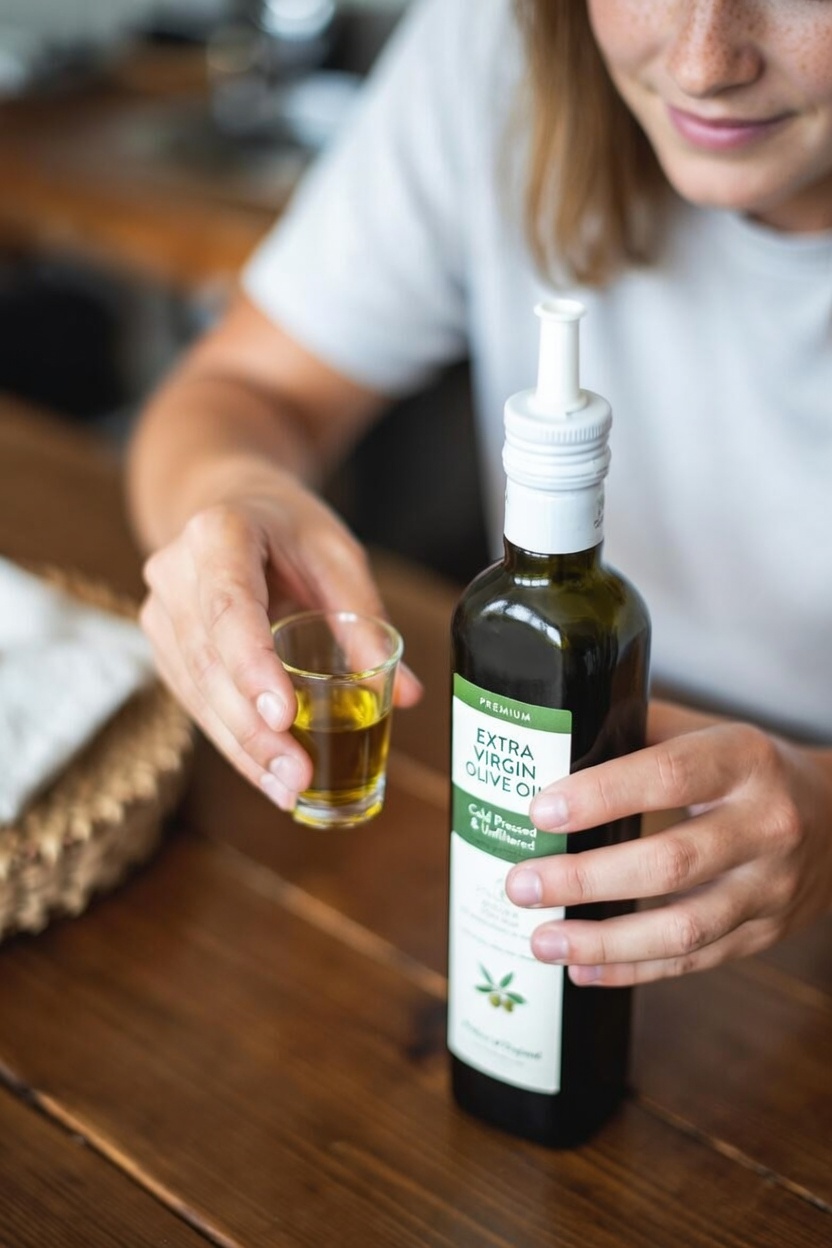
- Begin gradually: Start with about 1 tablespoon (15 ml) per day and see how you feel.
- Timing options:
- Some people prefer taking it in the morning, even on an empty stomach.
- Others simply use it with meals throughout the day.
Simple, Kidney-Friendly Uses
- As a finishing touch: Drizzle over salads, steamed or roasted vegetables, beans, or whole grains.
- For gentle cooking: Use it for low- to medium-heat sautéing, such as cooking leafy greens or vegetables.
- Homemade dressings: Combine extra virgin olive oil with lemon juice or vinegar, plus herbs and spices, for a quick dressing or marinade.
Choosing a Quality Olive Oil
- Look for “extra virgin” and cold-pressed on the label.
- Choose oils packaged in dark glass bottles to help protect sensitive compounds from light.
- Store in a cool, dark place and use within a few months of opening for best quality.
Remember: extra virgin olive oil is calorie-dense. Moderation helps you gain potential benefits without taking in more calories than you need.
Quick Comparison: Olive Oil vs. Other Common Fats
When considering kidney-friendly fats, it’s helpful to see how extra virgin olive oil compares with other popular options:
-
Extra Virgin Olive Oil
- Rich in monounsaturated fats and antioxidants
- Naturally low in sodium, potassium, and phosphorus
- Aligned with many kidney-friendly diet recommendations
-
Butter
- Higher in saturated fats
- Lacks the same level of antioxidant and anti-inflammatory compounds
-
Canola Oil
- Contains mostly unsaturated fats
- More neutral in flavor but generally lower in polyphenols compared with extra virgin olive oil
-
Coconut Oil
- High in saturated fats
- Best used sparingly, especially for those focusing on heart and kidney health
Swapping some saturated fats (like butter) for extra virgin olive oil can make meals more flavorful while supporting broader wellness goals.
Broader Tips for a Kidney-Supportive Lifestyle
Extra virgin olive oil works best when it’s part of a comprehensive approach to kidney health. Consider these additional habits:
- Stay hydrated: Make water your primary beverage unless your healthcare provider gives different guidance.
- Prioritize whole foods: Emphasize fruits, vegetables, whole grains, and appropriate portions of lean proteins according to your kidney status.
- Watch your sodium intake: Limiting salt can help support healthy blood pressure, which is crucial for kidney protection.
- Move regularly: Activities like walking, light cycling, or gentle exercise help improve circulation and support overall metabolic health.
Combining these behaviors can create a sustainable, kidney-friendly lifestyle over the long term.
Conclusion: Is a Daily Spoonful of Olive Oil Worth Considering?
Adding a daily spoonful of extra virgin olive oil can be a simple, enjoyable change that may offer meaningful support for kidney and overall health. Research points to its potential to help reduce low-grade inflammation and oxidative stress—both key factors in long-term kidney function.
It’s not about dramatic overhauls, but about consistent, realistic habits that accumulate over time. For many people, replacing less healthy fats with extra virgin olive oil is an achievable step in a kidney-conscious eating plan.
Have you noticed any differences when you switch to healthier fats like extra virgin olive oil? Sharing your experience can be helpful to others exploring similar changes.
Frequently Asked Questions
Is extra virgin olive oil safe for people with kidney concerns?
For most individuals with kidney issues, extra virgin olive oil is considered safe when used in moderation. It is naturally low in sodium, potassium, and phosphorus, which aligns with general kidney-friendly dietary recommendations. Always follow the specific advice of your nephrologist or dietitian.
How much olive oil is too much?
A common target is 1–2 tablespoons (15–30 ml) per day as part of a balanced eating pattern. This amount can usually fit into a calorie-conscious diet without excess. Those with special dietary needs or weight management concerns should consult a healthcare professional for personalized guidance.
Does the type of olive oil matter?
Yes. Extra virgin olive oil offers the highest concentration of beneficial compounds such as polyphenols and other antioxidants. For best results:
- Choose reputable brands that clearly label the oil as extra virgin.
- Prefer cold-pressed oils in dark bottles.
- Check harvest or best-by dates and avoid oils that are very old or have lost their fresh aroma and taste.