How to Prevent Nighttime Muscle Cramps
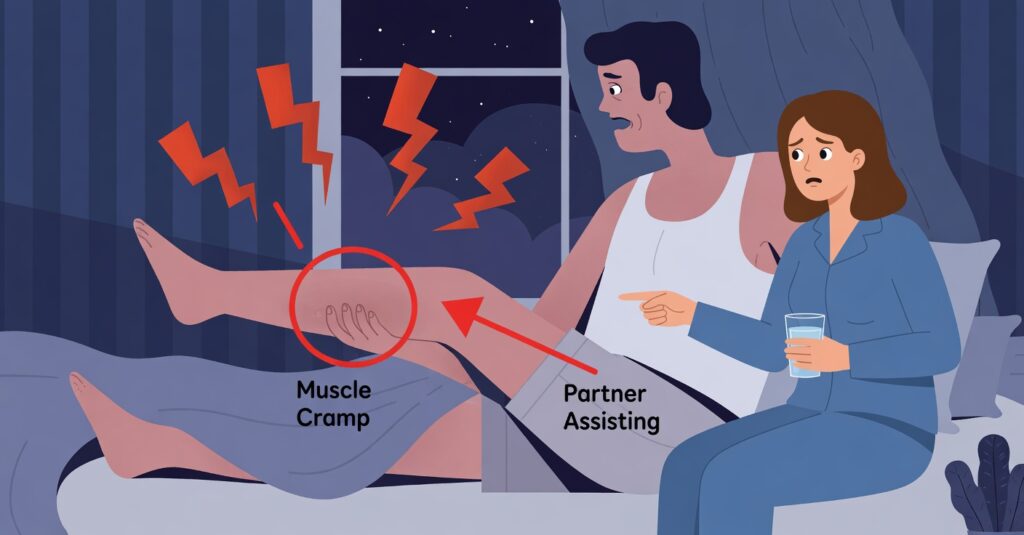
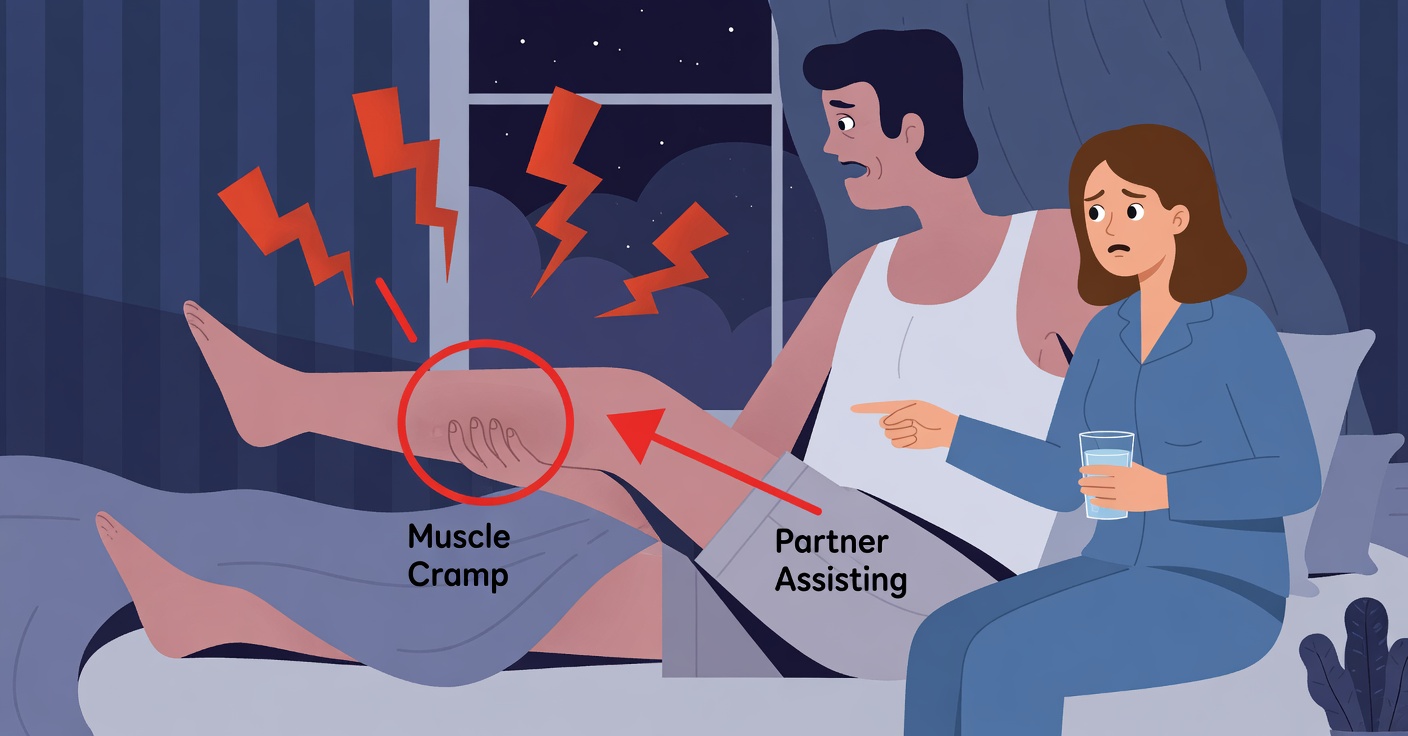
Nighttime muscle cramps are sudden, involuntary, and often very painful contractions that usually appear while you are sleeping. They most commonly affect the leg muscles—especially the calves—but can also occur in the feet and thighs. These episodes may last from a few seconds to several minutes, disrupting sleep and lowering overall sleep quality.
While in many cases the exact trigger is unclear, understanding the most common causes and how to prevent them is essential, particularly for older adults and people who are physically active.
Common Causes of Night Leg Cramps
Muscle cramps at night can result from a variety of factors. Below are some of the most frequent contributors.
1. Muscle fatigue
Overworking your muscles during the day is a leading cause of nighttime cramps. Activities such as walking long distances, standing for extended periods, or performing high-intensity workouts can overload the muscles and lead to spasms later while you rest.
2. Dehydration
Your body needs a proper balance of fluids and electrolytes to function well. When you are dehydrated, essential minerals like sodium, potassium, and magnesium become depleted. This imbalance can interfere with normal muscle function and increase the risk of cramps.
3. Mineral deficiencies
A diet low in potassium, calcium, or magnesium can disrupt healthy muscle contraction and relaxation. These minerals play a key role in keeping muscles from tightening up, so deficiencies make cramps more likely.
4. Poor circulation
Circulatory problems can reduce blood flow and oxygen supply to the muscles. When muscles do not receive enough oxygen and nutrients—especially during rest—nighttime cramps can occur more frequently.
5. Medications
Certain prescription drugs can affect muscle function or alter electrolyte levels. Common examples include:
- Diuretics
- Statins (used to lower cholesterol)
- Some blood pressure medications
If you notice cramps after starting a new medication, it may be related.
6. Excess weight
Carrying extra body weight puts additional strain on the legs and other muscle groups. This increased load can make muscles more vulnerable to cramping, particularly at night when they are recovering.
7. Underlying health conditions
Some medical conditions are associated with recurrent nighttime cramps, such as:
- Diabetes
- Thyroid disorders
- Chronic venous insufficiency
- Restless legs syndrome
In these situations, cramps can be a symptom of a broader health problem that needs attention.
How to Prevent Nighttime Cramps
Although it may not be possible to eliminate night cramps completely, certain lifestyle habits can significantly reduce how often they occur and how severe they are.
1. Stay well hydrated throughout the day
Drink water regularly rather than waiting until you feel thirsty. Proper hydration helps maintain electrolyte balance and supports muscle function. Limit beverages high in caffeine and alcohol, as both can promote fluid loss and contribute to dehydration.
2. Stretch before going to bed
Gentle stretching routines, particularly targeting the leg muscles, can help relax the muscles and improve circulation before sleep. Spend 5–10 minutes stretching your:
- Calves
- Thighs
- Feet and ankles
This simple habit can make nighttime cramps less frequent and less intense.
3. Focus on a nutrient-rich diet
Include foods rich in key minerals that support muscle health:
- Magnesium: almonds, spinach, avocado, pumpkin seeds
- Potassium: bananas, potatoes, melons, oranges
- Calcium: yogurt, sardines, broccoli, fortified plant milks
A balanced diet with these nutrients helps your muscles contract and relax properly.
4. Wear supportive footwear
Shoes that lack proper support or are uncomfortable can affect your posture and change how your muscles work throughout the day. Over time, this strain may contribute to cramps at night. Choose footwear with good arch support and cushioning, especially if you stand or walk a lot.
5. Maintain a healthy weight
If you are overweight, gradually losing weight can reduce the pressure on your legs and feet. Less strain on your muscles during the day often translates into fewer cramps during the night.
6. Avoid prolonged inactivity
Staying in the same position for many hours can impair circulation and muscle function. If you have a desk job or sit for long periods:
- Stand up and move around at least once every hour
- Do a few light stretches or a short walk to stimulate blood flow
Regular movement helps keep muscles flexible and well supplied with blood.
7. Talk to your doctor about your medications
If you take medications long term and have noticed more frequent cramps, discuss this with your healthcare provider. They may:
- Review and adjust the dosage
- Suggest alternative medications
- Check for electrolyte imbalances
Do not stop or change prescribed medications on your own.
8. Use supplements only when indicated
In cases where a doctor confirms a deficiency, they may recommend supplements such as magnesium, potassium, or calcium. However, taking these on your own without proper evaluation can be risky. Always seek medical advice before starting any supplement.
What to Do If a Night Cramp Wakes You Up
If you wake up in the middle of the night with a cramp, these steps can help relieve it more quickly:
-
Gently stretch the affected muscle
For a calf cramp, flex your foot upward toward your shin (as if you were trying to bring your toes closer to your knee) and hold the stretch. -
Massage the area
Use your hands to gently rub the cramped muscle. This can stimulate blood flow and encourage the muscle to relax. -
Apply heat
A warm compress, heating pad, or a hot shower can help ease muscle tension and soothe the pain. -
Walk slowly
If possible, get out of bed and walk around gently. Light movement can help restore normal circulation and loosen the muscle.
Conclusion
Nighttime muscle cramps are a common issue that can disturb sleep and reduce quality of life. Although their causes vary, many are linked to everyday habits that can be improved. Staying hydrated, eating a mineral-rich diet, stretching before bed, maintaining a healthy weight, and supporting overall health are key steps in preventing night leg cramps.
If your cramps are frequent, very painful, or accompanied by other symptoms, consult a healthcare professional. Identifying and treating any underlying cause early can make a significant difference in your comfort and sleep quality.