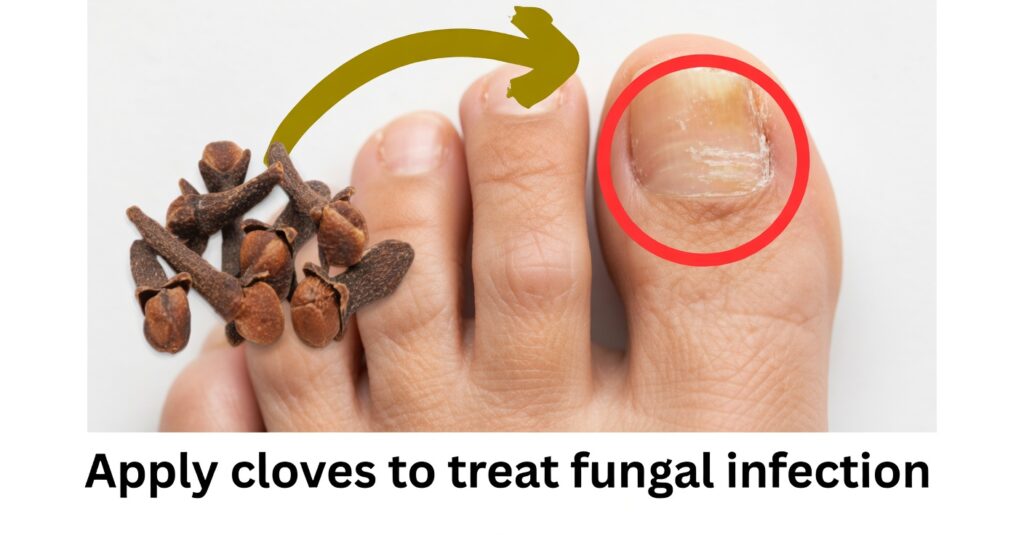
How to Eliminate Nail Fungus with Cloves
Nail fungus is one of the most frequent infections affecting both toenails and fingernails. It can cause discoloration, thickening, brittleness, pain, and persistent itching. For those looking for a natural alternative to support conventional treatment, cloves (clove spice) are a popular home remedy. Thanks to their antimicrobial and antifungal compounds, cloves may help fight nail fungus and support healthier nails.
This guide explains how cloves work against nail fungus, their main benefits, and several simple, at‑home recipes you can try.
Important: Home remedies with cloves can be a helpful complement, but they do not replace a diagnosis or treatment from a healthcare professional, especially in severe or persistent infections.
What Are Cloves and How Can They Help with Nail Fungus?
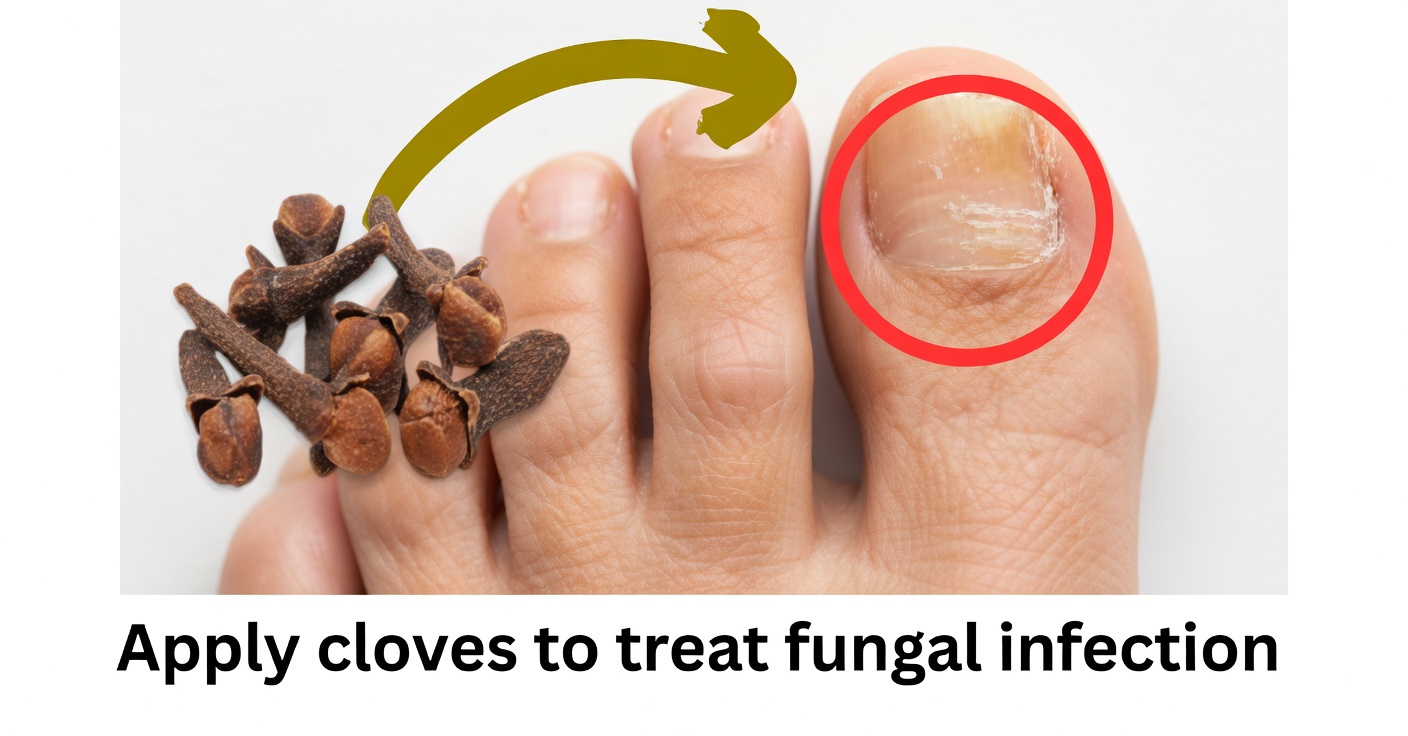
Cloves are the dried flower buds of a tropical tree, scientifically known as Syzygium aromaticum. Widely used as a culinary spice, they are also valued in traditional medicine for their strong aroma and powerful therapeutic properties.
The main active compound in cloves is eugenol, a substance known for its:
- Antimicrobial
- Antifungal
- Anti‑inflammatory
- Mild pain‑relieving (analgesic) properties
Because of these characteristics, cloves and clove oil are often used as a natural option to help manage nail fungus and support nail recovery.
Therapeutic Properties of Cloves for Nail Fungus
Cloves contain several bioactive compounds, but eugenol is the most studied. Its properties make cloves especially interesting for treating fungal nail issues:
-
Antimicrobial action
Cloves help inhibit the growth of various microorganisms, including certain bacteria and fungi that can infect nails. -
Antifungal effect
Eugenol can damage fungal cells and may help slow or stop their spread, making it useful as a complementary approach in nail fungus care. -
Anti‑inflammatory support
Inflammation around a fungal nail infection can cause redness and swelling. Cloves’ anti‑inflammatory effects may help calm irritated skin around the nail. -
Analgesic (pain‑relieving) properties
The numbing effect of eugenol can provide temporary relief from discomfort, pain, or itching linked to nail fungus.
Benefits of Using Cloves on Fungus‑Affected Nails
When used consistently as part of a broader nail care routine, clove‑based remedies may offer several benefits:
-
Helps reduce fungal growth
Their antifungal properties target the fungus on the nail surface and surrounding tissue. -
Supports stronger, healthier nails
Regular use can promote a cleaner, healthier nail bed, which is essential for stronger nail regrowth. -
Soothes itching and discomfort
Clove preparations may ease itching, burning, and pain associated with fungal infections. -
Helps limit spread to other nails
By controlling fungal growth, cloves may help reduce the risk of infection spreading to other nails or areas of skin.
Home Remedies with Cloves to Help Treat Nail Fungus
Below are three simple, natural recipes using cloves that you can prepare at home. Use them consistently and always combine them with good hygiene and proper foot or hand care.
1. Clove Oil Infusion for Nail Fungus
Ingredients:
- 1 tablespoon whole cloves
- 1/4 cup olive oil or coconut oil
Preparation:
- Crush the whole cloves in a mortar and pestle until you get a coarse powder.
- Gently warm the olive or coconut oil in a small pan over low heat (do not boil).
- Add the crushed cloves to the warm oil.
- Simmer on very low heat for about 10 minutes.
- Remove from heat and let the mixture cool completely.
- Strain the oil to remove the solid pieces and transfer it to a dark glass bottle.
How to use:
- Clean and dry the affected nail thoroughly.
- Apply a small amount of the clove oil directly onto the infected nail and surrounding skin twice a day, preferably in the morning and at night.
- Leave it on for about 20 minutes.
- Rinse with lukewarm water and dry the nail very well.
Use consistently for several weeks. Nail fungus typically requires long‑term care, so patience and regular application are essential.
2. Clove Infusion Nail Soak
Ingredients:
- 2 tablespoons whole cloves
- 1 cup water
Preparation:
- Bring the water to a boil.
- Add the cloves to the boiling water.
- Reduce heat and simmer for about 15 minutes.
- Remove from heat and let the infusion cool until it is warm but comfortable to touch.
How to use:
- Pour the warm infusion into a small bowl.
- Soak the affected nails (hands or feet) in the infusion for 15–20 minutes.
- Dry the nails thoroughly afterward, especially between the toes.
Repeat this nail soak once a day until you notice improvement. You can combine this method with the clove oil infusion, using the soak first and the oil later in the day.
3. Clove and Baking Soda Paste
Ingredients:
- 1 tablespoon clove powder
- 1/2 tablespoon baking soda
- A few drops of water
Preparation:
- Place the clove powder and baking soda in a small bowl.
- Add water drop by drop, mixing until you obtain a thick, spreadable paste.
How to use:
- Clean and dry the affected nail.
- Apply a thin layer of the paste over the infected nail and the area just around it.
- Let it sit for about 20 minutes.
- Rinse off with lukewarm water and dry the nail carefully.
Use this treatment around three times per week. Baking soda helps create an environment less favorable to fungal growth, while the cloves provide their antifungal and soothing effects.
Precautions When Using Cloves for Nail Fungus
Cloves and clove oil are generally safe for topical use when handled correctly, but it is important to take some precautions:
-
Patch test first
Before applying any clove preparation to a larger area, test a small amount on a small patch of skin to check for redness, itching, or irritation. -
Avoid sensitive or irritated skin
If your skin is very sensitive or already inflamed, be cautious. Discontinue use if you notice burning, severe redness, or worsening irritation. -
Do not use on open wounds
Never apply clove oil or clove paste directly to open cuts, bleeding areas, or severely damaged skin. -
Dilute essential oil
If you use pure clove essential oil (not the homemade infusion), always dilute it well in a carrier oil. Undiluted essential oil can cause burns or irritation. -
Consult a healthcare professional
If your nail fungus is severe, involves several nails, is very painful, or does not improve over time, see a dermatologist or podiatrist. People with diabetes, circulation problems, or weakened immune systems should always seek medical advice before trying home remedies.
Additional Tips to Improve Nail Fungus Treatment
To make any nail fungus treatment—natural or conventional—more effective, good habits are essential:
-
Keep nails dry and clean
Fungi thrive in warm, moist environments. Dry your feet and hands carefully, especially between the toes. -
Trim and file affected nails
Keeping nails short and gently filing thickened areas can help treatments penetrate more easily. -
Choose breathable footwear
Wear shoes that allow air circulation and avoid tight, closed footwear for long hours. Use moisture‑wicking socks and change them if they become damp. -
Use shower sandals in public areas
In pools, gyms, and communal showers, wear flip‑flops or sandals to reduce the risk of spreading or catching fungi. -
Be consistent with treatment
Nail fungus usually improves slowly. Regular, long‑term application of your chosen remedies is crucial for visible results.
Conclusion
Cloves offer a natural, accessible option to support the treatment of nail fungus thanks to their antimicrobial, antifungal, anti‑inflammatory, and mild analgesic properties. Remedies such as clove‑infused oil, clove nail soaks, and clove‑baking soda paste can help reduce fungal growth, soothe discomfort, and support healthier nail regrowth.
For best results, combine clove remedies with good hygiene, proper nail care, and appropriate footwear—and consult a healthcare professional if the infection is severe, persistent, or if you have underlying health conditions.