Everyday Habits That Can Gradually Increase Kidney Strain
Your kidneys work nonstop behind the scenes, filtering waste, balancing fluids, and supporting many essential body functions. Over time, certain daily habits can place extra pressure on them without you even noticing.
Some of the most common patterns to watch include:
- Drinking too little plain water during the day
- Eating too much sodium from packaged meals, snacks, and added table salt
- Relying heavily on ultra-processed foods high in sugar, preservatives, and additives
- Staying inactive for long stretches with minimal physical movement
- Using pain relievers too often without medical advice
Research has connected a higher intake of ultra-processed foods with changes in kidney-related health markers over time. Ongoing dehydration can also make it more difficult for the kidneys to remove waste efficiently.
Still, the bigger opportunity is not just avoiding harmful habits. It is creating simple routines that support kidney health in a realistic, long-term way.
Why Hydration Deserves More Attention
Water is one of the easiest and most effective ways to support healthy kidney function. When your body is well hydrated, the kidneys can filter waste more smoothly and help maintain proper fluid balance.
For most adults, plain water should be the main beverage of choice. A common recommendation is about 6 to 8 glasses per day, although the right amount can differ depending on your climate, activity level, and overall health. If you exercise regularly or spend time in hot weather, your needs may increase.
Easy Hydration Habits to Try
- Keep a reusable water bottle with you and sip regularly
- Add lemon, cucumber, or mint for flavor without added sugar
- Eat foods with high water content, such as watermelon, oranges, cucumbers, and leafy greens
- Use a light phone reminder during work hours if you often forget to drink
Health research suggests that staying consistently hydrated may help reduce the risk of some kidney problems, including kidney stones, by supporting steady filtration.
How Food Choices Affect Kidney Workload
What you eat directly influences how hard your kidneys need to work. Sodium is a major example. Too much salt can contribute to high blood pressure, and over time that can place significant strain on the kidneys.
Processed foods, fast food, and packaged meals often contain surprisingly large amounts of sodium and added sugar. Replacing even some of these foods with fresher options can support both kidney health and overall well-being.
Kidney-Friendly Foods That Fit a Balanced Eating Pattern
- Fresh or frozen vegetables like cauliflower, broccoli, cabbage, and bell peppers
- Fruits such as apples, berries, grapes, and pineapple in reasonable portions
- Whole grains including oats, brown rice, and barley
- Lean protein sources like fish, skinless poultry, egg whites, or plant-based options such as beans when appropriate
- Healthy fats from foods like olive oil and avocado in moderate amounts
A more supportive eating pattern usually means more plant foods and fewer highly packaged items. Organizations such as the National Kidney Foundation emphasize that diets rich in fruits, vegetables, and whole grains can help support wellness, including kidney function.
Smarter Everyday Swaps
Making just one or two better choices each day can lead to meaningful progress over time.
| Habit or Food Type | Possible Effect on Kidneys | Better Alternative |
|---|---|---|
| Salty snacks and canned soups | May contribute to higher blood pressure over time | Homemade versions, herbs, and spices |
| Sugary soda and sweet drinks | Can affect weight and blood sugar balance | Plain water, infused water, or herbal tea |
| Ultra-processed frozen meals | Often high in sodium and additives | Home-cooked meals with simple fresh ingredients |
| Excess red and processed meat | May add extra strain when eaten too often | Fish, poultry, or occasional plant proteins |
The goal is not perfection. Even small improvements can reduce the load on your body.
Why Regular Movement Matters
Exercise does much more than help with calorie burning. It supports healthy blood pressure, improves circulation, and helps with weight management, all of which are important for kidney health.
You do not need intense training sessions to see benefits. In many cases, regular moderate movement is enough.
Simple Ways to Move More
- Walk for 20 to 30 minutes after dinner
- Take the stairs when possible
- Stretch or do light bodyweight exercises during work breaks
- Choose enjoyable activities such as gardening, swimming, or dancing
Public health recommendations often suggest at least 150 minutes of moderate activity each week. Even modest increases in movement can help your body better regulate blood pressure and blood sugar.
Other Lifestyle Factors That Also Matter
Kidney wellness is influenced by more than food and exercise alone. A few additional lifestyle choices can make a difference.
- Keep alcohol intake moderate or lower to avoid extra dehydration and added strain
- Stop smoking if applicable, since the benefits begin quickly and continue over time
- Aim for 7 to 9 hours of quality sleep on most nights to support recovery and hormone balance
- Practice stress management with deep breathing, short meditation, or time outdoors
These habits may seem unrelated at first, but together they help create a healthier internal environment that supports the kidneys.
A Fresh Ingredient Worth Noticing
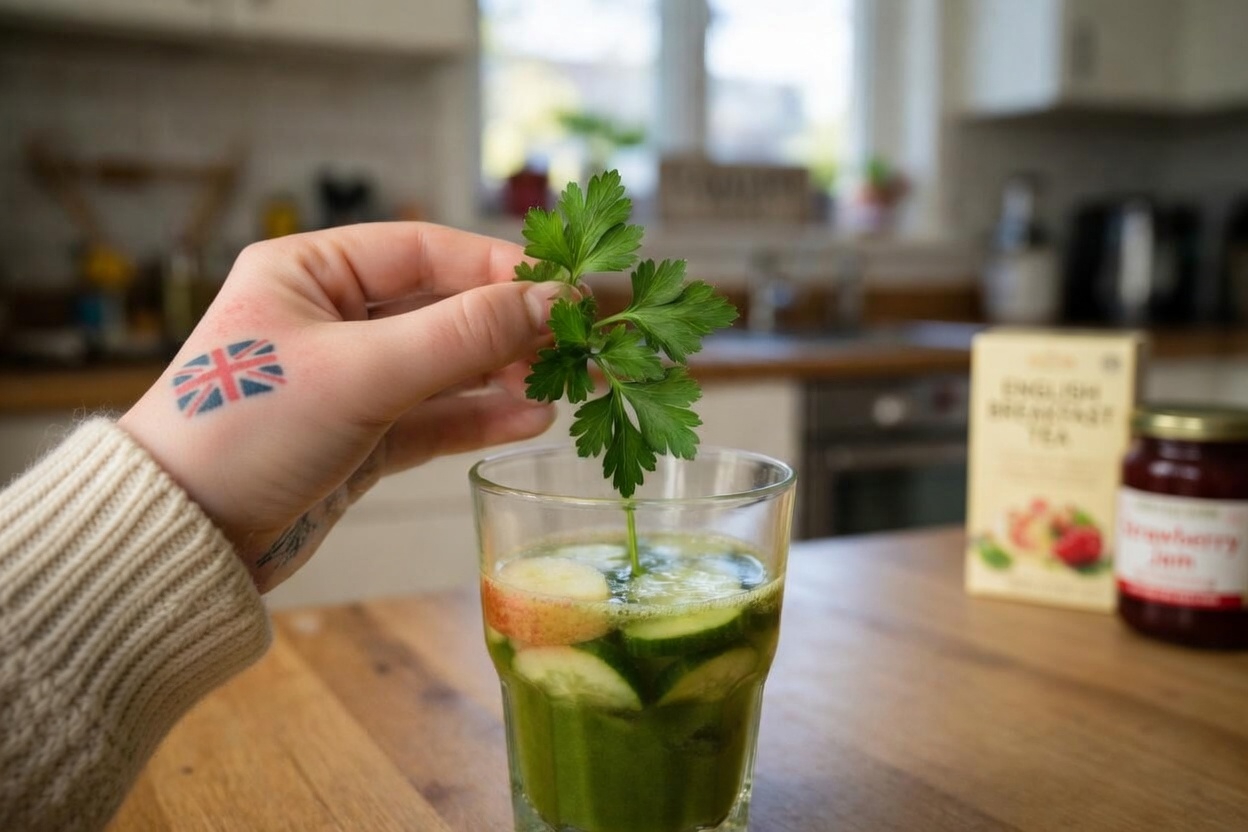
One surprisingly simple ingredient has attracted attention in wellness discussions: parsley.
This bright green herb is affordable, widely available, and easy to use. Many people add fresh parsley to salads, blend it into smoothies, or steep it lightly as a gentle herbal tea after checking with a healthcare professional.
Parsley brings flavor, color, and nutrients to meals without adding extra sodium. It can be sprinkled over roasted vegetables, mixed into grain bowls, or blended into homemade dressings for a fresher taste.
Rather than viewing it as a miracle solution, it makes more sense to treat parsley as one helpful part of a broader healthy eating pattern centered on fresh herbs, vegetables, and whole foods.

Easy Ways to Use More Fresh Greens Like Parsley
- Blend a handful into a morning smoothie with cucumber and apple
- Stir chopped parsley into scrambled eggs or grain salads
- Use it as a garnish for soups or grilled fish
- Make a simple herbal infusion by steeping a small bunch in hot water for a few minutes, then drinking it cooled if desired
Small additions like these can make meals more appealing while helping you eat in a fresher, less processed way.
A Simple Daily Routine to Support Kidney Health
Improving your habits does not require a complete lifestyle overhaul. Start with one or two manageable steps, then build from there.
A practical daily routine might include:
- Start the morning with a full glass of water
- Include vegetables and lean protein in your main meals
- Take a short walk or stretching break around midday
- Season food with herbs and spices instead of extra salt
- Reduce screen time in the evening to help protect sleep quality
After a few weeks, pay attention to how you feel. Many people notice steadier energy, improved digestion, or a stronger sense of control over their daily choices.
Frequently Asked Questions
How much water should I drink each day?
Many adults do well with around 6 to 8 glasses of plain water daily. If you are active, live in a hot climate, or sweat a lot, you may need more. Your body signals can help guide you, and pale yellow urine is often considered a useful general sign of good hydration.
Can changing my diet really help?
Yes. Eating patterns that focus on fruits, vegetables, whole grains, and less processed food with lower sodium are consistent with recommendations for kidney and heart health. Small dietary improvements can create meaningful long-term benefits.
Is parsley safe to add to meals?
For most people, fresh parsley and other culinary herbs are a flavorful, low-sodium way to enhance meals. If you take medication or already have a health condition, check with your healthcare provider before making dietary changes.
What should I do if I am already worried about my kidneys?
The best next step is to speak with your doctor or healthcare professional. They can give you personalized advice based on your medical history, symptoms, and any current test results.