Vitamin B12 Deficiency: Key Warning Signs You Shouldn’t Ignore
Vitamin B12 is crucial for a healthy nervous system, the production of red blood cells, and normal brain function.
When your levels drop too low, your body can start sending warning signals—especially through your eyes, feet, and nervous system.
If a deficiency persists for a long time, it can lead to serious conditions such as megaloblastic anemia, in which the body produces unusually large, poorly functioning red blood cells.
Below are some of the most common symptoms of low vitamin B12 levels.
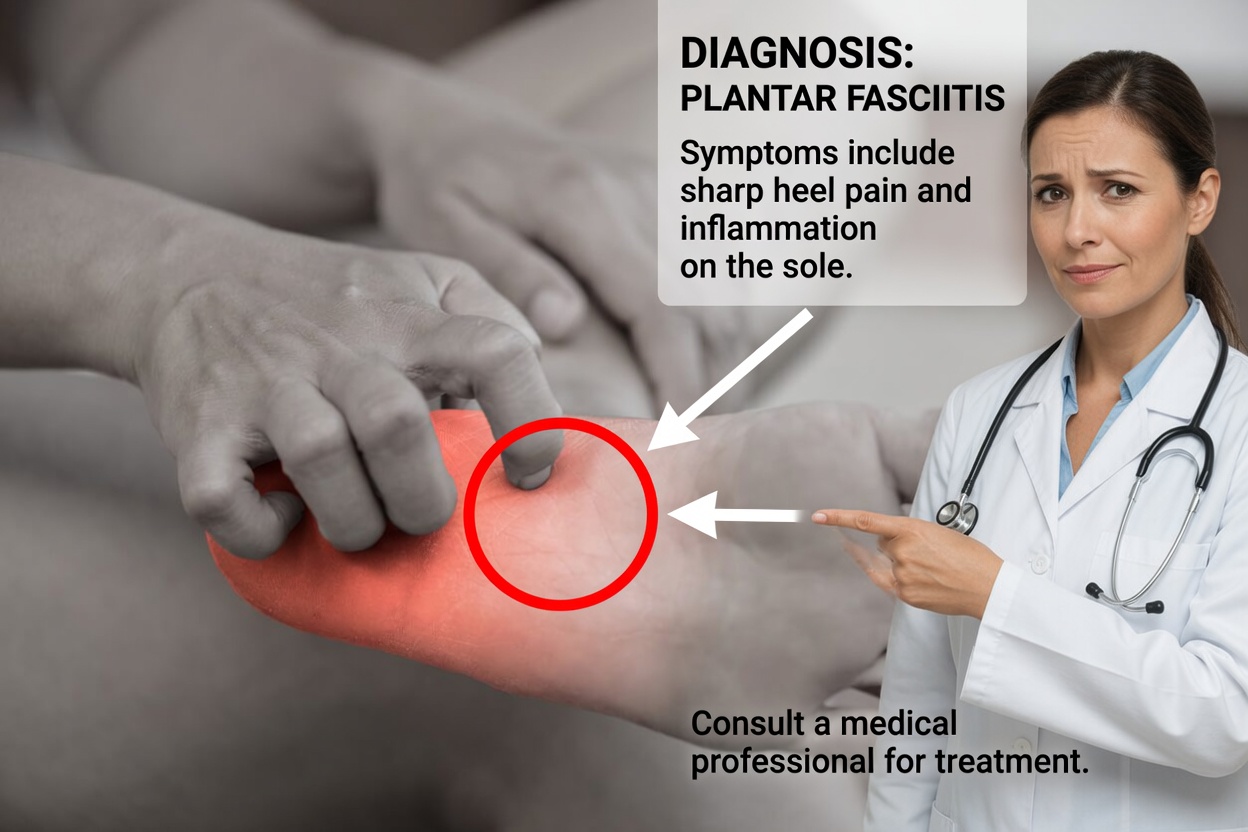
1. Tingling or Numbness in Hands and Feet
One of the earliest signs of vitamin B12 deficiency is tingling, pins-and-needles sensations, or numbness in the hands and feet.
This happens because vitamin B12 is essential for maintaining healthy nerve fibers and the protective coating (myelin) around them. When B12 is low, nerve function can be disrupted.

2. Vision Problems or Blurred Sight
Long-term vitamin B12 deficiency can damage the optic nerve, which connects the eye to the brain.
This may result in:
- Blurred or distorted vision
- Increased sensitivity to light
- Visual changes that seem to appear gradually
Many people notice changes in their vision before other symptoms become obvious.

3. Persistent Fatigue and Low Energy
Vitamin B12 plays a key role in the production of red blood cells, which carry oxygen throughout the body.
When B12 is lacking:
- Fewer healthy red blood cells are produced
- Less oxygen reaches your tissues and organs
This can cause ongoing tiredness, low energy, and a general feeling of exhaustion, even after resting.
4. Dizziness or General Weakness
Some people with low vitamin B12 experience:
- Lightheadedness or dizziness when standing up
- A constant feeling of weakness or being “run down”
These symptoms are often linked to reduced oxygen delivery in the blood due to abnormal red blood cell production.

5. Pale or Slightly Yellow Skin
Vitamin B12 deficiency can interfere with the normal formation of red blood cells.
As these cells become damaged or break down:
- The skin may appear unusually pale
- In some cases, a slight yellowish tone (similar to mild jaundice) can develop
This change in skin color is often related to both anemia and the breakdown of red blood cells.
6. Memory Problems or Difficulty Concentrating
Vitamin B12 is vital for brain health and cognitive function. When levels are low, you may notice:
- Trouble focusing or concentrating
- Increased forgetfulness
- A sense of “brain fog” or mental confusion
These symptoms can be subtle at first but may worsen if the deficiency is not addressed.

7. Mood Changes and Irritability
Low vitamin B12 can also affect mental and emotional well-being. Because B12 is involved in the production of neurotransmitters, a deficiency may lead to:
- Irritability or increased frustration
- Feelings of anxiety
- Mood swings or low mood
For some people, these emotional changes are among the most noticeable signs of a deficiency.
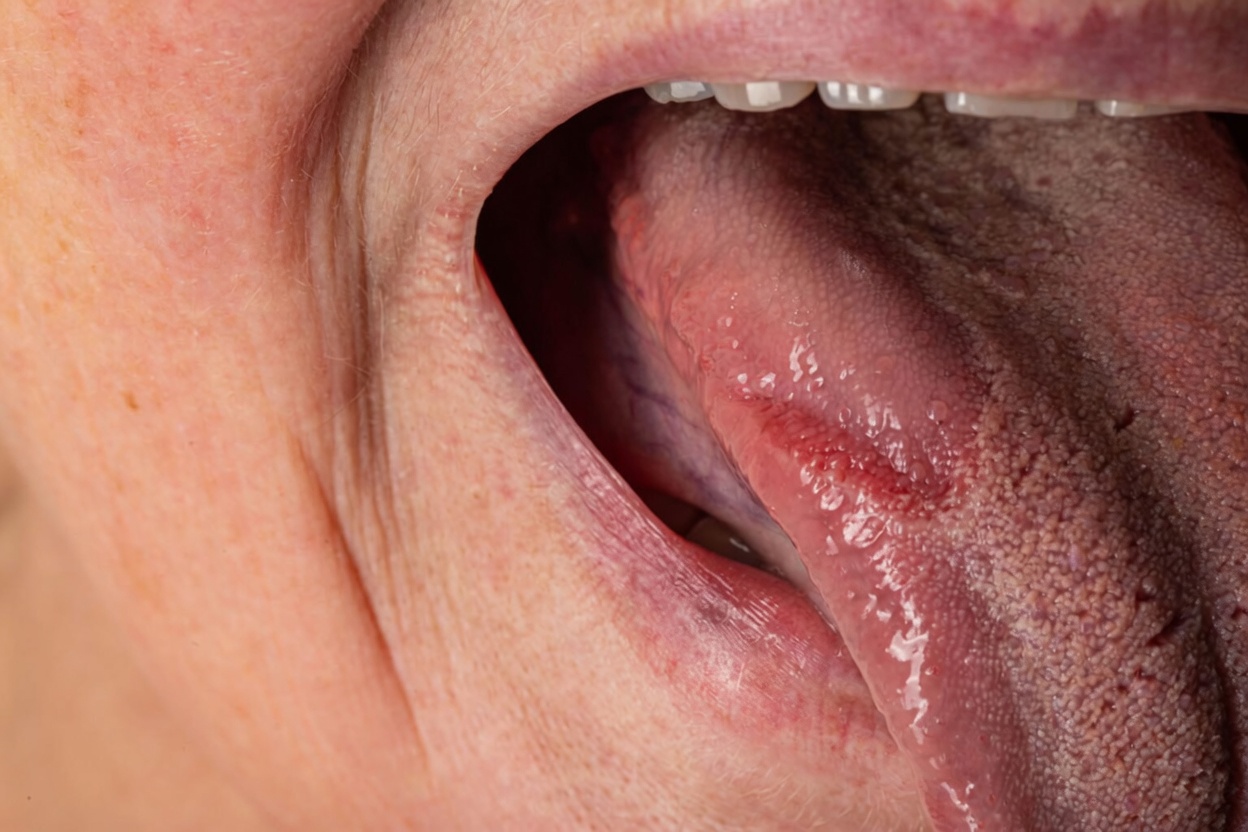
8. Sore, Red, or Inflamed Tongue
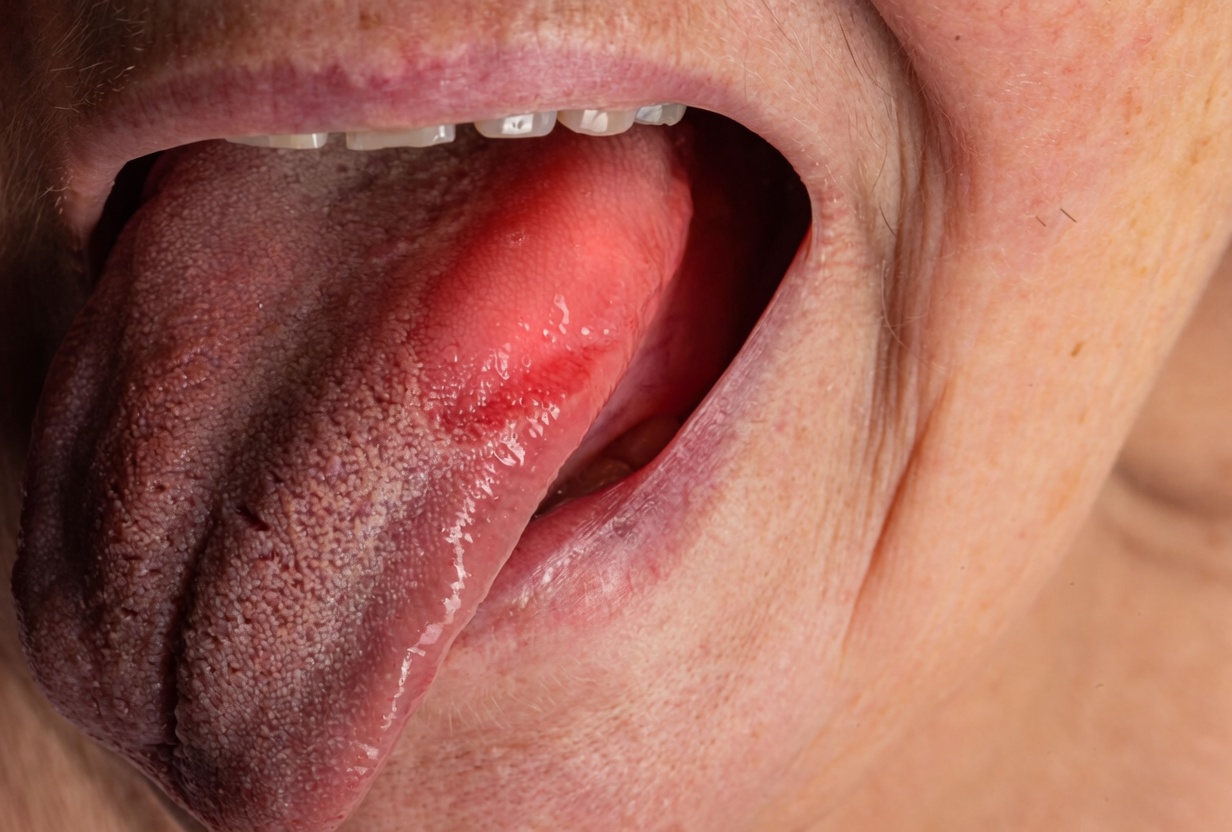
A less well-known symptom of vitamin B12 deficiency is glossitis—inflammation of the tongue.
It can appear as:
- A red, swollen tongue
- Pain or tenderness in the tongue
- Changes in taste or discomfort when eating
This symptom may also be accompanied by mouth sores or a burning sensation in the mouth.
9. Cold Sensation or Poor Circulation in the Feet
Many individuals with low B12 levels report:
- Cold feet, even in warm environments
- A feeling of poor circulation or heaviness in the lower limbs
These sensations are often linked to the impact of vitamin B12 deficiency on nerves and blood health.
Conclusion: Who Is at Higher Risk and What to Do
Vitamin B12 deficiency can affect the nervous system, blood, and brain, so recognizing the early signs is important to prevent long-term damage.
People at higher risk of vitamin B12 deficiency include:
- Older adults
- Those following very low-animal-product or vegan diets without proper supplementation
- Individuals with digestive or absorption problems (such as certain stomach or intestinal conditions)

If you notice persistent symptoms like those described above, it is advisable to:
- Consult a healthcare professional
- Request blood tests to check your vitamin B12 levels
- Discuss appropriate treatment, which may include dietary changes, supplements, or injections
Early detection and treatment can help restore normal vitamin B12 levels and prevent serious complications.