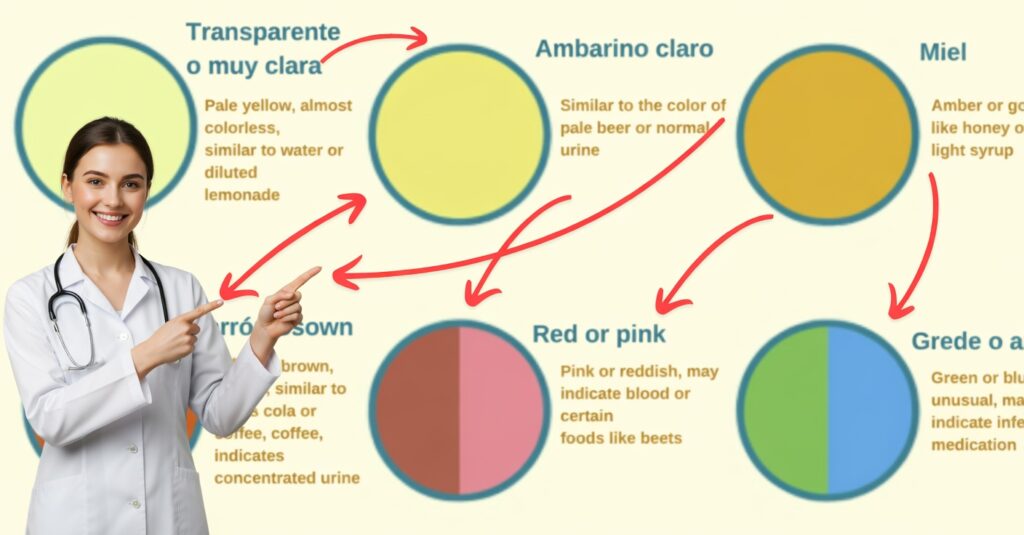
Urine Colors: What They Say About Your Health
Paying attention to the color of your urine is a simple way to spot possible changes in your health. Some color variations are completely normal, while others can signal dehydration or even more serious conditions that require medical attention. Stay well hydrated, eat a natural, balanced diet, and listen to the signs your body sends you. If something unusual persists, always speak with a healthcare professional.
The human body has many ways to communicate when something is off, and one of the most visible—but often overlooked—signals is urine color. This everyday detail can hint at how hydrated you are, whether your kidneys are working properly, or if there might be an underlying issue that needs attention.
Below you’ll find a practical urine color guide, what each shade might mean, and gentle natural drink ideas that can support your health at home. These are not treatments, but complementary options to accompany a healthy lifestyle.
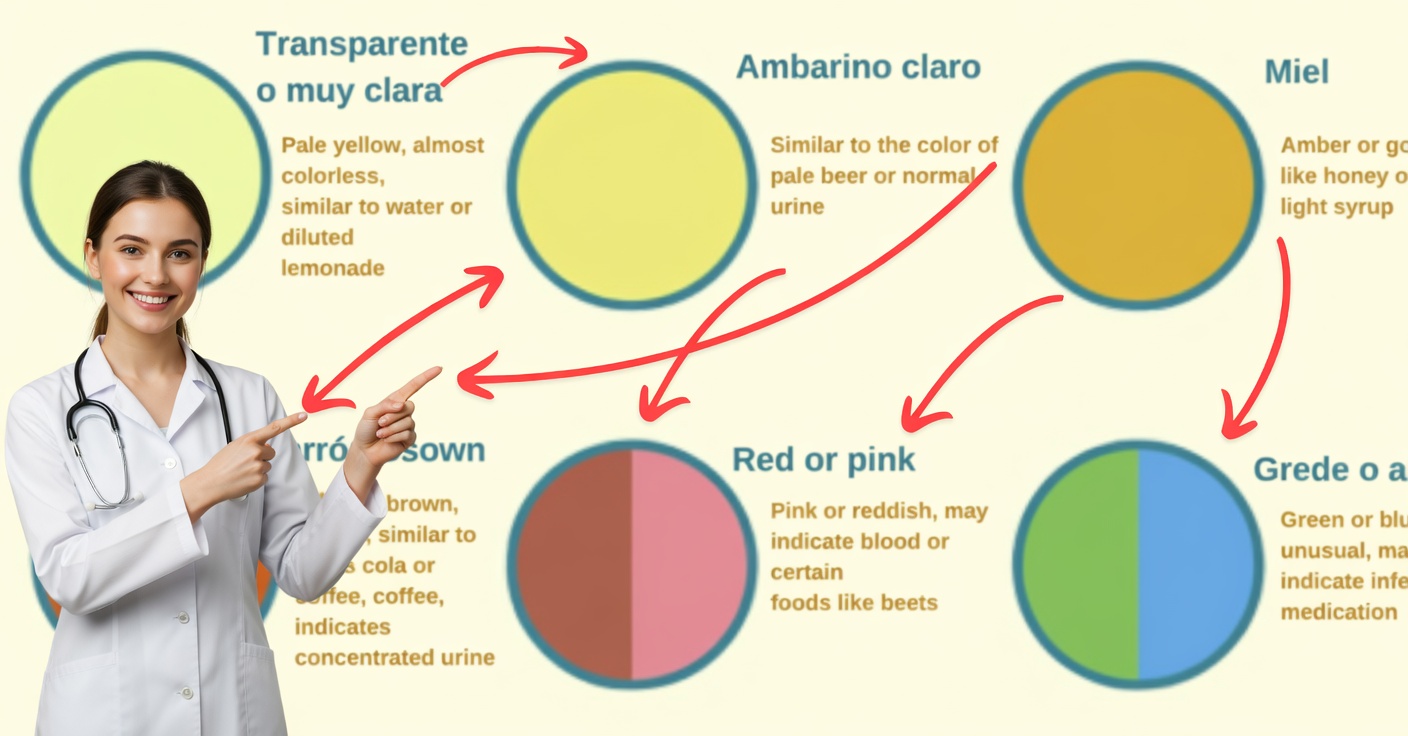
1. Completely Clear Urine
What it may mean: You are likely drinking a lot of water.
While staying hydrated is essential, very clear urine all the time can suggest that you’re flushing out too many electrolytes and minerals.
Recommendation: If you are regularly drinking more than about 3 liters (over 100 oz) of water a day without needing it (for example, without intense exercise or high heat), consider slightly reducing your intake.
Suggested natural drink: Coconut water with lemon and sea salt
- 1 glass of natural coconut water
- Juice of ½ lemon
- A small pinch of sea salt
This combination helps rehydrate while naturally replacing electrolytes.
2. Pale Yellow or Light Straw Color
What it may mean: Optimal hydration.
This is considered the ideal urine color for most people. It usually indicates good hydration and normal kidney function.
Suggested refreshing infusion: Cucumber, mint, and lemon water
- 1 liter of water
- ½ cucumber, sliced
- 5 fresh mint leaves
- 1 lemon, sliced
Let it sit in the refrigerator for about 2 hours, then sip throughout the day to maintain hydration.
3. Normal Yellow
What it may mean: Generally healthy status.
This shade of yellow typically reflects a good balance between fluid intake and kidney function.
Tip: Continue drinking water regularly and include fresh, water-rich foods in your meals.
Supportive drink: Horsetail tea
Horsetail (Equisetum) tea is traditionally used to support kidney function and help the body eliminate toxins. Always check with a professional before using herbal remedies long term.
4. Dark Yellow, Amber, or Honey Color
What it may mean: Mild dehydration.
When your urine turns a deeper yellow or amber, your body is likely asking for more fluids. This can also be common in hot climates or after heavy sweating.
Recommended natural drink: Mineral-rich fruit water
- 1 liter of water
- Slices of orange, lemon, and cucumber
- 1 tablespoon of raw honey
Stir well and drink over the course of the day to rehydrate and lightly replenish minerals.
5. Dark Brown or Syrup-Like Urine
What it may mean: Possible liver issues or severe dehydration.
Very dark brown urine can be associated with an excess of bilirubin, certain liver diseases, or the effect of specific medications and supplements. It can also appear with serious dehydration.
Warning: If this color appears repeatedly or is accompanied by other symptoms (such as yellowing of the skin or eyes, fatigue, abdominal pain), seek medical attention promptly.
Liver-supportive tea: Boldo and dandelion infusion
- 1 teaspoon dried boldo leaves
- 1 teaspoon dried dandelion
- 1 cup of hot water
Let steep for 10 minutes. Drink on an empty stomach for up to 7 days, unless your healthcare provider advises otherwise.
6. Red or Pink Urine
What it may mean: Possible blood in the urine (hematuria).
Red or pink urine can be alarming. Sometimes the cause is harmless, such as eating beets, blackberries, or blueberries. However, if the color is not related to food or medication, it may indicate:
- Urinary tract infection
- Kidney stones
- Prostate or kidney issues
- Other urological conditions
Important: Do not ignore persistent red or pink urine. Get evaluated by a doctor as soon as possible.
Kidney-cleansing drink: Parsley water
- 1 bunch of fresh parsley
- 1 liter of water
Boil the parsley in the water for about 10 minutes, let it cool, strain, and drink during the day. This traditional remedy is often used to support kidney and urinary health, but it is not a substitute for medical care.
7. Green or Blue Urine
What it may mean: Rarely natural.
Green or blue urine is unusual. Possible causes include:
- Certain bacterial infections (such as those caused by Pseudomonas)
- Artificial food dyes
- Specific medications or medical dyes
Advice: This is not considered a normal urine color. If it appears without a clear explanation from food or medication, consult a healthcare professional.
Urinary tract support: Cleansing green juice
- 2 stalks of celery
- 1 green apple
- Juice of 1 lemon
- Water, as needed for blending
Blend all ingredients with cold water until smooth and drink on an empty stomach. This juice can be part of a diet that supports urinary tract health.
8. Foamy or Persistently Bubbly Urine
What it may mean: Possible excess protein in the urine.
Occasional bubbles are usually normal, especially if you urinate forcefully. However, urine that remains very foamy or bubbly over time may suggest proteinuria, a potential early sign of kidney disease.
If this happens frequently, it is important to speak with a healthcare provider for proper testing.
Kidney-protective drink: Hibiscus (roselle) infusion
- 1 cup of hot water
- 1 tablespoon dried hibiscus flowers (flor de Jamaica)
- Juice of ½ lemon
Let steep, then drink warm or chilled up to twice a week, unless advised otherwise by your doctor. Hibiscus is often used to support cardiovascular and kidney health.
Tips for Maintaining Healthy Urine
- Drink about 6–8 glasses of water a day, or more if you live in a hot climate or exercise intensely.
- Limit sugary beverages and drinks with artificial colors.
- Eat plenty of water-rich fruits and vegetables such as watermelon, cantaloupe, pineapple, and cucumber.
- Exercise regularly and allow your body to sweat naturally.
- Avoid holding in your urine for long periods.
- Take a moment to look at your urine at least once a day to notice any sudden changes in color, smell, or appearance.
Recommended Reading
- Body Signals You Should Never Ignore
- Health Indicators: 20 Keys to Improve Them with Natural Remedies
Conclusion
Monitoring your urine color is a simple daily habit that can help you notice important changes in your health. While many color variations are harmless and related to hydration, diet, or medications, some shades can be early warning signs that deserve medical attention.
Keep yourself well hydrated, follow a natural and balanced diet, and respect the messages your body sends. If an unusual color or symptom persists, always consult a healthcare professional.
Important Notice:
This article is for informational and educational purposes only and does not replace professional medical advice, diagnosis, or treatment. If you experience severe, unusual, or persistent symptoms, seek guidance from a qualified healthcare provider.