
When Knee Stiffness Starts to Affect Everyday Life
This kind of moment happens far more often than many older adults openly admit. You get up after sitting through a television program, and your knee feels tight and unsteady, as if it is no longer fully yours. Perhaps a grandchild notices you reaching for the table to steady yourself, and that small gesture brings a wave of discomfort or embarrassment.
Across Mexico, many people in their 60s and 70s quietly face this every day. The discomfort often appears gradually. Over time, ordinary tasks such as walking to the market, standing for longer periods, or climbing stairs may begin to feel more difficult than they once did.
The encouraging news is that simple everyday habits can help support joint comfort and movement. One traditional kitchen staple that has recently attracted attention is coconut oil. Still, there is an important fact that many viral claims ignore, and knowing it may help you make better decisions for your joint health.

Why Joint Comfort Often Changes With Age
As the body ages, natural physical changes begin to appear. For many people, the knees are one of the first places where these changes become noticeable.
Inside each joint is a smooth protective tissue called cartilage. Its function is essential: it allows the bones to move against each other more smoothly. Over the years, regular wear, body weight, lower physical activity, and other factors can gradually reduce how effectively this cushioning works.
Studies in areas such as orthopedics and nutrition science suggest that joint comfort is shaped by multiple lifestyle influences.
Common factors include:
- Limited daily movement
- Diets low in anti-inflammatory foods
- Reduced muscle mass around the knees
- Extended periods of sitting
- Excess body weight increasing pressure on joints
The most important point is this: joint health is almost never determined by a single food.
Instead, it reflects a long-term pattern of habits that help support mobility, circulation, muscle strength, and tissue maintenance.
Even so, some foods may contribute to a lifestyle that is more supportive of joint comfort. Coconut oil is one ingredient that many people are increasingly curious about.
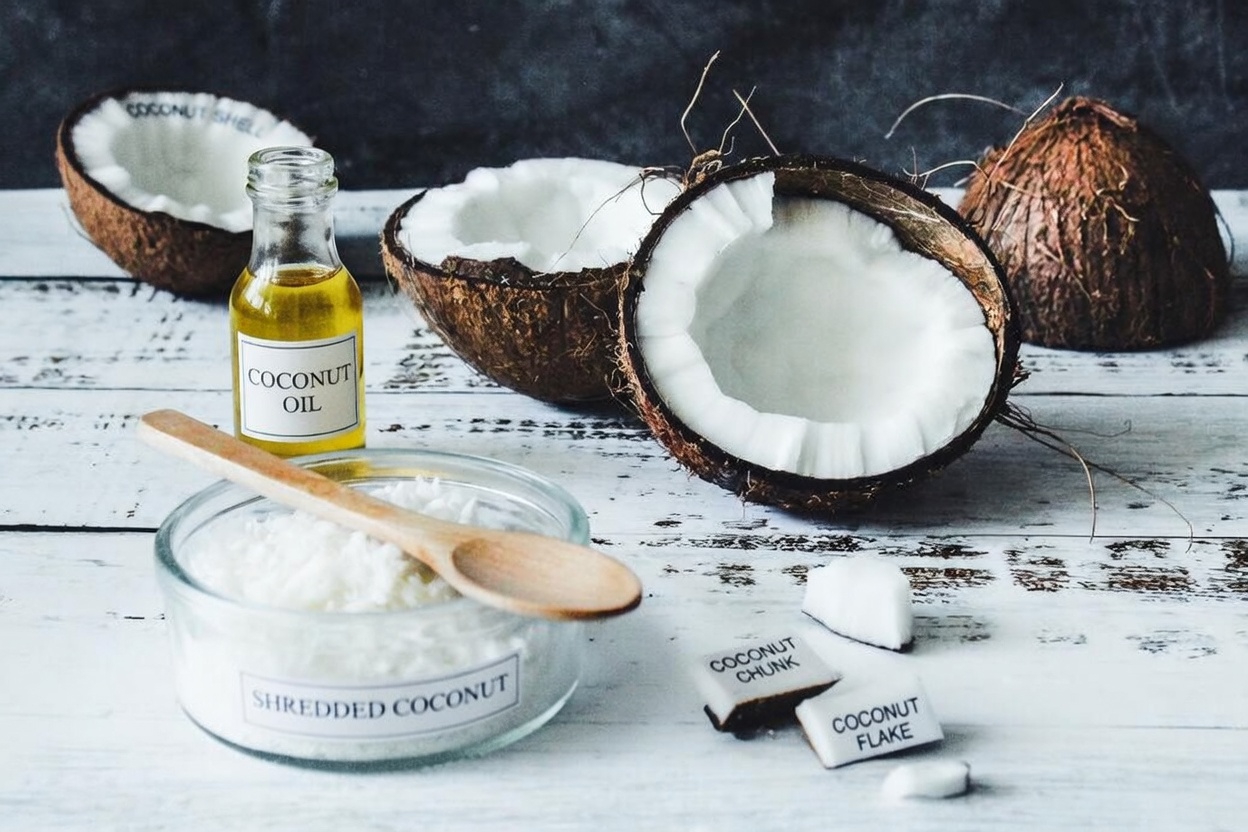
Coconut Oil: What Research Really Suggests
Coconut oil has long been part of cooking traditions in many tropical regions. In recent years, it has also become a popular topic in wellness conversations.
Why is it being linked to joint health?
The answer comes from its nutritional makeup.
Coconut oil contains medium-chain fatty acids, including lauric acid. Research in nutritional biochemistry indicates that these fats may help support metabolic balance and may play a role in reducing certain inflammatory processes in the body.
Because inflammation can influence how joints feel, this connection has drawn interest.
However, one clarification is essential.
There is no trustworthy scientific evidence proving that a single food can rebuild cartilage in 24 hours.
That type of claim spreads easily on social media, but it reduces a complex biological process to an unrealistic promise.
That said, coconut oil may still have a place in a healthy routine for several reasons:
- It provides a stable fat for cooking
- It may support balanced energy use in the body
- It fits naturally into many traditional meals
- It can be used in place of highly processed cooking oils
For many people, the real benefit starts not with a miracle ingredient, but with replacing ultra-processed foods with simpler, more natural options.
Still, coconut oil is only one part of a much bigger picture.

Daily Habits That Make the Biggest Difference for Knee Mobility
One message older adults do not hear often enough is that joints usually respond more to daily routines than to isolated foods.
Research on healthy aging and mobility repeatedly highlights several habits that support better movement and comfort over time.
These include:
- Gentle movement on a regular basis
- A balanced diet rich in plant-based foods
- Maintaining a healthy body weight
- Drinking enough water
- Building and preserving muscle strength around the knees
Here is a simple comparison of how everyday choices can affect joint comfort:
Daily Habit and Its Possible Effect
| Daily Habit | Effect on Joint Comfort |
|---|---|
| Regular walking | Helps support circulation and maintain mobility |
| Strength exercises | Builds muscles that help stabilize the knee |
| Natural cooking oils | Can support a more balanced overall diet |
| Long hours of sitting | May lead to more stiffness over time |
| Highly processed foods | May contribute to inflammatory processes |
What stands out is that none of these strategies are extreme.
They are small, realistic actions that can fit naturally into everyday life, including in households across Mexico. And that is exactly why they matter: consistency is often more powerful than intensity.

A Practical Way to Use Coconut Oil in a Balanced Lifestyle
If you want to try coconut oil, the smartest approach is to include it as one element of a healthy routine rather than expecting immediate dramatic results.
A simple approach often recommended by nutrition professionals includes the following steps:
-
Use small amounts for cooking.
Replace heavily refined oils with modest portions of coconut oil when appropriate. -
Pair it with nutrient-rich foods.
Build meals around foods that support overall health, such as:- Beans
- Vegetables
- Avocado
- Whole grains
- Seeds and nuts
-
Stay physically active every day.
Even a 20-minute walk can help support joint movement and reduce stiffness. -
Strengthen the legs.
Easy activities like chair stands, gentle stretching, or light strengthening exercises may help improve knee stability. -
Pay attention to persistent discomfort.
If pain or stiffness continues, the safest step is to speak with a qualified healthcare professional.
A key reminder is worth repeating: healthy joints are rarely the result of one “miracle” food. They are usually the outcome of steady care practiced over time.
Final Thoughts
Many older adults are looking for simple, realistic ways to stay mobile and independent. Coconut oil is a natural ingredient that can be included in a balanced diet, but it is not a shortcut or a cure.
The strongest support for joint comfort usually comes from a combination of habits: regular movement, nourishing meals, a healthy body weight, good hydration, and strong muscles.
Often, the changes that matter most are not dramatic. They are the small routines repeated day after day in the kitchen, during a walk, or while preparing food for the family.
Over the years, those consistent choices can make a meaningful difference.
Frequently Asked Questions
Can coconut oil quickly rebuild knee cartilage?
No. There is no reliable scientific evidence showing that any food can restore cartilage within a single day. Cartilage health depends on long-term factors such as nutrition, movement, body weight, and overall lifestyle.
Is it safe to consume coconut oil every day?
In moderate amounts, coconut oil can be part of a balanced diet. Most nutrition guidance suggests using it in small portions along with other healthy fat sources.
What is one of the best habits for keeping knees comfortable with age?
Regular gentle movement is one of the most effective habits. Walking, stretching, and simple strengthening exercises can help maintain mobility and support the muscles around the knee.
Medical Disclaimer
This article is intended for educational purposes only and should not be considered medical advice. Always consult a qualified healthcare professional for personal health concerns or before making major changes to your diet or lifestyle.