
Cherimoya: A Creamy, Antioxidant-Rich Fruit for Healthy Aging
As the years pass, many older adults focus more on maintaining steady energy, supporting the body’s natural defenses against daily stress, and keeping inflammation under control. One quiet yet powerful factor behind fatigue and declining vitality is oxidative stress caused by free radicals. This makes nutrient-dense, antioxidant-rich foods increasingly important for seniors who want to feel their best.
At the same time, it can be hard to find new, enjoyable options beyond the usual berries, apples, or leafy greens. Cherimoya—a tropical fruit with a silky, custard-like texture and a naturally sweet flavor blending notes of pineapple, banana, and pear—offers a delicious way to increase antioxidant intake through whole foods.

Beyond taste, emerging research suggests cherimoya’s unique nutrient profile may fit well into supportive eating patterns for older adults. Below, you’ll find practical, senior-friendly strategies to use cherimoya and other antioxidant-focused foods, plus easy tips to turn them into simple daily habits.
Why Antioxidants Matter More as We Grow Older
Scientific studies indicate that diets rich in antioxidants from fruits and vegetables help counteract oxidative stress, a process closely tied to how we age. For seniors, this can mean better protection for cells, more consistent energy, and greater overall resilience.
Common choices like blueberries and strawberries are excellent, but widening the variety—especially with tropical fruits—introduces a broader spectrum of beneficial plant compounds that may complement each other.
Cherimoya is a standout in this category. Nutritional analyses and laboratory research show it contains:
- High levels of vitamin C
- Carotenoids, including lutein
- Flavonoids
- Other polyphenols
Together, these contribute to its strong antioxidant activity and potential support for healthy aging.
1. Prioritize Whole Cherimoya for Fiber and Full Nutrition
Eating fruit in its whole form preserves fiber, which helps slow the release of natural sugars into the bloodstream. This supports more stable energy—a key concern as blood sugar balance often becomes more important with age.
How to enjoy it:
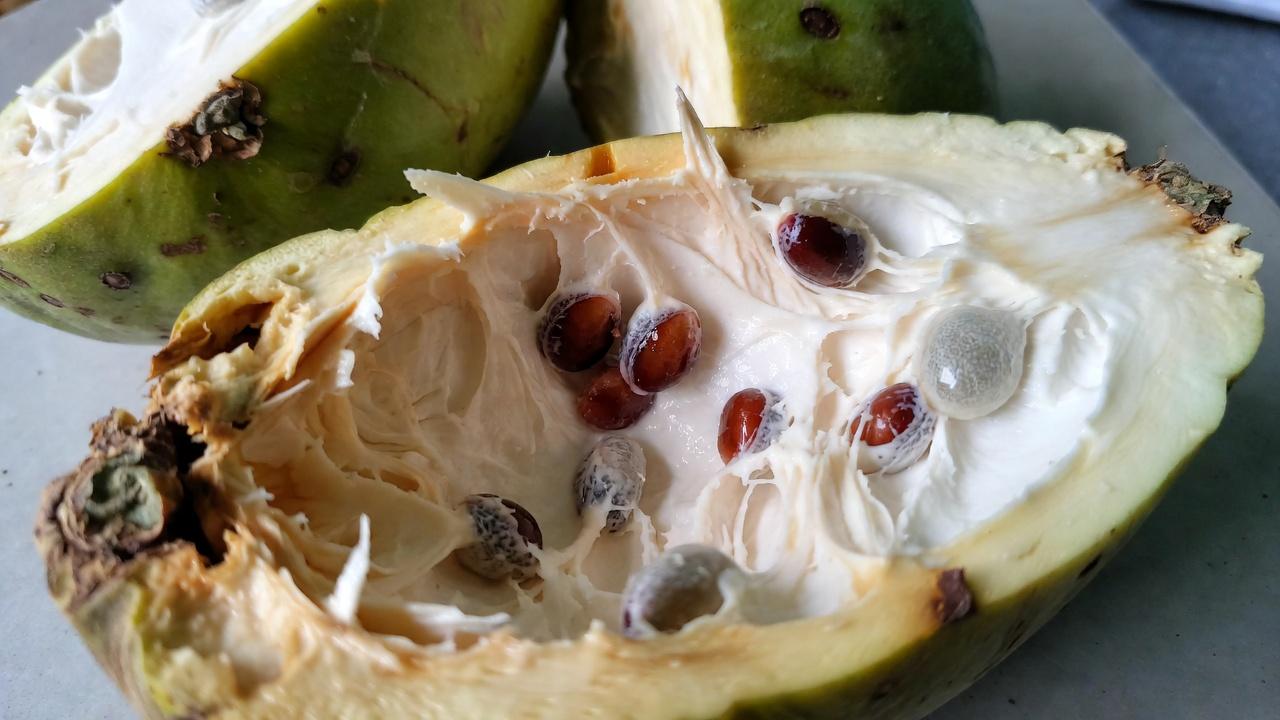
- Select a ripe cherimoya: it should give slightly when pressed gently in your palm, similar to a ripe avocado.
- Slice it in half lengthwise.
- Scoop out the creamy flesh with a spoon.
- Discard the large black seeds—they are not edible.
- Eat it plain or add a squeeze of lime for a bright, refreshing twist.
Many seniors find they feel more satisfied and experience fewer energy dips when they swap processed snacks for whole fruits like cherimoya.
2. Pair Cherimoya with Healthy Fats to Enhance Absorption
Certain antioxidants, especially carotenoids, are fat-soluble. They are better absorbed when eaten along with healthy dietary fats.
Simple pairing ideas:
- Spoon cherimoya over plain Greek yogurt.
- Sprinkle with chopped nuts such as walnuts, almonds, or pistachios.
- Add a few chia or flax seeds for extra omega-3s.
Research on carotenoid-rich foods shows that combining them with fat can improve the body’s ability to utilize these nutrients.
3. Add Cherimoya to Your Morning Routine for a Gentle Start
Beginning the day with antioxidant-rich foods can help set a positive tone for energy and well-being.
Smoothie suggestion:
Blend together:
- Ripe cherimoya flesh (seeds removed)
- A small banana
- A handful of spinach
- Unsweetened almond milk (or your preferred milk)
Cherimoya’s natural sweetness often means you can skip added sugars or syrups. Many older adults report that starting the day with a light, fruit-and-vegetable smoothie helps them feel more focused, with easier digestion compared to heavier breakfasts.
4. Enjoy Cherimoya as a Dessert-Like, Guilt-Conscious Treat
If you crave something that feels indulgent but still aligns with a supportive eating pattern, cherimoya is an excellent option. Its texture is similar to custard or pudding, making it feel like a dessert without added cream or refined sugar.
Try this:
- Chill ripe cherimoya halves in the refrigerator.
- When cold, eat them directly from the skin with a spoon.
- Keep portion sizes moderate to be mindful of natural sugars.
In addition to its satisfying taste, cherimoya provides vitamin C, potassium, and other nutrients that support overall health.
5. Rotate Other Antioxidant-Rich Tropical Fruits
Variety keeps eating enjoyable and helps cover a wider range of beneficial compounds. Rotating tropical fruits with cherimoya prevents boredom while broadening your nutrient intake.
Easy swaps to consider:
- Cherimoya → for creamy texture, lutein, and diverse polyphenols
- Mango → for a beta-carotene (vitamin A precursor) boost
- Papaya → for digestive enzymes like papain and extra vitamin C
- Pineapple → for bromelain and potential anti-inflammatory support
Alternate these fruits throughout the week to keep your antioxidant intake both consistent and varied.
6. Ripen Cherimoya Correctly to Maximize Flavor and Benefits
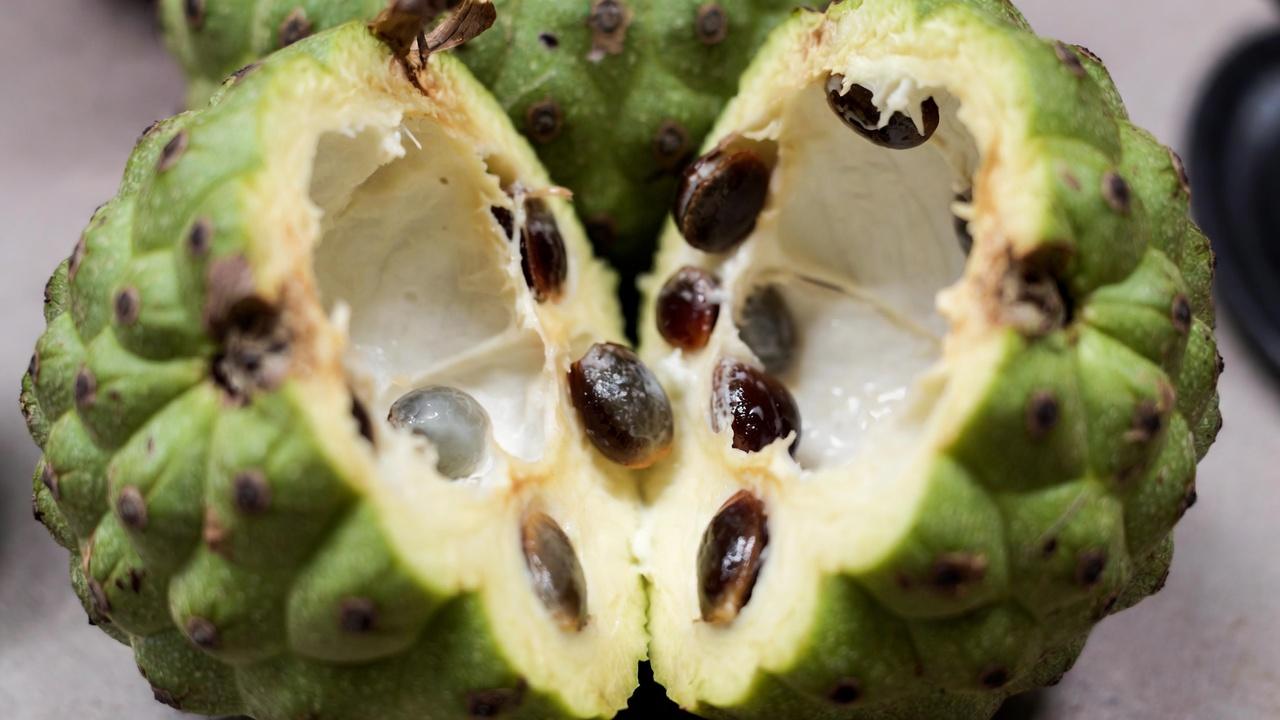
Cherimoya needs proper ripening for best taste and texture—as well as the most enjoyable eating experience.
Ripening guide:
- Leave firm cherimoya at room temperature for about 2–4 days.
- It is ready to eat when it feels soft under gentle pressure, similar to a ripe pear.
- Once ripe, store it in the refrigerator to slow further softening, usually for 3–5 days.
- Handle carefully to avoid bruising, which can affect both flavor and appearance.
Correct ripening ensures you enjoy the fruit at its peak sweetness and creaminess.
7. Combine Cherimoya with Cooked Tomatoes for Broader Antioxidant Support
Tomatoes are rich in lycopene, an antioxidant that becomes more available to the body when tomatoes are cooked. Pairing cooked tomatoes with cherimoya can provide a broader range of protective compounds.
Idea to try:
- Prepare a simple salsa or relish:
- Diced cooked tomatoes
- Finely chopped onion
- Fresh cilantro
- Small cubes of cherimoya for sweetness
Serve this as a topping for grilled fish or chicken, or enjoy it as a side dish. The combination of different plant compounds may help support overall cellular health.
8. Choose Whole-Food Snacks Over Processed Options
Processed snacks often come with added saturated fats, sodium, and refined sugars. Replacing them with whole or minimally processed foods can feel lighter on digestion and more supportive of long-term health.
Comparison examples:
| Processed Option | Potential Drawback | More Supportive Alternative |
|---|---|---|
| Packaged cheese snacks | Higher saturated fats, additives | Plain yogurt with fresh cherimoya pieces |
| Bottled fruit juices | Low in fiber, concentrated sugars | Whole cherimoya or homemade fruit blends |
| Canned fish in heavy oil | Possible oxidized fats, excess calories | Water-packed canned fish or fresh options |
Small shifts like these can gradually improve how you feel after meals and snacks.
9. Support Hydration While Enjoying More Fruit
Good hydration is essential for circulation, digestion, and nutrient transport—especially as we age. Adding gentle flavor to water can encourage you to drink more throughout the day.
Hydration tip:
- Infuse a pitcher of water with:
- Cherimoya chunks (seeds removed) or
- Citrus slices, cucumber, or fresh herbs
Let it sit in the refrigerator for a few hours, then sip regularly. Many people find lightly flavored water more appealing than plain water, which can lead to more consistent fluid intake.
10. Build Sustainable Habits One Step at a Time
Long-term dietary change is most successful when it happens gradually. Rather than trying to overhaul every meal, integrate one or two new habits at a time.
Sample weekly plan:
- Monday: Add a handful of berries to your breakfast.
- Wednesday: Include cooked tomatoes (such as tomato sauce or soup) with lunch.
- Friday: Enjoy fresh cherimoya as an afternoon snack.
- Weekend: Create a colorful tropical fruit salad with cherimoya, mango, and pineapple.
Focusing on consistency rather than perfection can lead to noticeable improvements in energy, digestion, and overall enjoyment of food over the course of weeks.
Bringing It All Together
You now have 10 practical ways to weave antioxidant support into everyday life, with cherimoya as a creamy, nutrient-dense highlight. By embracing whole fruits, pairing them with healthy fats, staying hydrated, and making small, sustainable adjustments, you can create an eating pattern that supports healthy aging and makes meals more enjoyable.
Consider starting with just one step—perhaps your first chilled cherimoya or a simple morning smoothie—and pay attention to how your body responds over time.
FAQ About Cherimoya and Senior Nutrition
What does cherimoya taste like?
Cherimoya has a rich, custard-like texture with a naturally sweet flavor reminiscent of banana, pineapple, and pear. Many people describe it as tropical, fragrant, and very refreshing.
How can I tell if cherimoya is ripe and ready to eat?
Gently squeeze the fruit in your hand. A ripe cherimoya should give slightly, similar to a ripe avocado or pear. Avoid fruits that are very hard (under-ripe) or extremely mushy (overripe). Always remove and discard the seeds before eating.
Can cherimoya be part of a balanced diet for seniors?
Yes. When enjoyed in moderation as part of a varied diet, cherimoya can fit well into a balanced eating plan for older adults. Its fiber, vitamins, minerals, and antioxidants complement other whole foods to support digestion, immune health, and overall well-being.
This material is for informational purposes only and does not replace personalized medical advice. Always consult your healthcare provider or a registered dietitian before making significant dietary changes, especially if you have existing health conditions or take prescription medications.