The Simple Jacques Pépin Trick for Perfectly Easy-to-Peel Hard-Boiled Eggs
If peeling hard-boiled eggs always turns into a battle, you’re definitely not the only one. Hard-boiled eggs are a nutritious, protein-rich staple, but getting the shell off cleanly can be surprisingly annoying. Instead of smooth, flawless eggs, you often end up with torn whites and tiny shell fragments everywhere.
French celebrity chef Jacques Pépin has a wonderfully simple technique that can put an end to that frustration—and once you try it, you may never cook eggs the same way again.
Why Hard-Boiled Eggs Are So Hard to Peel
One of the most common problems with hard-boiled eggs is that the shell clings tightly to the egg white. As you peel, chunks of white often come off with the shell, leaving the egg pitted and ragged.
This usually happens because of the air pocket inside the egg. At the wider end of every egg, there’s a small air space between the shell and the inner membrane. As the egg cooks, that trapped air can expand and press the membrane tightly against the egg white, making the shell difficult to remove cleanly.
Jacques Pépin’s Easy-Peel Egg Secret
Jacques Pépin’s solution is brilliantly simple:
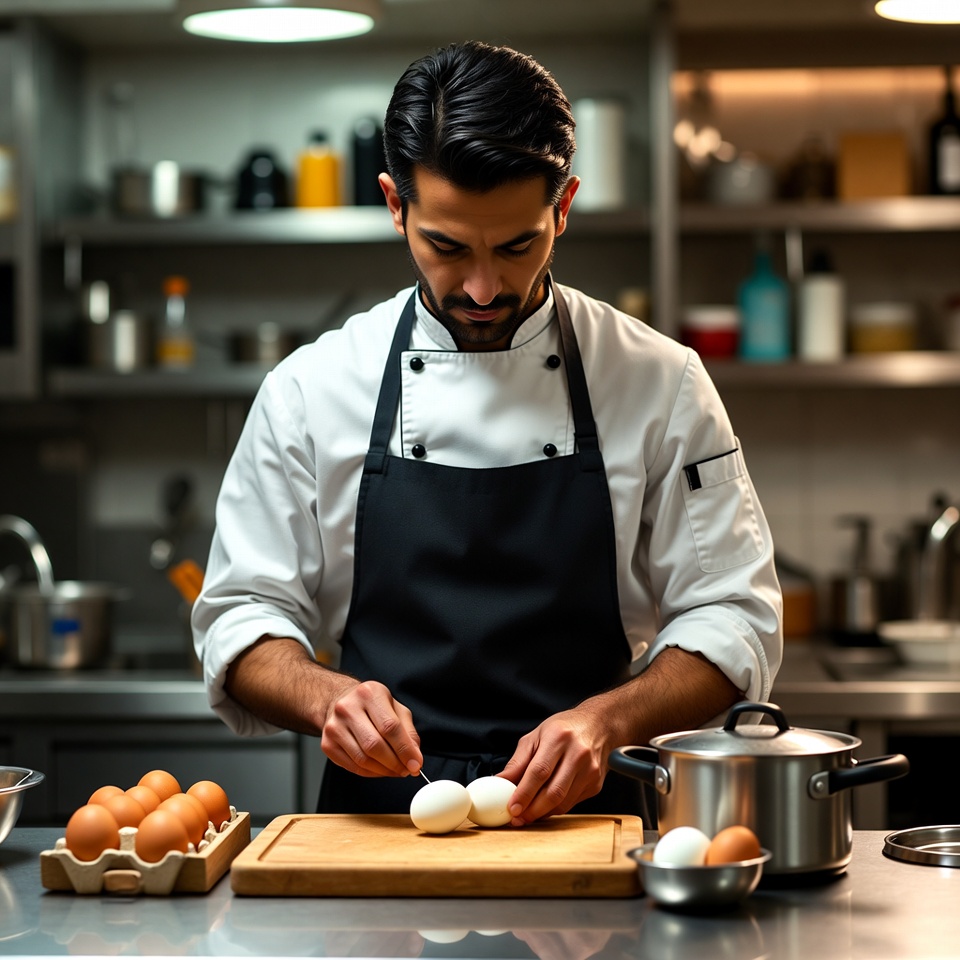
Before cooking, poke a tiny hole in the wide (broad) end of the eggshell.
That’s it. This small tweak dramatically improves how easily your eggs peel. When you pierce the shell on the broad end, you give the trapped air a way to escape as the egg cooks. Without that pressure, the membrane and the egg white separate more cleanly from the shell.
The result? When the egg is fully cooked and cooled, the shell practically slips off, leaving a smooth, intact white.
How to Make the Tiny Hole (Without Cracking the Egg)
You don’t need any special gadgets to try this method. A basic household item is enough:
- A sewing pin
- A thumbtack
- A small needle
Step-by-step:
-
Hold the egg firmly
Place the egg in your hand with the broad end facing up. This is where the air pocket sits. -
Pierce the shell gently
Using a pin or thumbtack, carefully poke a very small hole in the broad end of the shell.- Apply steady, gentle pressure.
- You only need to penetrate the shell, not stab deeply into the egg.
-
Keep the hole small
The hole should be just large enough to allow air to escape, not so big that the egg white leaks out. A tiny pinprick is perfect.
Once the hole is made, your eggs are ready to cook.
Cooking Hard-Boiled Eggs with the Jacques Pépin Method
After piercing the shells, you can cook the eggs much like you normally would. Here’s a simple approach:
-
Bring water to a boil
Fill a saucepan with enough water to cover the eggs by about an inch and bring it to a rolling boil. -
Gently lower the eggs into the water
Place the pierced eggs into the boiling water with a spoon or ladle to avoid cracking. -
Cook to your preferred doneness
- For classic hard-boiled eggs: cook for about 9–12 minutes, depending on size and desired firmness.
-
Cool the eggs
Transfer the cooked eggs to a bowl of ice water or run them under cold water for several minutes. This stops the cooking and helps loosen the shell even more. -
Peel with ease
Once cool, crack the shell and peel. With the air pocket released during cooking, the shell should come off in larger pieces with minimal sticking.
Why This Trick Works So Well
This method improves peeling for two main reasons:
- Released air pocket: The pinhole allows air to escape as the egg heats, preventing the membrane from bonding tightly to the white.
- Cleaner separation: With less pressure inside, the egg white detaches more easily from the shell and membrane, so you get a smoother peel.
Many people find that with this technique, the egg almost “slides” out of its shell once started.
Who Can Use This Technique?
The beauty of Jacques Pépin’s trick is its simplicity:
- It requires no special equipment beyond a pin or tack.
- It works whether you’re a beginner cook or a seasoned home chef.
- It’s ideal for busy mornings, meal prep, or making large batches of hard-boiled eggs for salads, snacks, and breakfast.
If you’re making deviled eggs, egg salad, or any dish where appearance matters, this method is especially helpful—your eggs will look smooth, neat, and professional.
Transform Your Hard-Boiled Egg Routine
Imagine peeling a dozen eggs without losing chunks of white or dealing with stubborn shell fragments. With Jacques Pépin’s easy trick, that’s entirely possible:
- No more shredded egg whites
- No more endless picking at tiny shell bits
- Consistently smooth, attractive eggs every time
This small change in your cooking technique can make a surprisingly big difference, saving you time and frustration while giving you better-looking results.
The Takeaway: A Tiny Hole, A Big Improvement
The next time you’re dreading peeling hard-boiled eggs, remember Jacques Pépin’s simple method:
Pierce a tiny hole in the broad end of the eggshell before boiling.
That one small step allows the air pocket to escape, making peeling fast, clean, and almost effortless. It’s a quick trick that brings professional kitchen wisdom into your everyday cooking—and once you see how well it works, you’ll likely use it every time you hard-boil eggs.