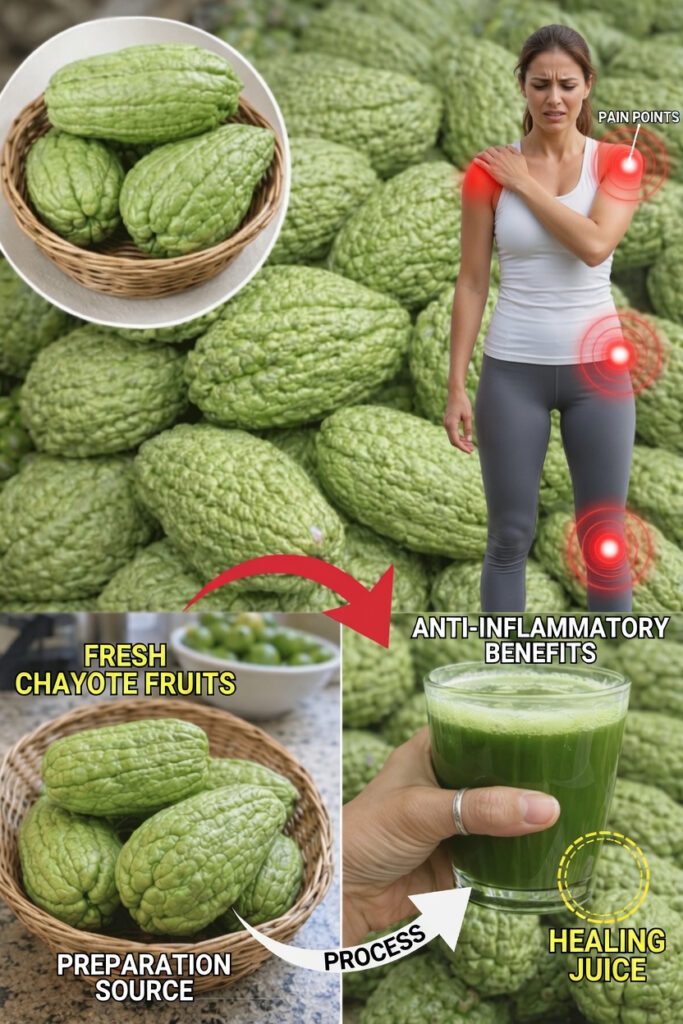
Chayote Squash Benefits: A Simple, Nutrient-Rich Vegetable for Everyday Wellness
Many people experience common day-to-day discomforts such as slight knee stiffness after a long day, mild foot swelling from prolonged standing, inconsistent blood pressure readings, or low energy that makes routine tasks feel harder than they should. These concerns often become more noticeable with age or a demanding lifestyle, gradually affecting comfort and overall well-being. The encouraging part is that a balanced diet filled with nutrient-dense foods can provide gentle support for these everyday challenges.
One often-overlooked vegetable that may help is chayote squash, also called Sechium edule. This modest produce item, commonly found in markets, offers nutrients that may support circulation, help maintain healthy blood pressure, and contribute to steady energy levels. Below, we’ll look at the nutrition of chayote, its potential wellness benefits, and easy ways to enjoy it, including a light homemade juice many people find convenient.
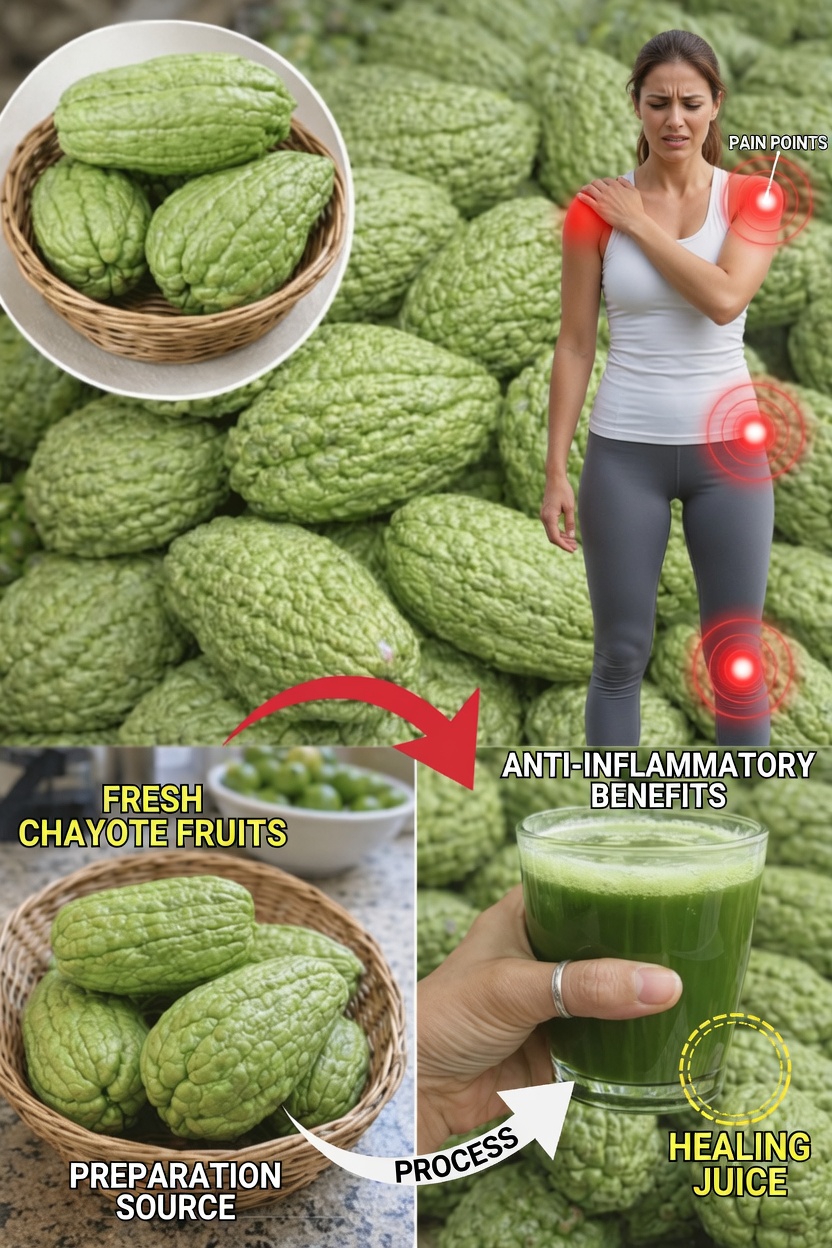
Why Chayote Squash Is Nutritionally Impressive
Chayote is a member of the squash family and is usually pear-shaped, with a mild taste and a crisp texture somewhere between cucumber and zucchini. It is especially appealing for people who want foods that are both light and nourishing. A cup of raw chayote contains only about 25 calories, making it a smart option for those aiming for nutrient density without excessive calorie intake.
Its nutrition profile is one of the reasons it stands out. Chayote is a good source of folate, an important B vitamin that supports normal cell function and overall vitality. It also supplies vitamin C, which contributes to immune health, along with minerals such as potassium, manganese, and smaller amounts of magnesium and zinc.
Another advantage is its dietary fiber, with roughly 2 grams per cup. Fiber helps support digestive regularity, adds fullness to meals, and can make healthy eating more satisfying.
Beyond vitamins and minerals, chayote contains plant-based compounds including flavonoids, phenolic acids, and other antioxidants. These natural substances continue to attract scientific interest for their role in supporting overall health.
How Chayote May Support Heart Health and Circulation
For many adults, keeping blood pressure and cholesterol within healthy ranges is an important wellness goal. Chayote may fit well into a heart-conscious eating pattern, especially because of its potassium content. Potassium helps counterbalance sodium and supports normal blood vessel function, which may contribute to maintaining healthy blood pressure when included in a diet rich in vegetables and fruits.
Some research, including studies involving older adults, suggests that regular consumption of chayote or chayote-derived preparations may be linked with improvements in certain cardiovascular markers. Its combination of fiber and antioxidants has been studied for a possible role in supporting healthier lipid levels and reducing oxidative stress.
There is also interest in chayote’s potential connection to better blood flow. Good circulation matters for everyday comfort, particularly for those who sometimes notice heaviness in the legs or minor swelling. While chayote is not a direct solution, its water content, potassium, and fiber may support healthy fluid balance and circulation when combined with movement and a generally nutritious lifestyle.
Chayote and Energy Support
Occasional tiredness can happen for many reasons, including poor sleep, stress, or nutritional gaps. Chayote may be helpful as part of a diet that supports stable energy because it provides folate and nutrients involved in healthy red blood cell production and oxygen transport.
Its low glycemic nature and fiber content may also help support steadier blood sugar responses after meals. That can be useful for avoiding the sudden dips in energy some people feel after eating. While more research is still needed, early findings suggest that chayote may contribute to better metabolic balance.
Antioxidants in Chayote: Natural Support for Cells and Comfort
Daily life exposes the body to oxidative stress, which can influence resilience, joint comfort, and general well-being. Chayote contains antioxidants such as myricetin, quercetin, and vitamin C, all of which help neutralize free radicals.
This antioxidant activity may provide gentle support for everyday joint comfort and mobility, especially in areas like the knees. In studies involving older adults with metabolic concerns, chayote intake has been associated with lower markers of inflammation and improved antioxidant status. That makes it an interesting addition for people looking for natural, food-based ways to support comfort and recovery in daily life.
Easy Ways to Add Chayote to Your Diet
Chayote is versatile and simple to prepare. Here are a few practical ways to use it:
-
Enjoy it raw in salads
Slice it thinly and combine it with lime juice, herbs, and a pinch of salt for a fresh, crunchy side dish. The peel is edible, though some prefer removing it. -
Cook it lightly
Steam, stir-fry, or add it to soups. Its mild flavor allows it to absorb seasonings well. -
Blend it into juice
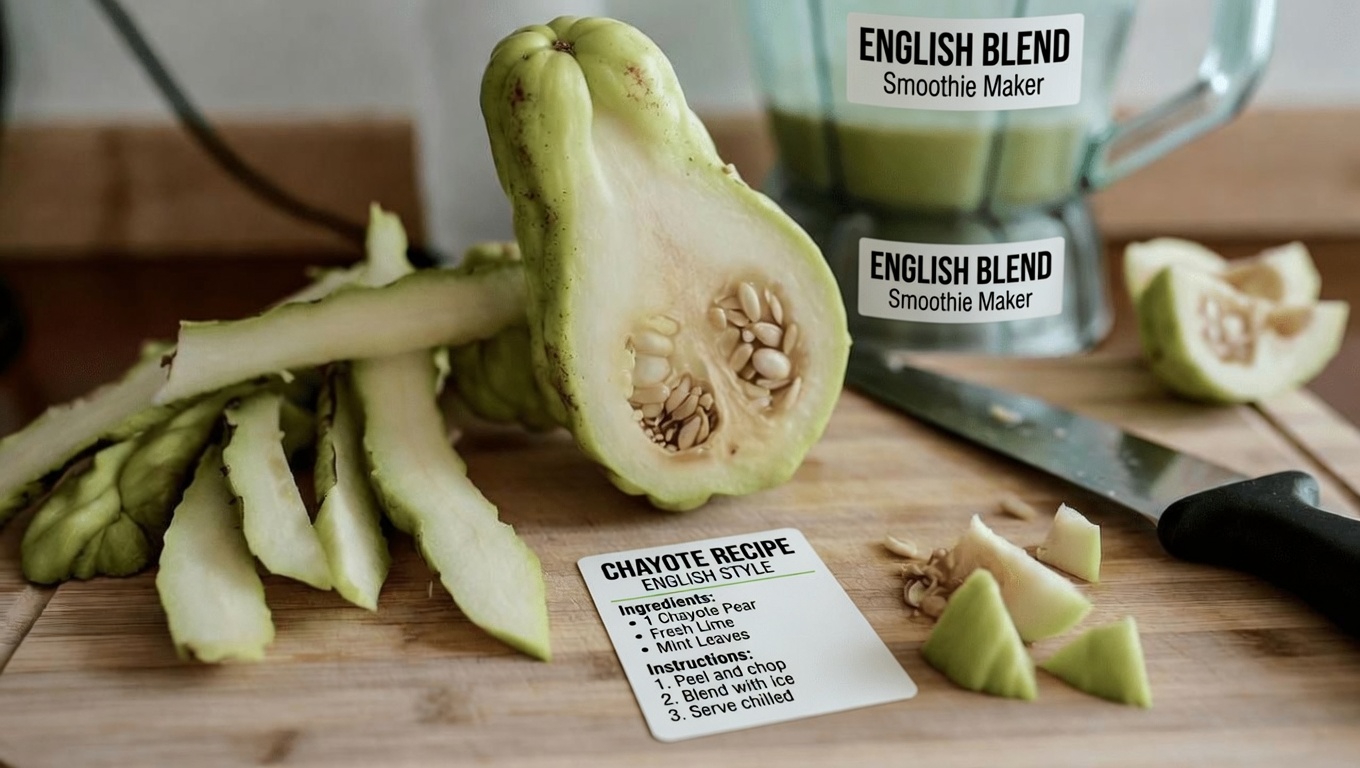
Chayote juice is a popular homemade option for those who want a quick and hydrating way to include it in their routine.
Chayote Juice Recipe: Quick and Refreshing
This simple green juice is easy to make at home and works well as a morning drink or afternoon refresher.
Ingredients
- 2 to 3 medium fresh chayote squashes
- 1 to 2 cups water
- Juice of 1/2 lemon
- Optional: a small piece of ginger
- Optional: a little cucumber for extra freshness
Instructions
- Wash the chayote thoroughly.
- Peel if desired. The skin is thin and edible, but peeling can create a smoother texture.
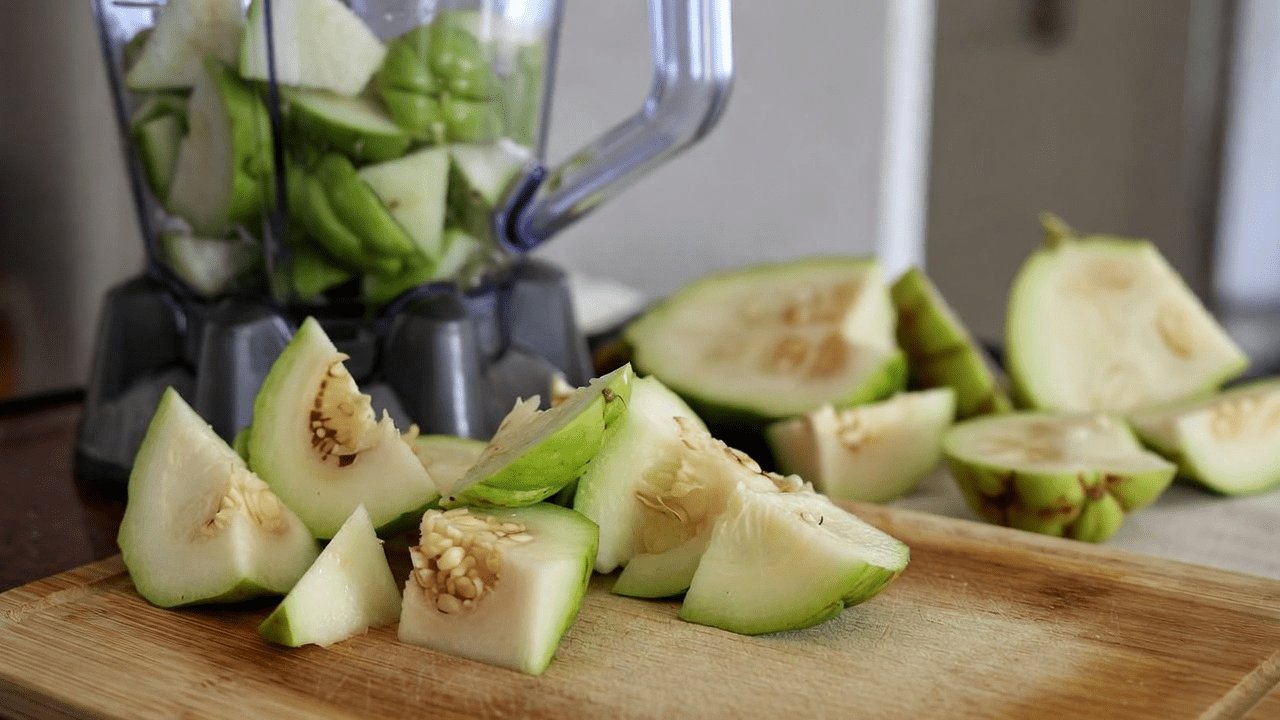
- Cut the squash into chunks. Remove the center seed if you prefer.
- Place the chayote in a blender with water, lemon juice, and any optional ingredients.
- Blend for 1 to 2 minutes until smooth.
- Strain through a fine mesh sieve if you want a clearer juice, or drink it as is for more fiber.
- Serve chilled.
It is usually best to start with a small glass and see how it fits into your routine. Since it is naturally low in sugar and high in water content, many people find it both light and refreshing.
Chayote Compared With Other Common Vegetables
Chayote is often overlooked, but it compares well with more familiar produce.
-
Chayote
- About 25 calories per cup
- Rich in folate
- Good source of potassium
- Mild, versatile flavor
-
Cucumber
- Very hydrating
- Generally lower in overall nutrient density
-
Zucchini
- Similar texture and culinary use
- Comparable in many ways, though chayote offers an advantage in folate and certain antioxidants
Because of this, chayote is a useful choice for anyone wanting more variety in a healthy diet.
Additional Everyday Benefits of Chayote
Chayote may offer more than heart and energy support. Its fiber content can help with digestive comfort and regularity. Because it is low in calories, it may also support weight management goals when used in place of heavier ingredients.
Its antioxidants may contribute to skin health as well, helping the body respond to daily environmental stress. In many cultures, chayote has long been used as a supportive food in traditional wellness practices, and modern research is now beginning to explore these uses more closely.
Final Thoughts: Small Changes Can Make a Difference
Chayote squash is a simple yet highly nutritious vegetable that deserves more attention. With potassium for heart-friendly support, fiber for digestion, and antioxidants for cellular protection, it fits naturally into a balanced lifestyle. Whether you add it to salads, cook it into meals, or try a homemade chayote juice, it can be an easy step toward better daily wellness.
FAQ
Is it safe to eat chayote every day?
Yes, chayote is generally considered safe for regular consumption as part of a varied and balanced diet. Its mild flavor and light texture make it easy to enjoy often. If you have specific health concerns, speak with a qualified healthcare professional.
Can chayote replace blood pressure or cholesterol medication?
No. Chayote is a nutritious food, not a medical treatment. It may support healthy habits, but it should not be used as a substitute for prescribed care or professional medical guidance.
How can I choose fresh chayote?
Pick chayote that feels firm, looks smooth, and has no bruises or wrinkles. Avoid squash with soft areas or damaged skin. Fresh chayote can usually be stored in the refrigerator for up to two weeks.