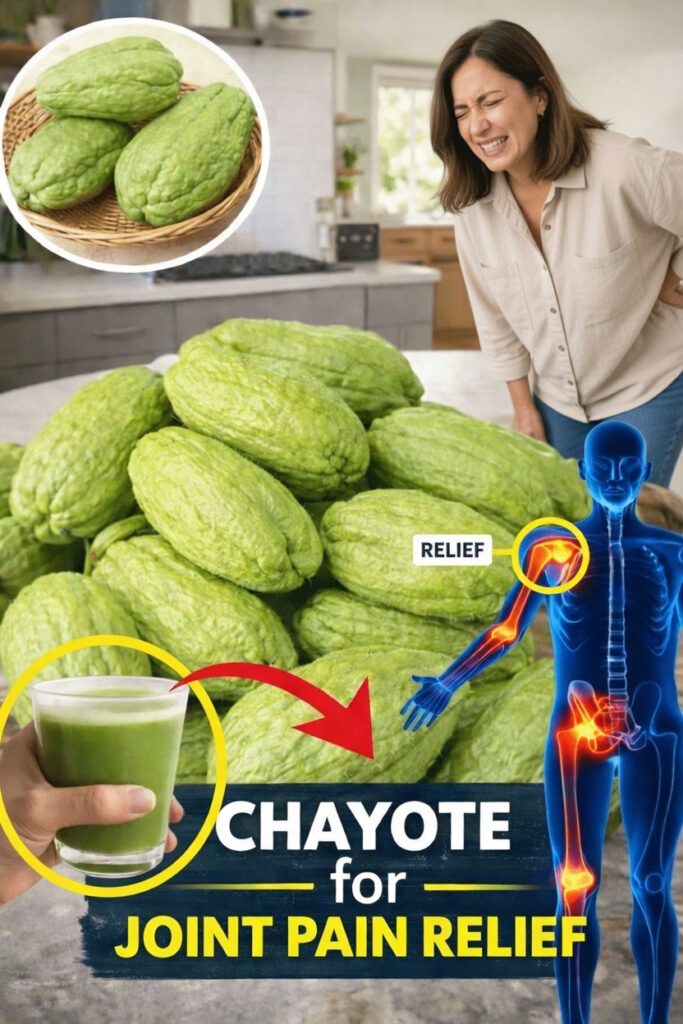
Chayote for Everyday Wellness After 50
Many adults over 50 begin to notice familiar changes: knees that ache after a brief walk, feet that feel swollen later in the day, and energy that seems to fade more quickly than it used to. These common discomforts can turn routine activities into tiring tasks and make it harder to enjoy an active lifestyle.
But there is an overlooked vegetable that may fit nicely into a healthy daily routine: chayote, also called choko or mirliton squash.
What makes it interesting is that chayote has long been used in traditional cooking, and today its nutrient content is drawing more attention from people interested in natural, food-based ways to support overall well-being.
What Is Chayote?
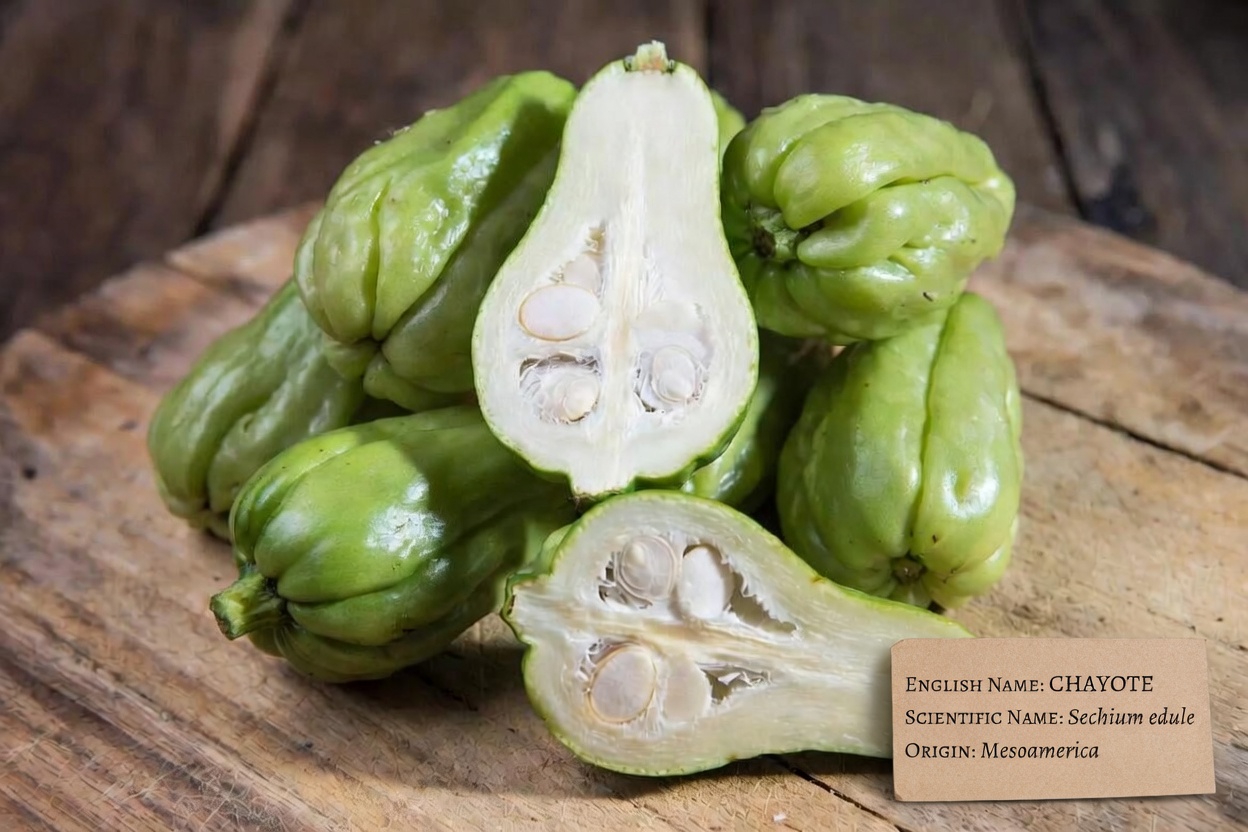
Chayote is a pale green, pear-shaped vegetable in the gourd family. Its flavor is mild with a light sweetness, and its texture is crisp, somewhat like cucumber or zucchini when raw or lightly cooked.
Because it grows well in tropical and subtropical climates, it is commonly found at affordable prices in many Asian, Caribbean, and Latin American markets. In recent years, it has become more popular among people looking for simple ingredients to include in a wellness-focused lifestyle.
So why are more people talking about it? The answer starts with its nutrition.
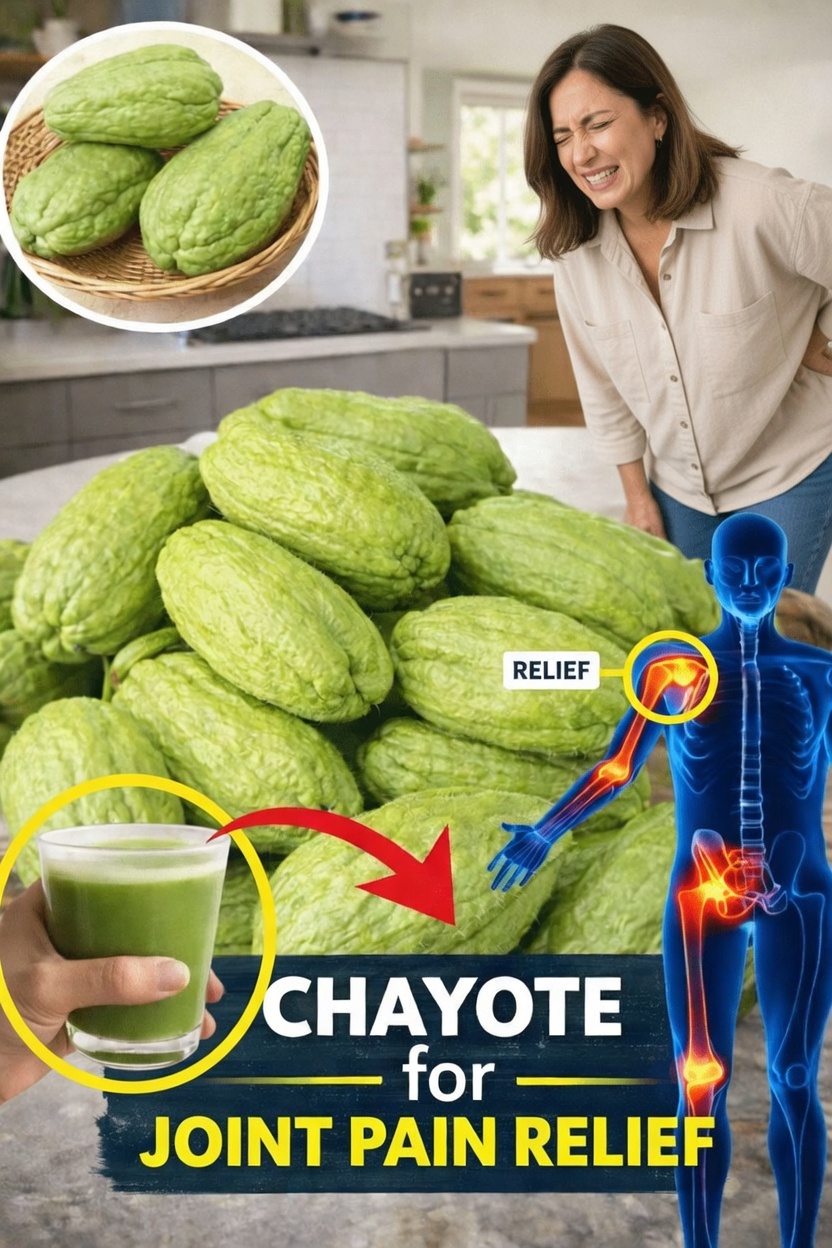
Chayote Nutrition at a Glance
Chayote is very low in calories, yet it offers hydration and several helpful nutrients. About one cup of raw chayote provides roughly:
- 20 to 25 calories
- More than 90% water
- Dietary fiber
- Vitamin C
- Vitamin K
- Several B vitamins
- Potassium, magnesium, and manganese
- Antioxidants such as flavonoids and phenolic compounds
This combination helps explain why chayote is often viewed as a light, easy-to-use vegetable for daily meals.
Vegetables rich in potassium and antioxidants may help support healthy blood pressure when included in a balanced diet. At the same time, the fiber and water in chayote can contribute to digestion and hydration, both of which are important for day-to-day comfort.
How Chayote May Help Support Joint Comfort
As the body ages, joints naturally go through more wear and tear. Many people look for gentle food choices that can help them feel more comfortable and mobile.
Chayote contains plant compounds that may support the body’s normal inflammatory response. Its high water content and potassium may also help maintain fluid balance, which can feel especially useful when ankles or feet seem puffy after long hours of standing.
Nutritional observations on similar vegetables suggest that:
- Potassium supports normal nerve and muscle function
- Antioxidants help the body respond to oxidative stress
- Hydrating foods may support tissue flexibility
Chayote is not a miracle food, but eating it regularly as part of a varied, healthy diet may provide mild support for everyday physical comfort.
Possible Benefits for Circulation and Heart Health
Healthy circulation helps maintain steady energy and supports an active life. When circulation is poor, the legs may feel heavy, cold, or tired.
Chayote is naturally low in sodium and contains potassium, a mineral often recommended as part of a heart-conscious eating pattern to help maintain blood pressure already within a normal range. Because it is rich in water and minerals, it may also have a gentle diuretic effect that can help the body manage fluid balance.
Its fiber content may also support healthy cholesterol levels when combined with other heart-friendly foods.
In addition, the antioxidants found in chayote may help protect blood vessels from everyday oxidative stress, which may contribute to better vascular comfort over time.
Chayote and Daily Energy
Low energy is a common complaint, especially when meals lack variety. Although chayote is not especially high in iron, it may still play a supportive role in energy-focused eating habits.
Its vitamin C can help the body absorb iron more effectively from other foods eaten with it. This is one reason many traditional dishes combine chayote with leafy greens, beans, or lean proteins.
Because chayote is also low in calories but high in volume and water, it can help you feel satisfied without feeling heavy. That can make healthy eating easier to maintain on a regular basis.
Easy Ways to Add Chayote to Your Routine
If you want to try chayote, getting started is simple.
Choosing Chayote
- Pick chayote that feels firm
- Avoid vegetables with major blemishes or soft spots
- Smaller chayote are often more tender
Preparation Tips
- If the skin is thin and smooth, you may not need to peel it
- Wash it well before using
- It stays pleasantly crisp when lightly steamed or stir-fried
Simple Serving Ideas
- Slice it thin and add it to salads
- Steam or boil it, then mash it like squash
- Stir-fry it with garlic and a little sesame oil
- Add it to soups or stews for a mild vegetable base
Some people also enjoy chayote as a light homemade drink or infusion in the morning or evening.
Chayote Drink Recipe for Daily Wellness
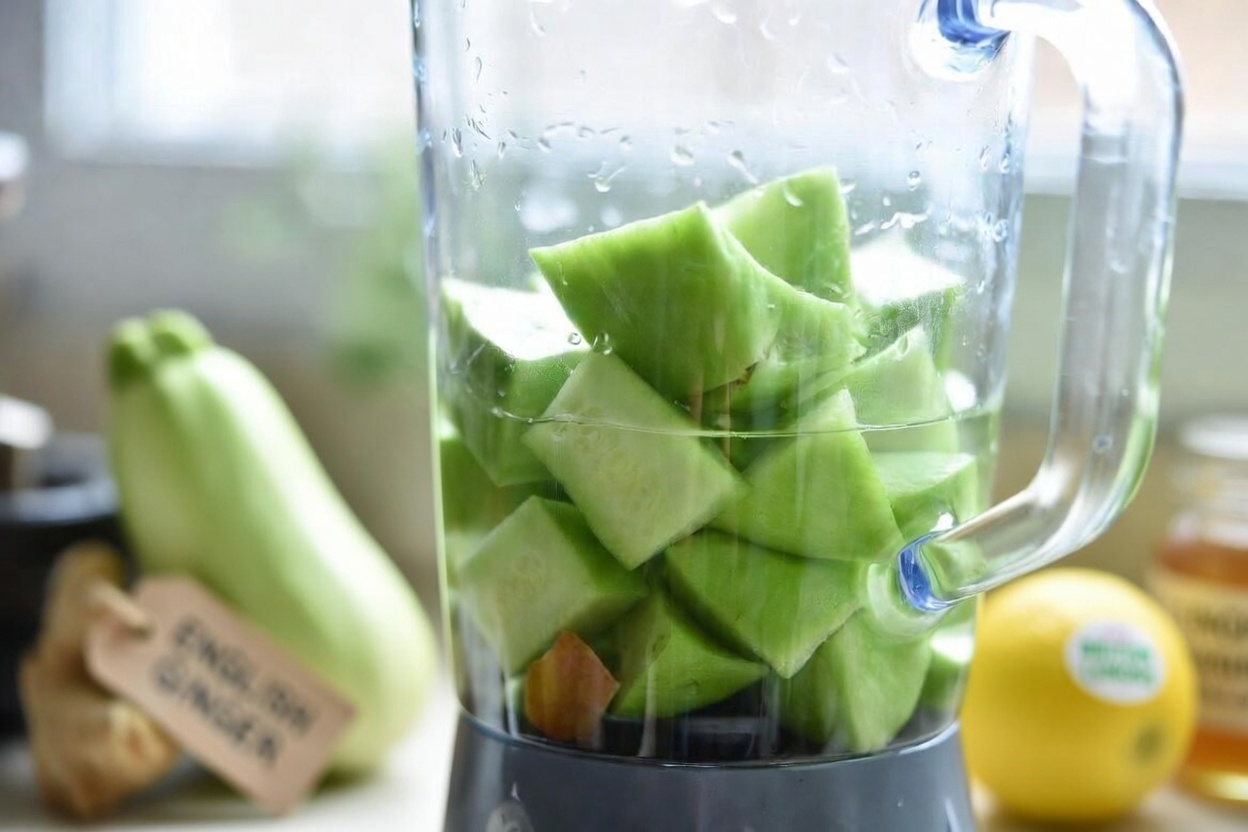
One of the easiest ways to enjoy chayote is as a refreshing blended drink.
Ingredients for 2 Servings
- 2 medium fresh chayote, washed and chopped
- 1 small piece of fresh ginger (optional)
- 500 ml filtered water
- Juice of half a lemon or lime
- A few mint leaves (optional)
How to Make It
- Cut the chayote into small pieces.
- Blend with the water until smooth.
- Strain if you want a lighter drink, or keep the pulp for more fiber.
- Add lemon or lime juice.
- Add mint if desired.
- Serve chilled or at room temperature.
Many people drink one glass in the morning or between meals. It is light, hydrating, and easy to include in a regular routine.
Helpful tip: You can make a larger batch and keep it in the refrigerator for up to 24 hours.
More Creative Ways to Cook with Chayote
If you prefer eating rather than drinking it, chayote is very flexible in the kitchen. You can:
- Add diced chayote to stir-fries with broccoli and carrots
- Fill halved chayote with quinoa and herbs
- Use it in clear soups for a subtle sweetness
- Grate it raw into slaws or cabbage-style salads
These ideas can help increase vegetable intake without making meals complicated.
What Research Says About Chayote
Traditional use of chayote is widespread, but modern scientific research is still developing. Studies published in food science and nutrition fields have examined its antioxidant and anti-inflammatory compounds, suggesting possible supportive roles in metabolic and cardiovascular wellness.
One scientific review reported that chayote extracts showed promising effects in laboratory studies. However, human clinical research remains limited. As with most vegetables, the best results are likely to come from including chayote in a balanced and varied diet, rather than relying on it alone.
It is also important to remember that food works best as part of a healthy lifestyle that includes:
- Regular physical activity
- Good sleep
- Stress management
- Consistent hydration
FAQ
1. How often should I eat or drink chayote?
Many people include it 3 to 5 times a week in meals or as a daily beverage. Regular use within an overall healthy diet is usually more helpful than consuming large amounts at once.
2. Is chayote safe for everyone?
Chayote is generally well tolerated by most people. However, anyone with kidney conditions or those taking certain medications should speak with a healthcare professional before making major dietary changes.
3. Can I eat chayote if I am allergic to other gourds?
If you have allergies to vegetables in the gourd family, such as squash, cucumber, or melon, start with a small amount and pay attention to how your body responds.
Final Thoughts
Chayote is a simple, affordable, and versatile vegetable that can help add more hydration and plant-based nutrition to your routine. Its mild flavor makes it easy to use in both meals and drinks, and it may gently support comfort, circulation awareness, and overall wellness.
Small, consistent dietary habits often make the biggest difference over time, and chayote can be one easy addition to that healthy pattern.