
Celery Juice: A Simple Way to Support Daily Wellness
Many people find it challenging to drink enough fluids and eat sufficient vegetables amid a hectic schedule. The result can be low energy, occasional bloating, or just feeling “off.” In a world full of fast food and packaged snacks, it’s easy to miss out on the vitamins, minerals, and antioxidants your body needs to function well.
Celery juice has become popular as a quick, refreshing drink that delivers a concentrated hit of nutrients from one modest vegetable. But what’s really behind this green beverage, and how can you add it to your routine in a sensible way? Below, you’ll find a clear overview of its potential benefits, an easy recipe, and practical tips to help you decide if it’s right for you.

Why Celery Juice Deserves Attention
Celery is often overlooked, yet it’s naturally hydrating—about 95% water—and very low in calories. A typical 16-ounce (about 475 ml) glass of freshly made celery juice can provide fluid plus meaningful amounts of vitamins and minerals.
Research shows that celery contains plant compounds such as flavonoids and antioxidants, which help the body manage everyday oxidative stress. Laboratory and animal studies suggest that natural substances in celery, including apigenin and luteolin, may contribute to anti-inflammatory effects. While human research is still limited, these findings help explain why some people feel lighter and more refreshed when they include celery juice as part of a balanced lifestyle.
Celery also supplies:
- Vitamin K, which plays a role in blood clotting and bone health
- Vitamin C, which supports immune function and collagen formation
- Folate, important for normal cell function
- Potassium, which helps regulate fluid balance and supports healthy blood pressure as part of an overall balanced diet
Because celery is so water-rich and naturally low in sugar, it can be a smart option to support hydration without relying on sweetened drinks that add unnecessary calories.
Key Nutrients in a 16-Ounce Glass of Celery Juice
From roughly one large bunch of celery, a 16-ounce serving typically offers:
- Calories: About 80–100 (still very low)
- Vitamin K: Up to ~74% of daily needs — supports normal blood clotting and bone strength
- Vitamin C: Around ~16% — contributes to skin health through collagen production and acts as an antioxidant
- Potassium: About ~14% — helps maintain electrolyte balance and may support healthy blood pressure
- Folate: A helpful source for cell function and energy metabolism
- Antioxidants: Including apigenin, luteolin, and other phytonutrients that help counteract free radicals
Juicing allows you to consume more celery at once than you’d usually eat whole, concentrating these nutrients in a single drink. However, it also removes most of the fiber, which has important digestive benefits—so both juice and whole vegetables have a place in a healthy diet.
Potential Celery Juice Benefits Supported by Research
Celery juice is not a cure-all, but it may play a supportive role when combined with an overall nutritious lifestyle.
1. Hydration and Digestive Comfort
Because celery is mostly water, its juice can contribute meaningfully to daily fluid intake. Proper hydration:
- Aids normal digestion and bowel regularity
- Supports kidney function and natural elimination
- Helps maintain skin moisture and a healthy appearance
Choosing celery juice instead of sugary beverages can help you stay hydrated while keeping sugar and calorie intake modest.
2. Support for Healthy Blood Pressure
Celery contains compounds known as phthalides, which may help relax the smooth muscles in blood vessel walls. Some studies using celery extract (rather than juice specifically) have associated it with modest support for blood pressure in people with mild hypertension.
A glass of celery juice won’t replace medical treatment, but it can complement a heart-supportive eating pattern rich in vegetables, fruits, whole grains, and healthy fats.
3. Anti-Inflammatory and Antioxidant Properties
Flavonoids and other antioxidants in celery have shown potential in early research to:
- Reduce certain markers of inflammation
- Protect cells from oxidative damage caused by free radicals
These protective effects may indirectly support overall energy levels, skin health, and long-term wellness, especially when celery is part of a varied, plant-rich diet.
4. Efficient Nutrient Boost
Drinking celery juice is a convenient way to take in:
- Vitamin C for immune support and antioxidant protection
- Potassium and folate for energy production and cell health
- Vitamin K for bones and blood clotting
This can be particularly helpful for people who struggle to eat enough vegetables but should never replace a diverse intake of whole, fiber-rich foods.
A Note on Fiber
Juicing removes most of the celery’s fiber. While this makes nutrients more concentrated and easier to drink, it also means you miss out on the fiber that:
- Supports gut health
- Helps promote fullness
- Stabilizes blood sugar responses
For best results, enjoy celery juice alongside whole vegetables, fruits, legumes, and whole grains.

How to Make Fresh Celery Juice at Home
Preparing celery juice yourself is straightforward and can be more economical than buying bottled versions.
Step-by-Step Guide
-
Choose fresh celery
Select firm, crisp stalks with vibrant green color. Leaves can be included for extra flavor and nutrients. -
Wash thoroughly
Rinse the stalks and leaves under cool running water to remove any dirt or debris. -
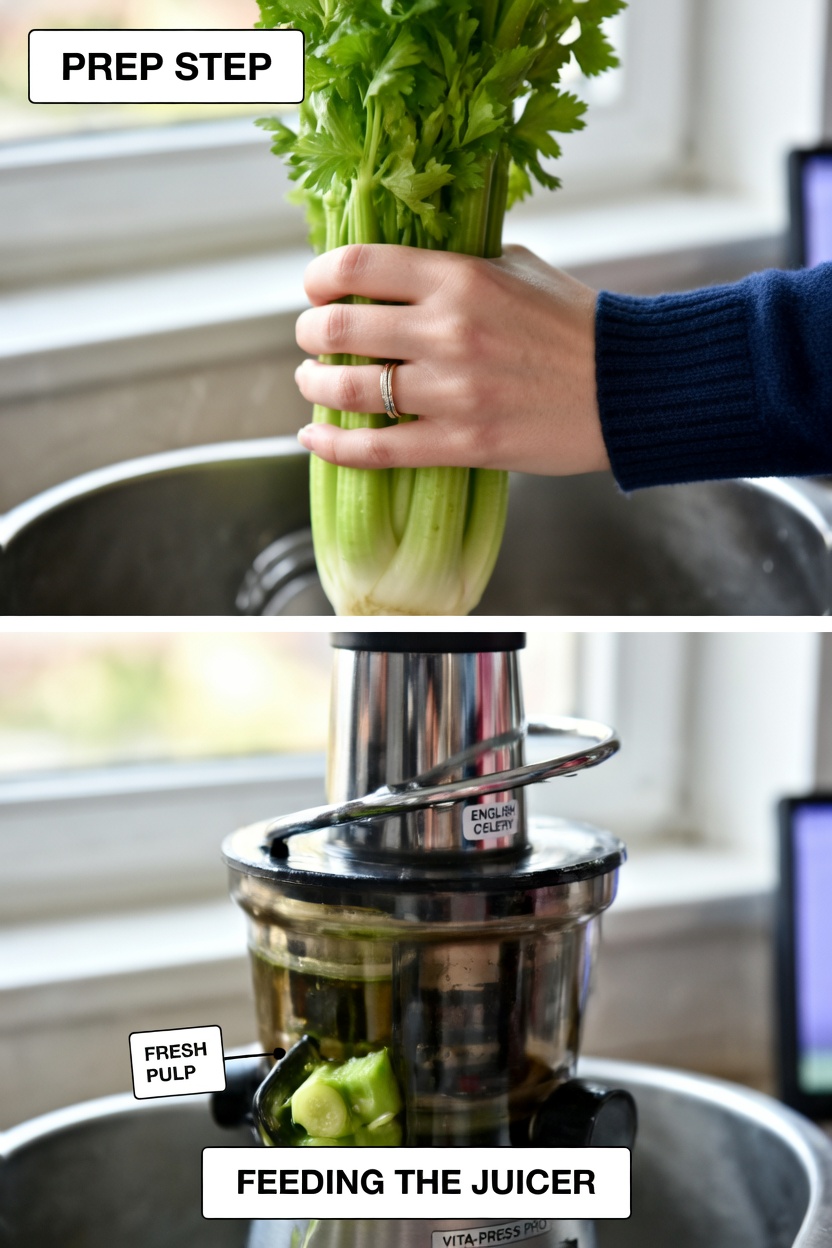
Trim and prep
Cut off the base and any dried or damaged ends. Chop into pieces that fit easily into your juicer. -
Juice the celery
- Use a juicer; a slow (masticating) juicer is often recommended to help preserve nutrients.
- Juice about 1–2 pounds (one large bunch) to yield roughly 16 ounces.
-
Enjoy promptly
Drink soon after making it, ideally in the morning on an empty stomach if that feels good for you, or whenever you’d like a hydrating, light drink. -
Store safely if needed
If you can’t drink it right away, pour the juice into an airtight glass container and refrigerate. Aim to consume within 24 hours for best taste and nutrient retention.
Pro tip: Try plain celery juice first, without adding lemon, apple, or other ingredients. This helps you experience its natural flavor and see how your body responds.
Tips to Get the Most from Celery Juice
- Drink it fresh whenever possible to preserve flavor and nutrients.
- Make it part of a balanced diet that includes plenty of whole fruits, vegetables, quality protein, and whole grains.
- If you’re new to celery juice, start with about 8 ounces (240 ml) and gradually increase if you tolerate it well.
- Speak with your healthcare provider before drinking it regularly if you:
- Take blood-thinning medications (because of vitamin K content)
- Have kidney issues or need to monitor potassium intake
Frequently Asked Questions About Celery Juice
Is celery juice better than eating celery sticks?
Not necessarily—it’s just different. Celery juice delivers:
- More concentrated vitamins and antioxidants per serving
- Extra hydration in a quickly absorbed form
However, whole celery contains fiber, which supports digestion, gut health, and satiety. For overall health, including both juice and whole vegetables is ideal.
How much celery juice should I drink per day?
Many enthusiasts aim for around 16 ounces (about 475 ml) daily. If you’re just starting out or have a sensitive digestive system, begin with a smaller amount (such as 8 ounces) and see how you feel. Variety is key, so don’t rely on celery juice as your only vegetable source.
Can celery juice replace water or other beverages?
Celery juice contributes to hydration but should not fully replace plain water. Think of it as a nutrient-rich supplement to your regular fluid intake, rather than a complete substitute.
Does celery juice “detox” the body?
Your liver, kidneys, lungs, and skin already manage detoxification naturally. Celery juice does not “cleanse” the body in a magical way. Instead, it can support overall health by providing hydration and nutrients that help these organs function effectively as part of a balanced lifestyle.
Important Disclaimer
This content is for informational and educational purposes only and does not constitute medical advice. Celery juice is not a treatment or cure for any disease. Always consult a qualified healthcare professional before making significant changes to your diet—especially if you have existing health conditions, are pregnant or breastfeeding, or take prescription medications. Individual responses vary, and no single food or drink can guarantee specific health outcomes.