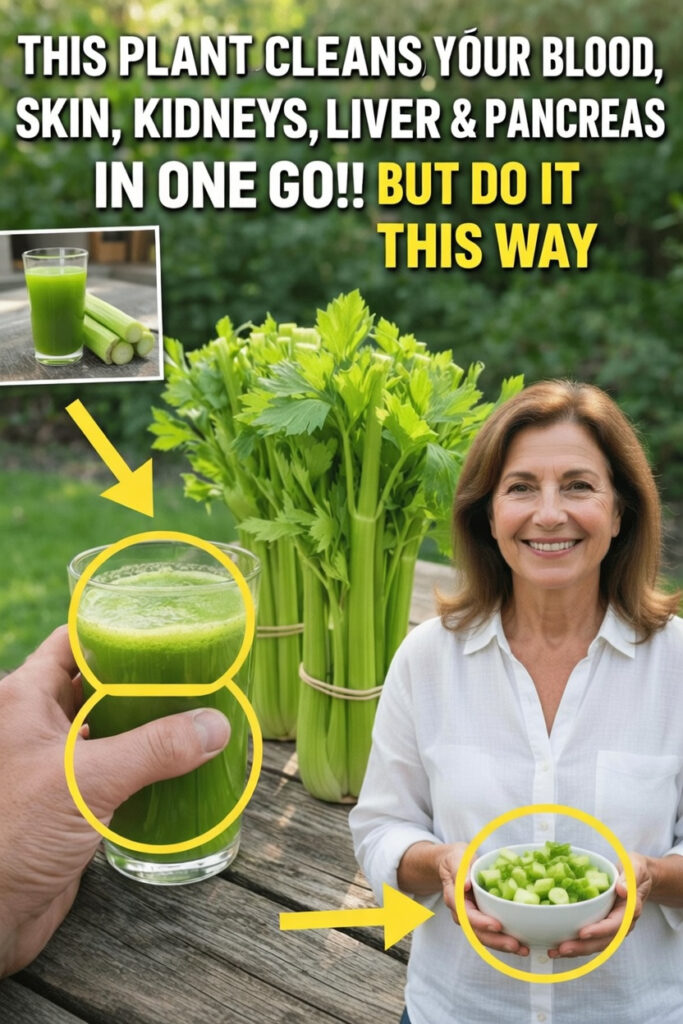
Why So Many People Are Adding Celery Juice to Their Daily Routine
A lot of people deal with low energy, mild bloating after eating, or skin that looks dull and tired. With packed schedules and diets filled with convenience foods, it’s no surprise that simple wellness habits are becoming more appealing. One easy option that continues to gain attention is fresh vegetable juice.
Among all the choices, celery has become especially popular because it is affordable, easy to prepare, and simple to include in a morning routine. Later in this article, you’ll find a practical method for making celery juice in a way that helps preserve its fresh flavor and natural nutrients.
What Makes Celery Nutritionally Valuable?
Celery is a crunchy vegetable with a very high water content, and it has been used in everyday meals for generations. Although it is low in calories, it still delivers a range of important nutrients. A single cup of chopped celery contains vitamin K, vitamin C, folate, potassium, and protective plant compounds such as flavonoids and polyphenols.
Studies have examined how these compounds may support general health. Researchers have noted that naturally occurring substances in celery, including apigenin and phthalides, may help support healthy blood pressure when celery is eaten regularly as part of a balanced eating pattern.
Its naturally hydrating quality is another major benefit. Staying well hydrated is essential for digestion, energy, and many other normal body functions.
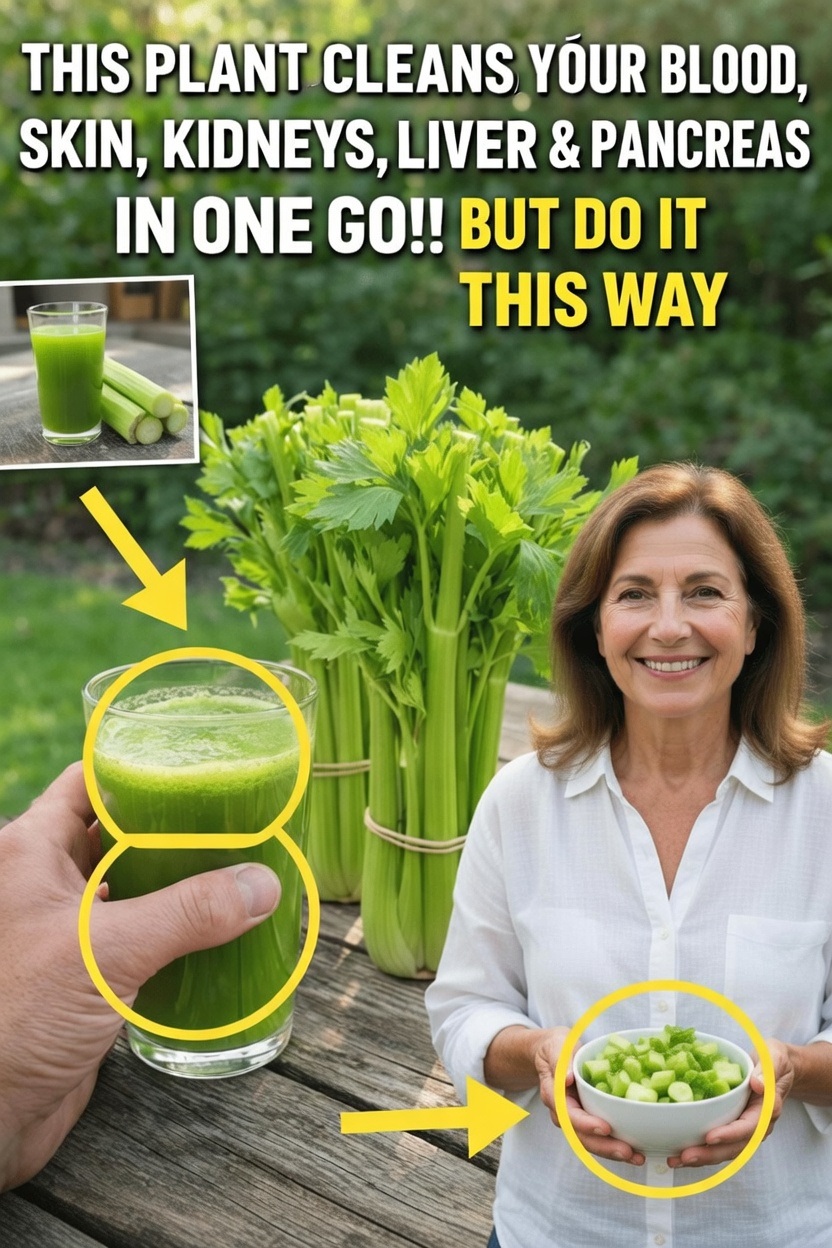
Why Celery Juice Has Become So Popular
Celery juice has gained momentum across social platforms and wellness circles. Many people choose to drink it fresh in the morning, often before breakfast, as a quick and refreshing habit.
Some of the online claims about celery juice are exaggerated, but celery itself still offers real nutritional advantages. It contains antioxidants that help defend cells against everyday oxidative stress. Laboratory and animal research has also suggested that celery phytochemicals may have anti-inflammatory properties that support the body’s normal functions.
Human research on celery juice specifically is still limited. However, broader nutrition data shows that diets rich in flavonoid-containing vegetables, including celery, are associated with better heart health markers and lower inflammation over time.
Why this can be useful in everyday life
- It supports hydration without adding excess sugar or many calories.
- It supplies potassium, which helps regulate fluid balance alongside sodium.
- It provides vitamin K, a nutrient involved in normal blood clotting and bone support.
Another reason people like celery juice is its potential effect on skin appearance. The antioxidants in celery may help the body manage environmental stressors that can influence how skin looks and feels.
Main Nutrients in Celery and What They Do
Celery contains a combination of nutrients that make it a smart addition to a healthy diet:
- Antioxidants and flavonoids — Help the body handle oxidative stress and everyday inflammation.
- Potassium and magnesium — Support muscle function and a healthy heart rhythm.
- Vitamin C and beta-carotene — Contribute to immune health and support healthy-looking skin.
- Water and fiber in whole celery — Help with fullness, hydration, and digestive comfort.
Many people find that increasing their intake of water-rich vegetables helps them feel less heavy and more refreshed overall.
How to Make Fresh Celery Juice at Home
Making celery juice at home is straightforward and does not require expensive tools. You can prepare it with either a juicer or a blender.
Step-by-step instructions
- Choose one large bunch of fresh celery. Organic is ideal if available. Pick stalks that are firm, crisp, and bright green.
- Rinse the celery well under cool water to wash away dirt or residue.
- Trim off the base and any rough or dry ends.
If you have a juicer
- Feed the celery stalks into the juicer one at a time.
- There is no need to cut them into very small pieces unless your machine requires it.
If you are using a blender
- Slice the celery into pieces about 2 to 3 inches long.
- Add the celery to the blender with about 1/2 cup of filtered water.
- Blend on high until the mixture is smooth.
- Pour through a fine mesh strainer or a nut milk bag.
- Press or squeeze to separate the juice from the pulp.
Best way to drink it
- Drink the juice right away for the freshest taste and highest nutrient retention.
- If needed, store it in a sealed jar in the refrigerator for up to 24 hours.

Simple flavor tip
Many people enjoy celery juice plain, but if the taste feels too strong at first, try adding:
- A squeeze of fresh lemon
- A small piece of ginger
A good starting amount is 8 to 16 ounces. From there, you can adjust based on your preference and how you feel.
This simple preparation method keeps the drink fresh and natural, without added sweeteners.
Easy Ways to Make Celery Juice a Habit
If you want to include celery juice in your routine, consistency matters more than perfection. These tips can help:
- Drink it in the morning — Many people like having it first thing to support hydration after waking up.
- Pair it with a balanced breakfast — Combine it with protein and healthy fats for steadier energy.
- Stay consistent — Daily or near-daily use over several weeks is often when people notice the biggest difference in how refreshed they feel.
- Pay attention to your body — If you have kidney issues or take medication such as blood thinners, speak with a healthcare professional first because celery contains vitamin K.
Celery does not have to be juiced to be beneficial. Whole stalks also work well as snacks, and chopped celery can be added to salads, soups, and stir-fries for extra crunch and fiber.
Comparing Different Forms of Celery
Celery can be enjoyed in several ways, and each form has its own advantages.
- Whole celery — Contains fiber that supports digestion and helps with fullness; ideal for snacking.
- Celery juice — Offers quick hydration and is easy to consume, but contains less fiber than the whole vegetable.
- Celery seeds or extracts — Sometimes used in research for specific plant compounds, though most people use fresh celery in daily life.
Both whole celery and celery juice can fit into a nutrient-rich eating plan.
How Celery Supports the Body’s Natural Balance
The body already has built-in systems that help maintain balance, including the liver, kidneys, and skin. Eating vegetables such as celery helps provide the water, minerals, and plant nutrients these systems rely on to function well.
Some studies suggest that celery’s antioxidant content may also support metabolic health, including healthy blood sugar and lipid levels in certain settings. Still, the results are mixed and usually appear alongside broader healthy lifestyle habits.
Two of the most reliable strategies for feeling better day to day remain simple:
- Drink enough water
- Cut back on highly processed foods

Common Questions About Celery Juice
How much celery juice should I drink daily?
Many people begin with 8 to 16 ounces in the morning. The right amount depends on your diet, tolerance, and personal routine.
Can celery juice improve skin appearance?
Because it contains vitamin C, antioxidants, and plenty of water, celery juice may support a healthier-looking complexion as part of a regular wellness routine. However, skin appearance also depends on sleep, stress, diet, and sun protection.
Is it okay to make celery juice in advance?
Fresh juice is the best option, but you can prepare it ahead and keep it in a tightly sealed container in the fridge for up to one day. Shake well before drinking.
Is celery juice suitable for everyone?
Most people tolerate celery juice well. Still, anyone with allergies to similar plants or those taking certain medications should check with a doctor first. Large amounts of celery may also be a concern for individuals who need to monitor oxalate intake.
Final Thoughts on Celery Juice and Everyday Wellness
Adding fresh celery juice to your morning or simply eating more celery in meals is an easy way to increase hydration and vegetable intake. It is not a miracle cure, but its nutritional profile makes it a practical and budget-friendly option for supporting daily health.
In many cases, the biggest benefit is not just the juice itself. It is the habit behind it: choosing fresh foods more often, creating small routines that are easy to maintain, and letting those consistent choices build better well-being over time.