Overview of the Castor Plant
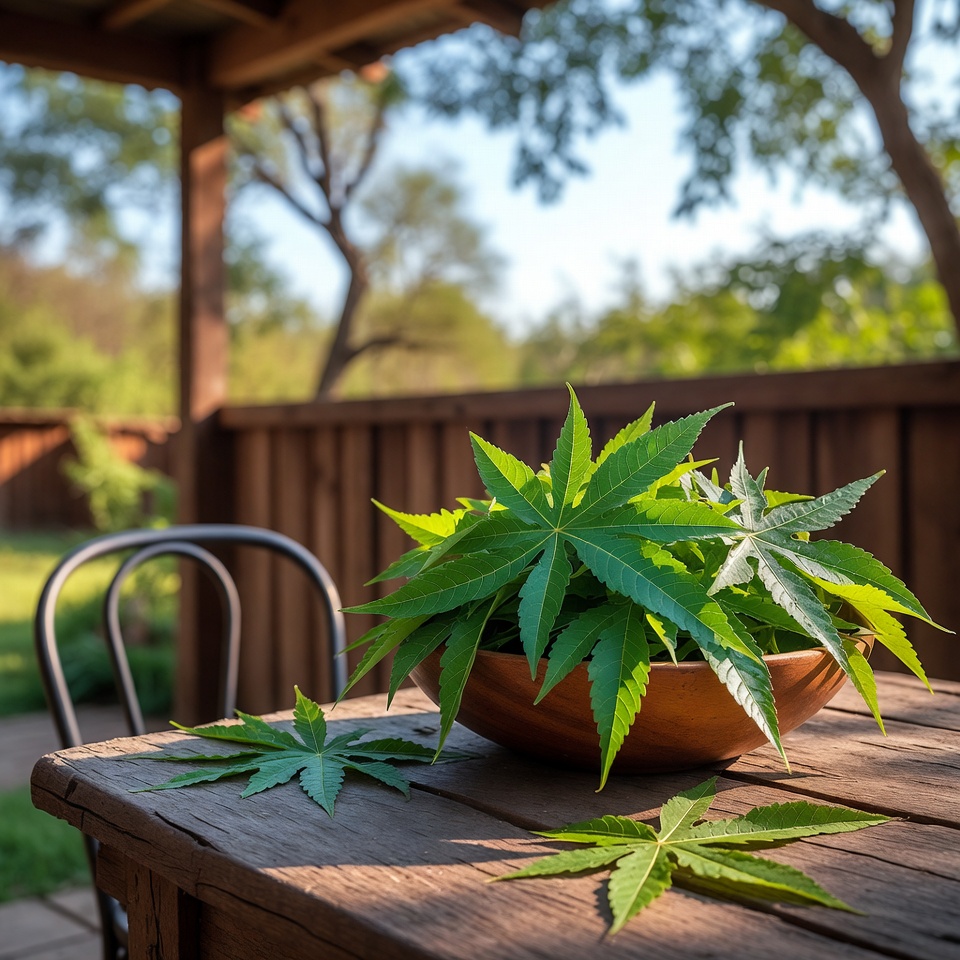
The castor plant (Ricinus communis) is native to tropical regions of Africa but is now cultivated in many parts of the world. While castor oil extracted from its seeds is widely recognized for industrial and medicinal uses, the leaves of the plant have also played a notable role in various traditional healing practices.
Potential Benefits of Castor Leaves
1. Traditional Uses
In several traditional medicine systems, castor leaves have been valued primarily for their external applications. Common uses include:
- Applying warmed leaves over joints to help ease discomfort and stiffness
- Using leaf poultices to calm mild skin irritations and localized inflammation
- Placing castor leaf compresses on minor swelling or superficial wounds to support comfort
These practices are largely based on traditional knowledge rather than modern clinical research.
2. Skin and Scalp Care
In some cultures, preparations made from castor leaves are incorporated into topical remedies such as:
- Scalp treatments aimed at supporting a healthier scalp environment
- Skin applications intended to promote softness and hydration
These uses typically involve external application of leaf extracts, oils infused with castor leaves, or homemade herbal preparations.
Safety Considerations and Precautions
1. Toxicity Awareness
Although castor leaves contain much lower concentrations of toxic compounds than the seeds, they are not completely free of risk. Misuse or overuse can still pose health concerns, particularly if the plant material is handled or prepared incorrectly.
2. External Use Only
Because of potential toxicity:
- Castor leaves should never be eaten or consumed internally.
- They are intended only for topical use, and even then, should be used sparingly.
- Avoid applying to broken or highly sensitive skin without professional guidance.
3. Consult a Healthcare Professional
Before using castor leaves for any health-related purpose, it is important to:
- Discuss their use with a qualified healthcare provider, herbalist, or dermatologist
- Exercise extra caution if you have sensitive skin, allergies, or pre-existing medical conditions
- Discontinue use immediately if irritation, redness, or other adverse reactions occur
Conclusion
Castor leaves have a long history of use in traditional medicine, especially for external applications such as soothing minor aches, skin discomfort, and swelling. However, current scientific evidence supporting these benefits is limited, and the plant still carries a risk of toxicity if used improperly.
For safe use:
- Restrict castor leaves to external, topical applications only
- Use them conservatively and carefully
- Seek professional advice before incorporating them into any home remedy or natural treatment routine
By approaching castor leaves with caution and informed guidance, you can better balance traditional uses with modern safety standards.