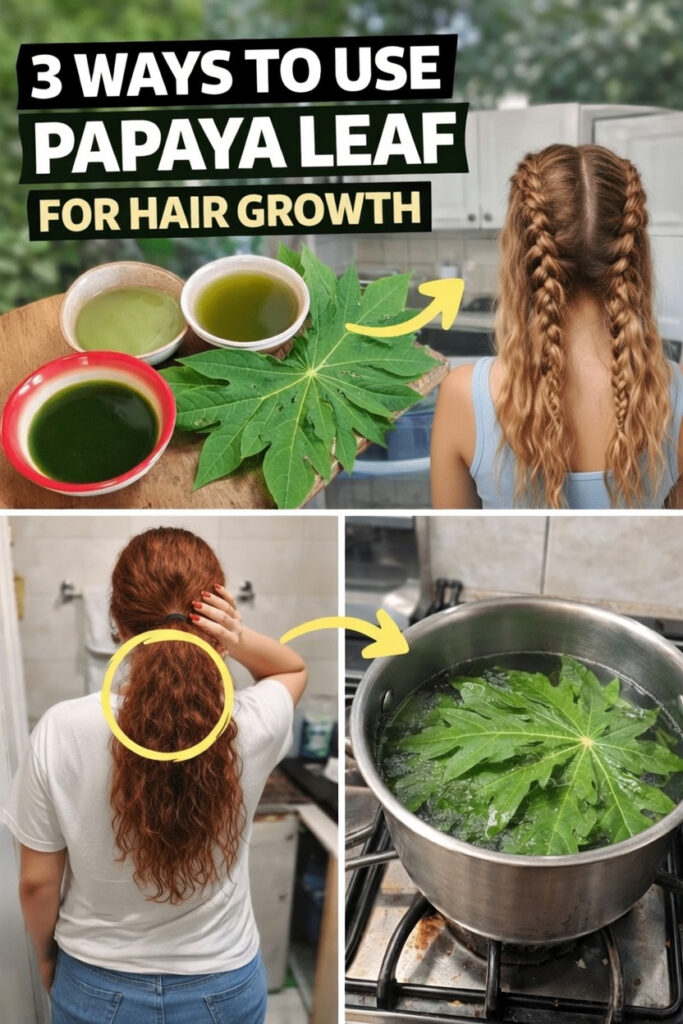
Papaya Leaves for Natural Hair: Two Simple DIY Methods for Scalp Care and Length Retention
People with natural, coily, or tightly textured hair often deal with recurring issues such as slow length retention, breakage, scalp buildup, flakes, and irritation. Even with a solid routine that includes protective styles, rich conditioners, and favorite oils, results can sometimes feel limited. Hair care may become exhausting when progress seems to stop, the scalp feels clogged, and strands still snap easily.
A simple leaf from the papaya plant, often ignored in many gardens, may offer gentle support thanks to its natural properties. This guide looks at papaya leaves, how to prepare them at home in two easy ways, and what traditional use plus early research suggest about their possible benefits for scalp and hair care.
Why Scalp Health Is Essential for Hair Growth Progress
Healthy hair begins with a healthy scalp. When the scalp is covered with excess oil, dead skin, or leftover styling products, follicles may not function at their best. This can also make the scalp more prone to itching, flaking, or discomfort.
For people with coily and tightly textured hair, poor scalp condition may show up as:
- More shedding during detangling
- Difficulty retaining length
- Dry, fragile strands
- Thinning edges from repeated tension and stress
Supporting the scalp with gentle cleansing and nourishing care can help create a better environment for the hair’s natural growth and resting cycles. This is one reason papaya leaves have become a topic of interest in natural hair care traditions.
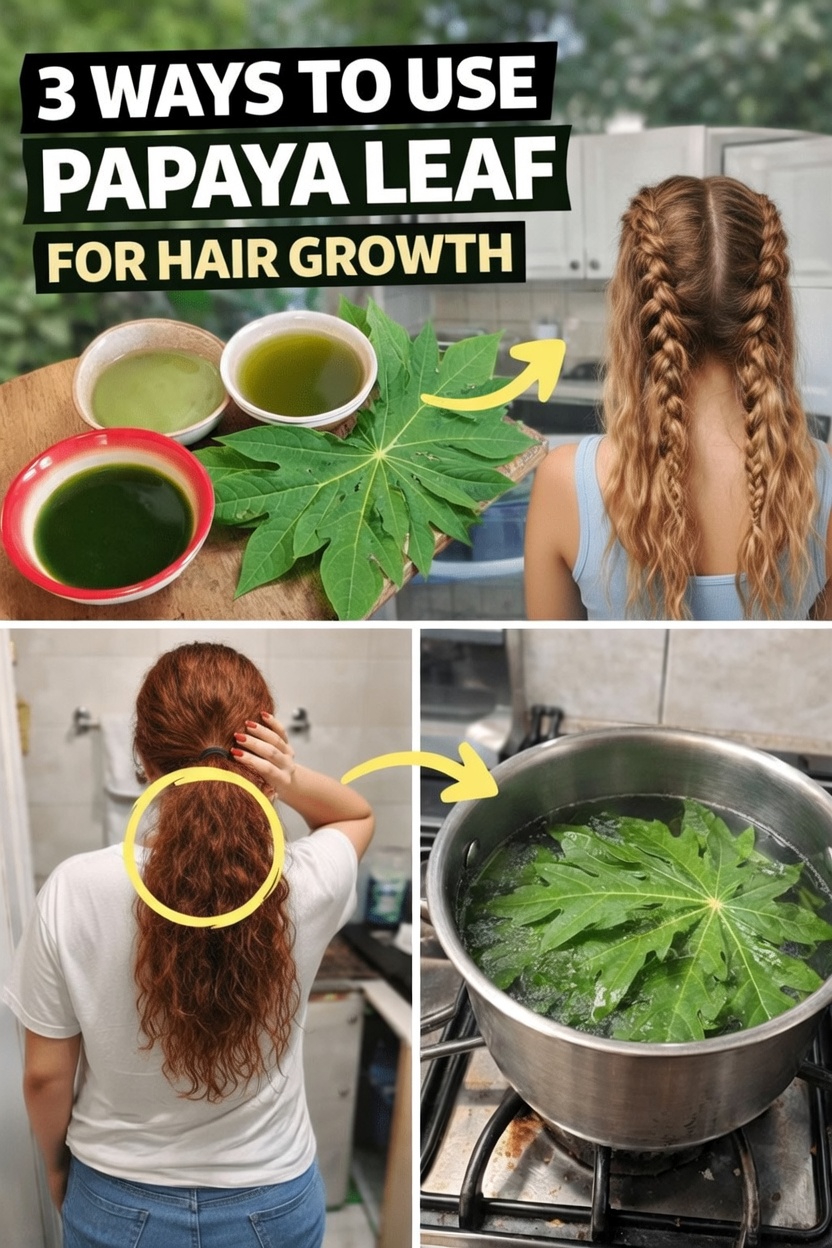
What Makes Papaya Leaves Valuable for Hair and Scalp Care?
Papaya leaves contain several natural compounds that have attracted attention in DIY beauty and natural hair communities. Below are the most discussed components.
Papain Enzyme
Papain is a natural enzyme found in papaya that helps break down proteins. In scalp care, it is often associated with mild exfoliation. This may help loosen buildup and dead skin without the harsh stripping effect of stronger cleansers.
Antioxidants and Vitamins
Papaya leaves contain vitamins A, C, and E along with flavonoids. These compounds help fight oxidative stress and support healthier skin and tissue overall, including the scalp.
Anti-Inflammatory and Antimicrobial Potential
Laboratory studies have shown that papaya leaf extracts may have antifungal activity. While this does not prove major hair growth effects in humans, it suggests that papaya leaves may help support a calmer and cleaner scalp environment.
Nutritional Support
In traditional remedies, papaya leaves are valued for their micronutrients. These nutrients may indirectly support the follicles and scalp when used as part of a broader hair care routine.
It is important to stay realistic. Some animal studies involving hydroalcoholic extracts of Carica papaya leaves have shown effects on hair follicle activity and hair length in test models. However, human clinical evidence is still limited. As noted by sources such as Healthline, papaya leaf use for hair is popular in home care routines, but strong scientific proof for hair growth claims is still lacking. Think of it as a supportive addition, not a guaranteed solution.
Method 1: Papaya Leaf Infused Oil for Deep Nourishment
This DIY method combines papaya leaves with a carrier oil, making it a good option for people who want a richer weekly treatment.
Ingredients
- A handful of fresh papaya leaves, washed and fully dried
- Carrier oil such as:
- Coconut oil
- Castor oil
- Olive oil
- Enough oil to completely cover the leaves
How to Make It
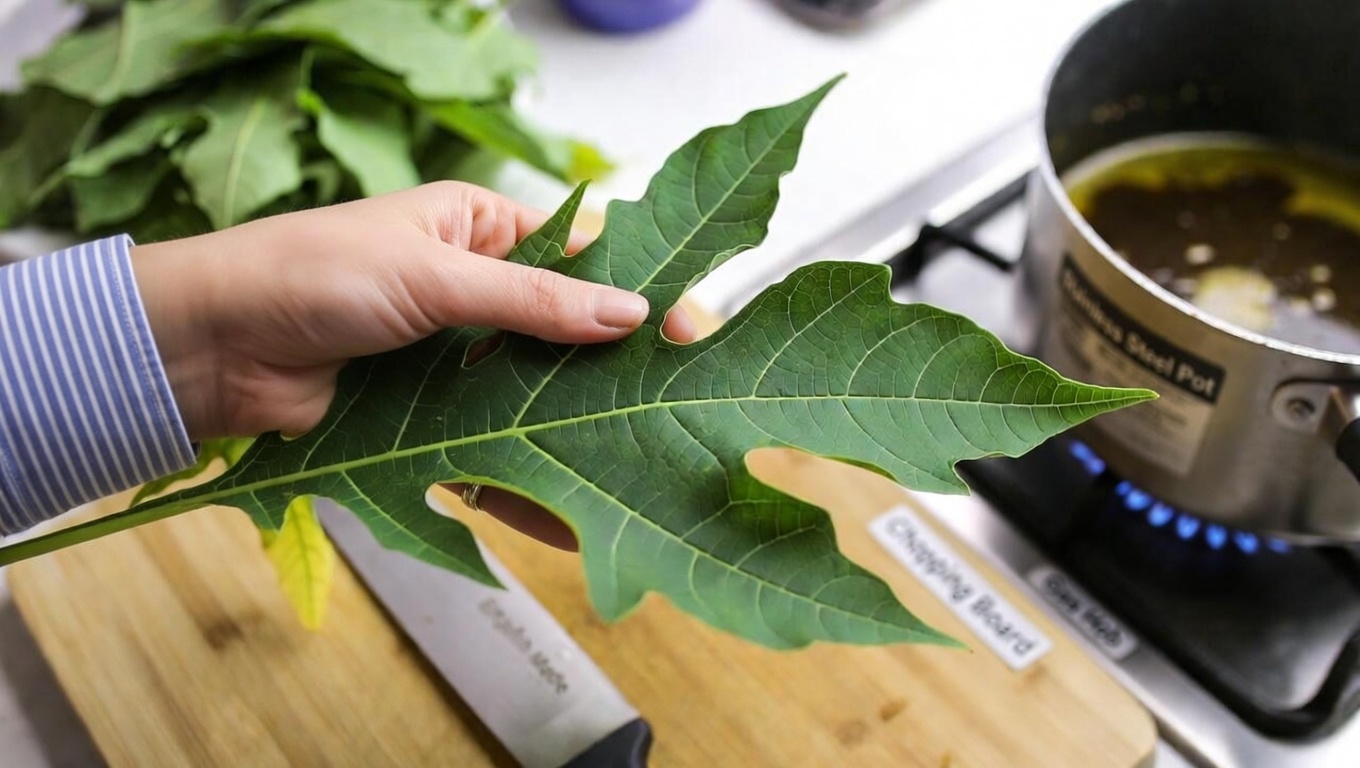
- Cut the clean, dry papaya leaves into small pieces to help release their juices.
- Place the chopped leaves into a heat-safe jar or small pot.
- Pour in enough carrier oil to fully submerge the leaves.
- Warm the mixture over low heat for 30 to 45 minutes. A double boiler is the safest method.
- Watch for the leaves to darken slightly and for the oil to take on a green tint.
- Do not overheat, as high temperatures may reduce the effectiveness of some plant compounds.
- Strain the oil through cheesecloth or a fine cloth, pressing well to extract as much liquid as possible.
- Let the oil cool completely.
- Store it in a dark glass bottle in a cool place.
How to Use the Oil
- Apply it to the scalp 2 to 3 times each week.
- Massage gently for 5 to 10 minutes.
- Leave it on for 1 to 4 hours, or overnight if preferred.
- Wash it out thoroughly with shampoo.
- If desired, add a few drops of rosemary or peppermint essential oil after the mixture has cooled.
Many people in natural hair communities say regular use helps their hair feel softer and leaves the scalp feeling less congested. Results vary, but consistency matters.
Method 2: Papaya Leaf Water Spray for Lightweight Daily Use
If you prefer something lighter that will not weigh down coily or tightly textured hair, a papaya leaf water spray may be the better choice. It works well for daily scalp refreshment.
Ingredients
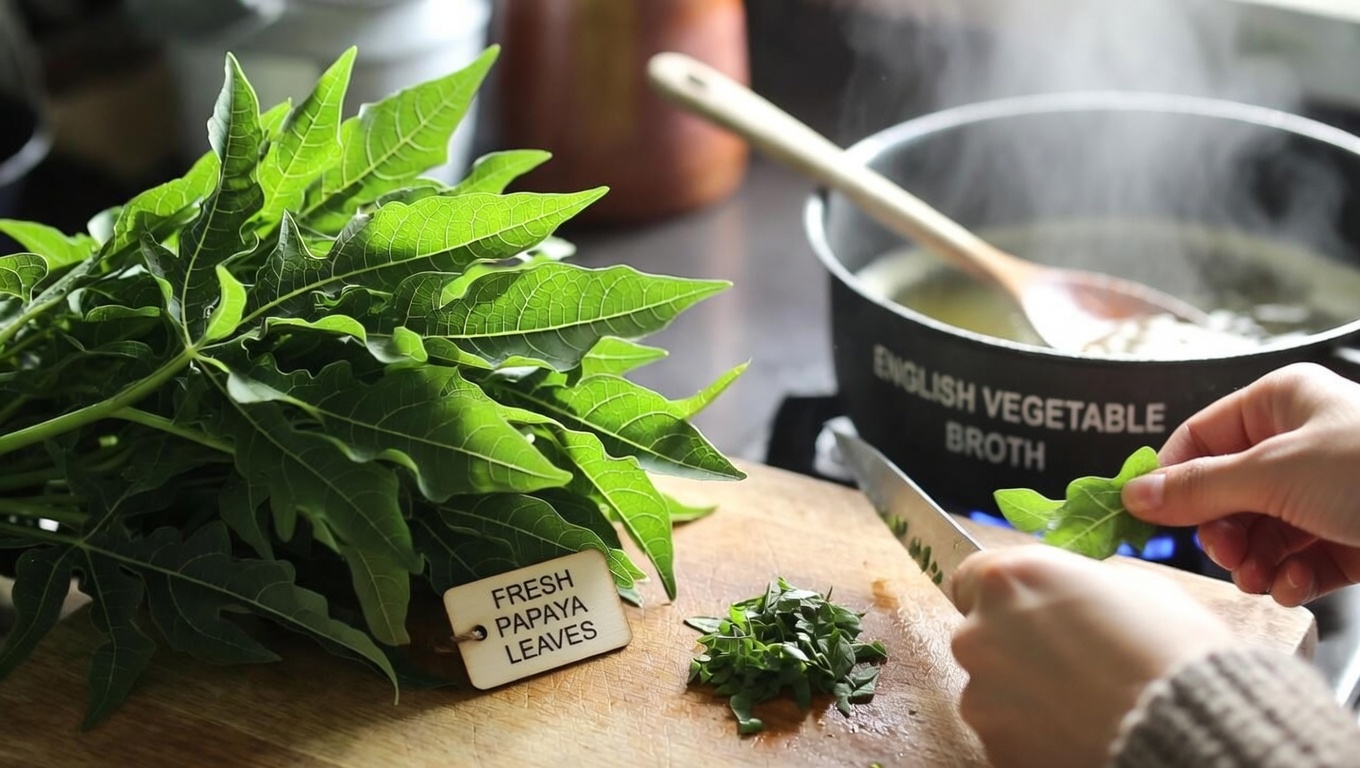
- Fresh papaya leaves, washed and chopped
- 2 to 3 cups of water
How to Make It
- Blend the chopped leaves with water until the mixture becomes smooth.
- Strain it through a fine cloth, coffee filter, or mesh strainer to remove all solids.
- Pour the liquid into a clean spray bottle.
- Keep it refrigerated.
- Use within about one week to maintain freshness.
How to Use the Spray
- Mist it directly onto the scalp every day.
- Focus on edges, part lines, or any areas that feel dry or irritated.
- Massage lightly into the scalp.
- No rinsing is needed.
- Use it after wash day or as a midday scalp refresher.
This method offers light hydration while delivering the natural elements of papaya leaves, which may help improve daily scalp comfort.
How to Get Better Results From Your Routine
If you want to make the most of papaya leaf scalp care, keep these practical tips in mind:
- Do a patch test on your inner arm for 24 hours before first use.
- Use fresh papaya leaves whenever possible, since dried leaves may be less potent.
- Include a 5 to 10 minute scalp massage daily to encourage blood flow.
- After oil treatments, use a moisturizing conditioner to keep hair balanced.
- Track results with monthly photos and measurements instead of checking every day.
- Support your routine with a nutrient-dense diet rich in:
- Iron
- Protein
- Omega-3 fats
- Choose protective styles that do not pull too tightly on the scalp or edges.
In many cases, gentle consistency works better than intense treatment. Some people notice changes in scalp comfort within a few weeks, while improvements in strength and retention may take months.
Papaya Leaves for Common Hair Concerns
Here is a quick overview of how papaya leaves may fit into a natural hair routine.
Buildup and Flaky Scalp
- Possible benefit: Mild exfoliation from papain and potential antimicrobial support
- Best method: Daily spray plus weekly oil treatment
- Expected timeline: Around 1 to 4 weeks for changes in comfort, based on anecdotal reports
Dry or Dull Hair
- Possible benefit: Light hydration and antioxidant support
- Best method: Daily papaya leaf spray
- Expected timeline: About 2 to 6 weeks for improved softness or shine, according to user experiences
Breakage and Poor Length Retention
- Possible benefit: Nourishing support that may help strands feel stronger
- Best method: Focus on weekly oil treatments
- Expected timeline: Roughly 4 to 12 weeks with regular use
General Scalp Discomfort
- Possible benefit: Traditional use suggests a soothing effect
- Best method: Use both the oil and spray as needed
- Expected timeline: Varies from person to person
A Simple 12-Week Papaya Leaf Hair Care Plan
Weeks 1 to 2
Start by resetting the scalp.
- Use the papaya leaf spray daily
- Apply the infused oil twice a week
- Pay attention to any drop in irritation, itching, or flakes
Weeks 3 to 6
Build consistency.
- Continue daily spray use
- Keep up scalp massages
- Add protein treatments if your hair needs extra support
Weeks 7 to 12
Focus on maintenance and observation.
- Stay consistent with your routine
- Use low-tension protective styles
- Take photos and note changes in scalp comfort, shedding, and retention
Ongoing
Adjust the routine according to how your scalp responds. Some people need more frequent spray use, while others benefit from fewer oil applications.
Final Thoughts
Papaya leaves may be a simple and affordable way to support a scalp-first hair care routine. Whether you choose a nourishing infused oil or a lightweight daily spray, both methods encourage regular, gentle care at the root level.
Many people in the natural hair community report positive changes in scalp comfort and better length retention over time. While scientific evidence is still limited, papaya leaves remain an interesting option for those who enjoy natural remedies. Start gradually, stay patient, and appreciate small improvements as they come.
FAQ
How often should I use papaya leaf treatments on my hair?
A common starting point is daily use of the spray and 2 to 3 oil treatments per week. Adjust based on your scalp and hair needs.
Are papaya leaves safe to use on the scalp?
They may be suitable for many people, but a patch test is important, especially if you have sensitive skin. Stop use immediately if you notice irritation.
Can papaya leaves replace expert hair or scalp treatment?
No. Papaya leaves are best viewed as a home remedy for supportive care. If you have ongoing shedding, severe flaking, or scalp irritation, speak with a dermatologist or trichologist.