Guava Leaves for Hair: A Gentle, Plant-Based Option as You Age
Many people notice their hair changing with age—thinner strands, more shedding, slower growth, or a drier, more sensitive scalp. These shifts often become more obvious after 30, when stress, hormonal changes, nutrient deficiencies, and daily exposure to sun and pollution start to add up. It can be disheartening when favorite hairstyles lose volume or when brushing leaves more hair in the sink than before.
Natural ingredients from everyday plants are gaining attention for their role in holistic hair care. One of these is guava (Psidium guajava). Its leaves have been used for generations in traditional practices—especially in Thailand and other parts of Asia—where fresh guava leaves are sometimes included in folk remedies to support healthier-looking hair and scalp.
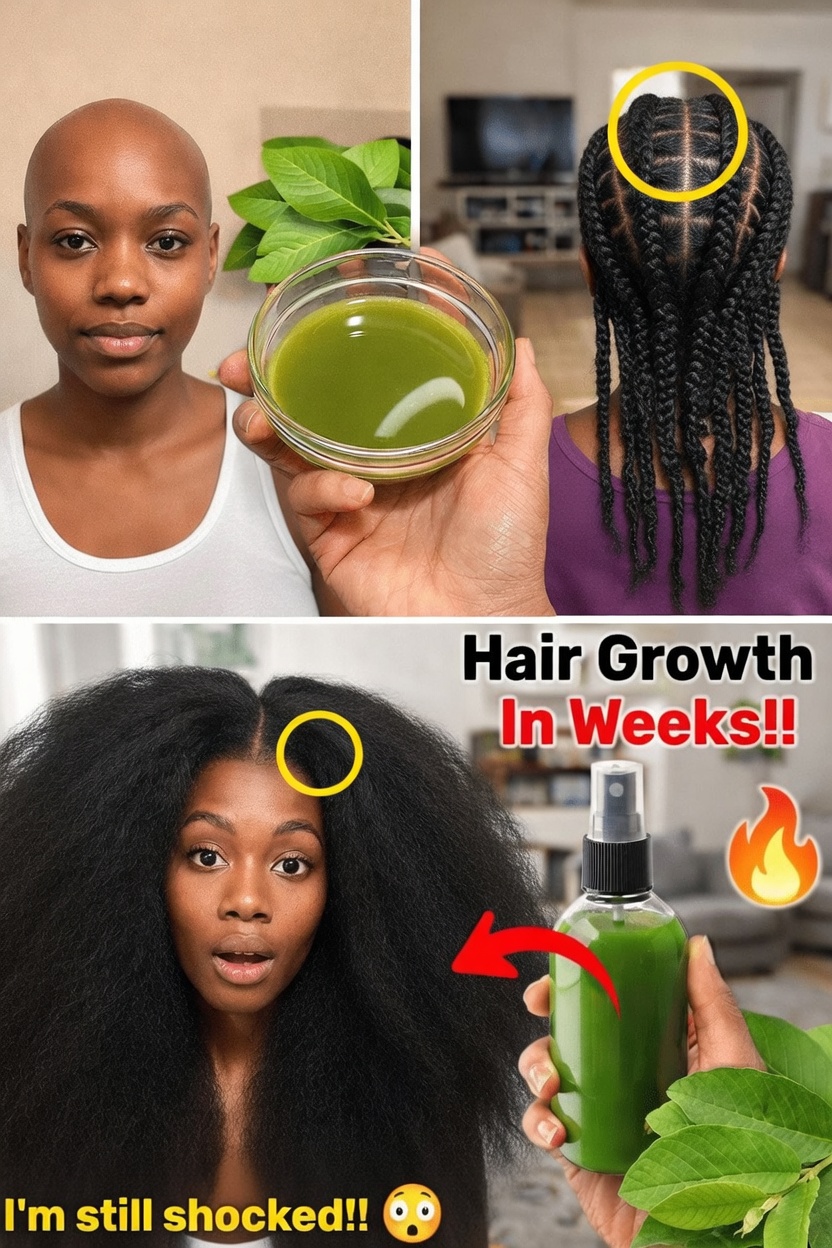
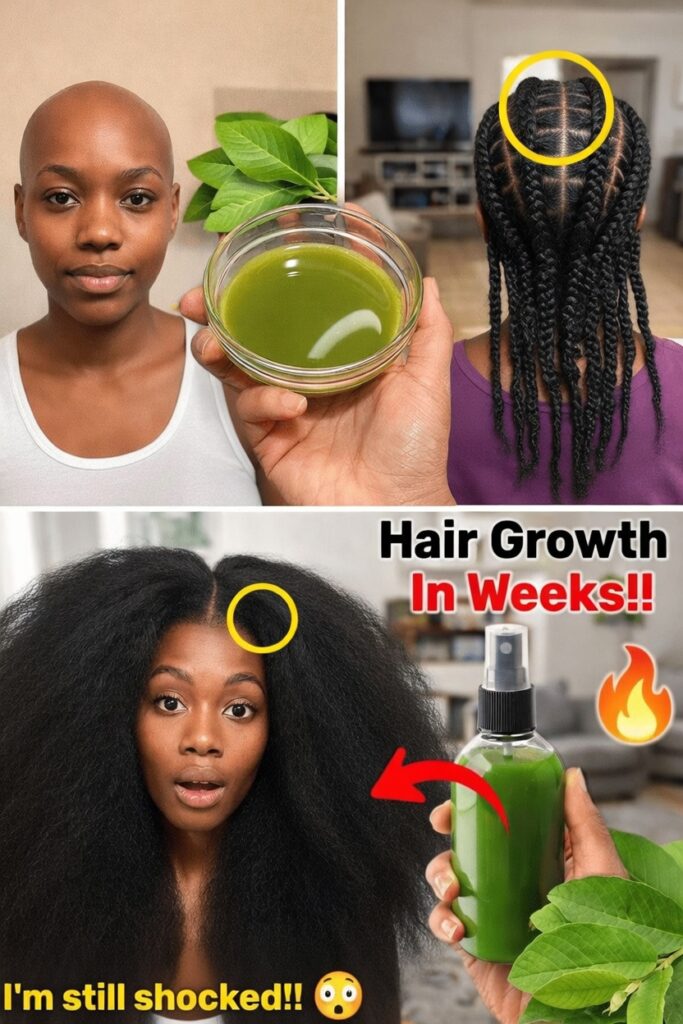
So what does current research suggest, and how can you try guava leaves safely at home? This guide explores the key compounds in guava leaves, emerging evidence on their potential hair benefits, and simple ways to incorporate them into a gentle routine. Stay to the end for a step-by-step method many people use as a DIY hair rinse or spray.
Why Hair Health Often Changes Over Time
From our 30s into our 40s and beyond, several common factors can influence how hair looks and feels:
- Hormonal fluctuations (such as after pregnancy or around perimenopause)
- Chronic stress and poor sleep
- Nutrient-poor diets or restrictive eating patterns
- Environmental stressors like UV rays, pollution, and harsh hair treatments
Together, these can contribute to:
- Weaker, finer strands
- More breakage and shedding
- A scalp that feels dry, itchy, or easily irritated
- Hair that appears flatter and less vibrant
Research shows many adults begin to notice increased shedding or slower regrowth during these stages of life, which can affect confidence and daily styling habits.
The scalp is central to this picture. When the scalp is calm, balanced, and well nourished, hair follicles are more likely to function at their best. That’s where plant-based ingredients such as guava leaves come in, thanks to their naturally occurring antioxidants and soothing compounds that may help support a healthier scalp environment.
What Makes Guava Leaves Interesting for Hair?
Key Nutrients and Plant Compounds in Guava Leaves
Guava leaves contain a range of bioactive components that are now attracting scientific interest:
-
Vitamins
- Notably vitamin C, which plays a role in collagen formation—a structural protein important for hair strength.
- Certain B vitamins that support overall cellular function and energy metabolism.
-
Antioxidants
- Compounds such as quercetin, gallic acid, and other phenolic substances that help neutralize free radicals generated by UV exposure, pollution, and day-to-day stress.
-
Other bioactives
- Flavonoids and tannins that exhibit astringent, antimicrobial, and anti-inflammatory properties.
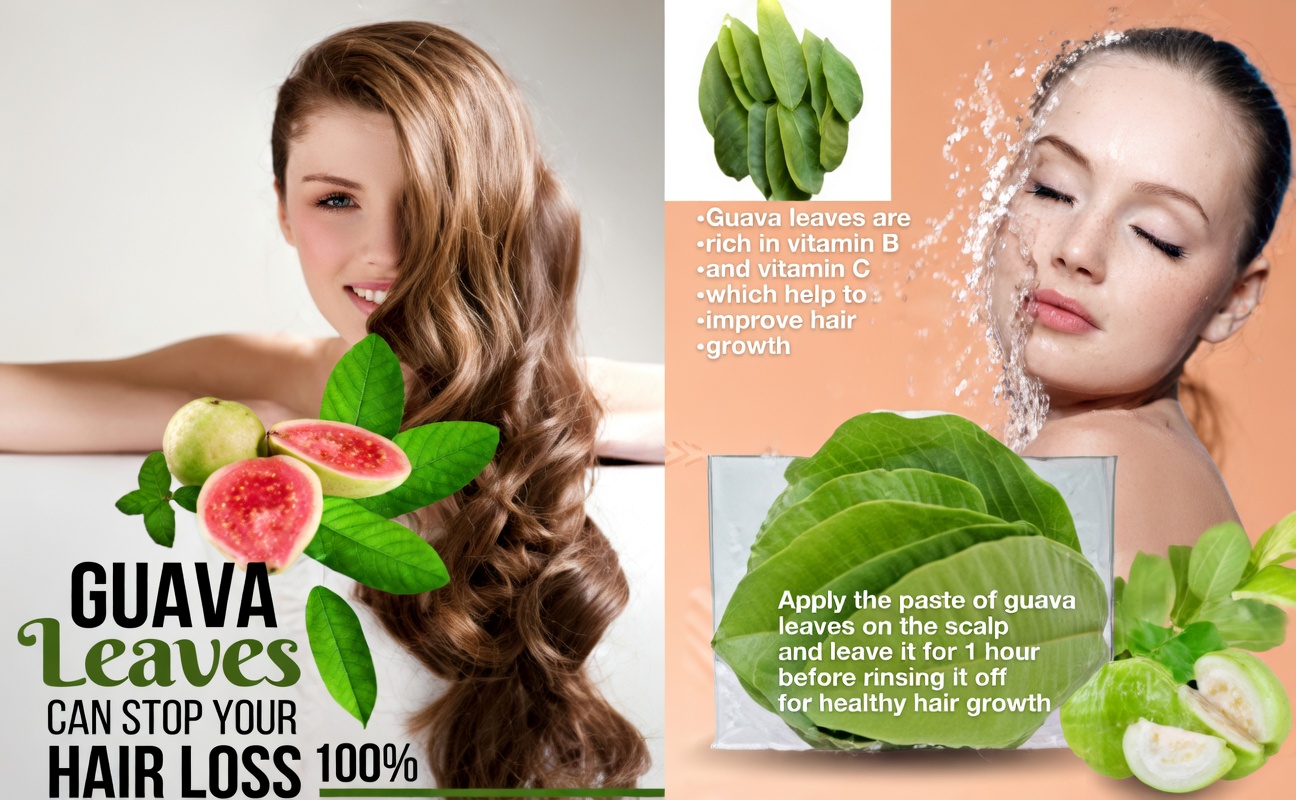
These constituents help explain why guava leaves have long been used in traditional wellness practices for both skin and scalp support.
Modern research is beginning to examine these properties more closely. For example, a 2022 study in the journal Plants found that guava leaf extract demonstrated notable antioxidant activity and influenced certain enzymes involved in androgen-related pathways in laboratory models. While this offers a scientific basis for interest, it’s important to note that these were cell-based experiments, not direct clinical studies on hair growth in humans.
In Thai traditional use, fresh guava leaves have often been used in home remedies for hair and scalp care. The early lab findings are consistent with the idea that guava leaves may help create a more supportive environment around hair follicles, particularly through antioxidant and soothing actions.
How Guava Leaves May Support Hair and Scalp Wellness
Based on their composition and early research, here are some potential ways guava leaves may play a supportive role in a natural hair care routine:
-
Comforting an Irritated Scalp
Anti-inflammatory and antimicrobial properties may help calm itchiness and reduce minor irritation, contributing to a more comfortable scalp. -
Providing Antioxidant Defense
Antioxidants like quercetin can help counter oxidative stress caused by UV light, pollution, and internal stress, which may indirectly benefit hair follicles. -
Supporting Nutrient Delivery
When used in rinses or massages, vitamins and phenolic compounds may help encourage healthy circulation at the scalp surface, improving the delivery of nutrients to the roots. -
Balancing Excess Oil
Mild astringent effects from tannins can help reduce excessive sebum on the scalp without stripping it completely, helping maintain a more balanced oil level. -
Enhancing Shine and Smoothness
Antioxidant support and a healthier cuticle layer may translate to hair that looks glossier and feels less rough over time. -
Helping Reduce the Appearance of Breakage
By indirectly supporting keratin structure through improved scalp health and nutrition, strands may seem stronger and better able to retain length.
Results are not guaranteed, and experiences can vary widely depending on hair type, underlying health, consistency of use, and overall lifestyle. Still, many people who add guava leaves to their routine report softer texture or a calmer scalp after several weeks.
Guava Leaves vs. Common Hair Care Approaches
Below is a simplified comparison of guava leaves with some familiar hair-care options:
| Aspect | Guava Leaves (Rinse/Spray) | Commercial Shampoos & Conditioners | Biotin Supplements | Minoxidil (Topical) |
|---|---|---|---|---|
| Source | Natural, plant-based | Often a mix of natural and synthetic | Synthetic or food-derived nutrient | Synthetic medication |
| Main Purpose | Scalp comfort, shine, support | Cleansing and surface conditioning | General nutrient support | Stimulating hair regrowth |
| Typical Cost | Low (fresh leaves inexpensive) | Moderate, varies by brand | Low to moderate | Moderate to high |
| Evidence Level | Traditional use + lab studies | Depends on formulation and ingredients | Mixed study results | Strong clinical evidence for certain types of hair loss |
| Potential Side Effects | Usually mild (patch test first) | Possible buildup, irritation, fragrance sensitivity | Rare for most people | Possible itching, dryness, or flaking |
This comparison shows why some people prefer starting with gentle, nature-based options as a complement to other methods.
How to Use Guava Leaves for Hair at Home
One of the easiest ways to experiment with guava leaves for hair is as a hair rinse or spray.
Step-by-Step: Simple Guava Leaf Rinse
-
Prepare the leaves
- Take a generous handful of fresh or dried guava leaves.
- Rinse thoroughly to remove any dirt.
-
Make a guava leaf “tea” or juice
- Tea method: Boil the leaves in 2–3 cups of water for about 10–15 minutes, then turn off the heat.
- Juice method: Blend fresh leaves with water, then strain through a fine cloth or sieve to remove solids.
-
Let it cool completely
- Allow the liquid to reach room temperature before applying it to your scalp and hair.
-
Apply after shampooing
- Wash your hair as usual with a gentle shampoo.
- Pour the guava leaf liquid over your scalp and hair, or decant it into a spray bottle and mist it on.
-
Massage the scalp
- Gently massage with your fingertips for 5–10 minutes to support circulation and absorption.
-
Leave it on
- Let it sit for 30 minutes to a few hours. Some people prefer to leave it on overnight under a shower cap for a more intensive treatment.
-
Rinse or leave-in (optional)
- You can rinse it out with cool water or leave a light amount in as a final rinse, depending on how your hair feels.
-
Frequency
- Use about 2–4 times per week, adjusting based on your scalp’s response.

Tips for Better Results
-
Patch test first
Apply a small amount of cooled guava leaf liquid to the inside of your arm and wait 24 hours to check for redness, itching, or irritation. -
Support from within
Combine topical use with a nutrient-dense diet rich in protein, healthy fats, and hair-supporting vitamins and minerals. -
Track your progress
Take photos every 4 weeks in similar lighting to notice changes in shine, texture, or density. -
Pair with scalp massage
Regular massage can enhance circulation and help distribute the guava leaf rinse more evenly across the scalp.
Many people who try this method say they notice a calmer scalp and slightly softer hair within a few weeks. With ongoing use, some report improved shine and less visible breakage.
Realistic Timeline: What You Might Notice
Everyone’s hair journey is different, but a general timeline may look like:
-
Weeks 1–2
- Possible decrease in itchiness or excessive oiliness
- Scalp may feel cleaner and more balanced
-
Weeks 3–4
- Hair may feel softer and smoother
- Some people notice less shedding during washing or brushing
-
Around Month 2 and beyond
- Enhanced shine and more resilient-feeling strands
- Hair may appear healthier overall
-
Around Month 3+
- Potential for fuller-looking volume when combined with a balanced diet, gentle hair care, and stress management
Hair typically grows about 0.5 inch (1.25 cm) per month on average, so visible improvements take time. Consistency and patience are key.
Final Thoughts: A Gentle Addition to Your Hair Routine
Guava leaves offer an affordable, accessible way to explore natural hair and scalp support. Rooted in traditional practices and backed by early laboratory research on antioxidant and soothing properties, they may help complement a broader healthy-hair strategy.
They are not a quick fix or a guaranteed cure for hair loss, but they can be a valuable part of a gentle, holistic routine—especially if you’re looking for plant-based options to improve how your hair and scalp look and feel.
If you’re curious, start slowly, listen to your body, and observe how your scalp responds over a few weeks. Sometimes, the simplest tools from nature can provide meaningful support.
Frequently Asked Questions
1. Are guava leaves safe for all hair types?
Most hair types—including straight, wavy, curly, and coily—tend to tolerate guava leaf rinses well. However, you should always:
- Perform a patch test on your inner arm before first use.
- Stop if you notice irritation, redness, or itching.
- If you have very sensitive skin, eczema, psoriasis, or known plant allergies, consult a dermatologist or healthcare professional before trying guava leaves.
2. How long does it take to see results with guava leaves?
Timelines vary, but many people report:
- Subtle scalp improvements (less discomfort, better oil balance) in 2–4 weeks
- Visible changes such as more shine or stronger-feeling strands with consistent use over 1–3 months
Remember that overall lifestyle—diet, stress levels, sleep, and hair-care habits—also plays a big role in outcomes.
3. Can I use guava leaves with my existing hair products?
Yes. Guava leaf rinses are often used alongside:
- Mild, sulfate-free shampoos
- Lightweight conditioners
- Natural oils (such as argan, jojoba, or coconut) applied to the lengths and ends
Try to avoid harsh chemicals, strong sulfates, or frequent high-heat styling, as these may counteract the benefits of a gentle, plant-based routine.