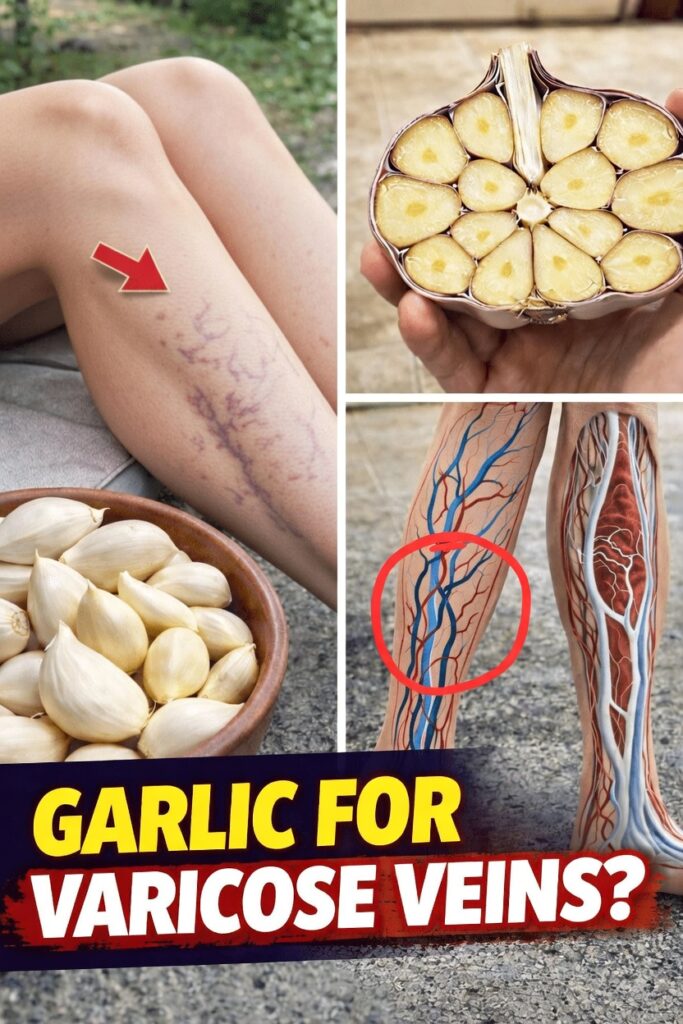
Garlic and Circulation: A Simple Addition for Tired, Heavy Legs
Heavy, aching legs, visible veins, and that “restless” feeling at the end of the day are common complaints—especially if you spend long hours sitting or standing. Swelling, fatigue, and discomfort in the legs often point to sluggish blood flow returning from the lower body. While proper evaluation and treatment by a healthcare professional are essential, simple lifestyle strategies can support vein health and help you feel more comfortable day to day.
One surprising helper may already be in your kitchen. Garlic, long used in traditional remedies, is gaining attention for its potential to naturally support circulation and vascular health.
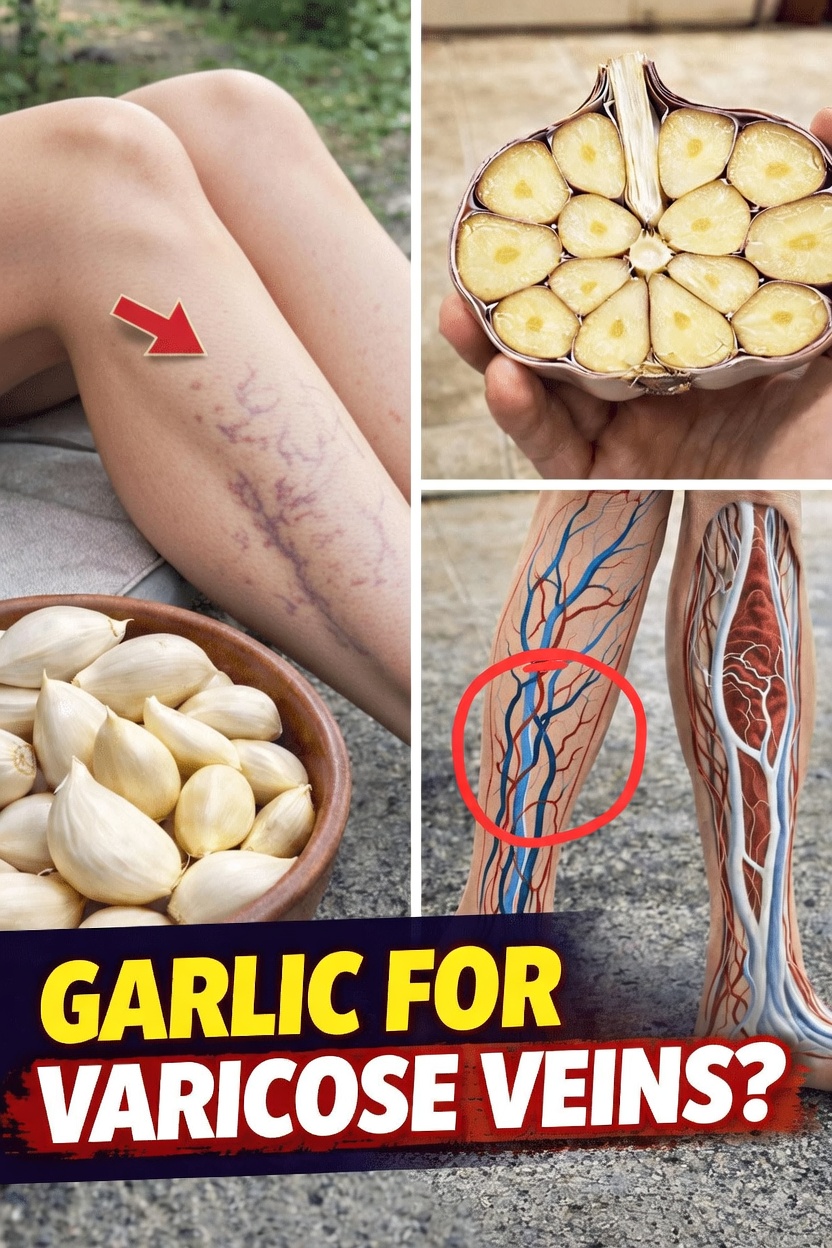
What Are Varicose Veins and Why Do They Happen?
Varicose veins are enlarged, twisted veins—most often in the legs—that develop when tiny valves inside the veins weaken or fail. Instead of moving smoothly back toward the heart, blood can collect in the veins, causing them to bulge and become more visible under the skin.
This can lead to symptoms such as:
- A feeling of heaviness or dragging in the legs
- Mild swelling, especially around the ankles
- Throbbing, aching, or discomfort after standing or sitting for long periods
Several factors increase the likelihood of developing varicose veins and circulation issues, including:
- Long periods on your feet or seated without movement
- Pregnancy and hormonal changes
- Excess body weight
- Aging and loss of vein elasticity
When circulation is compromised, inflammation may increase, making discomfort worse. Medical treatments (like procedures performed by vascular specialists) target the underlying structural problems in the veins. Complementary approaches, on the other hand, aim to:
- Promote smoother blood flow
- Reduce inflammation
- Decrease the strain placed on the veins
Nutrition plays a role here. Certain foods rich in anti-inflammatory and circulation-supporting compounds can help maintain vascular function. Garlic is one such food, largely due to its active compounds like allicin.
How Garlic May Support Circulation and Vein Health
Garlic has been widely researched for its effects on the cardiovascular system. Many of its benefits are linked to allicin, a sulfur-containing compound created when fresh garlic is chopped, crushed, or chewed.
Potential actions of garlic on circulation
Research suggests that garlic may:
- Support endothelial function: The endothelium is the delicate inner lining of blood vessels. Healthy endothelial cells help blood vessels dilate and contract properly, promoting smoother circulation.
- Help blood vessels stay flexible: Better vessel elasticity can improve overall blood flow, including to and from the legs.
- Reduce inflammation and oxidative stress: Garlic’s antioxidant and anti-inflammatory properties may help protect vessels from damage over time.
Some studies have reported that garlic supplementation can increase peripheral blood flow—the circulation to the arms and legs. Improved peripheral circulation may indirectly ease symptoms such as leg fatigue and heaviness by assisting venous return.
While direct, large-scale clinical trials specifically targeting varicose veins are limited, observational data and smaller studies suggest that regular garlic intake is associated with:
- Better vascular responses
- Lower markers of oxidative stress
- Potential support for cardiovascular health overall
Garlic also contains sulfur compounds that may reduce platelet aggregation, helping keep blood less sticky and supporting healthier flow. This does not make garlic a blood thinner in the medical sense, but it is one reason why caution is advised if you are already on anticoagulant medication.
Practical Ways to Add More Garlic to Your Day
You do not need dramatic changes to start benefiting from garlic. It fits easily into everyday meals while potentially contributing to better circulation.
Here are simple, realistic ways to include it:
-
Enjoy it raw or lightly cooked
- Crush or mince a fresh clove and let it rest for about 10 minutes to allow allicin to form.
- Add it to salad dressings, dips, spreads, or sprinkle over cooked dishes just before serving.
-
Use it as a flavor base in cooking
- Sauté chopped garlic in olive oil for soups, stews, stir-fries, or roasted vegetables.
- While heat can reduce allicin levels, other beneficial compounds remain and still support overall health.
-
Try garlic-infused oils (with care)
- Some people prepare a mild garlic and olive oil blend to gently massage the legs.
- Always test a small patch of skin first and consult a professional, as undiluted or strong garlic preparations can irritate the skin.
-
Consider supplements
- Aged garlic extract or standardized garlic supplements are frequently used in studies on heart and circulation support.
- These can be a convenient option if you do not enjoy the taste of fresh garlic, but should be used under medical guidance.
Start with small amounts if garlic is not a regular part of your diet, since larger quantities can sometimes cause digestive upset. For best results, combine garlic with a balanced eating pattern rich in fiber, colorful vegetables, fruit, and adequate hydration.
Lifestyle Habits That Work Together With Garlic
Garlic is just one piece of the puzzle. To truly support vein health and leg comfort, it should be combined with movement and other everyday habits that promote circulation.
Effective strategies include:
-
Keep your body moving
- Choose low-impact exercises such as walking, cycling, swimming, or gentle yoga.
- Simple calf raises or ankle circles throughout the day can help the muscles act as pumps to return blood toward the heart.
-
Elevate your legs regularly
- When possible, raise your legs above heart level for 10–15 minutes.
- This position encourages pooled blood to drain and may help reduce swelling and pressure.
-
Aim for a healthy body weight
- Excess weight increases pressure on the leg veins.
- Gradual, sustainable changes in diet and activity can decrease this strain over time.
-
Use compression garments if recommended
- Medical-grade compression stockings can provide external support to the veins and assist blood flow.
- Always seek advice from a healthcare provider for proper type and fit.
-
Break up long periods of sitting or standing
- Set reminders to move every 30–60 minutes.
- Even a few minutes of walking or stretching can make a meaningful difference.
Combining these habits with garlic’s potential circulatory benefits creates a more comprehensive approach to leg health.
Vein-Friendly Foods That Complement Garlic
To build a diet that supports your circulation and veins, pair garlic with other nutrient-rich foods known to benefit vascular health.
Helpful options include:
-
Berries (blueberries, strawberries, raspberries)
- Packed with flavonoids that may strengthen blood vessel walls and reduce oxidative stress.
-
Citrus fruits (oranges, lemons, grapefruits)
- Rich in vitamin C, which supports collagen formation and helps maintain vein integrity.
-
Leafy greens (spinach, kale, Swiss chard)
- Provide vitamin K and other nutrients involved in proper blood flow and clotting balance.
-
Fatty fish (salmon, mackerel, sardines)
- A source of omega-3 fatty acids that support heart health and may help reduce inflammation.
-
Nuts and seeds (almonds, walnuts, sunflower seeds, chia)
- Supply vitamin E and healthy fats that contribute to antioxidant protection and vascular health.
-
Ginger and beets
- Both are known to promote nitric oxide production, assisting blood vessel dilation and circulation.
A simple example of a vein-supportive meal: grilled salmon with garlic-roasted vegetables, a mixed green salad with citrus dressing, and a handful of berries for dessert.
What Results Can You Expect From Using Garlic?
Responses to natural strategies like garlic vary widely between individuals. Some people report:
- Less heaviness and fatigue in their legs after several weeks of consistent use
- Slight improvements in swelling or overall leg comfort
Others may notice more subtle changes or none at all. Garlic should be viewed as a supportive measure, not a cure for varicose veins or a replacement for medical treatments.
To better understand how it affects you:
- Pay attention to symptoms such as leg heaviness, swelling, and discomfort over time
- Keep notes or a simple log to track changes as you adjust your diet and lifestyle
If symptoms worsen, or if you develop new issues such as sudden pain, skin changes, or ulcers, seek medical care promptly.
Frequently Asked Questions About Garlic and Circulation
1. How much garlic should I use each day for potential circulatory benefits?
In research settings, dosages often correspond to:
- Around 1–2 fresh garlic cloves per day, or
- Supplements providing roughly 600–1200 mg of aged garlic extract daily
A reasonable approach is to start by incorporating garlic regularly into your meals. Before using concentrated supplements or higher doses, talk with a healthcare provider, especially if you have medical conditions or take prescription drugs.
2. Can garlic interact with medications?
Yes, garlic can interact with certain medications. Because it may have mild blood-thinning and blood pressure–modulating effects, caution is advised if you are taking:
- Anticoagulants or antiplatelet drugs (for example, warfarin, aspirin, clopidogrel)
- Blood pressure medications
- Certain HIV treatments or other specialized therapies
Always consult your doctor or pharmacist before adding garlic supplements or significantly increasing your garlic intake if you are on any regular medication.
3. Is it safe to apply garlic directly to the skin on my legs?
Topical garlic is sometimes used in traditional remedies, but it can be irritating:
- Undiluted garlic or strong garlic pastes may cause burning, redness, or even blistering.
- If you decide to try a garlic-infused oil for massage, ensure it is well diluted and always perform a patch test on a small area first.
In general, consuming garlic as part of your diet is more predictable and better tolerated than applying it directly to the skin. If you have sensitive skin or existing skin conditions, seek professional advice before trying topical garlic.
Important Disclaimer
This content is for general informational purposes only and is not a substitute for professional medical advice, diagnosis, or treatment. Varicose veins, chronic leg swelling, pain, or changes in skin color should always be assessed by a qualified healthcare provider.
Garlic and other natural strategies may offer supportive benefits for circulation and vein comfort, but they do not replace medical evaluation or prescribed treatments. Always consult your doctor before making significant changes to your diet, starting supplements, or altering your medication regimen, particularly if you have underlying health conditions or take regular medications.