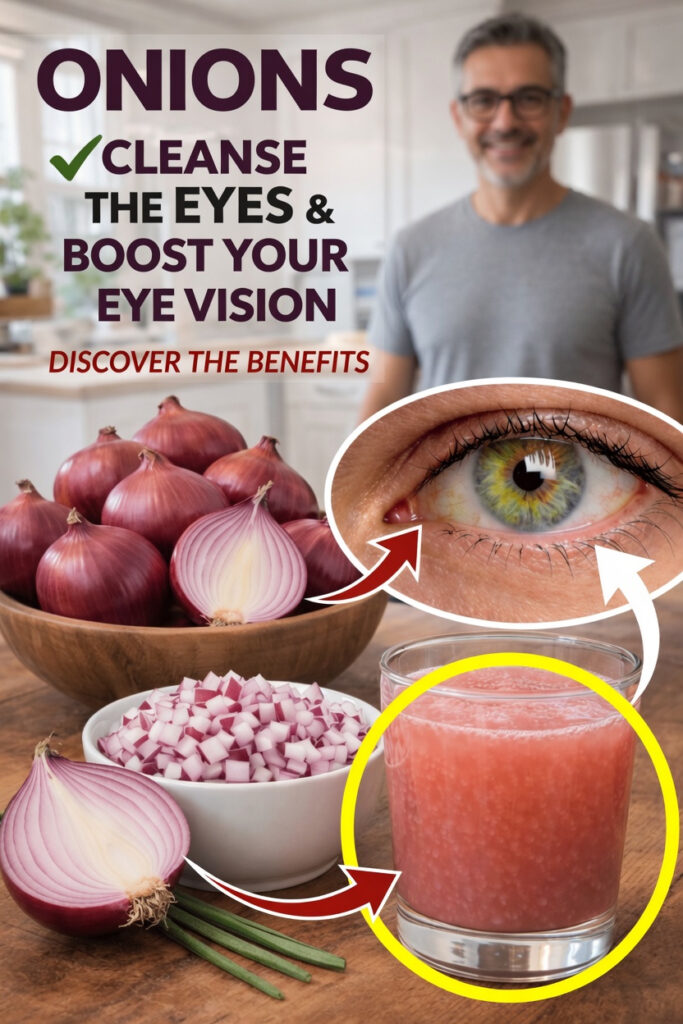
Can Onions Support Eye Health as You Age?
Many people become more concerned about their eyesight over time. Long hours in front of screens, natural aging, and ongoing oxidative stress can leave your eyes feeling fatigued and your vision seeming less crisp. When reading, driving, or focusing on small details starts to feel more difficult, it is normal to look for simple, natural ways to help support eye wellness for the long run.
One encouraging fact is that some everyday foods may offer gentle nutritional support. Onions, found in kitchens across the world, contain beneficial plant compounds such as quercetin and sulfur-containing antioxidants. Research suggests these nutrients may play a role in protecting overall eye health. While onions are not a substitute for eye exams or medical treatment, adding them to your diet may support your body in ways that are worth paying attention to.
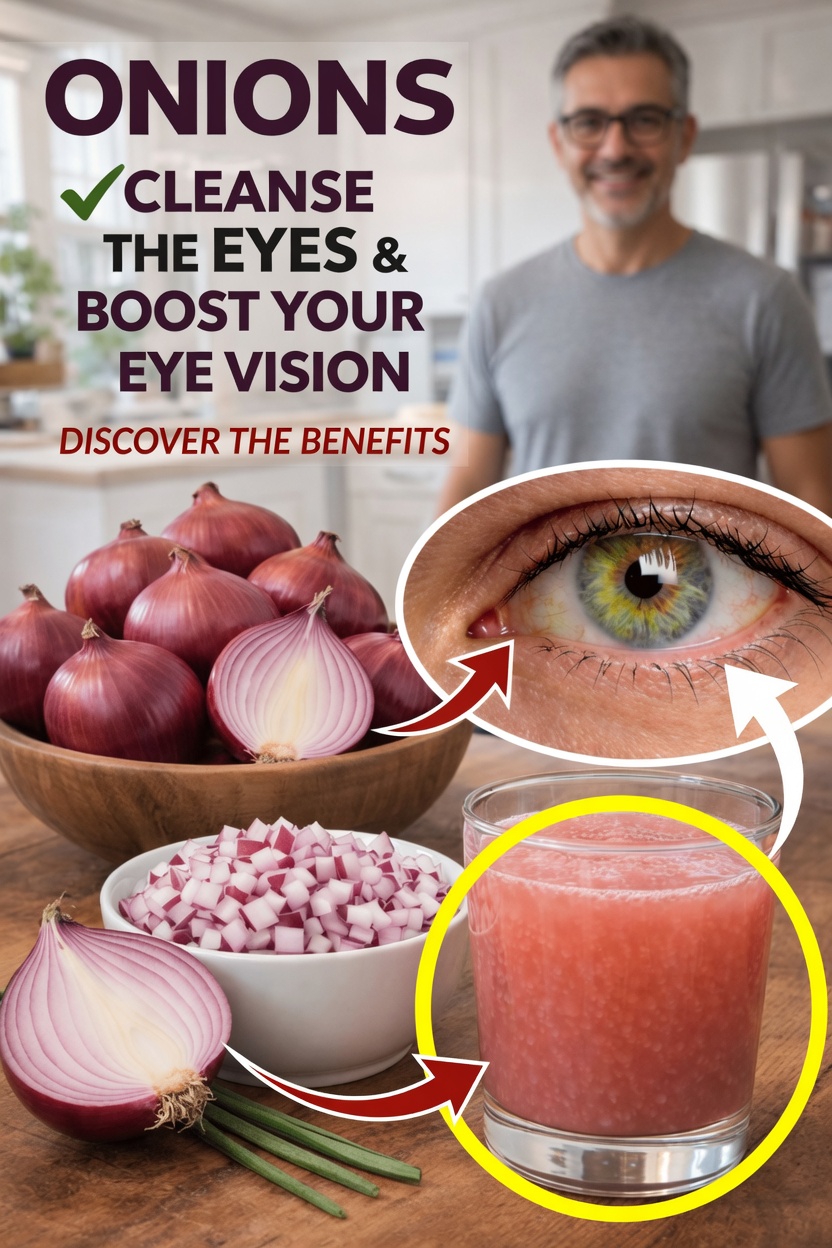
Why Onions May Be Helpful for Eye Wellness
Onions are part of the Allium family and provide a surprising range of nutrients despite being low in calories. They are especially known for their flavonoid content, with quercetin being one of the most studied compounds. Quercetin acts as a potent antioxidant, and antioxidants are important because they help the body manage oxidative stress, which is linked to several age-related eye issues.
Some scientific studies, particularly in laboratory and animal settings, have examined onion compounds for their possible protective effects on the eyes. Research in rats has suggested that quercetin from foods like onions may help shield lens cells from stress and may also support tear production in certain cases. Human research is still limited, but population-based observations suggest that diets rich in flavonoid-containing foods, including onions, are associated with healthier eye-related outcomes.
Onions also contain sulfur-based compounds that may help the body maintain its natural antioxidant defenses. These compounds may not act only on the eyes directly, but they can support inflammation balance and overall cellular health, which may indirectly benefit eye tissues as well.
Eye-Friendly Nutrients Found in Onions
Several components make onions a valuable addition to a diet focused on eye support:
- Quercetin: A well-known flavonoid with strong antioxidant activity that may help protect eye tissues from oxidative damage.
- Sulfur compounds: These natural compounds may support anti-inflammatory processes and assist the body’s detox pathways.
- Vitamin C and other antioxidants: Present in smaller amounts, these nutrients help neutralize free radicals.
- Trace minerals such as selenium: In some nutritional perspectives, selenium is linked to antioxidant support that may contribute to eye function.
Because onions are easy to add to meals, they offer a convenient way to increase your intake of these beneficial compounds without much extra effort.
Easy Ways to Add Onions to Your Diet
The most practical and safest way to use onions for possible eye support is to eat them regularly. Through digestion and circulation, the nutrients in onions can contribute to whole-body nourishment, including support for the eyes.
Here are a few simple ways to include more onions in your weekly routine:
- Add raw onion to meals: Use chopped red onion in salads, wraps, sandwiches, or on avocado toast for a fresh source of quercetin.
- Cook them lightly: Add onions to soups, stir-fries, omelets, or grain bowls. Gentle cooking helps preserve many nutrients while making onions easier to digest.
- Blend mild onions into smoothies: Pair small amounts with fruits like apples or berries to soften the flavor while still getting antioxidant value.
- Try a mild onion infusion: Soak sliced onion in water overnight, then use the liquid in cooking or drink it if preferred. This approach gives a subtle flavor and may extract some plant compounds.
- Be consistent: Aim to include onions around four to five times a week. Red onions often contain more quercetin than yellow or white varieties.

These habits are easy to maintain and fit well into a balanced, vegetable-rich eating pattern.
What Science Says — and What It Does Not Say
Interest in onions for eye health has roots in traditional practices, and modern research has added some promising clues. Animal studies have reported benefits such as lower cataract formation in certain models and improved tear production when quercetin was used under specific conditions.
Still, it is important to understand the limits of the evidence. Much of the current research comes from laboratory experiments or animal studies rather than large, well-designed human trials. Existing human data tends to focus more on the broad antioxidant value of flavonoid-rich foods than on direct improvements in eyesight.
There is also a critical safety point: there is no strong scientific support for putting onion juice directly into the eyes. In fact, experts caution against this because onions contain sulfur compounds that can irritate delicate eye tissue, causing burning, redness, and possibly more serious discomfort.
The most realistic conclusion is that onions may support eye health best when they are part of a nutritious diet, not when used as a quick fix or home remedy. For a stronger overall approach, combine onions with other foods known to support eye health, such as leafy greens, carrots, berries, eggs, and fatty fish.
Safety Tips and Possible Downsides
For most people, onions are safe when eaten as part of normal meals. However, some individuals may notice bloating, gas, or digestive discomfort, especially after eating large amounts of raw onion. If you have food sensitivities, allergies, or digestive conditions, it is wise to speak with a healthcare professional before increasing your intake.
You should also avoid unproven methods such as applying onion juice to the eyes. This practice is not supported by reliable human safety research and can irritate sensitive tissues.
Final Thoughts: A Simple Habit for Long-Term Eye Support
Onions are an affordable and accessible food that can help increase your antioxidant intake. They are not likely to transform your vision overnight, but regularly including them in your meals may contribute to overall wellness, including support for healthy eyes. For best results, combine this habit with regular eye exams, breaks from screen time, and a varied diet full of nutrient-dense foods.
A small change in your kitchen routine can become a helpful part of long-term eye care. Adding more onions to your meals this week may be an easy place to start.
FAQ
1. How much onion should I eat for possible eye health benefits?
A practical amount is about half to one medium onion several times per week. Red onions are often preferred because they tend to contain higher levels of quercetin.
2. Are raw onions better than cooked onions?
Raw onions may preserve more of certain compounds, including quercetin. However, cooked onions are often easier on digestion and still provide valuable nutrients, so both forms can be useful.
3. Can onions replace eye supplements or vitamins?
No. Onions are simply one nutritious food source and should not be considered a replacement for eye-specific supplements or medical advice. If needed, supplements containing nutrients like lutein and zeaxanthin may complement a healthy diet that includes onions.